


 65% off
BananaFern Bath Towel Pack of 1
Rs. 599
65% off
BananaFern Bath Towel Pack of 1
Rs. 599





Share this article
Pillowcase Hygiene for Acne-Prone Skin: A Practical Rotation Guide
A clean pillowcase can reduce repeated contact with sweat, oil, hair products and residue, but it cannot treat acne. Rotate sooner when you sweat heavily, use oily hair products, sleep with wet hair or share the pillow; seek dermatology care for persistent acne.
Choosing a towel is easier when the question is reduced to size, construction, routine and drying conditions. This guide gives a direct answer for Indian homes without turning a product feature into a medical or performance guarantee.
Short answer
A clean pillowcase can reduce repeated contact with sweat, oil, hair products and residue, but it cannot treat acne. Rotate sooner when you sweat heavily, use oily hair products, sleep with wet hair or share the pillow; seek dermatology care for persistent acne.
In this guide
- Why the pillowcase belongs in the routine
- Build a rotation you can maintain
- Wash for skin comfort
- Keep claims in proportion
- Doctor Towels options
- Frequently asked questions
Why the pillowcase belongs in the routine
Your face can contact the same fabric for hours. Sebum, skincare, scalp oil, sweat and detergent residue can accumulate. The practical goal is a clean, dry, comfortable surface—not a claim that fabric replaces treatment.
Build a rotation you can maintain
Keep enough pillowcases to change them without waiting for laundry day. Start with a regular schedule, then change sooner after heavy sweating, illness, wet hair or product buildup. The right frequency depends on your routine.
Wash for skin comfort
Follow the label, use a measured mild detergent and rinse properly. Fragrance, softener and detergent residue can bother some sensitive users. Wash before first use and dry fully before putting the case back on the pillow.
Keep claims in proportion
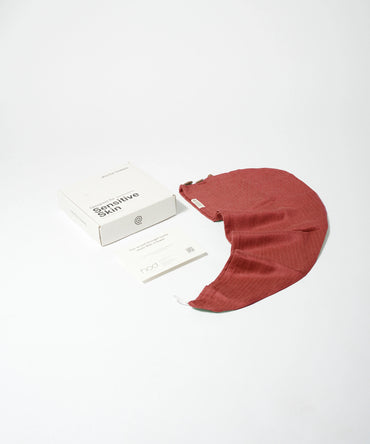
Doctor Towels currently describes its pillowcase as plant-based and patch- and dermatologist-tested. Those are product claims to evaluate on the live listing; they do not guarantee that every user will avoid breakouts or irritation.
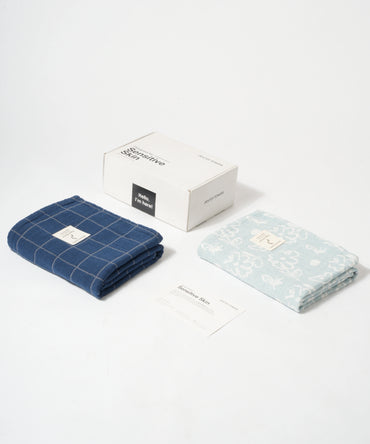
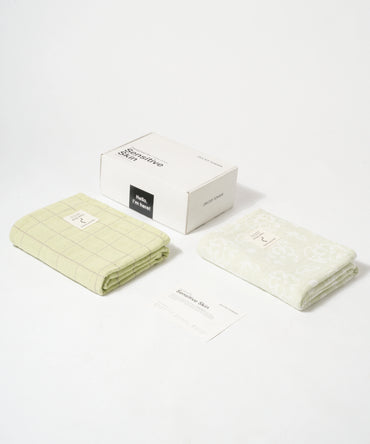
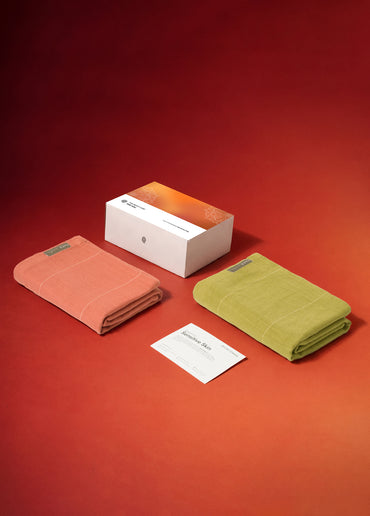
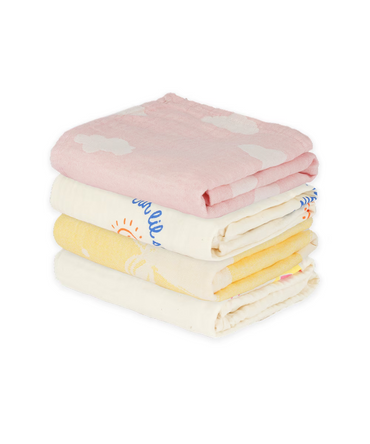
Doctor Towels options to compare
Specifications, availability and care guidance can change. Check the live product page and sewn-in care label before ordering or washing. Compare the exact variant rather than relying on a collection image or an older review.
Quick buying checklist
- Match the exact dimensions, GSM, weave and number of pieces.
- Confirm the towel can hang fully open in your available drying space.
- Read the care label and return policy before the first wash.
- Do not treat fibre names, prices or reviews as proof of medical benefit.
- Choose the simplest rotation you can wash and dry consistently.
Frequently asked questions
How often should acne-prone users change pillowcases?
There is no universal number. Change regularly and sooner when the surface becomes oily, damp or exposed to hair products.
Can an antibacterial pillowcase cure acne?
No. Acne has multiple causes, and a textile is not medical treatment.
Should I sleep with wet hair?
A damp pillow surface dries slowly and can feel uncomfortable. Dry hair and the pillowcase before extended contact when practical.
Final takeaway
A clean pillowcase can reduce repeated contact with sweat, oil, hair products and residue, but it cannot treat acne. Rotate sooner when you sweat heavily, use oily hair products, sleep with wet hair or share the pillow; seek dermatology care for persistent acne. The best choice is the one that fits your body, storage, laundry rhythm and real drying conditions—not the one with the biggest number or strongest slogan.
Prev post

70 × 140 cm vs 75 × 150 cm Bath Towels: Which Size Is Better?
Updated on 05 September 2026
Next post

How Many Bath Towels Does a Family of Four Need?
Updated on 05 September 2026