Towel Hygiene
Small Towels For Face: Why A Smaller Towel Can Make A Skin-Care Routine Easier To Keep Clean
Small Towels For Face are not only about convenience. Their real advantage is that they can make a face-drying routine easier to keep dedicated, fresh, and gentle.

Face Towels
A relevant collection path for readers comparing towel hygiene.
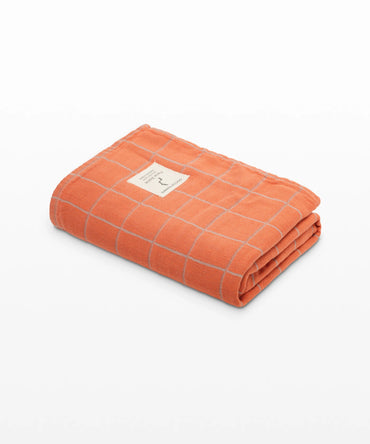
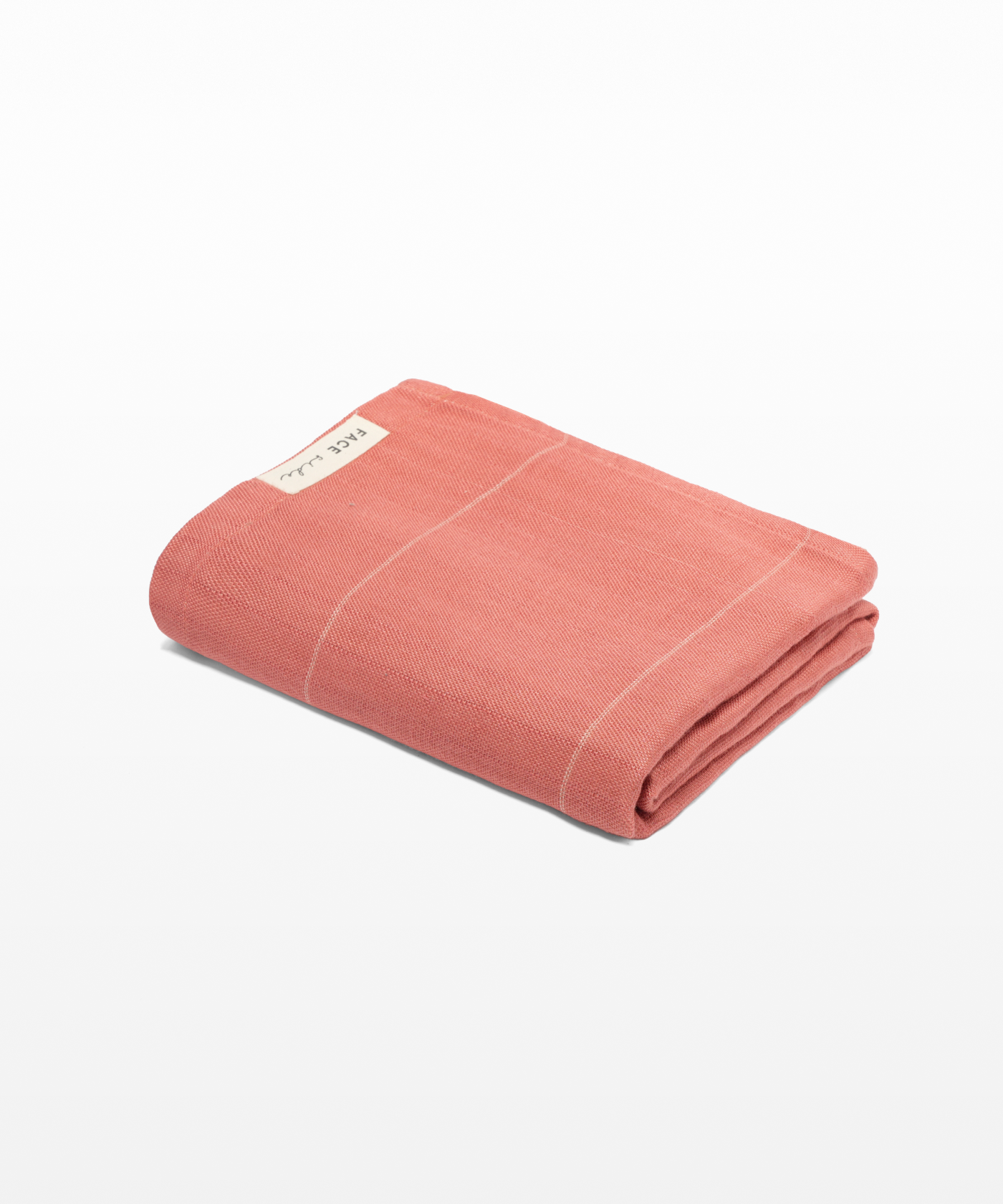
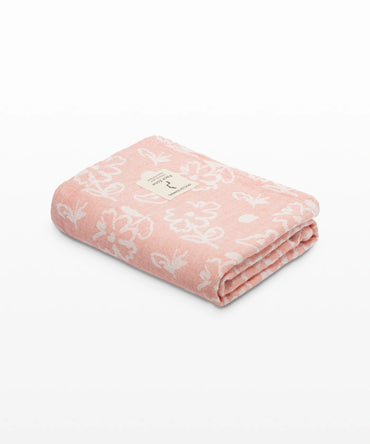
View collectionSmall Towels For Face may look like a minor upgrade, but the size of a towel can change how a routine actually works. A large towel gets reused because it seems wasteful to change it too often. It gets folded over to find a dry corner. It ends up drying hands, face, and whatever else happens to be nearby. A smaller towel often pushes people toward a different habit: one towel, one job, one easier rotation.
That matters more than it sounds. The face-drying step happens right after cleansing, when skin is damp, more reactive, and more likely to notice friction. If the towel touching the face is also the towel carrying the whole bathroom day on it, the routine stops feeling as clean and controlled as it should.
This is why Small Towels For Face deserve a proper skincare lens. The question is not whether smaller is automatically better. The question is whether a smaller towel makes it easier to build a dedicated face-only habit that feels fresher, gentler, and more consistent from one wash to the next.
For people with acne-prone or sensitive skin, that kind of consistency matters. A towel is not treatment. But it is part of the environment touching the skin every day, and daily contact shapes how routines feel.
The Problem They Didn’t Know They Had
Most people do not struggle because they chose the wrong towel once. They struggle because the towel habit stays vague. The towel by the sink gets reused for too long. The face gets dried with whatever section still feels dry. The same cloth touches hands, the face, and sometimes the counter without anyone thinking twice about it. Over time, the habit becomes more convenient than intentional.
That vagueness creates a problem for skin that already reacts easily. If the routine feels fine some days and rougher on others, people usually blame cleanser strength or weather before they blame the towel rotation. But a towel that is too big for the job often stays in circulation longer than it should, simply because it still looks usable.

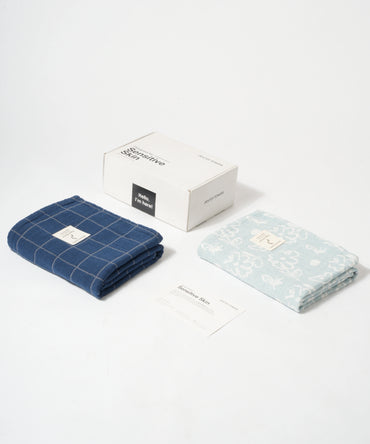
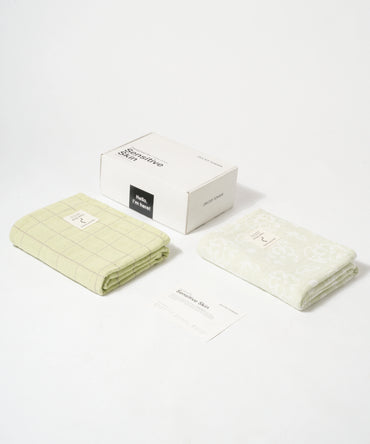
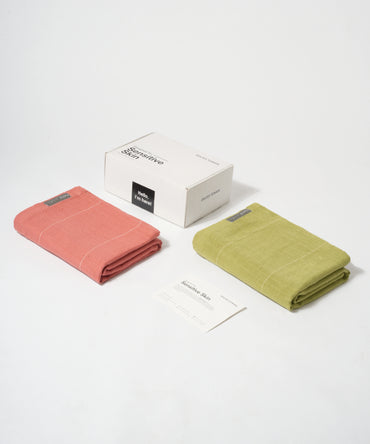
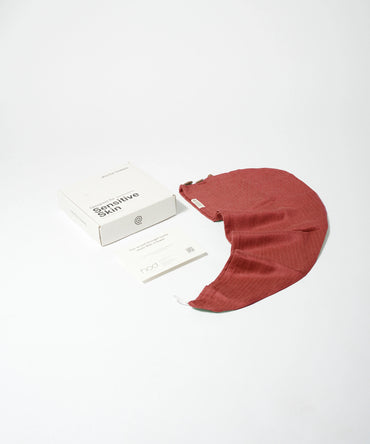
Doctor Towels Aluvera Handkerchief Pack
A relevant product path for readers comparing towel hygiene.
View productSmall Towels For Face can solve part of that by making the boundary clearer. A smaller towel naturally feels more specific. It is easier to dedicate to the face, easier to swap out, easier to keep in a clean stack, and less likely to turn into a shared bathroom cloth by accident.
That does not mean the size alone fixes the problem. It means the size can support a better habit. And for acne-prone or sensitive skin, better habits around friction and cleanliness are often what matter most.
Another overlooked part of the problem is decision fatigue. If every towel feels multi-purpose, people keep making small judgment calls about whether a towel is still okay for the face. A smaller dedicated towel reduces those judgment calls. It turns the routine into something simpler: this towel is for my face, it has a shorter rotation, and I do not need to debate whether it is still fresh enough.
The Science Behind The Problem
Dermatology guidance consistently favors gentle, non-abrasive skin handling. The American Academy of Dermatology warns that scrubbing can irritate acne-prone skin, and that principle extends beyond cleanser choice. The fabric touching the face after washing can either keep the routine gentle or reintroduce mechanical stress at the finish line.
PubMed reports on acne mechanica reinforce that friction, rubbing, and repeated pressure can aggravate acneiform eruptions. A towel does not have to be visibly rough to create a problem. If it is dragged across the same areas with pressure, used too aggressively on inflamed breakouts, or reused in a way that makes the cloth feel stale and less fresh, it can become part of the irritation picture.
This is where the size of the towel becomes practical rather than cosmetic. Small Towels For Face do not change skin biology, but they can change behavior. A smaller towel is easier to assign to one purpose, easier to wash and rotate more often, and easier to keep out of multi-use bathroom traffic. Those behavioral advantages are meaningful because skin care is full of repeated contact, not one-time decisions.
When a routine improves because the towel step becomes more dedicated and predictable, the improvement is not magical. It is mechanical and hygienic. That is exactly the kind of change sensitive skin tends to appreciate.
The Mechanisms - How It’s Actively Hurting You
Bigger Towels Stay In Use Longer Than People Expect
A large towel often looks serviceable long after it stops feeling ideal for the face. People keep finding a dry patch and telling themselves it is still fine. That extends the life of the towel in the routine, even when the cloth no longer feels fresh enough for repeated facial contact.
A Shared Towel Loses Its Face-Only Standard
Once a towel gets large enough to feel versatile, it starts doing extra jobs. It dries hands, catches drips, and becomes part of general bathroom traffic. That is a problem for facial skin because the towel stops being a dedicated tool and becomes a shared surface.
Reaching For A Dry Corner Encourages More Rubbing
When someone is trying to find the “clean” or dry part of a larger towel, the drying motion often becomes less deliberate. The towel gets dragged, flipped, and rubbed across the face more than necessary. That adds extra mechanical contact to a step that should be quiet and controlled.
Inconsistent Towel Habits Make Skin Harder To Read
If the towel changes in freshness, pressure, and contact pattern from one use to the next, the routine becomes harder to interpret. Someone may think a new product is breaking them out when the actual difference is that the towel step has become rougher, damper, or less dedicated over time.
Customer Language - What Real People Were Dealing With
The face towel problem usually shows up in plain language. People say, “my routine was fine except my towel felt rough on active breakouts,” or “my skin feels irritated after drying my face,” or “I wanted a towel that felt like it belonged in my skincare routine.” Those are not product-review cliches. They are descriptions of a contact problem.
There is also a strong convenience theme in how people talk about towels. Many are not looking for something dramatic. They want something easier to keep clean. They want a towel that does not feel oversized for the face. They want a stack they can rotate without thinking too hard. That is why Small Towels For Face have such a practical appeal. The size itself becomes a routine tool.
Another common frustration is the feeling that the towel by the sink is never obviously dirty enough to throw into the wash, but never quite fresh enough to feel ideal on the skin. That middle zone is where a lot of face-drying routines quietly go wrong. A smaller towel helps because it makes replacement feel normal rather than excessive.
In skincare terms, that is useful because anything that makes a good habit easier to repeat has real routine value. People do not need a towel system that feels perfect on paper and impossible in daily life. They need one that fits mornings, evenings, rushed schedules, shared bathrooms, and the reality that the face towel will only stay skin-friendly if it is easy to manage.
Actionable Habits - What To Actually Do
1. Keep A Separate Stack Just For The Face
If you use Small Towels For Face, let them stay face-only. Do not mix them into the general bathroom towel cycle. A dedicated stack makes rotation easier and removes guesswork from the routine.
2. Change The Towel Before It Feels Questionable
Do not wait for obvious odor or visible buildup. If the towel feels damp, flattened, or no longer fully fresh, swap it out. Smaller towels work best when they make earlier replacement easy, not when they are stretched into longer use.
3. Pat In Sections Instead Of Dragging The Towel Around
Use the towel to press and lift moisture away from the forehead, cheeks, chin, and jawline. The smaller format makes that easier because it encourages more deliberate movements instead of broad rubbing.
4. Avoid Letting A Face Towel Drift Into Hand-Towel Duty
Once a face towel starts drying hands or cleaning up sink water, it stops being a dedicated face tool. Protect the boundary. That one habit does a lot of the work.
5. Use Size To Support Hygiene, Not To Replace Hygiene
Small Towels For Face are helpful because they make good habits easier, not because small fabric is somehow inherently skin-saving. If you are also working on how to keep towels fresh without washing daily, the main takeaway is the same: airflow, rotation, and intentional use still matter.
6. Escalate To Dermatology Care If Skin Remains Reactive
If acne, redness, or ongoing irritation keeps returning, get professional advice. A better towel habit can reduce one routine stressor, but it cannot replace an expert evaluation.
Why Doctor Towels Was Built For This
Doctor Towels is positioned as a skincare-first towel brand, which makes sense in the context of Small Towels For Face. The face-drying step is often treated like the least important part of the routine even though it happens after every cleanse. A brand built around the idea that this step deserves more intention fits that problem well.
The product role should still stay modest and clear. Doctor Towels is not presented as a cure for acne or sensitivity. It is part of a gentler routine. That means treating the towel like a skincare tool: keeping it dedicated, using it with less friction, and making it easier to rotate before it starts feeling stale.
Readers who want to review the brand’s own materials can look at the Doctor Towels research page and testing report. But the bigger lesson is routine design. A towel that is easier to keep face-only, fresh, and deliberate is often a better fit for sensitive or acne-prone skin than one oversized cloth that tries to do everything.
That is what makes the size conversation meaningful. The size supports the habit, and the habit supports the skin.
The Bottom Line
Small Towels For Face can be useful because they make a dedicated face-drying routine easier to maintain. They encourage faster rotation, clearer separation from hand towels, and more deliberate drying with less rubbing. Those are practical advantages, not marketing abstractions.
If your skin often feels worse after drying than it did after washing, the towel step may be one of the easiest parts of the routine to improve. Choose a smaller face-only towel, rotate it sooner, and treat the drying step like it counts.
The towel does not need to be the star of your skincare routine. It just needs to stop quietly making the routine harder on your skin.
Medical Sources & Further Reading
- American Academy of Dermatology - How to treat acne - https://www.aad.org/news/how-to-treat-acne
- American Academy of Dermatology - DIY acne treatment - https://www.aad.org/public/diseases/acne/diy
- PubMed - Acne mechanica - https://pubmed.ncbi.nlm.nih.gov/123732/
- PubMed - Inner thigh friction as a cause of acne mechanica - https://pubmed.ncbi.nlm.nih.gov/30883890/

Sensitive Skin Towels
A relevant collection path for readers comparing towel hygiene.
View collection