


 69% off
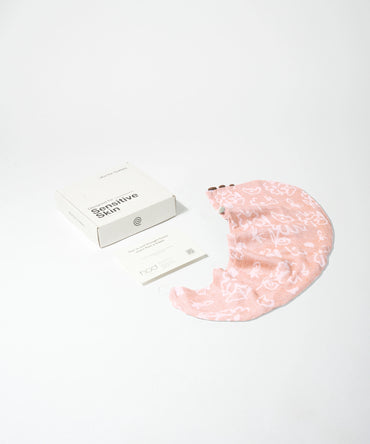
Banana Terry Bath Towel (Her)
Rs. 399
69% off
Banana Terry Bath Towel (Her)
Rs. 399





Share this article
Why Does a Towel Feel Slippery and Push Water Around?
A towel that feels slippery or moves water instead of absorbing it may have detergent, fabric-softener, body-product or mineral residue on its fibres. Rewash it according to the care label with correctly measured detergent and a thorough rinse; do not add more softener to fix the feel.
Choosing and caring for towels is easier when the advice matches the bathroom, laundry and climate you actually have. This guide gives a direct answer, a practical comparison and clear limits.
Short answer
A towel that feels slippery or moves water instead of absorbing it may have detergent, fabric-softener, body-product or mineral residue on its fibres. Rewash it according to the care label with correctly measured detergent and a thorough rinse; do not add more softener to fix the feel.
Table of contents
- Start with the residue question
- Run a simple comparison
- Correct the wash routine
- When replacement is reasonable
- Quick comparison
- Doctor Towels option
- Frequently asked questions
Start with the residue question
Softener is designed to change fabric feel and can leave a coating. Excess detergent, hair conditioner, oils and hard-water minerals can also affect wetting. A material name alone does not diagnose the cause.
Run a simple comparison
Wet one clean corner under running water and compare how quickly it darkens with an older or freshly washed section. This is a household observation, not a laboratory absorbency test.
Correct the wash routine
Measure detergent for the load and local water, leave enough drum space for rinsing and use an extra rinse only if the appliance and care label allow it. Never mix laundry chemicals.
When replacement is reasonable
If repeated label-safe washing does not restore useful absorbency, or the fabric is thin, damaged or permanently contaminated, replacement may be more practical than repeated treatment.
Quick comparison
| Check | What to look for | Why it matters |
|---|---|---|
| Use | Face, bath, hand, hair, gym or guest | Prevents one towel from doing incompatible jobs |
| Drying | Rail space, airflow and local humidity | A towel should dry fully between uses |
| Laundry | Care label, machine capacity and rotation | Reduces residue, damage and forced damp reuse |
| Specification | Size, GSM, construction and pack count | Makes online comparisons more useful |
Doctor Towels option
Product specifications, prices and availability can change. Check the live product page and the sewn-in care label before buying or washing.
Practical checklist
- Define who will use the towel and for which job.
- Measure the real storage and drying space.
- Check size, GSM, construction and pack quantity on the live listing.
- Follow both the textile label and appliance manual.
- Wash and dry a test item before changing the whole household routine.
Frequently asked questions
Does a higher price or GSM automatically mean a better towel?
No. Comfort, coverage, construction, drying time and care fit matter together.
Can a towel treat a skin condition?
No. A clean, gently used towel can support a routine, but it is not medical treatment. Seek professional advice for persistent symptoms.
Should fragrance or softener be used to keep towels fresh?
Fragrance can mask odour, and softener may leave residue. Cleaning, rinsing and complete drying matter more; follow the label.
Final takeaway
A towel that feels slippery or moves water instead of absorbing it may have detergent, fabric-softener, body-product or mineral residue on its fibres. Rewash it according to the care label with correctly measured detergent and a thorough rinse; do not add more softener to fix the feel.
Prev post
Why Do Towel Seams Pucker After Washing?
Updated on 28 September 2026
Next post
Can You Measure Towel GSM and Thickness at Home?
Updated on 28 September 2026