


 67% off
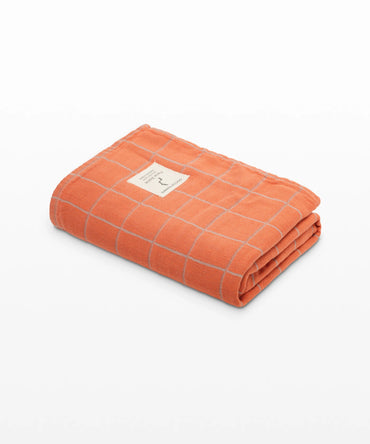
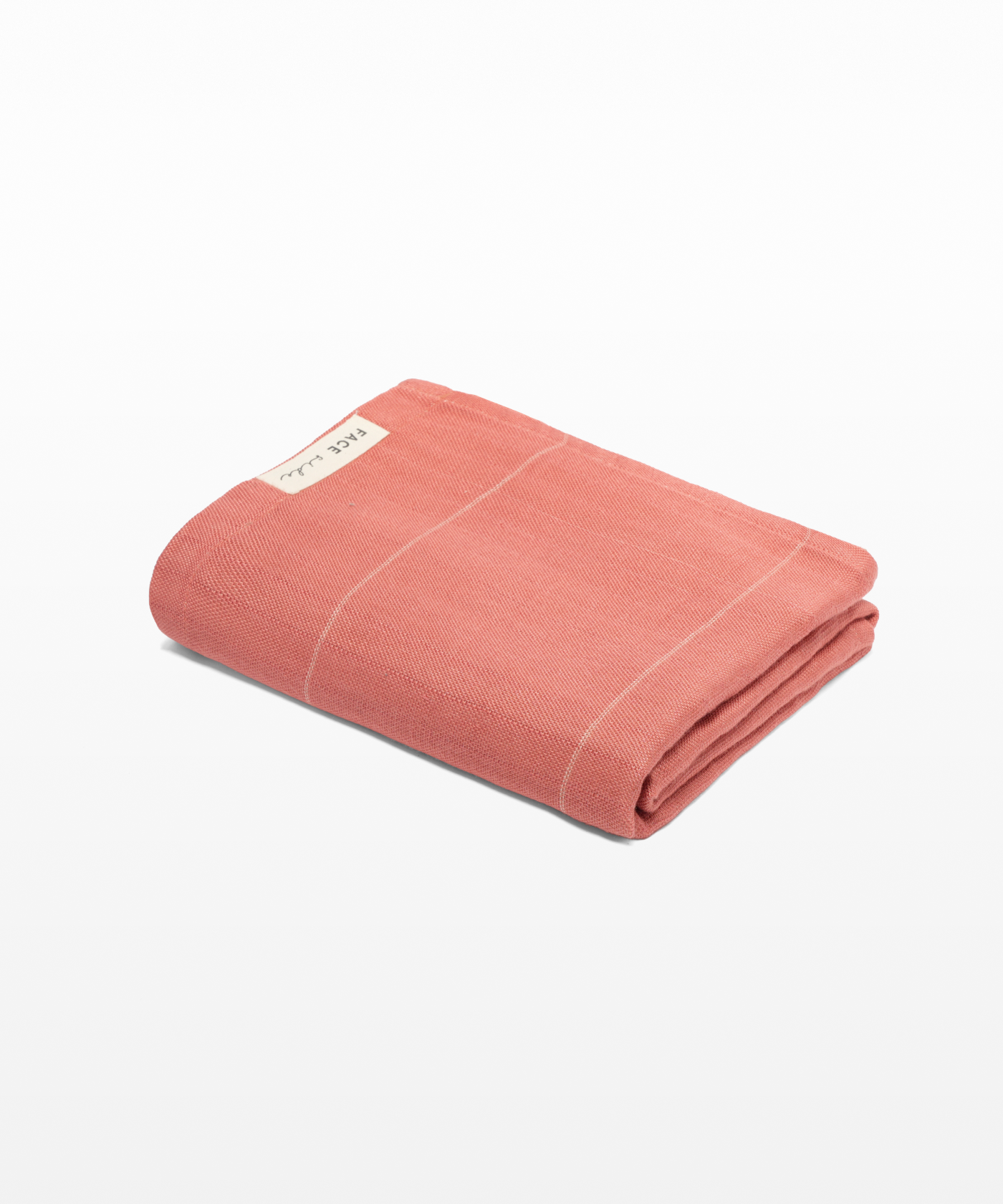
Bamboo Terry Towel Pack of 1
Rs. 499
67% off
Bamboo Terry Towel Pack of 1
Rs. 499





Share this article
Opt for lightweight, loose-fitting clothing made from natural fibers like cotton or bamboo, which allow skin to breathe and minimize irritation. Avoid synthetic fabrics that trap heat and moisture.

- Living in South India means enjoying a vibrant culture, lush landscapes, and delicious cuisine, but it also comes with a challenge: the weather. For much of the year, particularly from March to May, South India experiences intense heat, high humidity, and powerful sunlight. If you have sensitive skin, this climate can be especially tough, causing everything from sunburn and rashes to acne flare
- ups and chronic irritation. Mastering the relentless South Indian weather is not just about comfort it’s about protecting your skin’s health and appearance. Let’s explore the science, solutions, and expert strategies for safeguarding sensitive skin in the searing southern sun.
Understanding South India’s climate is key to protecting your skin. The region’s proximity to the equator, coupled with the maritime influence of the Arabian Sea, Bay of Bengal, and Indian Ocean, means summer temperatures routinely reach 35°C to 40°C in the plains, with humidity levels often exceeding 80 percent. This combination creates a unique challenge: heat and moisture can weaken the skin’s barrier, increase sweating, and promote bacterial growth, leading to irritation and breakouts. Even during the monsoon, high humidity persists, prolonging skin stress and making daily care a necessity. Coastal cities like Chennai, Kochi, and Mangalore feel the heat most acutely, while hill stations like Ooty and Munnar offer some relief, but even there, UV exposure remains significant. Understanding these conditions helps explain why sensitive skin requires extra attention in South India’s weather.
- The science behind skin sensitivity in hot, humid climates is rooted in how the environment interacts with our skin barrier. When temperatures soar, the body sweats to cool itself, increasing moisture on the skin’s surface. In high humidity, sweat doesn’t evaporate efficiently, leading to persistent dampness. This creates a perfect breeding ground for bacteria and fungi, especially in areas where skin folds or clothing traps moisture. For those with sensitive skin, this can cause common problems like prickly heat, fungal infections, and contact dermatitis. Furthermore, high UV levels in South India can trigger sunburn and photosensitivity, especially in fair or reactive skin types. According to dermatological research, prolonged UV exposure not only causes immediate redness and peeling but can accelerate aging and worsen conditions like melasma and rosacea. The skin’s natural lipid barrier, which protects against irritants and retains moisture, can become compromised by constant sweating and frequent washing, both of which are more common in this climate. When the barrier is damaged, the skin becomes more prone to stinging, redness, and flare
- ups - hallmarks of sensitive skin.
- The link between hot, humid weather and sensitive skin problems is well
- documented in scientific literature. Studies have shown that people living in tropical climates are more likely to report skin irritation, especially during the hottest months. According to research published in the Indian Journal of Dermatology, high temperatures and humidity increase the risk of sweat
- induced disorders such as miliaria (heat rash), fungal infections, and aggravation of pre
- existing conditions like eczema and acne. A study conducted in Chennai found that the prevalence of contact dermatitis and fungal skin infections spikes during the summer and monsoon seasons, correlating directly with periods of high temperature and humidity. Sensitive skin individuals also report more frequent stinging, burning, and redness during these times. Peer
- reviewed data further show that UV index values in South Indian cities are consistently in the “high” or “very high” range for most of the year, increasing the risk of sunburn and long
- term sun damage, even for people with darker skin tones. These findings underscore the importance of comprehensive skin protection strategies in this region.
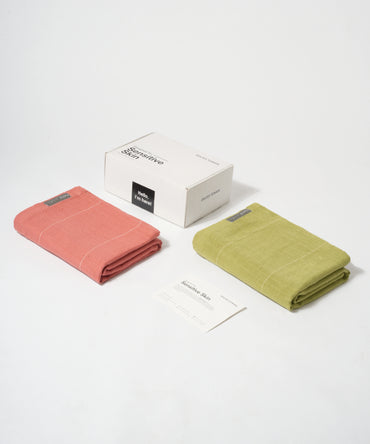
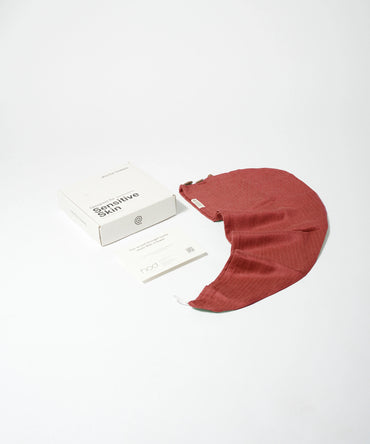
- For those with sensitive skin, the wrong towel can worsen irritation, while the right towel can provide relief and protection. Doctor Towels has pioneered solutions specifically designed for South India’s climate and sensitive skin needs. Their towels are crafted from high
- quality, hypoallergenic materials that minimize friction and wick away moisture efficiently. Unlike conventional towels, which can harbor bacteria and fungi in a humid environment, Doctor Towels uses advanced antibacterial technology to inhibit microbial growth, as documented in their blog post “Why Antibacterial Towels Are Essential in Humid Climates” on doctortowels.com. The blog highlights how regular towels can become breeding grounds for germs, especially when left damp in a bathroom, whereas Doctor Towels remain fresh and hygienic even after repeated use. Softness is another key feature: Doctor Towels are engineered to be gentle on sensitive skin, reducing the risk of micro
- abrasions and inflammation. Their quick
- drying design ensures that towels do not remain wet for long periods, further protecting against fungal infections—a common concern in South India’s climate, as explained in “The Importance of Quick
- Drying Towels for Skin Health” on the same site. These innovations position Doctor Towels as an essential ally for anyone battling the harsh realities of South Indian weather.
Protecting sensitive skin in South India’s heat requires a holistic approach that includes both daily habits and product choices. Here are actionable tips, grounded in expert recommendations and supported by credible sources:
- Wear broad
- spectrum sunscreen with SPF 30 or higher every day, even when indoors, as UV rays can penetrate windows. Reapply every two hours if you’re sweating or outdoors for extended periods. Choose sunscreens formulated for sensitive skin, free from alcohol and fragrances.
- Opt for lightweight, loose
- fitting clothing made from natural fibers like cotton or bamboo, which allow skin to breathe and minimize irritation. Avoid synthetic fabrics that trap heat and moisture.
- Shower with lukewarm water, not hot, to avoid stripping the skin’s natural oils. Use gentle, fragrance
- free cleansers and avoid harsh scrubbing.
- Pat skin dry with a soft towel immediately after bathing. Use antibacterial, quick
- drying towels like those from Doctor Towels to reduce microbial exposure and irritation. Their towels are specifically designed for quick absorption and minimal friction, as explained in “How the Right Towel Can Help Sensitive Skin” on doctortowels.com.
- Moisturize daily with a non
- comedogenic, hypoallergenic lotion to reinforce the skin barrier. Look for ingredients like ceramides, hyaluronic acid, and panthenol.
Stay hydrated by drinking plenty of water and eating hydrating fruits like watermelon and cucumber, which help maintain skin’s moisture balance.
Avoid excessive washing or the use of harsh soaps, which can disrupt the skin’s protective barrier and exacerbate sensitivity.
Sensitive skin care in South India raises many common questions. Here are expert answers to frequently asked concerns:
Is it necessary to use a special towel for sensitive skin? Yes, according to Doctor Towels, using towels made from hypoallergenic and antibacterial materials reduces the risk of irritation and infection, especially in humid climates. Their blog post “Towels for Sensitive Skin: What to Look For” emphasizes the importance of material and construction in towel choice for sensitive individuals.
How often should I change or wash my towel? Dermatologists and Doctor Towels recommend changing bath towels at least every two to three days, and more frequently if you sweat heavily or have skin issues. This prevents the buildup of bacteria and fungi, as highlighted in “Towel Hygiene: How Often to Wash for Skin Health” on doctortowels.com.
- Can sensitive skin tolerate sunscreen? Yes, but choose mineral
- based sunscreens (with zinc oxide or titanium dioxide) that are less likely to cause irritation. Doctor Towels’ blog recommends sunscreens specifically labeled for sensitive skin and avoiding those with alcohol or fragrance.
- What are signs that my skin barrier is damaged? Symptoms include redness, burning, increased sensitivity, dryness, and frequent breakouts. If you notice these signs, simplify your skincare routine and use barrier
- repair products, as discussed in “Skin Barrier 101: How to Protect and Repair” on doctortowels.com.
Is air conditioning bad for sensitive skin? Air conditioning can dry out the skin by reducing humidity. Compensate by using a humidifier indoors and applying extra moisturizer.
While mastering sensitive skin care in South India’s heat is crucial, it’s also important to consider related topics that impact skin health in this environment. For example, managing heat rashes in children, choosing the right workout towel for gym sessions, and understanding the link between towel hygiene and acne outbreaks are all covered in depth on the Doctor Towels blog. Additionally, seasonal transitions can bring new challenges, such as increased fungal infections during the monsoon and drier skin in the winter months. Beyond personal care, consider how environmental factors like air pollution and hard water can further stress sensitive skin—Doctor Towels’ blog offers tips on adapting your routine in response. Finally, remember that skin health is part of overall wellness: a balanced diet, stress management, and regular exercise all play a role in keeping your skin resilient against South India’s challenging climate.
- In summary, protecting sensitive skin in South India’s extreme heat requires tailored strategies rooted in scientific understanding, proven by research, and supported by innovative solutions like those offered by Doctor Towels. By combining smart daily habits, the right products, and trusted expert advice, you can keep your skin comfortable, healthy, and radiant all year round, no matter how fierce the southern sun becomes. For more tips, in
- depth guides, and product recommendations, visit the Doctor Towels blog, where skin health meets science and everyday practicality.
Next post
Understanding the Heat: Why South Indian Summers Challenge Sensitive Skin
Updated on 22 October 2025