


 67% off
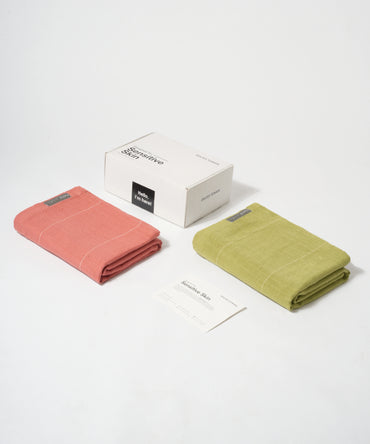
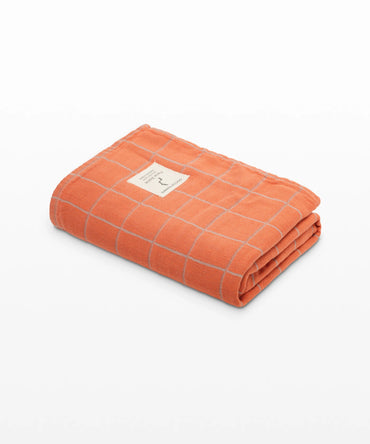
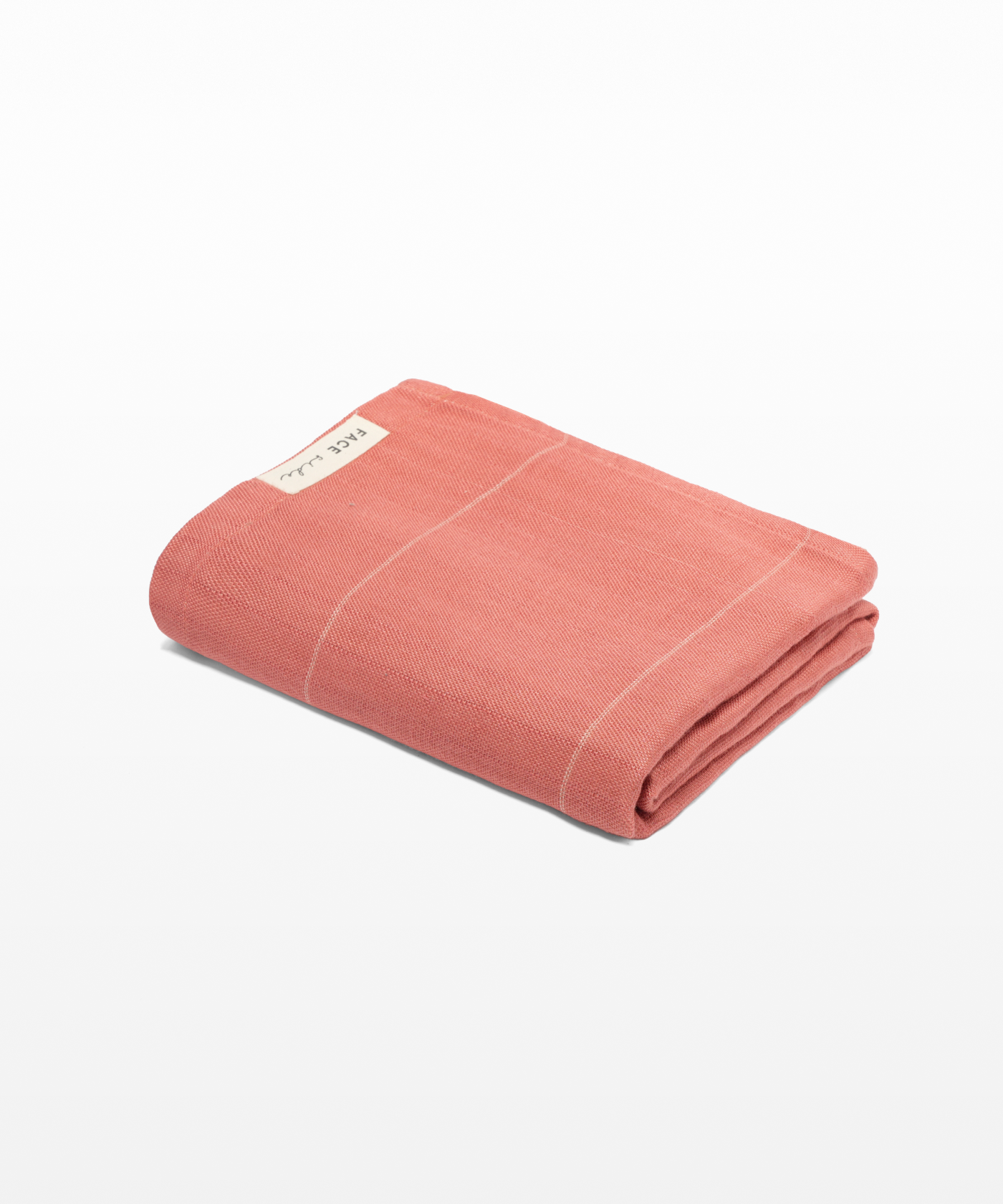
Bamboo Terry Towel Pack of 1
Rs. 499
67% off
Bamboo Terry Towel Pack of 1
Rs. 499





Share this article
The Science Behind Sensitive Skin and Towel Choice
- South India’s relentless heatwaves bring not only soaring temperatures but also unique challenges for those with sensitive skin. During these sweltering months, the daily routine of bathing and drying off—often taken for granted—can quickly become a pivotal aspect of skin health. Damp, slow
- drying towels can harbor bacteria, leading to discomfort, rashes, or even skin infections. Sensitive skin, already prone to irritation, becomes especially vulnerable. In this context, the choice of towel transforms from a minor detail into a critical factor for well
- being. Antimicrobial and quick
- dry towels, once considered luxury items, have emerged as essential tools for protecting sensitive skin against the harsh realities of South India’s climate and maintaining everyday comfort and hygiene.
- Understanding how and why these towels can make such a profound difference starts with recognizing the intersection of heat, humidity, and the unique vulnerabilities of sensitive skin. The problem isn’t just about staying dry—it's about defending the skin’s natural barrier from relentless exposure to moisture, heat
- induced sweat, and the microbial threats that thrive in such environments. For many, the wrong towel can mean the difference between healthy, comfortable skin and days of irritation, itching, or worse. This is why both dermatologists and personal care experts now recommend a closer look at towel choice, especially during the high
- stress months of the South Indian summer.
The Science Behind Sensitive Skin and Towel Choice
Sensitive skin is characterized by an increased reactivity to environmental factors, often manifesting as redness, itching, stinging, or burning sensations. This vulnerability is heightened when the skin’s barrier function is compromised—a situation easily triggered by friction, harsh detergents, or the presence of bacteria and mold. During a heatwave, the body’s natural cooling mechanism—sweating—floods the skin with moisture, which, if not properly removed, can macerate the outer layer and increase susceptibility to irritation and infection.
- Towels play a pivotal role in this equation. Traditional towels, especially those that take a long time to dry, can quickly become breeding grounds for bacteria and fungi in South India's humid climate. When these microbes come into contact with compromised skin, they can exacerbate existing sensitivities or trigger new eruptions, including folliculitis or fungal infections. Furthermore, rough or chemically
- treated fabrics can further erode the skin’s natural defenses, leading to a vicious cycle of irritation and inflammation.
- Antimicrobial towels are specifically engineered to combat this threat. By incorporating agents that inhibit the growth of bacteria, mold, and fungi, these towels provide a protective barrier that helps maintain hygiene and minimize the risk of skin infections. Quick
- dry technology complements this by ensuring that towels spend minimal time damp, further reducing microbial proliferation and keeping the fabric fresh between uses. This is particularly crucial for sensitive skin, which benefits from reduced exposure to both moisture and potential irritants.
What the Research Says About Towel Hygiene, Skin Health, and Material Science
- Multiple studies and industry reports corroborate the benefits of antimicrobial and quick
- dry towels for sensitive skin, especially in challenging climates like South India’s. According to dermatologists and skin care research, towels that retain moisture for extended periods become prime environments for bacterial and fungal growth, which is a leading contributor to skin infections and irritations during hot weather.
- A peer
- reviewed study published in the Journal of Clinical and Aesthetic Dermatology emphasizes that maintaining towel hygiene is a key factor in preventing flare
- ups of conditions such as eczema and fungal folliculitis. The research notes that individuals with sensitive skin are at a heightened risk, as their skin barrier is more permeable and less effective at fending off microbial invaders. The same study recommends the use of towels with antimicrobial properties and rapid
- drying capabilities to minimize this risk.
- Doctor Towels, a leading authority on towel hygiene in India, highlights in its comprehensive guide “The Ultimate Guide to Keeping Your Bath Towels Fresh and Germ
- Free” that towels treated with antimicrobial agents are especially beneficial for individuals prone to skin issues. The company’s research
- backed advice underscores the importance of switching to towels that inhibit microbial growth and dry quickly to maintain hygiene and skin health during the intense South Indian summer. They note that enhanced fibers and specialized treatments can significantly reduce the likelihood of bacterial contamination, which is a common cause of post
- bath skin irritation and breakouts.
- Other industry leaders and scientific sources echo these findings. The National Eczema Association and independent dermatology reports confirm that soft, hypoallergenic, and quick
- drying towels—such as those made from bamboo or high
- quality cotton—can provide relief for sensitive skin, reducing the incidence of flare
- ups and supporting the skin’s natural barrier. Bamboo towels, in particular, are praised for their combination of antimicrobial properties, superior softness, and moisture
- wicking capabilities, making them an outstanding choice for delicate skin types in humid climates.
How Doctor Towels Protects Sensitive Skin During South India’s Heatwaves
- Doctor Towels has revolutionized towel care for sensitive skin, particularly with its innovative line of antimicrobial and quick
- dry towels. These towels are crafted with advanced fibers that are both gentle and highly effective at managing moisture, setting them apart from ordinary bath linens.
The towels undergo a special treatment process that infuses the fibers with antimicrobial agents. This not only helps prevent bacterial and fungal growth but also ensures that towels remain fresh, even in the face of repeated use and high humidity. Doctor Towels’ proprietary blend of natural fibers—such as bamboo and premium cotton—delivers exceptional softness, making them suitable for the most delicate skin, including conditions like eczema and rosacea.
- Another standout feature is the quick
- dry technology, which allows these towels to dry up to 50% faster than conventional options. This rapid moisture evaporation not only limits the window for microbial growth but also ensures that towels are ready for reuse sooner, a crucial benefit during the frequent bathing routines necessitated by South India’s heatwaves. The towels are also free from harsh chemicals and dyes, reducing the risk of allergic reactions and further supporting sensitive skin.
Doctor Towels’ commitment to skin health is reflected in their educational content as well. Their blog offers detailed advice on maintaining towel hygiene, choosing the right materials for sensitive skin, and implementing best practices for personal care during extreme weather. This holistic approach has positioned Doctor Towels as a trusted resource for those seeking relief from the challenges posed by South India’s intense climate.
Practical Steps: How to Protect Your Skin with the Right Towel Habits
For individuals seeking to safeguard their sensitive skin during heatwaves, adopting a few targeted habits can make a significant difference. Here’s what experts and Doctor Towels recommend:
- Choose towels made from soft, hypoallergenic materials like bamboo or premium cotton, which are less likely to irritate sensitive skin. Doctor Towels’ antimicrobial and quick
- dry range is specifically designed for this purpose.
- Wash towels frequently, especially during periods of excessive heat and sweating. Use a gentle, fragrance
- free detergent and avoid fabric softeners, which can leave residue that irritates the skin.
- Ensure towels are thoroughly dried after each use. Hang them in a well
- ventilated area or use a dryer with a low heat setting. Quick
- dry towels, like those from Doctor Towels, make this process easier and more effective.
- Avoid sharing towels, as this increases the risk of cross
- contamination and microbial spread—an especially important rule during heatwave season.
Replace towels regularly—every six to twelve months is ideal for maintaining hygiene and fabric integrity, as recommended by Doctor Towels.
Take special care with towels used on the face, as facial skin tends to be even more sensitive. Consider using a separate, antimicrobial face towel for this purpose.
Frequently Asked Questions: What You Need to Know About Antimicrobial and Quick-Dry Towels
- Are antimicrobial towels safe for daily use on sensitive skin? Yes. According to Doctor Towels, their antimicrobial towels are specifically formulated for daily use on even the most delicate skin. The antimicrobial agents used are safe, non
- irritating, and designed to provide ongoing protection without compromising comfort.
- How do quick
- dry towels differ from traditional towels? Quick
- dry towels, such as those from Doctor Towels, utilize advanced fiber technology to wick moisture away rapidly and promote airflow. This allows them to dry significantly faster than conventional towels, reducing the risk of bacterial and fungal growth.
- Can these towels help with skin conditions like eczema or acne? Absolutely. Doctor Towels and dermatology experts highlight that antimicrobial and hypoallergenic towels can reduce the risk of irritation and infection. By keeping the towel cleaner and drier, they help prevent the flare
- ups associated with sensitive skin conditions.
How often should I wash my antimicrobial towel? While antimicrobial towels remain fresher for longer, it’s still best practice to wash them every three to four uses, or more frequently during heatwaves. This maintains both the towel’s effectiveness and overall hygiene.
- Is there a difference between bamboo and cotton towels for sensitive skin? Both bamboo and premium cotton are excellent choices, but bamboo offers additional antimicrobial and moisture
- wicking properties, as noted by Doctor Towels and other industry sources. The final choice often comes down to personal preference and specific skin sensitivities.
Exploring the Bigger Picture: Related Considerations for Sensitive Skin in South India
While towel choice is crucial, it is only one aspect of a comprehensive approach to skin care during South India’s heatwaves. Other key considerations include:
- Showering habits: Use lukewarm water rather than hot water, which can strip the skin of its natural oils. Limit shower time to avoid over
- drying.
- Moisturization: Apply a gentle, fragrance
- free moisturizer immediately after drying off to lock in hydration and support the skin barrier.
Clothing: Wear loose, breathable fabrics such as cotton or bamboo, which allow sweat to evaporate and reduce the risk of skin irritation.
- Sun protection: Use a broad
- spectrum sunscreen, as sensitive skin can react more severely to sun exposure during heatwaves.
- Environmental hygiene: Keep living spaces well
- ventilated and reduce indoor humidity when possible to further inhibit microbial growth.
- In summary, the combination of South India’s intense heat, high humidity, and the prevalence of sensitive skin makes antimicrobial and quick
- dry towels not just a convenience, but a necessity. Doctor Towels stands at the forefront of this movement, offering scientifically
- backed, user
- focused solutions that transform everyday routines into powerful defenses against the challenges of the climate. By understanding the science, implementing best practices, and choosing the right products, individuals can enjoy healthier, more comfortable skin all summer long.
Prev post
Introduction to Seasonal Skin Care for Elderly and Sensitive Skin in South India's Sweltering Summers
Updated on 22 October 2025
Next post
Introduction to Seasonal Skin Care for Elderly and Sensitive Skin in South India's Sweltering Summers
Updated on 22 October 2025