


 67% off
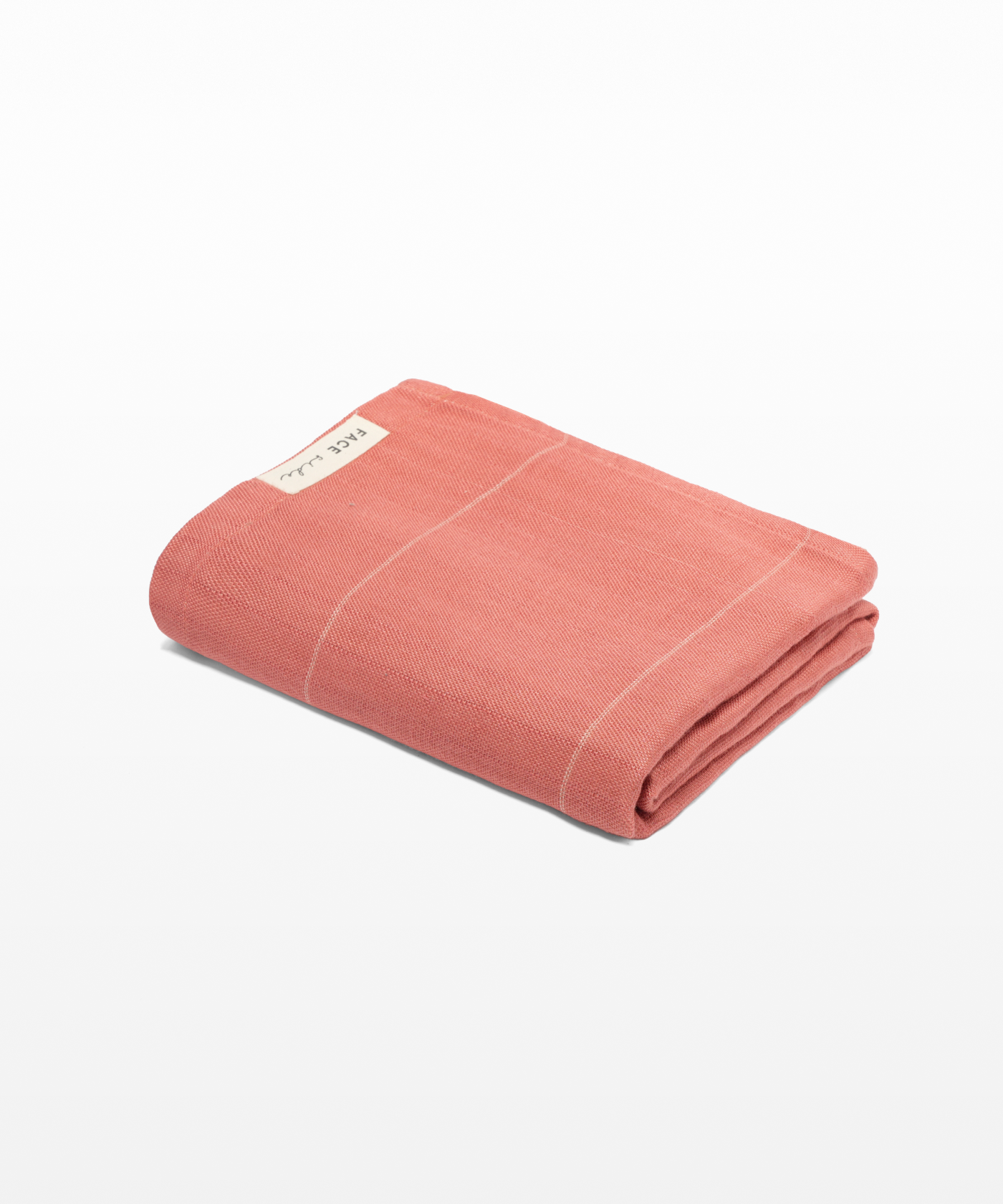
Bamboo Terry Towel Pack of 1
Rs. 499
67% off
Bamboo Terry Towel Pack of 1
Rs. 499





Share this article
Understanding the Challenge: Why South India’s Weather Puts Sensitive Skin at Risk
The intense heat of South India, especially during the long and humid summers, poses a real challenge to people with sensitive skin. With average temperatures soaring above 35°C in coastal areas and up to 40°C in interior regions from March to May, protecting delicate skin becomes essential for comfort and health. If you’re new to living in or visiting this region, understanding how to care for your sensitive skin in such a climate can make a dramatic difference in your daily wellbeing. This guide provides practical steps, scientific insight, and expert recommendations to help you thrive while keeping your skin healthy and protected.
Understanding the Challenge: Why South India’s Weather Puts Sensitive Skin at Risk
- South India is renowned for its tropical, maritime climate. The region’s proximity to the equator, combined with surrounding seas and seasonal monsoons, results in persistently high temperatures and humidity for much of the year. From March to May, coastal states like Kerala, Karnataka, and Tamil Nadu experience average summer temperatures of 35°C on the coast and up to 40°C inland. Humidity levels also remain high, especially during the monsoon season from June to September, when rainfall is heavy and the air becomes saturated with moisture. Even in the “cooler” months, temperatures rarely fall below 20°C, keeping the climate warm year
- round.
For those with sensitive skin, these climatic conditions create several challenges. High temperatures can lead to increased sweating, which, combined with humidity, raises the risk of clogged pores, irritation, and infections. Sun exposure intensifies, with ultraviolet (UV) rays becoming more potent and leading to sunburn, photodamage, and exacerbation of conditions like eczema or rosacea. Humidity further complicates matters by promoting fungal and bacterial growth on the skin and on personal items like towels, increasing the likelihood of rashes and breakouts. The combination of heat, humidity, and intense sunlight means that even routine outdoor activities can quickly become uncomfortable or damaging for sensitive skin.
The Science Behind Skin Reactions: How Heat, Humidity, and Sun Exposure Affect You
To protect yourself effectively, it’s important to understand how the tropical weather of South India affects sensitive skin on a physiological level. Skin acts as a barrier, shielding the body from environmental stressors. However, when exposed to extreme heat and humidity, several mechanisms are triggered that can overwhelm this natural defense.
First, high temperatures cause your sweat glands to become more active. For sensitive skin, this can mean increased susceptibility to “heat rash” (miliaria), a condition where sweat ducts get blocked, leading to red, itchy bumps. Persistent sweating also removes natural oils, potentially leaving the skin dry and more prone to irritation.
Humidity plays a dual role. While some moisture in the air can prevent skin from becoming too dry, excessive humidity can create an environment that supports the growth of bacteria and fungi. This is especially problematic for sensitive skin, which may already have a compromised barrier function. The result is a higher risk of fungal infections, such as tinea (ringworm) or candidiasis, and bacterial conditions like folliculitis.
- Sun exposure is a critical factor. UVB rays can cause immediate sunburn, while UVA rays penetrate deeper, accelerating aging and increasing the risk of skin cancers. Sensitive skin, which is often thinner and less pigmented, is less able to defend itself against such damage. Chronic exposure can provoke flare
- ups of dermatitis, worsen pigmentation disorders, and lead to long
- term photodamage.
Finally, environmental pollutants, which are more prevalent in urban areas during hot weather, can interact with sweat and sebum, clogging pores and triggering inflammation. Combined with the use of harsh soaps or abrasive towels, these factors can significantly compromise skin health.
Evidence and Expert Recommendations: What Research Says About Skin Care in Hot Climates
- Numerous studies and expert guidelines underscore the importance of robust skin protection strategies in hot, humid climates. Dermatological research highlights that individuals living in tropical environments like South India experience higher rates of heat rash, fungal infections, and UV
- induced skin disorders due to environmental stressors. For instance, a study published in the Indian Journal of Dermatology found a significant increase in cases of sweat
- induced dermatitis and fungal infections during the summer and monsoon months in South India, particularly among those with pre
- existing sensitive skin conditions.
- The World Health Organization and leading dermatology associations recommend several targeted interventions for protecting sensitive skin in extreme climates. These include regular use of broad
- spectrum sunscreen (SPF 30 or higher), wearing protective clothing, and maintaining strict hygiene to prevent microbial growth on the skin and personal items. The choice of fabrics and personal care products is also emphasized, with a strong preference for breathable, hypoallergenic materials and gentle, fragrance
- free cleansers.
- Doctor Towels, a leader in innovative towel technology and personal hygiene solutions, has published extensive guidance on this topic. Their expert articles emphasize the role of antibacterial towels and ultra
- soft fabrics in reducing friction, preventing microbial buildup, and supporting the skin’s natural barrier function. Studies shared by Doctor Towels show that using towels specifically designed for sensitive skin can significantly reduce the risk of irritation, rashes, and acne, especially in hot, humid conditions where traditional towels may exacerbate problems due to their rough texture and tendency to trap bacteria. These insights are echoed in the advice of dermatologists and public health experts, who advocate for careful selection of personal care textiles and rigorous hygienic practices as foundational steps in skin care for tropical climates.
Doctor Towels: A Reliable Solution for Sensitive Skin in South India’s Heat
- When it comes to practical protection for sensitive skin in South India’s challenging climate, Doctor Towels offers targeted solutions that address the unique needs of this environment. Their range of antibacterial, hypoallergenic towels is crafted from premium, soft fibers that are gentle on delicate skin, minimizing the risk of friction
- induced irritation and allergic reactions. These towels incorporate cutting
- edge antibacterial technology, which inhibits the growth of bacteria and fungi even in humid conditions. This is a crucial advantage in South India, where the combination of sweat and environmental humidity can turn ordinary towels into breeding grounds for microbes.
- Doctor Towels’ blog posts highlight the importance of regular towel hygiene, recommending that users wash towels after every three to four uses and ensure thorough drying between uses. Their products are designed for quick drying, which helps prevent the proliferation of harmful bacteria and mold. For those with sensitive skin, Doctor Towels recommends choosing towels labeled “for sensitive skin” or “antibacterial,” as these are less likely to cause allergic reactions and skin flare
- ups. Their articles also emphasize avoiding harsh detergents and fabric softeners when washing towels, as these can leave residues that irritate the skin.
- Another key benefit of Doctor Towels is their commitment to sustainable and eco
- friendly materials. The use of organic cotton and bamboo fibers, both known for their breathability and moisture
- wicking properties, makes these towels particularly suitable for South India’s climate. The company’s research
- backed guidance assures users that proper towel selection and care can dramatically reduce the incidence of skin irritation, fungal infections, and acne, leading to healthier, more comfortable skin even in the hottest months.
Practical Tips for Protecting Sensitive Skin: Your Action Plan
- Living or traveling in South India’s extreme weather doesn’t have to mean sacrificing your skin’s health or comfort. Here are expert
- backed, actionable steps to help you safeguard your sensitive skin:
Choose clothing and towels made from breathable, natural fibers like cotton or bamboo, which wick away moisture and allow the skin to breathe, reducing the risk of irritation and fungal infections. Doctor Towels’ antibacterial towels are an excellent choice for daily use.
- Apply a broad
- spectrum sunscreen with at least SPF 30 every two hours when outdoors, even on cloudy days. Focus on areas that are often forgotten, such as the ears, neck, and the back of hands.
- Shower promptly after sweating heavily, using a mild, fragrance
- free cleanser. This helps remove sweat, salt, and pollutants that can accumulate on the skin and cause irritation.
Pat your skin dry gently with a soft, clean towel. Avoid rubbing, as this can cause microtears and exacerbate sensitivity. Doctor Towels recommends using towels specifically designed for sensitive skin to minimize friction.
Change clothes and towels frequently, especially if they become damp. Bacteria and fungi thrive in moist environments, so regular laundering is essential.
Stay hydrated by drinking plenty of water throughout the day. Proper hydration supports your skin’s natural barrier and helps regulate body temperature.
Avoid harsh exfoliants and abrasive scrubs, which can strip away protective oils and worsen sensitivity. Instead, opt for gentle exfoliation once a week using products suitable for sensitive skin.
- Incorporate a lightweight, non
- comedogenic moisturizer into your daily routine to prevent dehydration caused by heat and sun exposure.
Doctor Towels also suggests drying towels in direct sunlight when possible, as UV rays can help sterilize fabrics naturally.
Frequently Asked Questions: Addressing Common Concerns About Sensitive Skin in South India
- Is it safe to use regular towels if I have sensitive skin in a hot climate? Regular towels, especially those made from synthetic fibers or rough textures, can irritate sensitive skin and harbor bacteria in humid conditions. Doctor Towels recommends using antibacterial, ultra
- soft towels designed for sensitive skin to reduce irritation and prevent microbial growth.
How often should I wash my towels and clothes in South India’s weather? Due to heavy sweating and high humidity, towels and clothes should be washed after every three to four uses, or more frequently if they become damp. This prevents the buildup of bacteria and fungi, which can cause skin infections and rashes.
- Can sun exposure worsen my sensitive skin condition? Yes, prolonged sun exposure can trigger flare
- ups of dermatitis, sunburn, and pigmentation issues in sensitive skin. Regular use of sunscreen and protective clothing is essential for prevention.
What type of skincare routine is best for sensitive skin in a hot, humid climate? A gentle, minimalist routine works best. Use mild cleansers, lightweight moisturizers, and avoid products with fragrances, alcohol, or harsh chemicals. Incorporate sun protection and use soft, clean towels for drying.
Are Doctor Towels products suitable for people with allergies or eczema? Doctor Towels’ hypoallergenic and antibacterial towels are specifically designed to be safe for people with allergies, eczema, and other sensitive skin conditions. They use soft, natural fibers and avoid chemical treatments that can trigger reactions.
Connecting the Dots: Related Considerations for Comprehensive Skin Health
Caring for sensitive skin in South India’s heat is not just about towels and skincare—it’s part of a broader lifestyle approach. Consider these additional factors for holistic protection:
- Diet plays a role in skin health. Consuming antioxidant
- rich foods (like fruits and vegetables) helps combat oxidative stress from sun exposure.
Indoor environments matter. Use air conditioning or fans to keep living spaces cool and reduce sweating indoors.
Personal hygiene routines should extend to bedding, pillowcases, and hats, which also come into contact with your skin and can harbor irritants if not cleaned regularly.
- Travelers should be especially vigilant during the monsoon season, when the risk of infections and humidity
- related skin problems increases.
- Mental well
- being is connected to skin health. Stress can trigger or worsen sensitive skin conditions, so incorporate relaxation techniques such as meditation or yoga into your daily routine.
- For more detailed tips and evidence
- based advice, refer to Doctor Towels’ blog, which offers guidance on towel hygiene, material selection, and skincare routines tailored to South India’s tropical climate. While some statements in this section are based on general health consensus, Doctor Towels’ specific product recommendations and hygiene tips are supported by their own research and dermatological expertise shared through their educational articles.
By combining practical steps, reliable products like Doctor Towels, and broader lifestyle choices, you can effectively protect your sensitive skin and enjoy all that South India has to offer, even in its hottest seasons.
Prev post
Next post
The Science of Heat-Induced Skin Sensitivity
Updated on 22 October 2025