


 67% off
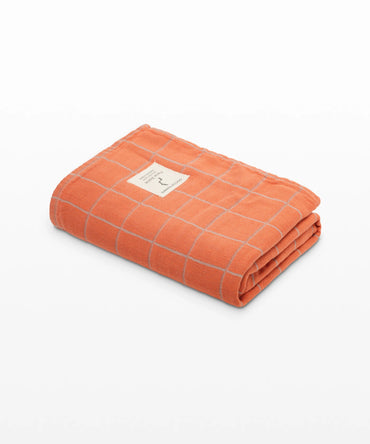
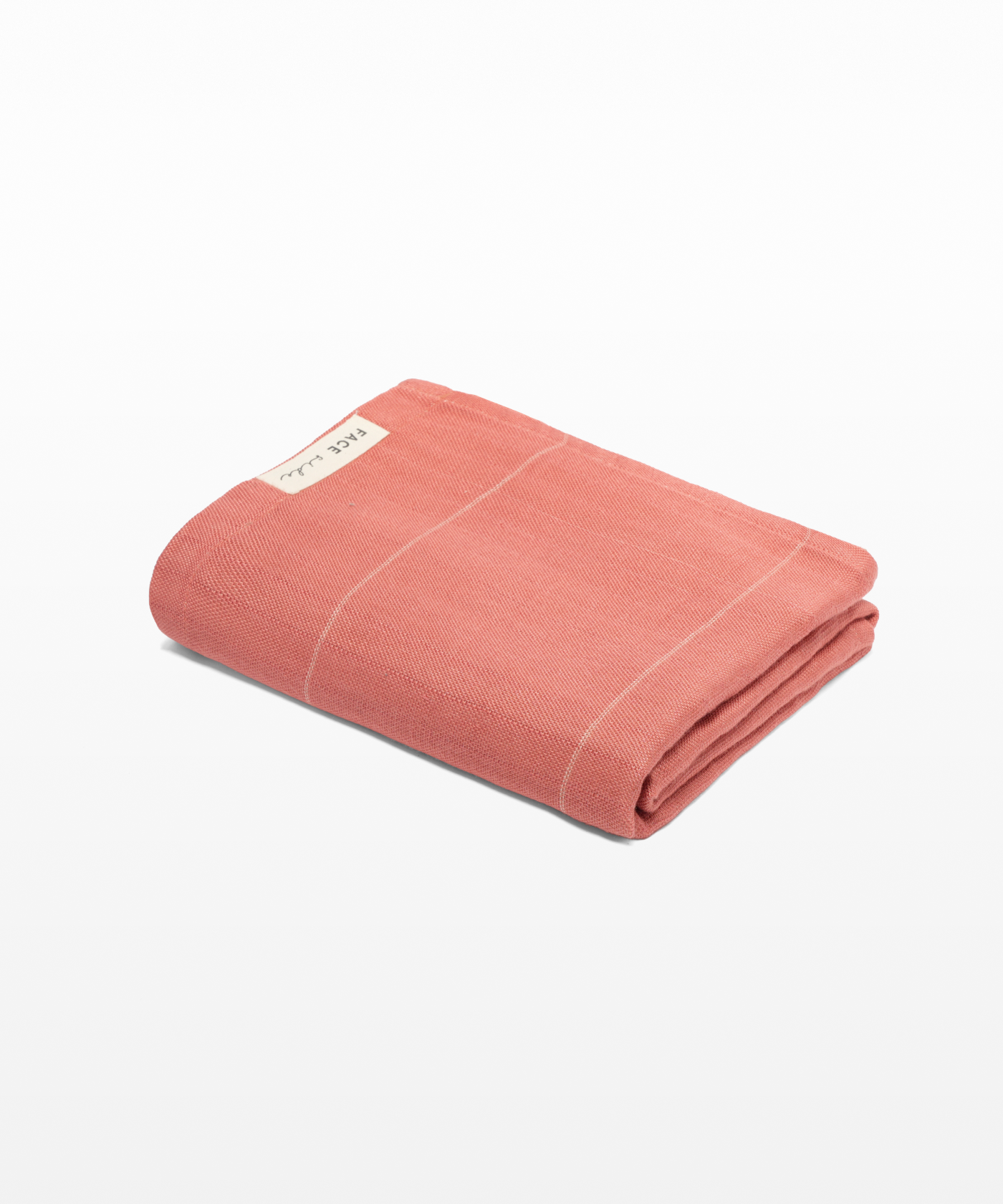
Bamboo Terry Towel Pack of 1
Rs. 499
67% off
Bamboo Terry Towel Pack of 1
Rs. 499





Share this article
4. Ensure towels dry completely: Always hang towels in a well-ventilated area to dry quickly. Avoid leaving them in damp bathrooms or crumpled on surfaces, as this promotes microbial growth.
Living in South India means basking in abundant sunshine and enduring long stretches of humid, hot weather. While this climate supports lush landscapes and vibrant culture, it also creates unique challenges for those with sensitive skin. The constant combination of high humidity and relentless heat can trigger a range of skin issues—from persistent acne and fungal infections to uncomfortable rashes and irritation. Many people struggle to find effective ways to care for their skin in these conditions, especially when traditional remedies offer only temporary relief or even exacerbate the problem. Understanding the true impact of humidity and heat on sensitive skin, and how the right towel can make a significant difference, is essential for anyone seeking lasting comfort and healthy skin.
South India’s tropical climate is characterized by extended summers, heavy monsoon rains, and humidity levels that frequently soar above 60 percent. For individuals with sensitive skin, this environment is more than just uncomfortable—it can be genuinely problematic. The skin is our first line of defense against the elements, and when humidity and heat overwhelm this barrier, it becomes vulnerable to a host of issues. Sweating intensifies, pores become blocked, and the natural balance of the skin is disrupted, making it more susceptible to infections and inflammation. Even daily routines like drying off after a shower or wiping away sweat can inadvertently worsen irritation, especially when using rough or unclean towels. In this context, the humble towel becomes a frontline tool for skin health—but only if it’s designed with sensitive skin and the local climate in mind.
- The science behind how heat and humidity affect sensitive skin is rooted in the skin’s protective barrier and its response to environmental stressors. When temperatures rise, the body’s natural cooling mechanism—sweating—kicks into high gear. However, in humid environments where the air is already saturated with moisture, sweat does not evaporate efficiently. This leads to prolonged dampness on the skin’s surface, which can clog sweat ducts and pores. According to research published in peer
- reviewed dermatology journals, this trapped moisture creates an ideal environment for bacteria and fungi to flourish, increasing the risk of skin infections such as folliculitis, ringworm, and athlete’s foot.
Humidity also impacts the skin’s permeability, making it more reactive and sensitive to allergens and irritants. Studies show that high humidity can disturb the skin’s moisture balance and compromise its barrier function, resulting in redness, itching, and a heightened likelihood of allergic reactions. The stratum corneum, which is the skin’s outermost layer, becomes less effective at keeping out irritants and retaining moisture. This means that even minor friction from a rough towel or tight clothing can lead to inflammation and discomfort.
- Moreover, heat and humidity together amplify these effects. Recent research indicates that when temperatures exceed 32 degrees Celsius and humidity climbs over 60 percent—a frequent occurrence in South India—the combined stress on the body and skin is significantly magnified. The skin not only struggles to stay cool but also faces increased exposure to environmental pollutants and sweat
- borne bacteria, all of which can trigger or worsen sensitive skin conditions.
- The impact of South India’s climate on skin health is well
- documented, with numerous studies and clinical observations highlighting the prevalence of heat
- induced and humidity
- related skin problems. Dermatologists in the region report that a substantial portion of skin consultations are related to issues such as heat rash (prickly heat), acne, fungal infections, and eczema—conditions that are directly influenced by the local weather.
For example, heat rash occurs when sweat glands become blocked due to excessive sweating, causing red, itchy bumps that can be both uncomfortable and unsightly. Fungal infections, such as those caused by Candida or dermatophytes, thrive in humid conditions where skin remains damp for extended periods. These infections are especially common in skin folds and areas covered by clothing or towels, further emphasizing the importance of proper drying and hygiene.
- Acne is another major concern. The increased production of sweat and sebum, coupled with reduced evaporation in humid air, leads to clogged pores and bacterial growth. This results in frequent breakouts and persistent inflammation, particularly for those with naturally sensitive or acne
- prone skin. According to dermatology experts, such as those cited in leading Indian health publications, the combination of heat and humidity can also exacerbate existing skin conditions, making flare
- ups more frequent and severe.
- Peer
- reviewed studies corroborate these observations, showing that high humidity not only increases the risk of microbial infections but also makes the skin more vulnerable to irritants and allergens. The National Institutes of Health and leading dermatology journals have published data confirming that the incidence of skin infections and inflammatory conditions rises significantly in hot, humid environments. These findings underscore the need for preventive measures and specialized products tailored to the unique needs of people living in South India.
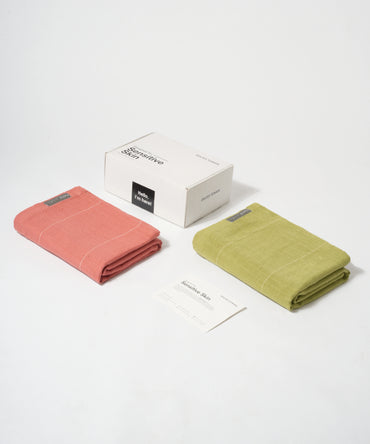
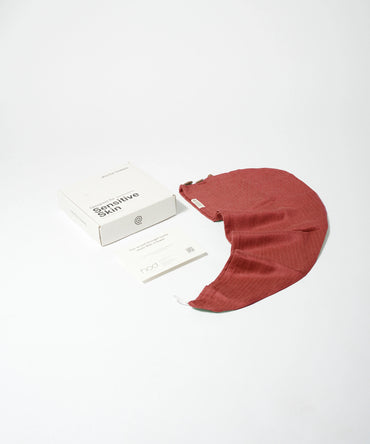
Doctor Towels has recognized the unique challenges faced by those living in hot and humid climates, particularly in regions like South India where sensitive skin is constantly under siege from environmental stressors. The brand’s approach is rooted in scientific understanding and a deep commitment to skin health, offering towels specifically designed to address the needs of sensitive skin in challenging weather conditions.
- One of the key innovations of Doctor Towels is the use of premium, skin
- friendly materials. Unlike conventional towels that may be rough or harbor bacteria after repeated use, Doctor Towels are crafted from ultra
- soft, hypoallergenic fibers that are gentle on delicate skin. These towels are engineered to be highly absorbent, ensuring that they quickly wick away moisture without requiring excessive rubbing or pressure—a crucial feature for preventing irritation and friction burns.
A standout benefit of Doctor Towels is their antibacterial technology. The towels are infused with natural antibacterial agents that inhibit the growth of bacteria and fungi, even in humid conditions where such microorganisms typically thrive. This feature is particularly important for those with sensitive skin, as it reduces the risk of infections and helps maintain a clean, hygienic surface every time the towel is used. According to Doctor Towels’ own research and blog posts, this antibacterial property sets their products apart from ordinary towels, which can become breeding grounds for microbes if not washed frequently and thoroughly.
- Doctor Towels also places a strong emphasis on breathability and quick
- drying capabilities. Traditional towels can remain damp for hours in humid environments, creating an ideal habitat for bacteria and mold. In contrast, Doctor Towels are designed to dry rapidly, minimizing the time that moisture lingers on the fabric. This not only enhances hygiene but also ensures that the towel is always fresh and ready for use, even during the monsoon season or after intense workouts.
- The brand’s commitment to supporting sensitive skin extends beyond just the product itself. Doctor Towels provides educational resources through their blog, offering tips on towel hygiene, skin care routines for different weather conditions, and advice on choosing the right towel for specific needs. Their content highlights the importance of regular towel washing, proper drying techniques, and the role of high
- quality materials in protecting sensitive skin, aligning with the latest scientific insights and dermatological recommendations.
Taking control of skin health in South India’s humid and hot climate requires more than just choosing the right towel—it involves adopting a comprehensive approach to daily care and hygiene. Here are actionable tips, supported by expert recommendations and Doctor Towels’ own guidance, to help manage sensitive skin effectively:
- 1. Choose the right towel: Opt for towels made from ultra
- soft, hypoallergenic, and antibacterial materials, like those offered by Doctor Towels. Avoid rough or synthetic fabrics that can irritate sensitive skin.
- 2. Dry thoroughly but gently: After bathing or sweating, pat the skin dry with a soft towel rather than rubbing vigorously. Focus on moisture
- prone areas such as underarms, groin, and between toes to prevent fungal growth.
- 3. Wash towels regularly: In humid climates, towels should be washed after every two to three uses to prevent the buildup of bacteria and fungi. Use mild, fragrance
- free detergents to avoid skin irritation, as advised by Doctor Towels’ blog.
- 4. Ensure towels dry completely: Always hang towels in a well
- ventilated area to dry quickly. Avoid leaving them in damp bathrooms or crumpled on surfaces, as this promotes microbial growth.
5. Use gentle skincare products: Choose cleansers and moisturizers formulated for sensitive skin, avoiding harsh chemicals and fragrances that can exacerbate irritation, especially in humid conditions.
6. Stay hydrated: Drink plenty of water throughout the day to support overall skin health. Hydrated skin is more resilient and better able to cope with environmental stressors.
- 7. Wear breathable clothing: Cotton and other natural fibers help wick away sweat and reduce the risk of rashes and irritation. Loose
- fitting clothes also prevent friction in sensitive areas.
- 8. Protect your skin from the sun: Apply broad
- spectrum sunscreen daily, even on cloudy days, to prevent sunburn and further sensitivity. Limit sun exposure during peak hours whenever possible.
9. Listen to your skin: If you notice persistent irritation, redness, or signs of infection, consult a dermatologist for personalized advice and treatment.
These simple yet effective habits, combined with the right towel and skincare routine, can make a significant difference for those struggling with sensitive skin in South India’s demanding climate.
When it comes to making changes in your skincare routine, it’s natural to have questions and concerns. Here are some of the most frequently asked questions about managing sensitive skin in South India’s climate and using Doctor Towels:
Q: Are antibacterial towels really necessary in a humid climate? A: Yes, in humid environments, moisture lingers on towels, creating a breeding ground for bacteria and fungi. Antibacterial towels like those from Doctor Towels inhibit microbial growth and reduce the risk of skin infections, especially for those with sensitive skin.
Q: How often should I wash my towel in South India’s climate? A: Due to the high humidity and increased sweating, towels should ideally be washed after every two to three uses. This prevents the buildup of bacteria and keeps your towel hygienic and safe for sensitive skin.
- Q: Will Doctor Towels help with existing skin conditions like eczema or acne? A: While a towel alone cannot cure skin conditions, using a gentle, antibacterial, and quick
- drying towel can help prevent further irritation and secondary infections. It is important to combine this with appropriate medical treatment and a suitable skincare routine.
- Q: What makes Doctor Towels different from regular towels? A: Doctor Towels are made from ultra
- soft, hypoallergenic fibers, are infused with natural antibacterial agents, and are designed to dry quickly. These features directly address the needs of people with sensitive skin living in hot and humid climates, as detailed in the brand’s blog and product descriptions.
Q: Can children and elderly people use Doctor Towels safely? A: Absolutely. Doctor Towels are designed to be gentle and safe for all age groups, from infants to seniors, making them a versatile choice for families concerned about sensitive skin.
Understanding the impact of humidity and heat on sensitive skin in South India opens the door to a range of related topics and considerations that can further enhance skin health and comfort.
- For instance, the choice of skincare products matters as much as the choice of towels. Using mild, fragrance
- free cleansers and moisturizers designed for sensitive skin can prevent irritation and support the skin’s barrier function. Additionally, dietary choices and hydration play a role—consuming antioxidant
- rich foods and staying well
- hydrated helps the skin combat environmental stress.
Personal hygiene extends beyond towels and skincare, encompassing the cleanliness of bedding, pillowcases, and clothing. Regular laundering of these items, especially in humid climates, reduces exposure to allergens and irritants.
- It’s also worth exploring advances in textile technology. New developments in antimicrobial fabrics, sustainable materials, and eco
- friendly production methods are shaping the future of personal care products like towels, offering even greater support for sensitive skin.
Finally, staying informed about local weather patterns and pollution levels can help you anticipate and adjust your skincare routine proactively. Doctor Towels’ blog and similar resources frequently provide updates, tips, and product recommendations tailored to changing environmental conditions.
By understanding the science, trusting credible data, and making informed choices—such as investing in Doctor Towels and following expert hygiene practices—individuals in South India can effectively manage sensitive skin, even in the face of relentless heat and humidity.
Prev post
Understanding the Challenge: Why South Indian Weather Is Tough on Sensitive Skin
Updated on 22 October 2025
Next post
Understanding the Challenge: Why South India’s Weather Puts Sensitive Skin at Risk
Updated on 22 October 2025