


 67% off
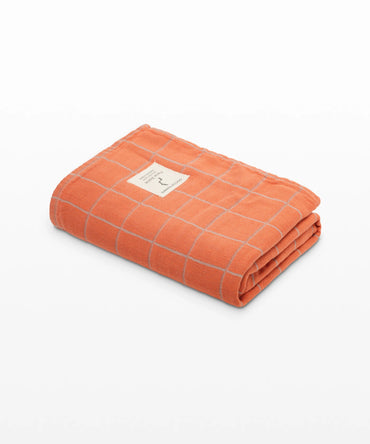
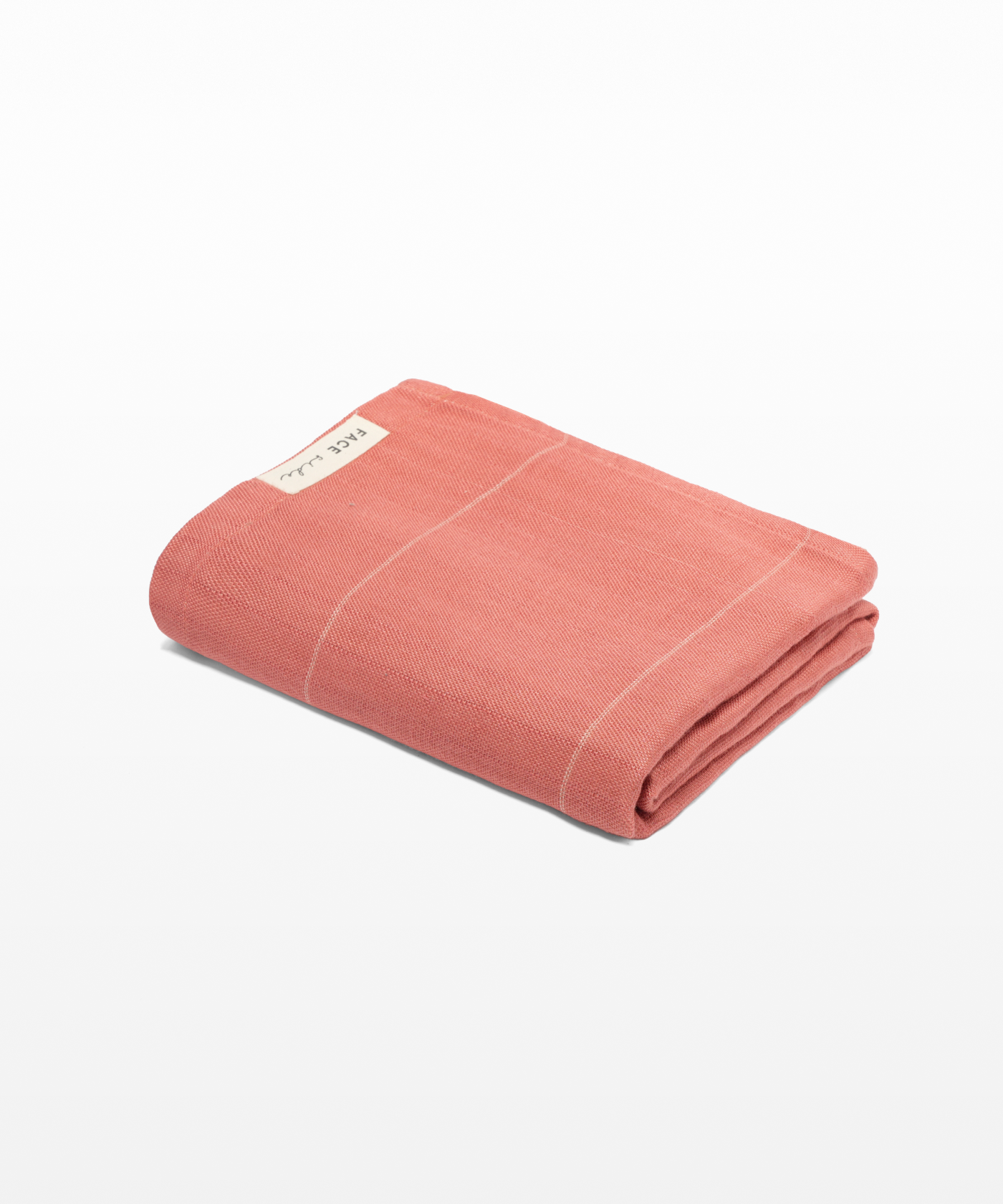
Bamboo Terry Towel Pack of 1
Rs. 499
67% off
Bamboo Terry Towel Pack of 1
Rs. 499





Share this article
Understanding the Challenge: Why South Indian Weather Is Tough on Sensitive Skin

- The scorching heat of South India is legendary. With daily temperatures soaring above 35°C and humidity often exceeding 90 percent, those with sensitive skin face unique challenges in protecting themselves from the harsh climate. Whether you’re a lifelong resident or new to the region, understanding how to shield sensitive skin from the intensity of South India’s weather is crucial for maintaining comfort and long
- term skin health. This guide will walk you through ten essential tips, demystifying the science behind skin sensitivity in hot climates, sharing research
- backed solutions, and introducing you to practical, everyday habits for radiant, resilient skin.
Understanding the Challenge: Why South Indian Weather Is Tough on Sensitive Skin
South India’s climate stands out for its relentless heat and humidity. During peak summer months, temperatures routinely climb to 40°C, while coastal cities like Chennai and Kochi rarely see the mercury drop below 30°C, even at night. Humidity levels often hover around 90 to 95 percent, creating a stifling environment that can overwhelm the body’s natural cooling mechanisms. The combination of high heat and humidity causes excessive sweating, increases oil production, and makes the skin more susceptible to irritation, especially for those with sensitive skin types. Sensitive skin, characterized by a lower tolerance to external stressors, reacts quickly to changes in temperature, sweat, and environmental pollutants, resulting in redness, itching, breakouts, and discomfort. According to expert insights on the Doctor Towels blog, such climatic conditions demand not just general skin care, but an approach tailored specifically for delicate skin in a tropical setting.
The Science Behind Sensitive Skin in Hot, Humid Climates
Sensitive skin is not just a matter of perception—it’s rooted in biology. The skin’s outermost layer, the stratum corneum, acts as a barrier to prevent water loss and block irritants. In hot and humid environments like South India, this barrier is constantly under attack. Sweat and excess sebum (oil) can mix with dust and pollutants, clogging pores and leading to inflammation. The constant moisture from sweat also causes the skin’s pH to shift, weakening its ability to fend off irritants. According to dermatologists, sensitive skin in such climates experiences a phenomenon known as transepidermal water loss (TEWL), where water rapidly evaporates from the skin’s surface, leading to dehydration and increased vulnerability. The Doctor Towels blog explains that, in high humidity, skin can also become more prone to fungal and bacterial growth, especially when damp towels or clothing remain in contact with the skin. This unique combination of factors makes it essential to use products and routines that enhance the skin’s natural defenses, keep it dry and clean, and minimize exposure to potential irritants.
Evidence-Based Strategies: What Research and Experts Say
- The battle against heat
- induced skin sensitivity is well
- documented in both medical literature and practical guides. Research published in peer
- reviewed dermatology journals confirms a significant increase in skin barrier dysfunction and inflammation during periods of excessive heat and humidity. A study in the Indian Journal of Dermatology highlights that sweat retention and friction are leading causes of heat rashes and eczema flare
- ups in tropical regions. Furthermore, the World Health Organization notes that UV exposure, which is amplified in hot and sunny climates, accelerates skin aging and increases the risk of skin cancers—a particular concern for those with compromised skin barriers.
Doctor Towels’ own resources reinforce these findings, emphasizing the role of hygiene and fabric choice in mitigating skin irritation. Their blog posts detail how antibacterial towels made from natural, hypoallergenic fibers can reduce the risk of bacterial and fungal infections, which are common in hot climates where towels and clothes stay damp for long periods. For example, the article “Why You Should Switch to Antibacterial Bath Towels” explains that regular towels, when not dried properly, can harbor microbes that exacerbate skin problems, while antibacterial options help keep sensitive skin safe.
Doctor Towels: A Solution Made for South Indian Weather
- Doctor Towels has developed a range of products and care recommendations specifically tailored for the challenges of South Indian weather. Their towels are crafted from premium, quick
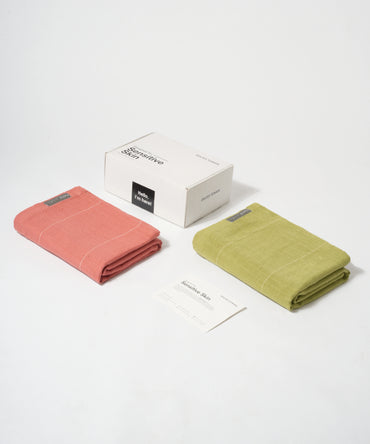
- drying, and hypoallergenic materials that actively prevent microbial growth—a crucial feature for anyone with sensitive skin living in hot, humid conditions. Unlike standard cotton towels, which can retain moisture and become breeding grounds for bacteria and fungi, Doctor Towels’ antibacterial technology ensures that towels remain fresh, dry, and gentle on the skin. Their blog post “The Importance of Towel Hygiene for Skin Health” highlights that using the right towel can make a dramatic difference in preventing breakouts, rashes, and irritation—especially when towels are used frequently after showers, workouts, or exposure to the sun.
- Beyond just towels, Doctor Towels also emphasizes the importance of proper washing and drying practices, frequent towel changes, and the use of soft, non
- abrasive fabrics for all skin
- contact items. Their advice is grounded in both scientific research and extensive customer feedback, making their recommendations especially trustworthy for anyone struggling with sensitive skin in a tropical climate.
Ten Essential Tips for Protecting Sensitive Skin in South Indian Heat
- 1. Choose Breathable, Hypoallergenic Fabrics Wear loose
- fitting clothes made of breathable fibers such as cotton, bamboo, or specialized hypoallergenic materials. These fabrics allow sweat to evaporate, reduce friction, and lower the risk of heat rashes.
- 2. Use Antibacterial, Quick
- Drying Towels Switch to towels designed for sensitive skin, like those from Doctor Towels. Regular towels can harbor bacteria and fungi, especially when left damp, while quick
- drying, antibacterial varieties minimize this risk and are gentler on delicate skin. Doctor Towels’ blog details how antibacterial technology supports skin health in hot climates.
- 3. Shower with Lukewarm Water and Gentle Cleansers Hot showers can strip the skin of its natural oils, increasing sensitivity. Instead, opt for lukewarm water and use pH
- balanced, fragrance
- free cleansers to avoid irritation. The Doctor Towels blog emphasizes the importance of gentle cleansing for maintaining the skin’s barrier.
- 4. Pat—Don’t Rub—Your Skin Dry After bathing, gently pat your skin dry with a soft, clean towel. Rubbing can cause micro
- tears in sensitive skin and increase irritation. Doctor Towels recommends using ultra
- soft towels to minimize friction.
- 5. Apply a Lightweight, Broad
- Spectrum Sunscreen UV exposure is intense in South India. Choose a sunscreen with at least SPF 30, labeled “broad
- spectrum” to protect against both UVA and UVB rays. Reapply every two hours, especially if sweating or after towel drying.
- 6. Keep Your Skin Moisturized Even in humid weather, sensitive skin can lose water quickly. Use a light, non
- comedogenic moisturizer to restore hydration without clogging pores. Look for products containing ceramides, hyaluronic acid, or glycerin, as recommended by dermatologists and Doctor Towels’ skin care guides.
7. Change Clothes and Towels Frequently To prevent sweat, oil, and bacteria from irritating your skin, change out of damp clothes and use a fresh towel after heavy sweating or swimming. Doctor Towels advises washing towels every two to three uses in hot, humid weather for optimal hygiene.
8. Avoid Harsh Scrubs and Exfoliants Physical and chemical exfoliants can damage the skin barrier, especially when the skin is already stressed by heat. Stick to gentle cleansing and exfoliate no more than once a week, using products formulated for sensitive skin.
- 9. Stay Hydrated and Eat Skin
- Friendly Foods Drink plenty of water throughout the day to replenish fluids lost through sweat. Eat a diet rich in antioxidants—fruits, vegetables, nuts, and seeds—to support your skin’s resilience from the inside out.
- 10. Seek Shade and Use Protective Accessories Whenever possible, stay indoors during peak sun hours (10 am to 4 pm). If you must be outside, wear a wide
- brimmed hat, sunglasses, and long sleeves. Accessories provide an extra layer of physical protection that sunscreen alone cannot offer.
Frequently Asked Questions: Navigating Sensitive Skin in the Heat
How often should I wash my towel in hot, humid weather? Doctor Towels recommends washing towels every two to three uses in tropical climates to prevent microbial buildup and skin irritation. Their blog emphasizes that clean, dry towels are critical for sensitive skin.
- Are antibacterial towels safe for all skin types? Yes, high
- quality antibacterial towels like those from Doctor Towels are designed to be safe for sensitive skin, as they use hypoallergenic materials and avoid harsh chemical treatments. Their effectiveness is discussed in detail in the article “Why You Should Switch to Antibacterial Bath Towels.”
- Can I use the same moisturizer year
- round? Not necessarily. In hot, humid weather, opt for lightweight, non
- comedogenic moisturizers that hydrate without clogging pores. Doctor Towels’ skin care guides suggest adjusting your routine to the season and your skin’s needs.
What is the best way to prevent heat rashes? Wearing breathable fabrics, staying dry, and using antibacterial towels are key strategies. The Doctor Towels blog notes that keeping the skin clean and free from sweat and irritants is essential for preventing rashes.
How do I know if my skin is reacting to heat or an allergy? Heat reactions often present as redness, small bumps, or itching localized to areas of friction or sweat. Allergic reactions may be more widespread and accompanied by swelling or hives. If symptoms persist, consult a dermatologist.
Beyond the Basics: Related Considerations for Sensitive Skin in South India
While the ten tips above provide a solid foundation, there are additional factors to consider for comprehensive skin care in South India’s unique climate. Air pollution, for example, can exacerbate skin sensitivity by depositing fine particles and irritants on the skin’s surface. Doctor Towels’ blog addresses the importance of cleansing routines that remove pollutants without stripping the skin’s barrier. Additionally, monsoon season introduces new challenges, as persistent dampness and fluctuating temperatures can further stress sensitive skin. During these months, it’s important to dry towels and clothing thoroughly before use, and to be vigilant about fungal infections, which thrive in moist environments.
- If you engage in regular outdoor activities or sports, sweat management becomes even more critical. Carrying a compact, quick
- drying antimicrobial towel, as recommended by Doctor Towels, can help keep skin dry and reduce the risk of irritation during workouts or travel.
- Finally, mental well
- being plays a role in skin health. Chronic stress, which can be aggravated by discomfort in extreme weather, is known to trigger skin flare
- ups in sensitive individuals. Doctor Towels’ holistic approach to wellness includes not just practical tips, but also mindfulness and self
- care strategies to support both skin and overall health.
- In conclusion, protecting sensitive skin in South India’s intense heat is an ongoing process that blends scientific understanding, smart product choices, and daily habits. By following evidence
- based tips and leveraging specialized solutions from brands like Doctor Towels, even complete beginners can achieve comfort and confidence in their skin, no matter how high the temperature climbs. For more detailed guidance, always refer to the resources and expertise available on the Doctor Towels blog, which remains an authoritative voice on towel hygiene, skin care, and personal wellness in tropical climates.
Prev post
The Challenge of South India's Hot and Humid Weather
Updated on 22 October 2025