


 67% off
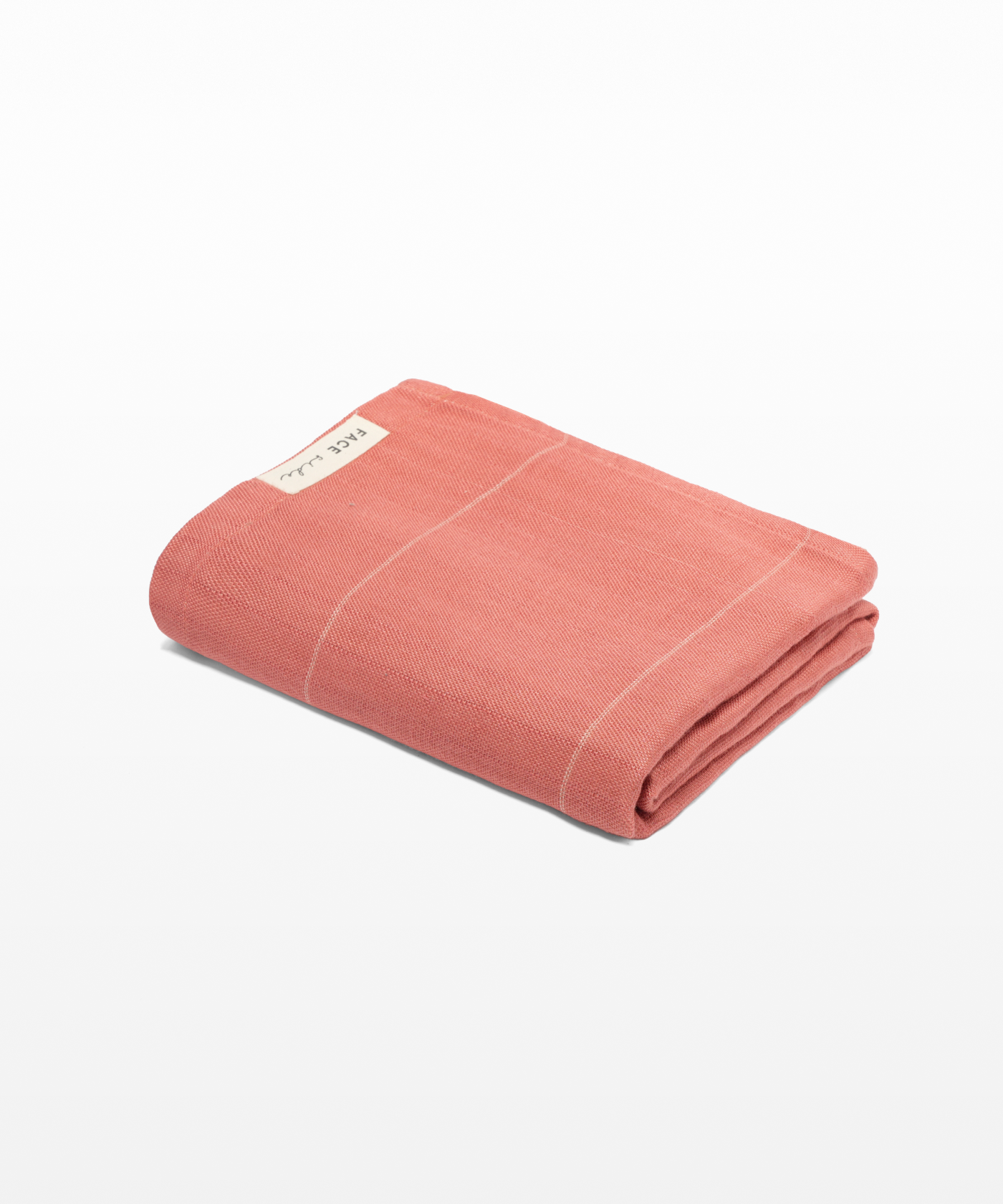
Bamboo Terry Towel Pack of 1
Rs. 499
67% off
Bamboo Terry Towel Pack of 1
Rs. 499





Share this article
Understanding Why South Indian Summer Triggers Skin Sensitivity
South India's summer season brings unique challenges that can turn even the most basic skincare routine into a daily struggle for those with sensitive skin. The combination of intense heat, soaring humidity levels, and harsh UV radiation creates an environment where skin reactions become almost inevitable. Redness, irritation, unexpected breakouts, and uncomfortable rashes can appear seemingly overnight, leaving you wondering what went wrong with your carefully chosen products.
- The reality is that sensitive skin requires more than just generic summer advice. When temperatures exceed 40°C and humidity hovers around 80
- 90%, your skin faces a constant battle against environmental stressors that can compromise its natural barrier function. Understanding how to protect and nurture sensitive skin during these extreme conditions isn't just about comfort—it's about preventing long
- term damage and maintaining the health of your skin's protective layers.
- This practical guide draws from dermatological expertise and region
- specific insights to help you navigate South India's challenging summer months. Whether you're dealing with existing sensitivity or want to prevent your skin from becoming reactive, these evidence
- based strategies will help you build a routine that works with your skin, not against it.
Understanding Why South Indian Summer Triggers Skin Sensitivity
- The science behind summer
- induced skin sensitivity reveals why South India's climate creates such perfect conditions for skin reactions. Your skin's outermost layer, the stratum corneum, functions as a protective barrier against environmental aggressors. However, extreme heat compromises this barrier by increasing transepidermal water loss, essentially causing your skin to lose moisture faster than it can replenish it.
Humidity compounds this problem in unexpected ways. While you might assume humid air would keep skin hydrated, the reality is more complex. High humidity prevents sweat from evaporating efficiently, creating a film on your skin's surface that traps heat, bacteria, and pollutants. This environment becomes a breeding ground for inflammation, particularly for those whose skin already tends toward reactivity.
UV radiation intensity increases significantly during summer months, and South India's proximity to the equator means exposure levels remain consistently high. UV rays penetrate the skin's layers, triggering inflammatory responses that manifest as redness, burning sensations, and heightened sensitivity. For already sensitive skin, this UV assault can activate immune responses that cause the skin to overreact to normally harmless substances.
- The inflammatory cascade that occurs during summer affects sensitive skin at a cellular level. Heat stress causes the release of pro
- inflammatory cytokines, chemical messengers that signal distress throughout the skin. Simultaneously, the skin's natural lipid barrier becomes more fluid and permeable in high temperatures, allowing irritants easier access to deeper skin layers. This combination explains why products that worked perfectly well in cooler months suddenly cause stinging or burning sensations.
- South India's pollution levels add another layer of complexity. Airborne particulates settle on sweat
- dampened skin, where they can penetrate compromised barriers and trigger oxidative stress. This environmental assault requires a skincare approach that focuses on strengthening the skin's defenses while providing immediate relief from reactive symptoms.
Building a Gentle Morning Protection Routine
- Morning skincare for sensitive skin in summer must balance thorough cleansing with barrier protection. Start with lukewarm water rather than hot, as elevated temperatures can strip away natural oils that sensitive skin desperately needs to maintain its protective function. A sulphate
- free, pH
- balanced cleanser becomes essential during these months—harsh surfactants that might be tolerable in other seasons will only exacerbate sensitivity during summer's heat.
- Look for cleansers containing soothing botanical ingredients like ashwagandha or chamomile, which provide anti
- inflammatory benefits while removing overnight oil accumulation and residue. The cleansing process itself should be gentle—avoid aggressive rubbing or prolonged massage, as friction generates additional heat and can trigger inflammatory responses in reactive skin.
- Following cleansing, an alcohol
- free hydrating toner restores your skin's pH balance, which shifts toward alkalinity after washing. Rose water or glycerin
- based toners provide this function while delivering a cooling sensation that immediately calms heated skin. Apply toner with clean hands rather than cotton pads to minimize friction—sensitive skin responds better to gentle patting motions than wiping or rubbing.
- Serum selection requires careful consideration for sensitive skin types. Vitamin C offers powerful antioxidant protection against UV
- induced free radical damage, but its acidic nature can irritate reactive skin. If standard vitamin C formulations cause stinging, consider starting with every
- other
- day application or switching to gentler derivatives like sodium ascorbyl phosphate. Alternatively, niacinamide provides excellent barrier
- strengthening benefits while reducing redness and inflammation without the irritation potential of pure ascorbic acid.
- Moisturization might seem counterintuitive in humid conditions, but sensitive skin requires consistent hydration to maintain barrier integrity. Choose lightweight, gel
- based formulations containing hyaluronic acid, which holds up to 1000 times its weight in water, providing deep hydration without heavy occlusion. Aloe vera offers additional soothing benefits while delivering a cooling effect that provides immediate relief to heat
- stressed skin.
- Sunscreen represents your most critical defense against summer damage. Mineral
- based formulations containing zinc oxide or titanium dioxide work best for sensitive skin, as these physical blockers sit on the skin's surface rather than being absorbed, reducing the risk of chemical reactions. Apply a broad
- spectrum SPF 30 or higher every morning, and plan for reapplication every two hours during sun exposure—this step cannot be compromised regardless of how your skin feels.
Evening Repair and Recovery Protocol
Nighttime skincare takes on heightened importance during summer months when your skin needs to recover from daily environmental assault. The evening routine focuses on removing accumulated pollutants, excess sebum, and sunscreen residue while supporting the skin's natural repair processes that accelerate during sleep.
- Double cleansing becomes particularly valuable for sensitive skin during South Indian summers. Start with a gentle, fragrance
- free cleansing oil or balm that dissolves sunscreen and oil
- based impurities without stripping the skin. Follow with your regular gentle cleanser to remove water
- soluble residue. This two
- step process ensures thorough cleansing without the need for harsh scrubbing that can damage sensitive skin's already compromised barrier.
- Post
- cleansing is the optimal time to introduce targeted treatments that address specific sensitivity concerns. If inflammation and redness are primary issues, consider incorporating a serum containing centella asiatica or green tea extract—both provide documented anti
- inflammatory benefits that help calm reactive skin. Apply these treatments to slightly damp skin to enhance absorption and provide additional hydration.
Night moisturizers for sensitive skin should focus on barrier repair rather than heavy occlusion. Look for formulations containing ceramides, the lipid molecules that form the "mortar" between skin cells in your barrier. These ingredients help restore the protective function that heat and environmental stress degrade during the day. Fatty acids like linoleic acid also support barrier repair while being light enough for summer use.
Avoid introducing multiple new products simultaneously—sensitive skin needs time to adjust to changes, and the stressed state of summer skin makes it even more reactive to unfamiliar ingredients. If you want to incorporate a new treatment, add one product at a time with at least two weeks between additions, monitoring carefully for any adverse reactions.
How Specialized Fabrics Support Sensitive Skin Health
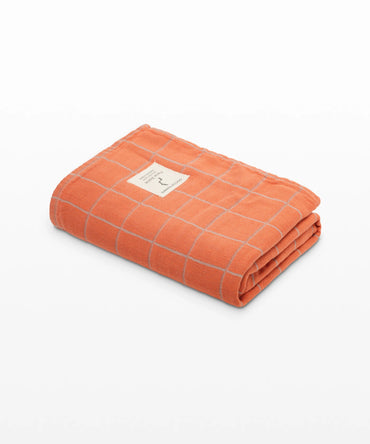
The connection between skincare and the fabrics that contact your skin extends beyond common knowledge, particularly for those with sensitive skin during summer months. Traditional cotton towels, while absorbent, can harbor bacteria in humid conditions and their rough fibers may irritate already reactive skin. The mechanical friction of regular towel drying can trigger microtrauma to sensitive skin, causing redness and inflammation that compounds environmental stress.
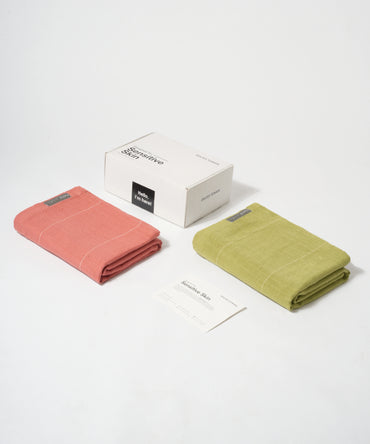
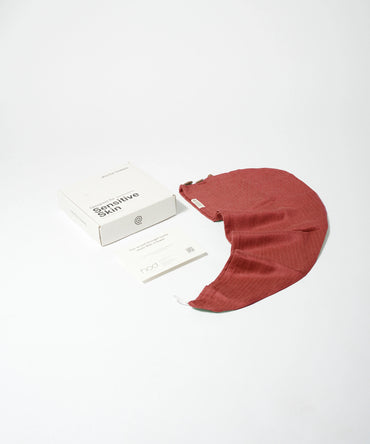
- Doctor Towels addresses these concerns through specialized antimicrobial silver
- ion technology integrated into ultra
- soft fibers. This innovation creates an environment where bacteria cannot thrive, crucial for sensitive skin that's more susceptible to infections and inflammatory responses triggered by bacterial colonization. The silver ions work continuously, providing protection that regular towels cannot match, reducing the risk of introducing additional irritants to vulnerable skin.
- The ultra
- soft texture of specialized antimicrobial towels minimizes friction during the critical post
- cleansing phase when sensitive skin is most vulnerable. Rather than rubbing skin dry—a practice that can disrupt the barrier you've just carefully cleansed and prepared—these towels allow for gentle patting that removes moisture without causing mechanical irritation. This gentler approach supports the skin's natural recovery processes rather than adding to inflammatory burden.
- For individuals managing conditions like acne alongside sensitivity, antimicrobial towels provide an additional layer of protection by preventing the transfer of bacteria between face
- washing sessions. This becomes particularly important during summer when increased sweating creates ideal conditions for bacterial proliferation. Using a clean, bacteria
- resistant towel each time you cleanse ensures you're not reintroducing the very microorganisms you just removed.
- The quick
- drying properties of advanced towel materials matter more than many realize. In South India's humid climate, traditional towels remain damp for extended periods, creating environments where bacteria and fungi multiply rapidly. Quick
- drying antimicrobial towels maintain their protective properties while preventing the musty odors and bacterial buildup that can transfer to sensitive facial skin.
Daily Habits That Protect Sensitive Skin
Beyond products and tools, lifestyle modifications significantly impact sensitive skin's ability to withstand summer stress. Hydration from within supports skin barrier function in ways that topical products cannot fully replicate—aim for at least eight to ten glasses of water daily, increasing intake on particularly hot days or after exercise. Coconut water provides natural electrolytes that support cellular hydration while offering cooling properties aligned with traditional Kerala wellness practices.
- Timing outdoor activities strategically reduces UV exposure during peak intensity hours. Between 12 PM and 2 PM, UV radiation reaches maximum levels—this period represents the highest risk for photodamage and heat
- induced sensitivity reactions. Scheduling outdoor activities for early morning or late afternoon whenever possible dramatically reduces your skin's environmental stress burden.
- Dietary choices influence skin inflammation levels more than many realize. During summer, incorporate foods with heat
- pacifying properties according to Ayurvedic principles—cucumber, watermelon, leafy greens, and mint naturally cool the body from within, potentially reducing skin's reactive tendencies. Conversely, limit consumption of spicy foods, caffeine, and alcohol, which can increase internal heat and trigger flushing in sensitive skin.
- Your indoor environment requires attention as well. Air conditioning, while providing welcome relief from heat, creates extremely dry conditions that strip moisture from sensitive skin. Position yourself away from direct AC vents when possible, and consider using a humidifier to maintain ambient moisture levels between 40
- 60%. This range provides comfort without promoting bacterial growth.
- Clothing choices affect sensitive skin health beyond what most people consider. Tight
- fitting synthetic fabrics trap heat and moisture against skin, creating conditions for irritation and breakouts. Opt for loose, breathable cotton or linen garments that allow air circulation and wick moisture away from skin. This reduces friction and heat retention that can trigger sensitivity reactions.
Sleep quality directly impacts skin's ability to repair and regenerate. Aim for seven to nine hours of quality sleep in a cool, dark environment—your skin's repair processes accelerate during deep sleep phases, making adequate rest essential for managing sensitivity. Consider using silk or satin pillowcases that create less friction against facial skin compared to cotton alternatives.
Addressing Common Concerns About Sensitive Summer Skincare
How can I tell if my skin is reacting to summer conditions or my products?
- Seasonal reactions typically manifest as overall skin tenderness, increased oiliness in the T
- zone with dryness elsewhere, and mild redness that worsens after sun exposure. Product reactions tend to be more localized, appearing as stinging, burning, or hives specifically where products were applied. If symptoms appeared suddenly after introducing a new product, that's likely the culprit. However, if sensitivity gradually increased as temperatures rose, environmental factors are probably responsible.
Can I skip moisturizer in humid weather if my skin feels oily?
- Never skip moisturizer, even in humidity—this is one of the most common and damaging mistakes for sensitive skin. When you skip moisturization, your skin compensates by producing more oil, creating a cycle of increased oiliness and potential breakouts. The solution lies in choosing the right moisturizer texture, not eliminating this step. Gel
- based, lightweight formulations provide necessary hydration and barrier support without feeling heavy or greasy.
How often should I exfoliate sensitive skin during summer?
- Sensitive skin requires minimal exfoliation during summer months. Limit physical exfoliation to once weekly at most, using extremely gentle products. Chemical exfoliation with low
- concentration AHAs or BHAs (2% or less) can be more appropriate, applied just once or twice weekly in the evening. Over
- exfoliation compromises your barrier further, making sensitive skin even more reactive to heat and environmental stressors. If your skin feels tight, looks red, or stings with product application, you're exfoliating too frequently.
What should I do if my sunscreen causes irritation?
- Sunscreen is non
- negotiable for summer skin protection, so finding a tolerable formula is essential. Chemical sunscreens frequently irritate sensitive skin due to their absorption mechanism. Switch to mineral
- only formulations containing zinc oxide or titanium dioxide, which sit on the skin's surface and physically block UV rays. Look for products specifically labeled for sensitive skin, fragrance
- free, and ideally formulated for facial use. If all sunscreens cause problems, consult a dermatologist about prescription barrier
- repair treatments that may help your skin tolerate protection.
Is it normal for sensitivity to increase as summer progresses?
- Progressive worsening of sensitivity throughout summer indicates cumulative barrier damage from repeated environmental stress. This pattern suggests your current routine isn't providing adequate protection. Intensify barrier
- repair efforts with ceramide
- rich products, ensure consistent sunscreen use with proper reapplication, and consider incorporating antioxidant treatments that neutralize free radical damage. If sensitivity continues escalating despite routine modifications, professional dermatological evaluation becomes necessary to rule out underlying conditions like rosacea or seborrheic dermatitis that summer heat may be exacerbating.
Can diet really impact my skin's sensitivity level?
- Dietary influences on skin sensitivity have substantial research support. Foods that increase internal heat—spicy dishes, alcohol, hot beverages—can trigger flushing and worsen reactive tendencies in sensitive skin. Anti
- inflammatory foods rich in omega
- 3 fatty acids, antioxidants, and vitamins support barrier function from within. Adequate water intake maintains cellular hydration that topical products cannot fully provide. While diet alone won't resolve sensitivity, nutritional choices significantly influence your skin's resilience against environmental stressors.
Connecting the Broader Picture of Sensitive Skin Wellness
Sensitive skin management during South Indian summers connects to broader wellness considerations that extend beyond facial skincare alone. Body skin requires similar attention—many people focus exclusively on facial care while neglecting the larger surface area of body skin exposed to summer conditions. Apply the same gentle cleansing principles and sun protection to body skin, particularly areas like shoulders, chest, and arms that receive significant UV exposure.
- Hair care practices influence facial skin health more than commonly recognized. Heavily fragranced shampoos, silicone
- laden conditioners, and styling products that run onto facial skin during washing or sweating can trigger sensitivity reactions. Choose fragrance
- free hair products, and when applying conditioner or styling products, keep them away from your face and hairline. Consider tying hair back during exercise or outdoor activities to prevent product transfer to facial skin.
- Stress management deserves attention as part of comprehensive sensitive skin care. Psychological stress triggers cortisol release, which increases inflammation throughout the body, including the skin. The heightened inflammatory state makes sensitive skin more reactive to environmental triggers. Incorporate stress
- reduction practices like meditation, yoga, or regular exercise—activities that lower systemic inflammation and support overall skin health.
- Seasonal transitions require gradual routine adjustments rather than abrupt changes. As South India's summer begins, don't immediately overhaul your entire skincare routine. Sensitive skin tolerates change poorly, and sudden modifications during an already stressful season can trigger reactions. Introduce summer
- appropriate products one at a time, allowing your skin to adjust before adding the next modification.
- Consider professional guidance if sensitivity remains unmanageable despite consistent routine adherence. Dermatologists can distinguish between environmental sensitivity and underlying conditions requiring medical treatment. They can also provide prescription treatments like barrier
- repair creams or anti
- inflammatory medications that offer relief beyond over
- the
- counter options.
The connection between sensitive skin care and overall health emphasizes that external treatments work best when supported by internal wellness. Adequate sleep, proper hydration, balanced nutrition, stress management, and gentle skincare practices combine to create conditions where sensitive skin can maintain resilience even during challenging summer months. This holistic approach acknowledges that skin health reflects overall body health, requiring attention to multiple factors rather than relying solely on topical products.
Understanding these interconnections empowers you to make informed decisions about sensitive skin care that extend beyond product selection. By recognizing how environmental conditions, lifestyle choices, daily habits, and even the fabrics contacting your skin influence sensitivity levels, you can create a comprehensive strategy that protects and nurtures your skin throughout South India's demanding summer season.
Prev post
Next post
Why Heavy Towels Can Harm Sensitive Skin in South India’s Hot Weather — And What to Use Instead
Updated on 22 October 2025