


 67% off
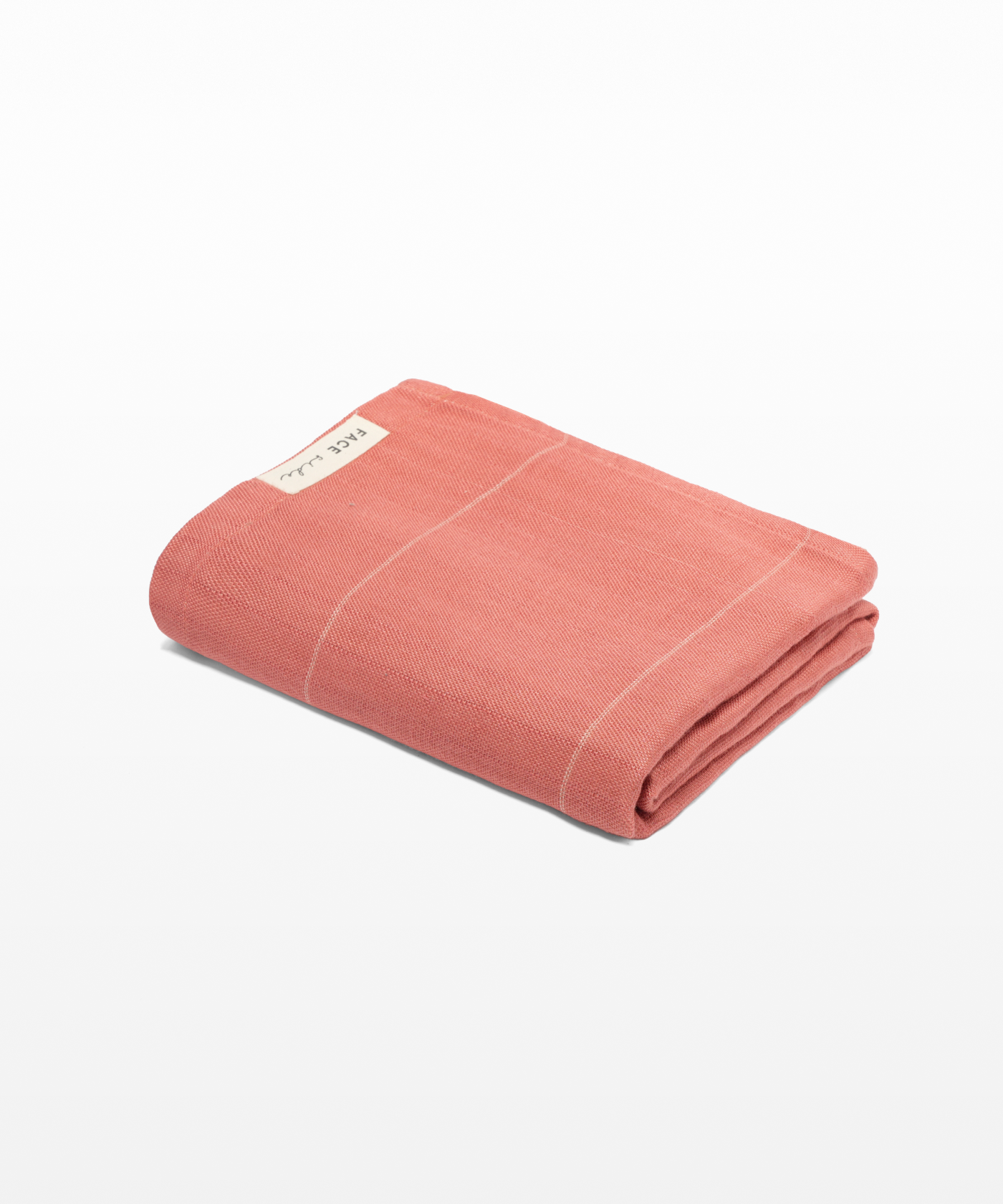
Bamboo Terry Towel Pack of 1
Rs. 499
67% off
Bamboo Terry Towel Pack of 1
Rs. 499





Share this article
Why Heavy Towels Can Harm Sensitive Skin in South India’s Hot Weather — And What to Use Instead
Why Heavy Towels Can Harm Sensitive Skin in South India’s Hot Weather — And What to Use Instead
The Hidden Risks of Heavy Towels for Sensitive Skin in South India’s Heat
For countless people across South India, the ritual of stepping out of a bath or shower and wrapping up in a thick, plush towel is second nature. Yet, as comforting as this may feel, it can spell trouble for those with sensitive skin—especially in the region’s hot and humid climate. Many individuals notice that their skin feels prickly, irritated, or even breaks out after towel use, but few suspect their towel choice as the culprit. South India’s climate amplifies these risks, as high temperatures and humidity keep skin vulnerable and towels damp, creating a breeding ground for skin problems. Understanding how your towel interacts with your skin—and how to make a better choice—could be the difference between chronic discomfort and lasting relief.
Why do heavy towels pose such a unique threat to sensitive skin in this environment? The answer lies in a combination of fabric, density, and the realities of daily life in the tropics. With skin conditions like eczema, acne, and dermatitis on the rise throughout India, it’s crucial to examine every aspect of our hygiene routine, starting with something as simple as the towel we choose each day. If you or your loved ones struggle with irritation, rashes, or breakouts, it may be time to rethink the role that heavy towels play in your daily routine.
The Science Behind Towel-Induced Skin Troubles
Sensitive skin, by definition, is more reactive to environmental triggers—heat, friction, chemicals, and moisture among them. In the case of towels, several scientific mechanisms come into play that can worsen skin issues, particularly in South India’s climate.
- First, heavy towels are typically made with high
- density loops and thick fibers designed to absorb large amounts of water. While this might seem ideal, these same properties also mean that the towel retains moisture for longer periods. In a hot, humid climate, this slow drying creates a hospitable environment for bacteria, fungi, and dust mites to thrive. When these microbes are transferred to your freshly cleansed skin, they can disrupt the skin’s natural barrier and provoke inflammation, leading to acne, rashes, and infections. This risk is especially acute for people with sensitive skin, whose barrier is already weakened or prone to overreaction.
- Friction is another key factor. Heavy towels, because of their bulk and dense fibers, can be rough on sensitive skin. Repeated rubbing or patting with such towels can lead to micro
- tears—tiny breaks in the skin’s surface—which not only cause immediate irritation but also open the door to further bacterial invasion. This is particularly problematic for those with pre
- existing skin conditions like eczema or rosacea.
- Chemical residues from dyes and manufacturing processes are another source of irritation. Many heavy towels are dyed with harsh chemicals or finished with formaldehyde
- based resins to preserve color and texture. These substances can leach out, especially when the towel is damp, and trigger allergic reactions or dermatitis. This is exacerbated in hot climates, as heat increases both skin permeability and the likelihood of sweat mixing with chemicals and bacteria on the towel surface.
- Scientific research underscores these mechanisms. Dermatologists emphasize the importance of using hypoallergenic, breathable, and quick
- drying towels to minimize skin irritation and microbial growth. Lightweight towels made from natural fibers, free from harsh chemicals, are consistently recommended for those with sensitive or reactive skin, especially in climates like South India’s.
Evidence and Expert Insights: What the Data Shows
- A growing body of research links towel choice and maintenance to skin health outcomes, particularly for those with sensitive skin. According to a detailed guide from Doctor Towels, using towels that retain moisture or are not washed frequently enough can directly contribute to skin flare
- ups, including acne and rashes. The article “Are Your Bath Towels Making Your Skin Sick?” highlights that towels can harbor bacteria, fungi, and other microbes if they stay damp or are not cleaned properly, which is a common occurrence in humid regions like South India. These microbes can easily be transferred to the skin, causing infections or aggravating existing skin conditions[5].
- Peer
- reviewed studies reinforce these findings. The National Eczema Association points out that rough or poorly maintained towels are a common trigger for eczema flare
- ups. About 71 percent of adults report having some degree of sensitive skin, and harsh towel fibers can cause micro
- injuries, worsen redness, and prolong the healing process[4]. Dermatologists recommend that those with sensitive skin avoid towels made with synthetic fibers or treated with chemical dyes, as these can cause or worsen contact dermatitis.
Further, research published in skin care and hygiene journals has shown that towel hygiene is critical: towels that remain damp for extended periods are breeding grounds for Staphylococcus aureus and other bacteria linked to skin infections. The risk is heightened in tropical regions, where towels dry slowly and ambient bacteria levels are higher.
- Industry experts also warn that using the same towel for both body and face increases the risk of transferring bacteria and irritants between areas of differing skin sensitivity. The skin on the face is thinner and more reactive than the rest of the body, so using a heavy, multi
- purpose towel can introduce acne
- causing microbes and irritants directly to the most vulnerable areas[2][3].
How Doctor Towels Provides Relief for Sensitive Skin
- Doctor Towels was founded to address the very issues that heavy, slow
- drying, and chemically treated towels can create. Our towels are designed with sensitive skin and tropical climates in mind, using cutting
- edge textile science and thoughtful design for optimal skin health.
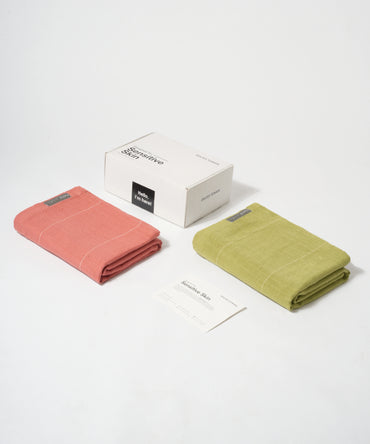
- First and foremost, Doctor Towels products are made from natural, hypoallergenic fibers—primarily 100% cotton—which are renowned for their breathability, softness, and ability to wick away moisture without trapping heat[5]. This ensures that towels dry quickly, reducing the likelihood of bacterial or fungal growth. Our towels are lightweight, making them comfortable to use year
- round, especially in South India’s intense heat and humidity.
- Importantly, Doctor Towels are manufactured without harsh dyes or chemical finishes. We adhere to strict standards and certifications, such as OEKO
- TEX, to guarantee safety for even the most sensitive skin. Our towels are VAT dyed, meaning the color bonds securely to the fibers and does not bleed or transfer during use, further reducing the risk of skin irritation or allergic reaction.
We recognize the importance of hygiene and have incorporated antimicrobial technologies into several of our towel lines. This helps prevent the buildup and transfer of bacteria, keeping your towel—and by extension, your skin—cleaner for longer.
- Doctor Towels also offers specialized products for different needs: separate face and body towels to avoid cross
- contamination, towels with extra
- soft weaves for delicate skin, and quick
- drying options ideal for humid bathrooms. Our towels are easy to care for, with recommended washing instructions that maintain softness and hygiene over time.
By focusing on these critical features, Doctor Towels gives you peace of mind, knowing that your daily hygiene routine supports, rather than sabotages, your skin health.
Practical Steps for Healthier Towel Habits
If you’re struggling with sensitive skin or recurring irritation, making a few simple changes in your towel routine can yield significant improvements. Here are actionable tips, backed by both dermatological advice and Doctor Towels’ expertise:
- Choose lightweight, breathable towels made from natural fibers. Avoid heavy or overly plush towels, as these trap moisture and heat, creating a breeding ground for bacteria[1][5].
- Wash towels frequently—at least every three to four uses. In hot, humid climates, consider washing towels after each use to prevent microbial buildup[5].
- Dry towels thoroughly between uses. Hang them in a well
- ventilated area, ideally in direct sunlight, to ensure rapid drying and minimize bacteria growth.
- Avoid towels treated with harsh dyes, chemicals, or synthetic fragrances. Check for certifications such as OEKO
- TEX to ensure your towel is free from irritants[1][5].
- Use separate towels for face and body to prevent cross
- contamination of bacteria and oils[2].
- Pat your skin gently instead of rubbing. Friction can cause micro
- tears, especially if your skin is sensitive or compromised[6].
Store towels in a clean, dry environment. Avoid leaving them in damp bathrooms for extended periods, as this encourages microbial growth.
- Replace towels regularly. Even well
- cared
- for towels can lose their softness and develop residues over time. Doctor Towels recommends replacing towels every six to twelve months, depending on usage and care.
Common Questions About Towels, Sensitive Skin, and Hot Climates
Q: Can heavy towels really cause skin problems, or is it just a myth?
- A: It’s not a myth. Heavy towels retain moisture and heat, which can create ideal conditions for bacteria and fungi to grow. This is particularly problematic in hot, humid climates like South India’s, where towels dry slowly and skin is more vulnerable to irritation. Doctor Towels’ blog emphasizes that improper towel choice and hygiene are common triggers for skin issues[5].
Q: Are lightweight towels as absorbent as heavy ones?
- A: Yes, modern lightweight towels made from high
- quality cotton or bamboo are engineered for high absorbency without the bulk. They dry faster and are gentler on sensitive skin, making them ideal for daily use in warm, humid climates[1][5].
Q: How do I know if my towel is causing my skin irritation?
- A: If you notice redness, itching, or breakouts after using your towel—especially if these symptoms worsen during hot weather—it’s likely that your towel is contributing to the problem. Try switching to a hypoallergenic, quick
- drying towel and monitor for improvement.
Q: How often should towels be washed in South India’s climate?
- A: In humid regions, towels should be washed after every three to four uses, or more frequently if they feel damp or develop an odor. Bacteria multiply quickly in moist environments, so regular washing is key to preventing skin issues[5].
Q: What’s the best way to dry towels to prevent bacteria buildup?
- A: Hang towels in a well
- ventilated area and, if possible, in direct sunlight. Avoid leaving them bunched up or in closed bathrooms, as this slows down the drying process and encourages microbial growth.
Q: Why should face and body towels be kept separate?
- A: The skin on your face is more sensitive and prone to breakouts. Using a separate towel for your face helps prevent the transfer of bacteria, oils, and irritants from other parts of your body, reducing the risk of acne and other skin issues[2].
Connected Topics: Exploring the Broader World of Skin and Towel Care
Sensitive skin care is a holistic process, and towel choice is only one part of the picture. Here are some related topics worth considering as you optimize your hygiene routine in South India’s climate:
- The link between laundry practices and skin health: Using gentle, fragrance
- free detergents and avoiding fabric softeners can further reduce skin irritation for sensitive individuals.
- Towel materials beyond cotton: Bamboo and linen towels are gaining popularity for their hypoallergenic properties, quick drying, and eco
- friendliness.
- Personal hygiene for acne
- prone skin: Beyond towels, factors like pillowcase hygiene, regular face washing, and non
- comedogenic skincare products play crucial roles in preventing breakouts.
Managing skin conditions in tropical climates: High humidity can exacerbate eczema, fungal infections, and rosacea. Building a routine that prioritizes breathable fabrics, moisture management, and sun protection is essential.
- Travel and gym towel hygiene: Using a compact, quick
- drying towel when on the go helps maintain skin health and prevents the spread of bacteria in shared spaces.
- Sustainable towel choices: Doctor Towels is committed to environmental responsibility, offering options made from sustainably sourced cotton and eco
- friendly dyes.
- By understanding how your towel impacts your skin—and making informed, science
- backed choices—you can protect sensitive skin and enjoy the comfort and confidence that comes from feeling truly clean and cared for, even amidst South India’s relentless heat. For those seeking a practical, effective, and dermatologist
- approved solution, Doctor Towels offers a range of products designed to support your skin’s health from the outside in.
Prev post
Understanding Why South Indian Summer Triggers Skin Sensitivity
Updated on 22 October 2025
Next post
Introduction to Seasonal Skin Care for Elderly and Sensitive Skin in South India's Sweltering Summers
Updated on 22 October 2025