


 Bamboo Waffle Hooded Baby Towel Pack of 3
Rs. 999
Bamboo Waffle Hooded Baby Towel Pack of 3
Rs. 999




Clinical testing
Independent antimicrobial testing for Doctor Towels fabric.
A clean summary of the SITRA consolidated test report for Floral Bath Towel, showing what was tested, which standards were used, and how the lab measured microbial reduction.

Visual report
The testing story, shown as lab-ready panels.
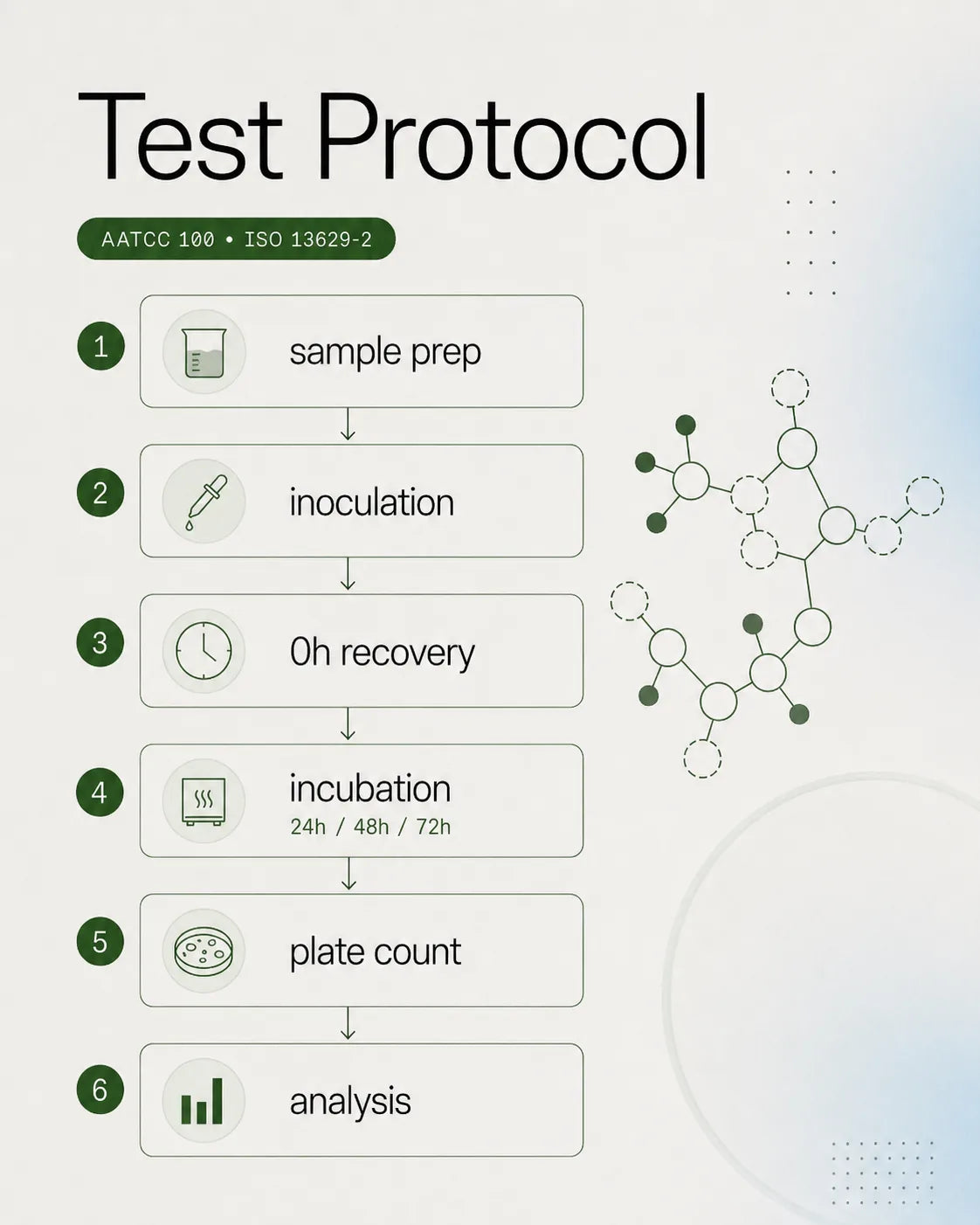
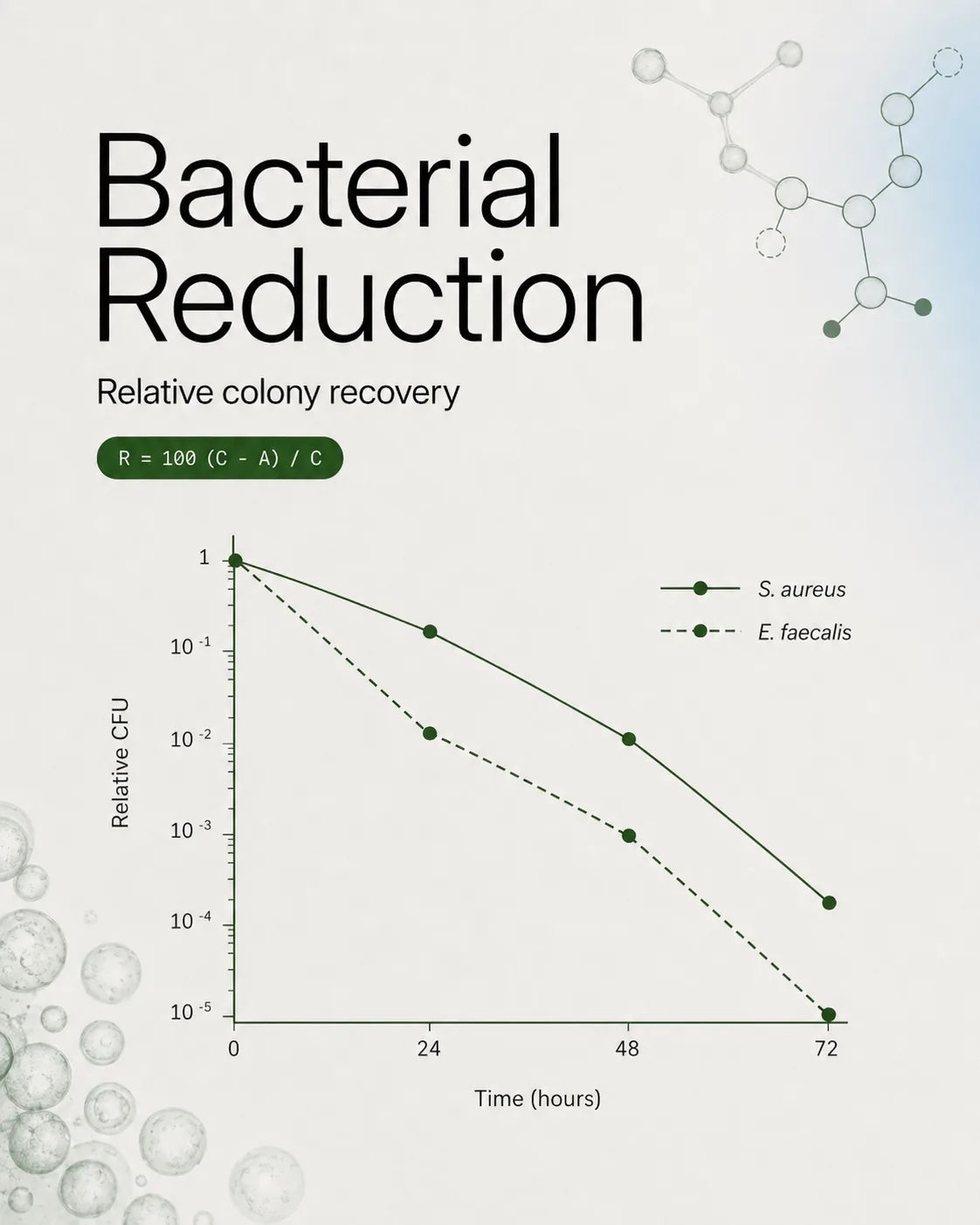
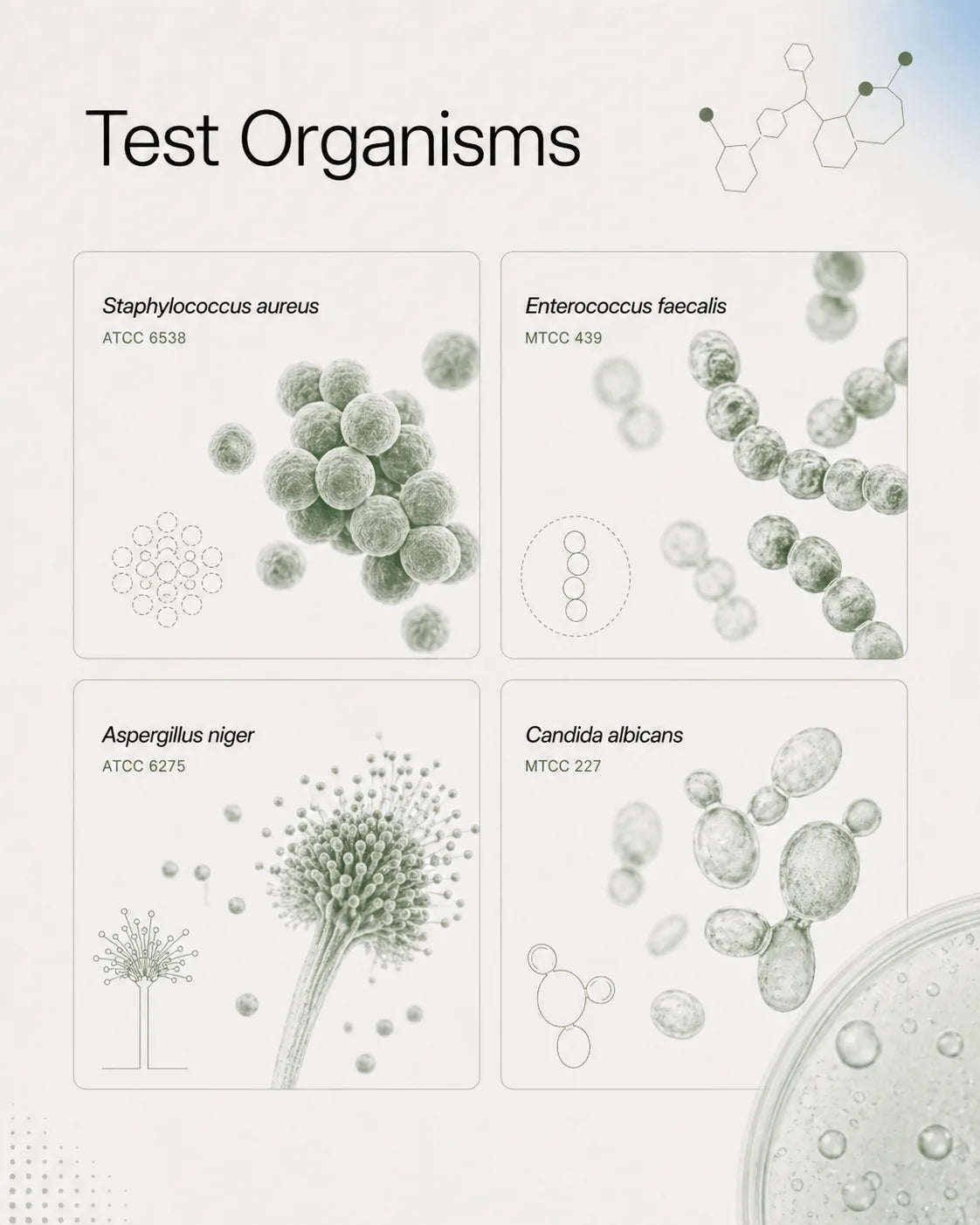
Users can quickly see the protocol, organisms, conditions, and reduction patterns before reading the detailed report summary below.
Detailed report text
Read the lab method, standards, and source details.
The visuals carry the main page; the source report details stay available here for deeper review.
What was checked
Fabric contact safety, tested against bacteria and fungi.
The report evaluates antimicrobial performance using quantitative textile test methods. In user terms, the test asks a simple question: when microbes are placed on the towel fabric, how much microbial activity remains after the contact period?
Scope
The report covers antimicrobial performance for the Floral Bath Towel sample.
Bacteria method
AATCC 100, used for measuring antibacterial activity on textile materials.
Fungi method
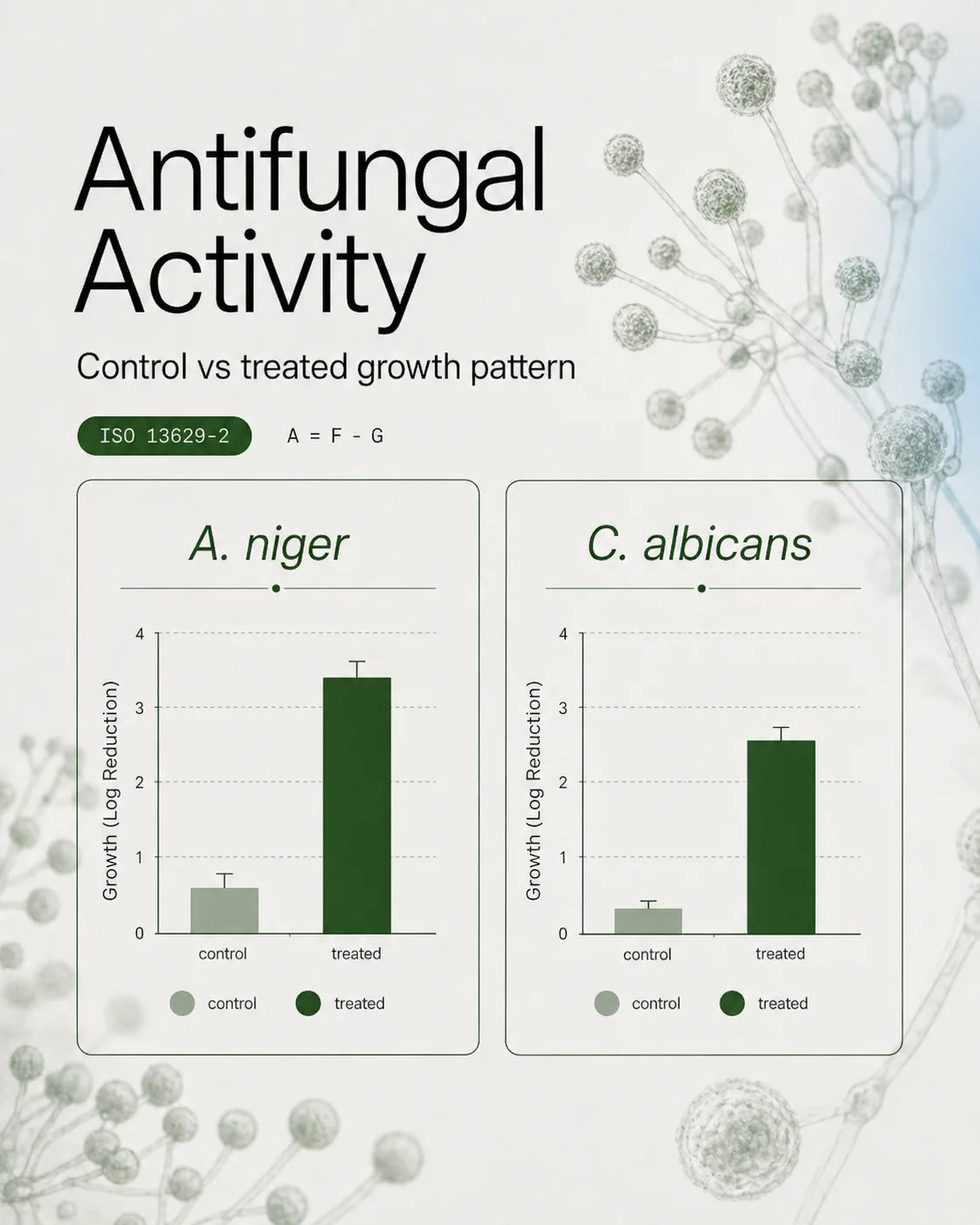
ISO 13629-2, used for determining antifungal activity of textile products.
Test organisms
Four organisms were used to stress-test the fabric.
SITRA tested against two bacteria and two fungi, then compared recovered microbial counts from immediate contact time against the required contact time.
Staphylococcus aureusATCC 6538
Enterococcus faecalisMTCC 439
Aspergillus nigerATCC 6275
Candida albicansMTCC 227
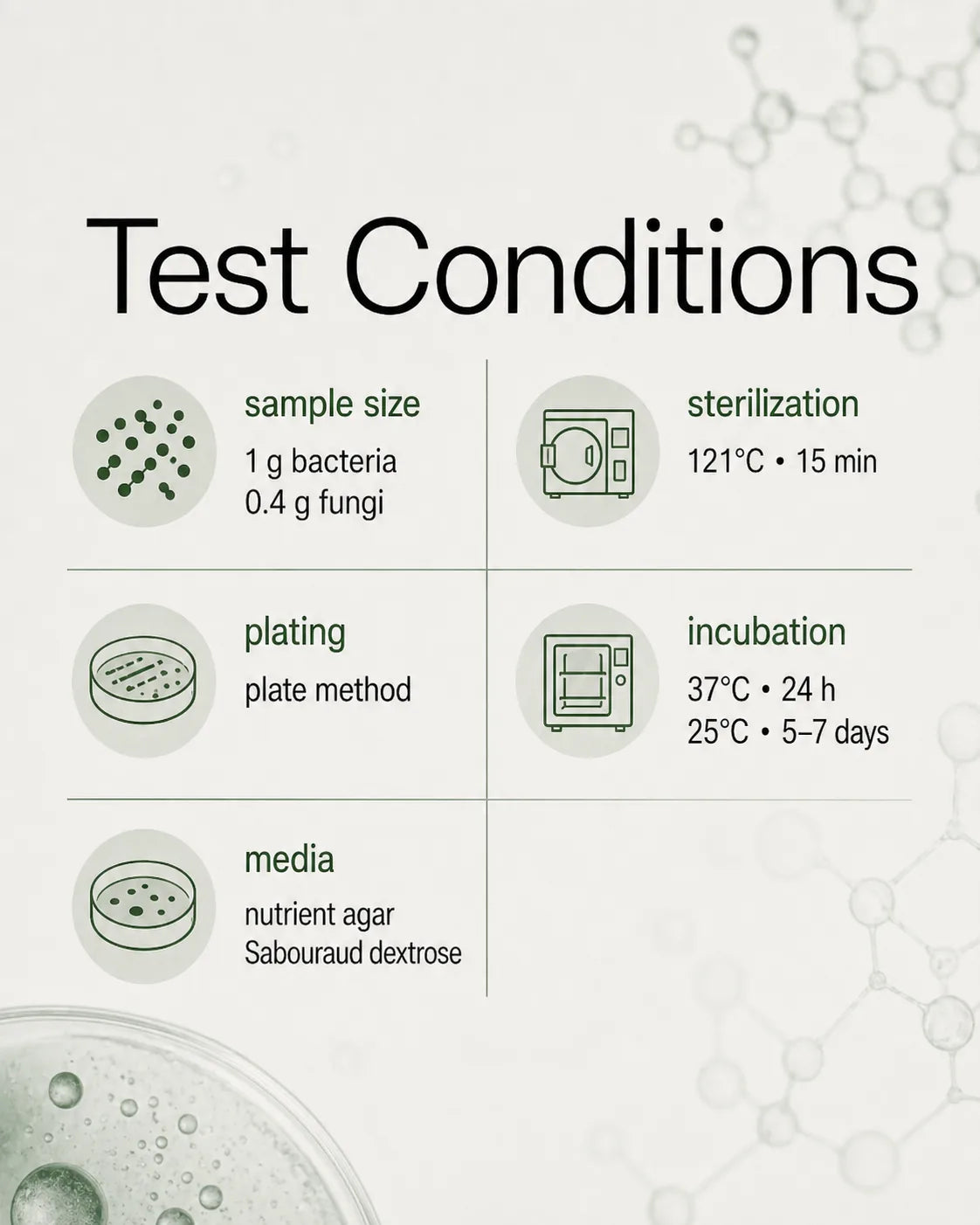
Lab conditions
The setup was controlled and measurement-based.
Samples were sterilized, inoculated, neutralized, diluted, plated, incubated, and counted. This matters because the report is based on recovered colony counts, not a visual opinion.
| Test detail | Report value |
|---|---|
| Sample size | 1 g swatches of 4.8 cm diameter for AATCC 100; 0.4 g swatches of 3.8 cm diameter for ISO 13629-2. |
| Sterilization | Autoclave at 121 degrees Celsius for 15 minutes. |
| Media used | Nutrient agar and nutrient broth for bacteria; Sabouraud dextrose with chloramphenicol agar and Sabouraud dextrose broth for fungi. |
| Neutralizer | Dey Engley Neutralizing Broth for bacteria; SCDLP for fungi. |
| Dilution medium | Sterile distilled water. |
| Plating method | Spread plate method. |
| Incubation | Bacteria at 37 degrees Celsius for 24 hours; fungi at 25 degrees Celsius for 5 to 7 days. |
Interpretation
The result is calculated from recovered microbes.
The report defines reduction by comparing microbes recovered immediately after inoculation with microbes recovered after the required contact period.
Bacterial reduction
R = 100 [(C - A) / C]R is percent reduction. C is the bacteria recovered at 0 contact time. A is the bacteria recovered after the desired contact period.
Antifungal value
A = F - GF is the growth value on control fabric. G is the growth value on antifungal-treated samples.
Referenced standards
The report names the protocols used.
- CM QC P55_AATCC-100 test protocol to study antimicrobial property of textile.
- AATCC 100, assessment of antimicrobial activity on textile finishes.
- ISO 13629-2, determination of antifungal activity of textile products.
- CFU means Colony Forming Units, the counted colonies recovered from the sample.
Plate documentation
The report includes plate images before and after contact time.
Page 5 of the report documents plate images for Staphylococcus aureus and Streptococcus faecalis at 0 hour and 24 hours.
Staphylococcus aureus
0th hour
0th hour
Staphylococcus aureus
24th hour
24th hour
Streptococcus faecalis
0th hour
0th hour
Streptococcus faecalis
24th hour
24th hour
This page summarizes the supplied SITRA report text for readability. The original lab document remains the source of truth for signatures, page images, and full test-report formatting.