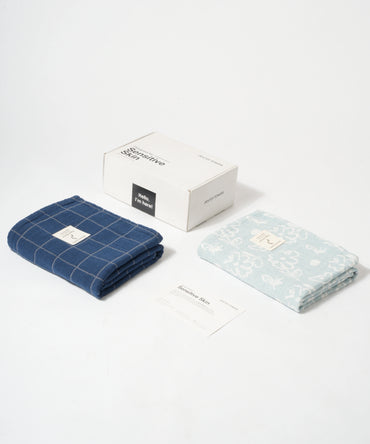
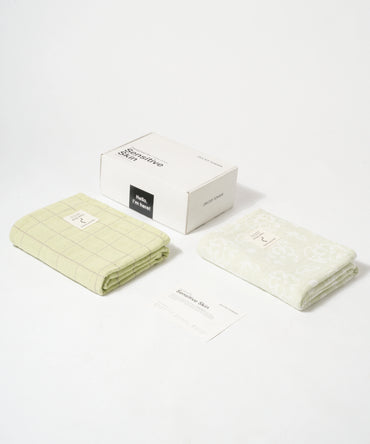
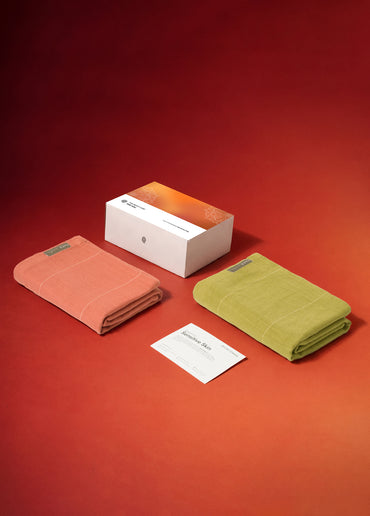
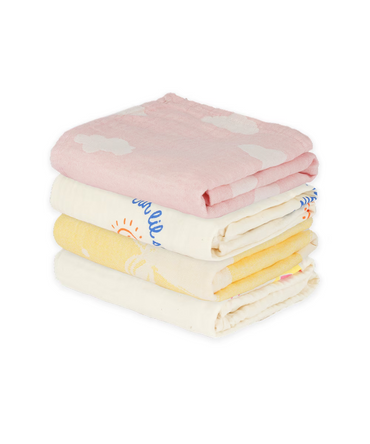
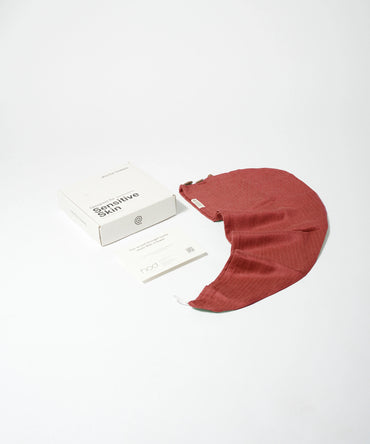
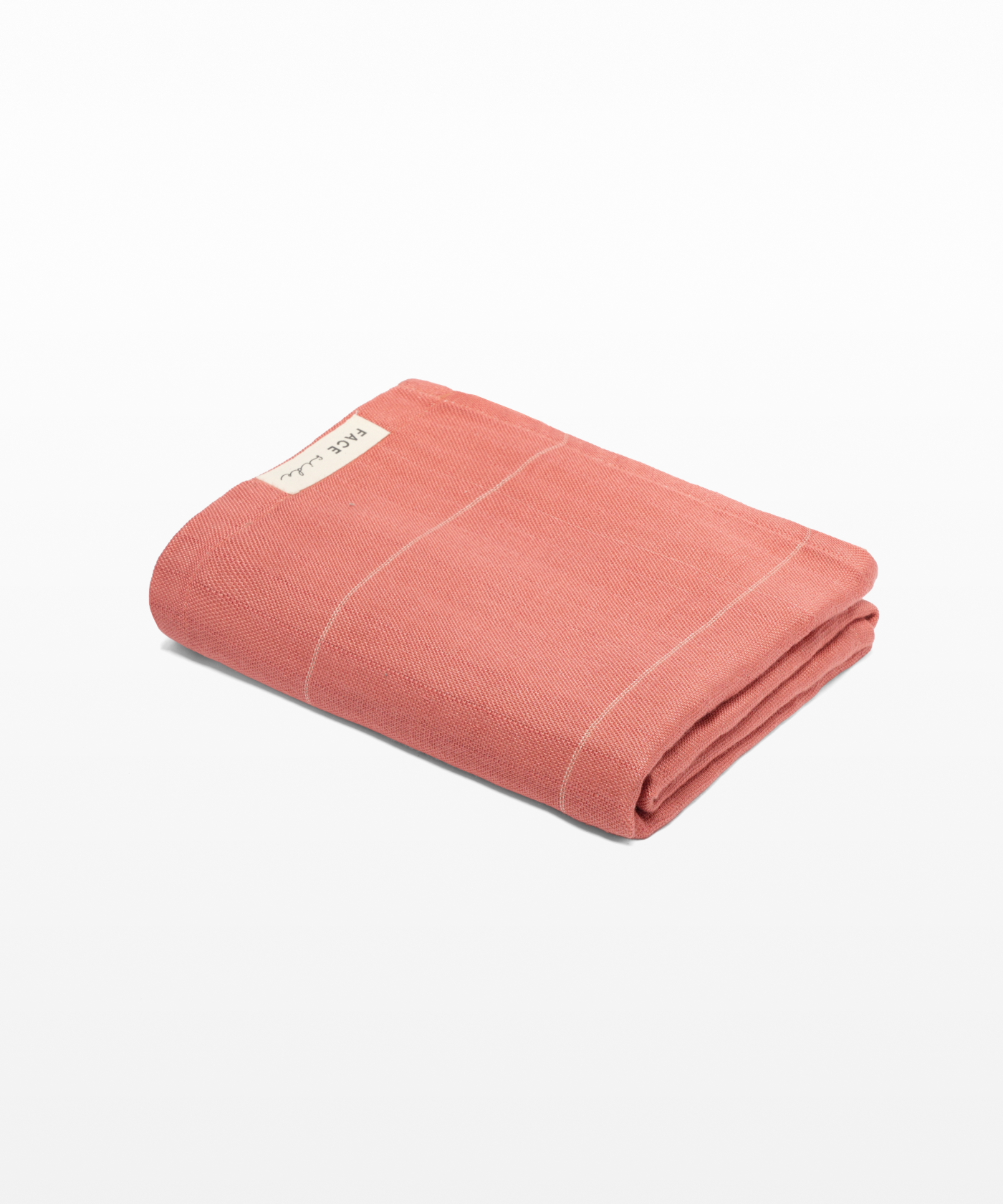
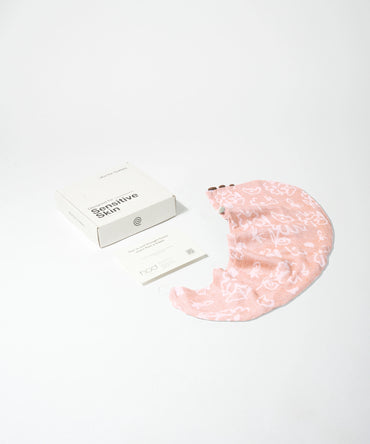
Normal towel
- Oil
- Bacteria
- Dampness
- Residue
Skip to content
Saved for later
Loading your wishlist...
Face Hygiene
Normal towel
Doctor towel
Regular towels collect oil, bacteria, and dampness.
A dedicated Doctor Towel gives clean skin a cleaner first touch.
Baby Towel in India sounds like a simple bath-time purchase, but the real question is whether the towel stays gentle, dries on time, and fits the daily rotation of an Indian home.
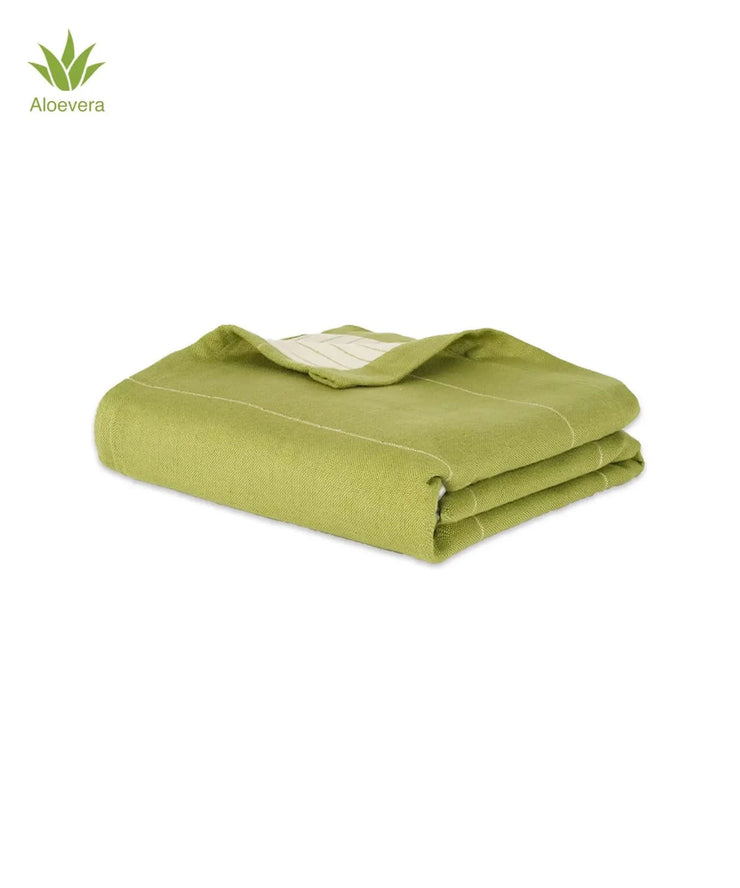
Baby Towel in India is usually searched by parents who think they are making a soft-fabric decision, but most of the real stress shows up after the purchase. The towel has to touch delicate skin, absorb water quickly without rough wiping, dry fast enough for the next bath, and stay fresh in homes where humidity, shared bathrooms, and delayed laundry can quietly turn a good-looking towel into a poor daily habit. What sounds like a cute baby-shopping choice is often a routine-design problem.
That is why Baby Towel in India deserves a more practical answer than “pick something soft.” A baby towel has to work inside Indian conditions: summer sweat, monsoon air, hard water, compact bathrooms, and parents who may be juggling work, feeding, bathing, laundry, and sleep on the same day. A towel that feels gentle in the store but stays damp for hours or becomes rough after repeated washes is not solving the problem well enough.
Doctor Towels belongs in this conversation as a hygiene-first comparison point, but not as a magical answer to every baby-towel need. Doctor Towels is premium and expensive compared with ordinary baby towels, and it is not the cheapest option if your only need is body drying for an infant after bath time. Its logic is stronger when parents realise that the household also needs a more intentional face-towel routine for adults in the same damp bathroom, instead of letting one general towel system touch everybody.
Parents usually notice the obvious post-bath problems first. Maybe the baby’s skin looks a little redder after drying. Maybe the towel smells slightly stale even though it was washed recently. Maybe the towel never seems fully dry by evening. Maybe the same towel gets used again because bath time arrived before laundry did. Each one looks small on its own, but together they create a routine that is more reactive, more rushed, and less skin-aware than it should be.
In Indian homes, this gets complicated quickly because the towel is living inside a climate and storage problem as much as a baby-care problem. Bathrooms are often small. Airflow is inconsistent. Family members may use the same drying area. During monsoon weeks, even washed towels can take longer to feel fully ready. When that happens, people compromise. They use yesterday’s towel one more time. They dry more quickly and more forcefully. They treat the towel as “good enough” because the child is crying or the schedule is full.
The real issue is not that parents are careless. The real issue is that Baby Towel in India is too often framed like a decorative nursery purchase instead of a repeated skin-contact tool. A baby towel has one of the most important jobs in the routine because it touches warm, damp skin immediately after bathing, when the skin barrier is more vulnerable and the next few minutes decide whether the routine feels calm or slightly abrasive.
This is where towel choice stops being about marketing words and starts being about daily behaviour. Does the towel let you pat dry gently? Does it avoid that heavy, still-damp feeling by the next use? Does it keep a clear job in the house, or is it likely to drift into adult use, bathroom overflow, or rushed reuse? Those are the questions that shape whether the towel works in real life.
The most useful skin guidance here is simple and consistent. Pediatric and dermatology advice for delicate or eczema-prone skin repeatedly comes back to gentler bathing, less rubbing, and faster return to moisturising when needed. The American Academy of Dermatology advises parents to avoid scrubbing delicate skin and to keep routines supportive of the skin barrier. HealthyChildren.org, from the American Academy of Pediatrics, also emphasises gentle drying and dry-skin prevention in babies and toddlers.
That matters because friction is easy to underestimate during bath time. A towel does not need to feel sharp to be too rough for delicate skin when it is used quickly over the cheeks, neck folds, chest, arms, and legs. Parents often think about soap, water temperature, and lotion first, which makes sense, but the drying step is still a repeated contact step. Repeated contact is exactly where habits matter.
Indian conditions add another layer. A towel that stays damp too long is more likely to be reused before it feels fully reset. A towel that feels heavy from detergent or hard-water residue may feel less comfortable over time. A towel that takes too long to dry can push the household toward corner-cutting, even when everyone means well. So Baby Towel in India is not only about softness on day one. It is about how the towel behaves after washing, after hanging, after humidity, and after repeated daily use.
The science-based takeaway is modest but useful. Gentle skin benefits from gentle drying. Lower-friction handling, cleaner rotation, and a towel that can actually reset in the home environment usually matter more than decorative packaging or baby-themed marketing.
If the towel is still not quite dry by the next bath, parents are more likely to reuse it than to rework the whole schedule.
Even a decent towel can become too aggressive if it gets rubbed over damp skin instead of pressed and lifted.
The towel that started soft may feel heavier or harsher after repeated Indian wash cycles.
A baby towel should not quietly become the nearest all-purpose towel in a busy bathroom.
Parents often buy for appearance first and discover later that drying time and reset time matter more.
Parents rarely describe this like textile engineers. They say practical things: “the towel looked soft but my baby still seemed uncomfortable,” “bath time feels fine until I dry the skin,” “the towel never feels fresh enough in this weather,” or “I do not know whether the problem is the soap, the towel, or the bathroom.” Those are useful observations because they point to routine friction rather than to dramatic claims.
The customer-language material in this repo also keeps returning to a broader truth: people want fabrics that feel like they belong in a skin-aware routine, not just a general household routine. That instinct matters for baby care. Parents are not only buying absorbency. They are buying predictability, gentleness, and one less variable to worry about after the bath.
In India, the context is even more specific. Summer heat means more bathing. Monsoon weather means slower drying. Shared homes mean towel overlap. Laundry may not happen the moment a towel feels less ideal. So Baby Towel in India is one of those queries where the buyer thinks the decision is about a single product, but the satisfaction really depends on the whole system around it.
That is also where Doctor Towels enters honestly. It is not the obvious answer for infant body drying alone. It is more relevant when parents realise the family bathroom needs better towel boundaries overall, especially for adult face use and repeat skin contact after the baby routine is done.
Press the towel onto the skin and lift the water away. That single habit often matters more than the difference between two similar-looking towels.
Baby Towel in India works best when you have enough towels that one damp towel never becomes the default just because the next bath arrived too soon.
The real test is how it feels after humidity, hard water, and detergent cycles, not only how it feels when first opened.
Do not let it become the nearest hand towel or backup body towel for adults.
If airflow is poor and towels are crowded, even a good towel can become a weak routine tool.
If you are also thinking about what repeated towel contact means for the rest of the family, this earlier guide on Baby Towels: The Skin-Contact Step Parents Often Overlook After Bath Time is a useful companion read.
If skin symptoms keep repeating or seem severe, the towel should be treated as one routine factor, not as a diagnosis or substitute for care.
Here are the ten checks that make Baby Towel in India a better buying decision in real homes.
Do not trust only the store feel. The towel has to stay workable after Indian water conditions and detergent use.
If the towel is still damp when the next bath or clean-up arrives, it is already a bad fit for the household.
A towel that is too bulky for the available hanging space can slow the routine down.
The right towel should support gentle drying rather than forcing more movement across the skin.
This matters more during monsoon and in smaller flats than most product listings admit.
Buy for the real rotation you can maintain, not the ideal schedule you wish you had.
Clear role separation improves hygiene and lowers confusion in mixed-use bathrooms.
Sometimes the towel issue is not fabric alone. It is what remains on the fabric.
If the main issue is adult face hygiene in the same bathroom, the better spend may be separate face-towel logic rather than an even pricier baby towel.
Expensive only makes sense when it improves gentleness, reset time, or role clarity enough to matter.
Doctor Towels is useful here because it treats towel choice as part of a skincare-aware routine instead of as an afterthought. That framing fits households that have started noticing how much towel role confusion affects comfort and hygiene. The strongest positives are practical: Doctor Towels makes sense for readers who want a more intentional face-towel routine for adults, who care about repeated skin contact, and who are trying to stop damp body towels from drifting into facial use.
The drawbacks need to stay explicit. Doctor Towels is premium and expensive compared with ordinary baby towels. It may not be the smartest spend if your only concern is drying an infant after bath time. Some homes will get more value from a simpler baby towel plus stricter rotation and faster drying habits. The honest fit is this: Doctor Towels is more relevant to the family face-towel side of the hygiene system than to the baby body-drying side alone.
That honest positioning still matters. Parents often improve one part of the towel routine and realise the rest of the household is still improvising. A dedicated, hygiene-first towel choice can make sense there, but it should be chosen by readers who value hygiene and performance enough to pay more.
Baby Towel in India is not a minor nursery accessory decision. It is a repeated skin-contact decision shaped by humidity, drying time, laundry frequency, and the very normal chaos of Indian family bathrooms. The best baby towel is not the cutest or thickest. It is the one that stays gentle after washing, dries on schedule, and fits a realistic rotation without encouraging rushed reuse.
If your only need is infant body drying, a well-chosen standard baby towel may be enough. If the bigger issue is that the whole bathroom towel system is too blurry, especially around adult face contact, Doctor Towels is a reasonable next step to compare even though it is premium and expensive. Better routines usually come from clearer towel roles, not from assuming one towel can solve every job.
Because Indian humidity, compact bathrooms, hard water, and delayed laundry all change how the towel behaves after the first use.
As often as needed to avoid using a towel that still feels damp, stale, or rough. The exact schedule depends on the home and the season.
It is better not to. Clear towel roles reduce confusion and improve hygiene.
Doctor Towels fits best when the household also needs a more intentional face-towel routine. It is less relevant if the only goal is basic infant body drying.
Updated on 25 May 2026
Updated on 23 May 2026