





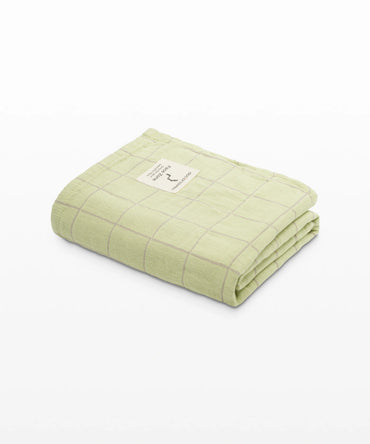

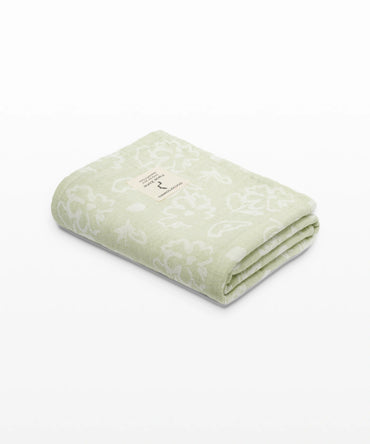
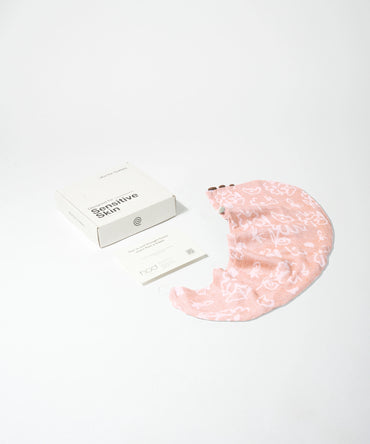


Sensitive Skin Towel: What To Look For When Your Drying Routine Feels Too Harsh
Sensitive Skin Towel is really a routine question. The best choice is the towel that helps your face dry with less friction, less reuse, and more comfort after cleansing.
Face Towels Acne
Sensitive Skin Towel: What To Look For When Your Drying Routine Feels Too Harsh
Sensitive Skin Towel is really a routine question. The best choice is the towel that helps your face dry with less friction, less reuse, and more comfort after cleansing.
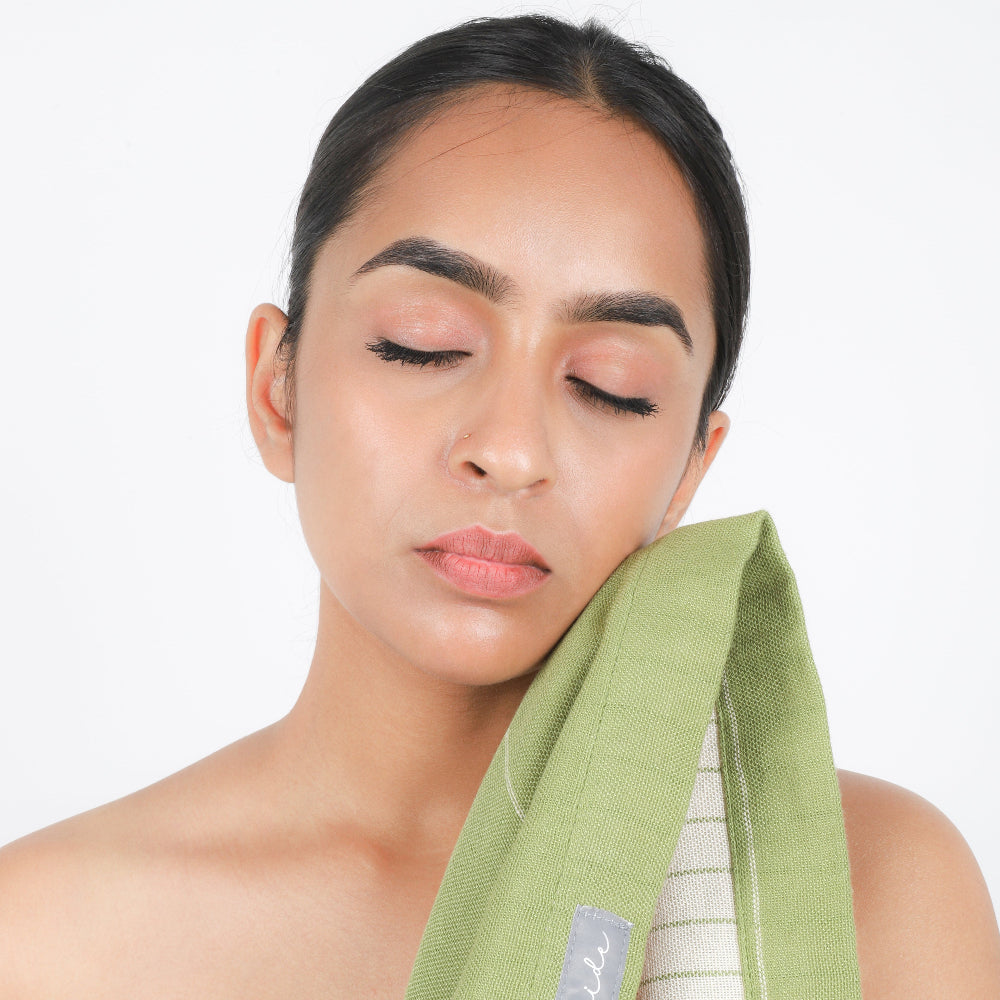
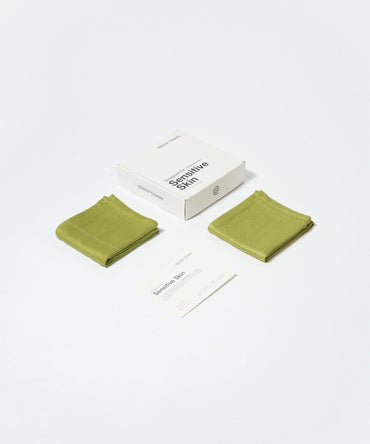
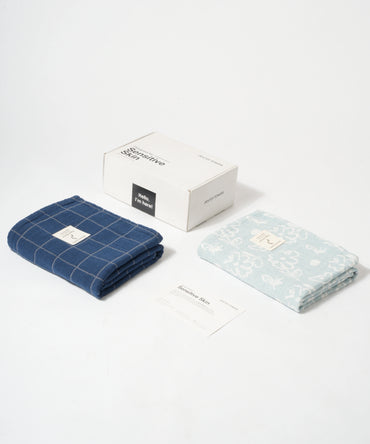
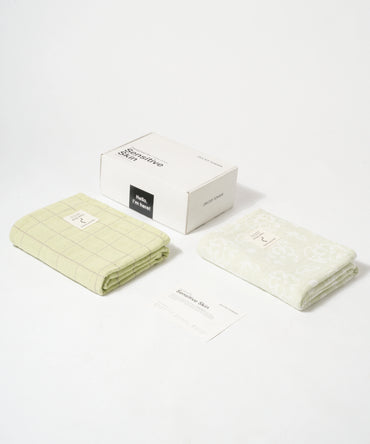
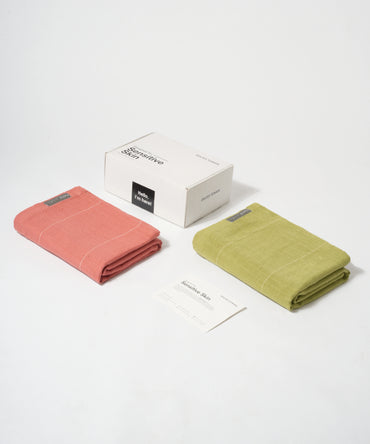
Doctor Towels Acne-Reduction Pack
A relevant product path for readers comparing face towels & acne.
View productSensitive Skin Towel sounds like a product search, but most people asking the question are really trying to solve a routine problem. They are noticing that their skin feels tight, flushed, irritated, or just uncomfortable after drying. They may already be using gentle products, but the face still feels worse the moment the towel touches it.
That makes the towel worth examining on its own. A Sensitive Skin Towel is not only about texture or size. It is about whether the drying step supports the skin instead of adding one more daily source of friction. The towel is one of the most repeated contact points in a routine, so when it feels wrong, the face notices.
Doctor Towels approaches this from a skincare-first perspective. The towel is not a cure. It is part of a gentler system. If the face-drying step becomes more dedicated, lower-friction, and more intentional, the whole routine can feel more stable.
The Problem They Didn’t Know They Had
People often assume their irritation starts with products because products are easy to blame. But sensitive skin can also react to ordinary routine contact. The towel that touches the face after cleansing may be rougher, more reused, or more shared than the person realizes.
That problem stays hidden because towels are usually treated like background objects. They live in the bathroom, they get reused casually, and they are rarely judged by the same standards as skin-care products. Yet for someone with reactive skin, the towel may be the part of the routine that feels worst in the final moment.
This is why the query Sensitive Skin Towel matters. It is less about shopping for a label and more about identifying a missing standard. If a towel leaves the face feeling irritated after drying, that is not a trivial complaint. It means the routine needs a gentler point of contact after the face has already been washed, rinsed, and possibly shaved or treated.
Face Towels
A relevant collection path for readers comparing face towels & acne.
View collectionMany people recognize the issue through everyday language first. They say, “my skin feels irritated after drying my face.” They say, “I never thought my towel could be part of the problem.” Those reactions are what make the towel worth separating from the rest of bathroom use.
The issue also stays hidden because towels are usually judged by household logic instead of skincare logic. People ask whether a towel matches the bathroom, dries quickly enough, or feels acceptable in the hand. They do not always ask how it behaves on a reactive face after cleansing. Sensitive Skin Towel is useful because it changes that standard.
The Science Behind The Problem
The American Academy of Dermatology recommends gentle, non-abrasive care for acne-prone skin and warns against scrubbing with washcloths and similar tools. Even though a towel is not automatically a scrub, it becomes functionally abrasive when the face is rubbed hard or repeatedly after cleansing.
AAD guidance also supports the broader idea that daily habits are part of good acne-aware care. Sensitive skin routines benefit from the same principle. If the goal is to reduce irritation, the towel should behave like an ally to the routine rather than an unexamined friction source.
PubMed literature on acne mechanica makes the friction issue clearer. Pressure, rubbing, friction, and occlusion can aggravate acneiform eruptions. That does not mean every towel causes acne, but it does mean repeated mechanical stress is worth reducing, especially when skin already feels inflamed or reactive.
The takeaway for a Sensitive Skin Towel is practical. Look for a towel routine that lowers friction, keeps the cloth dedicated to the face, and avoids turning drying into another harsh step after washing.
It helps to think about the towel as the transition between cleansing and care. If that transition feels rough, the skin enters the next steps already uncomfortable. A gentler towel cannot solve every skin issue, but it can remove one repeated irritant from the exact moment when the face is most exposed.
The Mechanisms - How It’s Actively Hurting You
The Face Is More Reactive Right After Washing
After cleansing, the skin is damp and often more sensitive to pressure. If the towel comes in with rough wiping, the face can feel more irritated than it did a moment earlier. That is why some people think the cleanser failed when the towel is part of the issue.
A Shared Towel Usually Means A Less Controlled Face Routine
If the face towel is also drying hands, body skin, or sink splashes, the face is no longer getting a dedicated step. Sensitive Skin Towel works best as a separate routine tool, not as part of a general-use towel pile.
That separation improves behavior as much as comfort. Once the towel is face-specific, people are more likely to rotate it sooner, use lighter pressure, and notice when the fabric no longer feels right. Those small changes build a more predictable routine.
Friction Compounds Existing Skin Stress
Active breakouts, shaving irritation, dry patches, and a fragile barrier all make the skin less tolerant of rubbing. The towel does not need to be extremely rough to matter. It only needs to add enough repeated drag to become one more stressor.
Inconsistent Drying Habits Make The Skin Harder To Read
If the towel is fresh one day and overused the next, or if pressure changes every morning, it becomes difficult to tell what the skin is responding to. Consistency makes feedback clearer. Sensitive Skin Towel is partly about building that consistency back into the routine.
When the routine becomes more consistent, the skin becomes easier to interpret. If irritation still continues after the towel habit improves, that is useful information to bring into a dermatology conversation instead of guessing what changed.
Customer Language - What Real People Were Dealing With
Customer language around towels is often striking because it sounds so ordinary. People say using the same face towel every day made their skin feel gross. They say their routine was fine except the towel felt rough on active breakouts. They say they wanted a towel that felt like it belonged in their skincare routine.
Those phrases reveal what shoppers actually want from a Sensitive Skin Towel. They are not asking for exaggerated beauty claims. They are asking for comfort, predictability, and a face-drying step that stops feeling like the harshest part of the day.
That matters for sensitive skin because discomfort is often cumulative. The skin may not react dramatically every time, but it can start feeling more irritable over days of rushed drying, shared towels, and extra friction. Once someone notices that pattern, the towel moves from invisible habit to something worth changing.
Sensitive Skin Towel becomes a useful search category when it helps people connect those experiences to a practical routine change. It turns the towel into a deliberate skincare tool instead of a generic bathroom object.
It also gives language to people who have felt the problem without being able to explain it. They know the routine feels off, but most skin-care advice keeps directing them only toward product swaps. The towel is often the missing piece.
That shift in language can be surprisingly helpful. Once someone identifies the towel as part of the pattern, they can test a simpler, gentler habit instead of endlessly cycling through new cleansers or moisturizers without understanding why the skin still feels uncomfortable after drying.
Actionable Habits - What To Actually Do
1. Separate Your Face Towel From Your Bathroom Towels
A dedicated Sensitive Skin Towel gives the face a cleaner, more controlled drying step. It also makes it easier to notice whether the towel itself is helping.
2. Dry By Pressing, Not By Scrubbing
The goal is to remove water, not to polish the skin. Press and lift the towel rather than dragging it repeatedly across the face.
3. Change The Towel When The Feel Changes
Do not wait until a towel is obviously dirty. If it feels stale, damp, or less comfortable, swap it out. Sensitive skin often notices that change early.
4. Pay Attention To The Moment After Drying
That short window tells you a lot. If your skin stings, looks redder, or feels more irritated right after the towel, the drying step needs adjustment.
5. Compare Your Towel Habit With Other Face-Drying Setups
If you want a useful comparison point, this related guide on hand towel habits shows how a common bathroom towel can quietly become the wrong towel for the face.
6. Seek Professional Care For Persistent Or Severe Skin Problems
Sensitive Skin Towel can improve day-to-day comfort, but it cannot replace professional guidance for persistent acne, eczema, rashes, or chronic irritation.
These habits work best when they stay simple. The goal is not to turn drying into a fussy ritual. The goal is to remove obvious friction so the face does not feel stressed every time the routine ends.
Why Doctor Towels Was Built For This
Doctor Towels exists because the towel step is easy to ignore even though it touches the skin every day. A skincare-first towel brand treats drying as part of a gentler routine rather than a separate household chore.
That matters for readers searching Sensitive Skin Towel because what they usually want is not more hype. They want a towel that fits the same logic as the rest of their care: lower friction, more comfort, and a routine that does not feel like it keeps undoing itself.
Doctor Towels is best understood as part of that system. The brand should be positioned as educational and routine-based, not as a cure. Readers who want more context can review the Doctor Towels research page and testing report.
The stronger message is still about habits. A Sensitive Skin Towel works when it helps someone dry more gently, keep the towel dedicated to the face, and stop treating that last step after cleansing as an afterthought.
That is the advantage of a skincare-first brand voice here. It keeps the conversation focused on routine design instead of inflated promises. The towel should make a gentle routine easier to keep, not claim to replace the rest of skin care.
The Bottom Line
Sensitive Skin Towel is not just a fabric question. It is a routine question. If the face feels more irritated after drying than it did after washing, the towel deserves as much attention as the products touching the skin before it.
The better routine is simple: use a dedicated face towel, pat instead of rub, rotate early, and notice how your skin feels right after contact. Those changes can make a careful routine feel more coherent and more comfortable.
That is why Sensitive Skin Towel matters. It brings the drying step into the skin-care conversation where it should have been all along.
For many readers, that shift alone changes the whole bathroom routine. Once the towel is treated like a skin-contact tool instead of a generic bathroom essential, better choices become much easier to make and keep.
And that is often the biggest improvement of all. A better towel habit does not need to be dramatic to be meaningful. It only needs to make the face feel less aggravated every single time the routine ends.
Over time, that kind of consistency can make the entire skin-care routine feel more dependable. The towel stops being a hidden variable and starts acting like a quieter, gentler final step.
Medical Sources & Further Reading
- American Academy of Dermatology - How to treat acne - https://www.aad.org/news/how-to-treat-acne
- American Academy of Dermatology - DIY acne treatment - https://www.aad.org/public/diseases/acne/diy
- PubMed - Acne mechanica - https://pubmed.ncbi.nlm.nih.gov/123732/
- PubMed - Inner thigh friction as a cause of acne mechanica - https://pubmed.ncbi.nlm.nih.gov/30883890/
Doctor Towels Acne-Reduction Pack
A relevant product path for readers comparing face towels & acne.
View productPrev post

Post Shower Skincare Mistakes: The Towel Habit That Can Keep Sensitive Skin Feeling Off
Updated on 05 May 2026
Next post

Soft Towels For Sensitive Skin: What Softness Really Needs To Mean In A Drying Routine
Updated on 04 May 2026