Tips and DIY on Skincare, Wellness, Personal Hygiene

Silver Infused Vs Zinc Embedded Towels: What Actually Matters For Skin

You can have a gentle cleanser, a careful serum routine, and still end up rubbing your face dry with whatever towel is hanging nearby. That is often the step people do not think about until their skin starts feeling irritated, tight, or just not calm after washing. The aha moment is simple: your face-drying routine is part of skincare too, and the towel material matters for skin comfort more than most marketing pages let on.

A lot of the search around silver infused vs zinc embedded towels sounds like a materials debate. But for acne-prone skin and sensitive skin, the more useful question is usually this: does the towel support a gentler routine, or does it add more friction and more chances to irritate skin that is already reactive?


The Problem They Didn’t Know They Had

People usually start looking into antimicrobial towels or antibacterial towels for one reason: something about their routine feels off, even when the rest of their products seem fine.

Common versions of that problem look like this:

  • your skin feels irritated after drying your face
  • active breakouts feel more sensitive after washing
  • the towel feels rough on acne-prone areas like the jawline or cheeks
  • using the same face towel every day starts to feel gross
  • you never thought your towel could be part of the problem until everything else in your routine seemed reasonable

That last one matters. A face towel is often treated like a basic household item, not an intentional skincare step. But acne-friendly skin care is built on small habits that reduce avoidable irritation. The American Academy of Dermatology says dermatologists recommend gentle, non-abrasive cleansing and specifically caution that scrubbing with washcloths, sponges, and other tools can irritate acne-prone skin. That is a useful reminder that skin does not only react to ingredients. It also reacts to pressure, rubbing, and rough handling.

This is why do antimicrobial towels work is not really the first question to ask. The first question is whether the towel is helping you keep things gentle.


The Science Behind The Problem

The research allowed here points in one direction: skin that is prone to breakouts or irritation does not do well with unnecessary mechanical stress.

The American Academy of Dermatology, in its acne care guidance, emphasizes gentle skin care habits as part of acne management and warns against abrasive scrubbing. That matters because many people are still drying their face with more pressure than they realize, especially when they are trying to remove water quickly or clean around active breakouts.

Two PubMed-supported references on acne mechanica add the missing piece. They show that friction, pressure, rubbing, and occlusion can aggravate acneiform eruptions, and that mechanical friction can contribute to acne mechanica in friction-prone areas. While those papers are not about towels specifically, they are directly relevant to the mechanism. A towel is one more thing that can create repeated rubbing on already stressed skin.

So when people compare silver and zinc, they are often looking at the wrong layer of the problem. The bigger skincare lens is:

  • how much friction the towel creates
  • how your face-drying routine affects irritation
  • whether you are reusing a face towel longer than feels clean or comfortable
  • whether the towel belongs in a gentle routine at all

That is the real frame for towel material matters skin conversations.


The Mechanisms — How It’s Actively Hurting You

Friction And Rubbing Can Aggravate Already Reactive Skin

The strongest source-backed takeaway in this article is also the simplest. The American Academy of Dermatology advises gentle, non-abrasive cleansing and cautions that scrubbing with washcloths, sponges, and similar tools can irritate acne-prone skin. If scrubbing is a problem during cleansing, aggressive rubbing can also be a problem during drying.

For sensitive skin, that can show up as:

  • more visible redness after washing
  • stinging when skincare goes on next
  • discomfort around active breakouts
  • a face that feels over-handled instead of calm

For acne-prone skin, this matters because irritation can make an already inflamed situation feel worse. It is one reason a softer, lower-friction face-drying routine makes sense even before you get into antimicrobial claims.

Pressure, Occlusion, And Repeated Contact Matter More Than Marketing Buzzwords

The PubMed article on acne mechanica supports the idea that friction, pressure, rubbing, and occlusion can aggravate acneiform eruptions. Another PubMed paper notes that mechanical friction can contribute to acne mechanica in friction-prone areas.

Again, these are not towel trials. But they do help explain why repeated towel contact can be relevant for people who are already noticing irritation. If you press, drag, or rub the same areas every day, that repeated mechanical stress can become part of the pattern.

This is where the phrase chemical vs mechanical antimicrobial can distract from what skin is actually experiencing. Your skin does not just experience a claim on a label. It experiences contact, pressure, texture, and routine repetition.

Wash Durability Only Matters If The Towel Still Fits A Gentle Routine

People searching antimicrobial towel wash durability are asking a smart question. If a towel is marketed around silver infusion or zinc embedding, they want to know whether that feature still means anything after repeated laundering.

That is a fair materials question, but it is easy to over-prioritize it. Even if a claim is durable, it still does not replace the basics:

  • use a clean face towel
  • avoid rubbing
  • choose a surface that feels gentle on skin
  • make the towel step intentional, not careless

In other words, durability only matters inside a routine that already respects skin comfort and cleanliness.

Routine Fit Matters More Than A Single Ingredient Story

The American Academy of Dermatology also notes that acne-friendly skin care and dermatologist-recommended habits are a core part of acne management. That is a useful way to think about towels. A face towel should fit into the same category as your cleanser and moisturizer: not magical, just supportive of a gentler process.

That is also why terms like microbiome friendly towel can get fuzzy fast. Without clear source-backed evidence in front of you, the safer approach is to evaluate practical routine fit:

  • does it feel gentle enough for daily face use
  • does it make pat-drying easier than rubbing
  • does it feel like a dedicated skincare step rather than a shared bath towel habit
  • does it make your routine feel cleaner and more consistent

Customer Language — What Real People Were Dealing With

The customer-language examples in the source file are useful because they sound like what this problem actually feels like in daily life.

People do not usually say, “I am evaluating textile ion technologies.” They say things like:

  • “my face towel was giving me jawline acne”
  • “my skin feels irritated after drying my face”
  • “I never thought my towel could be part of the problem”
  • “using the same face towel every day made my skin feel gross”
  • “my routine was fine except my towel felt rough on active breakouts”
  • “I wanted a towel that felt like it belonged in my skincare routine”

That language gets closer to the real issue. The problem is not just whether silver is better than zinc. The problem is that a lot of people with acne-prone skin are still using a towel setup that feels like an afterthought.

And when the towel step is an afterthought, a few things tend to happen:

  • the towel is too rough for active breakouts
  • the same towel gets reused longer than feels comfortable
  • drying becomes rubbing instead of patting
  • the face towel does not feel separate from the rest of the body-care laundry cycle

If that sounds familiar, the answer is usually not to chase the loudest antimicrobial claim. It is to build a face-drying routine that is more skin-aware from the start.

For readers trying to think through acne-safe fabric choices more broadly, our guide on acne-safe towels is a useful next layer.


Actionable Habits — What To Actually Do

1. Stop Rubbing Your Face Dry

If your skin gets irritated easily, the first fix is often mechanical, not product-based. After cleansing, press or pat the towel onto skin instead of dragging it across the face.

Why it helps:

  • it lowers friction
  • it is less disruptive around active breakouts
  • it aligns better with the AAD guidance to avoid abrasive handling

2. Use A Dedicated Face Towel, Not Whatever Towel Is Nearby

A dedicated face towel makes the drying step feel intentional. It also helps separate your skincare routine from general bath habits.

What to look for:

  • something you reserve for the face
  • a surface that feels gentle, not scratchy
  • a routine that makes clean swaps easier

3. Pay Attention To Surface Feel Before You Pay Attention To Buzzwords

When comparing silver infused vs zinc embedded towels, people often jump straight to the treatment claim. But for daily use, texture and friction may matter more to your skin experience.

Ask practical questions:

  • does this feel comfortable on irritated areas
  • can I pat dry without dragging
  • would I want this touching a breakout
  • does it feel like it belongs in a gentle routine

4. Be Skeptical Of Big Claims That Ignore Daily Use

A towel can be marketed as antimicrobial and still be a poor fit for sensitive skin if it encourages rough handling or does not feel good in regular use.

A better filter is:

  • what is the actual face-drying experience
  • how does it hold up in a real routine
  • does the brand explain the towel as part of skincare, not as a cure

5. Keep The Whole Routine Gentle, Not Just The Towel Step

The AAD guidance on acne points back to the bigger picture: acne-friendly skin care habits matter. A gentler towel helps, but it works best inside a routine that also avoids harsh scrubs and over-handling.

That means:

  • cleanse gently
  • avoid aggressive tools
  • dry with minimal friction
  • apply the rest of your skincare without rushing or rubbing

If you want more context on how fabric claims fit into acne-aware routines, the broader Antimicrobial Textiles - The Science discussion can help frame the question.


Why Doctor Towels Was Built For This

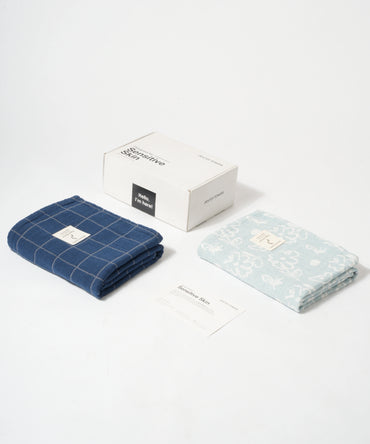
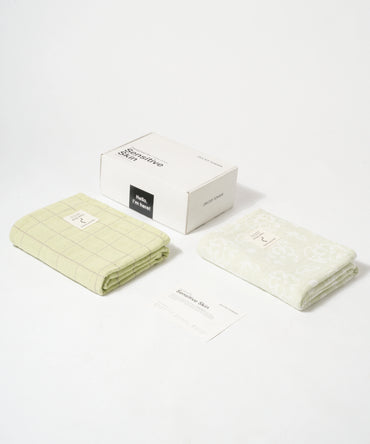
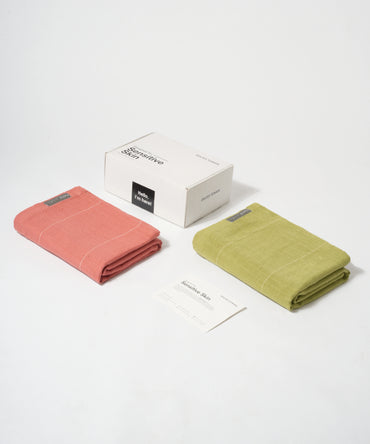
Doctor Towels is positioned as a skincare-first towel brand, which matters because this whole topic makes more sense in skincare language than in bath-linen language. The towel step should be treated as an intentional skincare step, not an afterthought.

Within the approved product knowledge, Doctor Towels belongs in the same conversation as cleansers, serums, and skin-barrier-friendly habits. That is the right context for readers comparing silver infused vs zinc embedded towels and trying to decide what actually matters.

What makes that framing useful is not a cure story. It is routine fit.

Doctor Towels can be understood as:

  • part of a gentle face-drying routine
  • a lower-friction, more skin-aware habit
  • a face towel designed to sit inside skincare, not outside it

The brand research resources are here for readers who want to review more of the company’s educational material and testing context:

Because the approved source set for this draft does not include verified support for claims around SkinShield Technology™, Dual-Side Design (Patented), Skin-Safe Fibers, 160-Wash Efficacy, or Clinical Validation, this article will not present those as factual claims. The safer, source-backed point is that Doctor Towels is framed as a skincare-first product and should be described as part of a gentle skincare routine, not as a cure.

That distinction matters. It keeps the conversation honest.


The Bottom Line

The most helpful answer to silver infused vs zinc embedded towels is not that one buzzword automatically wins. For acne-prone skin and sensitive skin, the bigger issue is whether your towel supports a routine that is gentle, clean-feeling, and low on friction.

The research used here supports a few clear ideas:

  • abrasive handling can irritate acne-prone skin
  • friction, pressure, rubbing, and occlusion can aggravate acneiform eruptions
  • acne-friendly habits are part of good acne care

That shifts the perspective. A face towel is not just something that removes water. It is a point of contact with skin that may already be inflamed, sensitive, or easy to irritate.

So if your skin has been telling you something feels off, you do not need to start with the loudest textile claim. Start with the quieter question: is your face-drying routine actually gentle enough for the skin you have?

And if breakouts are persistent or severe, it is worth getting professional care from a dermatologist rather than trying to solve everything through routine tweaks alone.


For a full foundation on this pillar, read Antimicrobial Textiles - The Science.

Medical Sources & Further Reading

  • American Academy of Dermatology. How to treat acne. The approved takeaway used here: dermatologists recommend gentle, non-abrasive cleansing and specifically caution that scrubbing with washcloths, sponges, and other tools can irritate acne-prone skin. https://www.aad.org/news/how-to-treat-acne
  • American Academy of Dermatology. DIY acne treatment. The approved takeaway used here: acne-friendly skin care and dermatologist-recommended habits are a core part of acne management. https://www.aad.org/public/diseases/acne/diy
  • PubMed. Acne mechanica. The approved takeaway used here: friction, pressure, rubbing, and occlusion can aggravate acneiform eruptions. https://pubmed.ncbi.nlm.nih.gov/123732/
  • PubMed. Inner thigh friction as a cause of acne mechanica. The approved takeaway used here: mechanical friction can contribute to acne mechanica in friction-prone areas. https://pubmed.ncbi.nlm.nih.gov/30883890/
  • Doctor Towels. Research Page. https://www.doctortowels.com/pages/research-page
  • Doctor Towels. Testing Report PDF. https://cdn.shopify.com/s/files/1/0376/8529/7196/files/Testing_Report.pdf?v=1758528655

Medical Citations

  • How to treat acne - American Academy of Dermatology - https://www.aad.org/news/how-to-treat-acne
  • DIY acne treatment - American Academy of Dermatology - https://www.aad.org/public/diseases/acne/diy
  • Acne mechanica - PubMed - https://pubmed.ncbi.nlm.nih.gov/123732/
  • Inner thigh friction as a cause of acne mechanica - PubMed - https://pubmed.ncbi.nlm.nih.gov/30883890/