Face Towels Acne
Best Materials For Bath Towels: Cotton, Bamboo, Microfiber, And What Sensitive Skin Actually Needs
The best materials for bath towels depend on more than softness. Sensitive skin also needs low friction, good drying, clean rotation, and a towel that stays comfortable after washing.

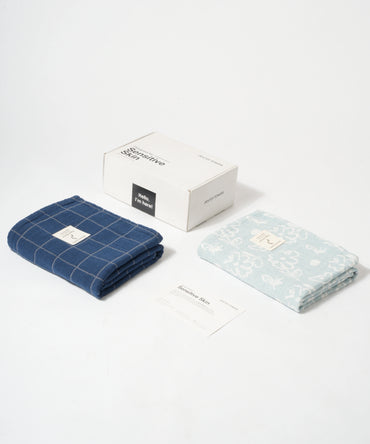
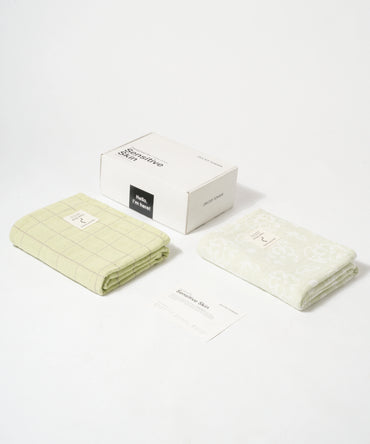
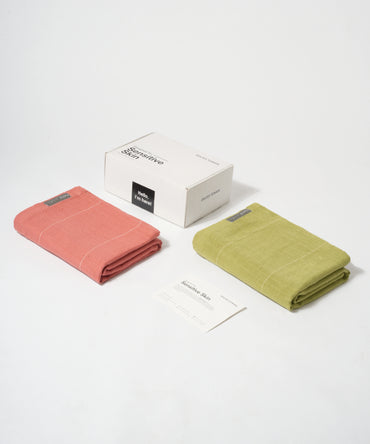
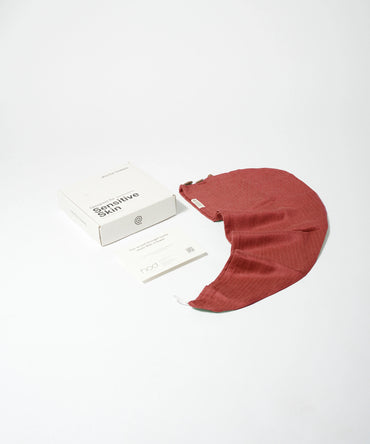
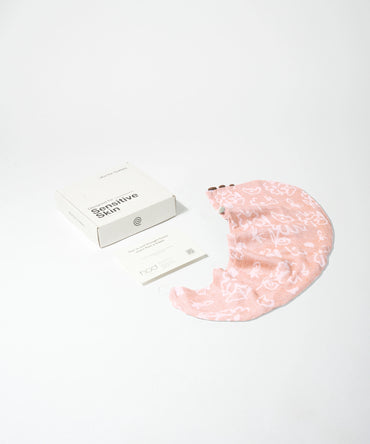
Doctor Towels Acne-Reduction Pack
A relevant product path for readers comparing face towels & acne.
View productBest Materials For Bath Towels sounds like a fabric comparison. Cotton versus bamboo. Microfiber versus terry. Thick versus lightweight. Plush versus quick-dry. Those comparisons matter, but they can also distract from the real skin question: what happens when that material touches damp skin every day?
A bath towel is not just a piece of fabric. It is a repeated skin-contact surface. It touches body skin after heat, soap, sweat, shaving, sun exposure, exfoliation, or gym workouts. It may also touch the face if the routine is not separated. That means material choice should be judged by skin feel, friction, drying behavior, and how the towel holds up after washing.
There is no single best material for every home. A heavy cotton towel may feel excellent in a dry, well-ventilated bathroom. A lighter towel may work better in a humid home. Bamboo-blend towels may feel soft to some people, while microfiber may dry quickly but feel wrong for others. The “best” material is the one that supports the routine without creating new irritation or hygiene problems.
Doctor Towels looks at this through a skincare-first lens. A towel cannot cure acne, eczema-like symptoms, body breakouts, or sensitivity. But the right material and the right habit can reduce avoidable friction and make the drying step feel calmer.
The Problem They Didn’t Know They Had
Most shoppers judge towels with their hands. They touch a towel in a store or imagine softness from an online listing. If it feels fluffy, they assume it is skin-friendly. That assumption is incomplete.
Softness at purchase is not the same as skin comfort after thirty washes. A towel can lose softness, trap detergent residue, dry slowly, or become stiff in hard water. A towel can also be too thick for the bathroom where it is used. If it stays damp for hours, the material may be comfortable in theory but frustrating in practice.

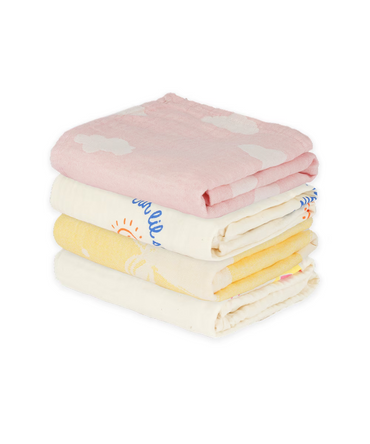
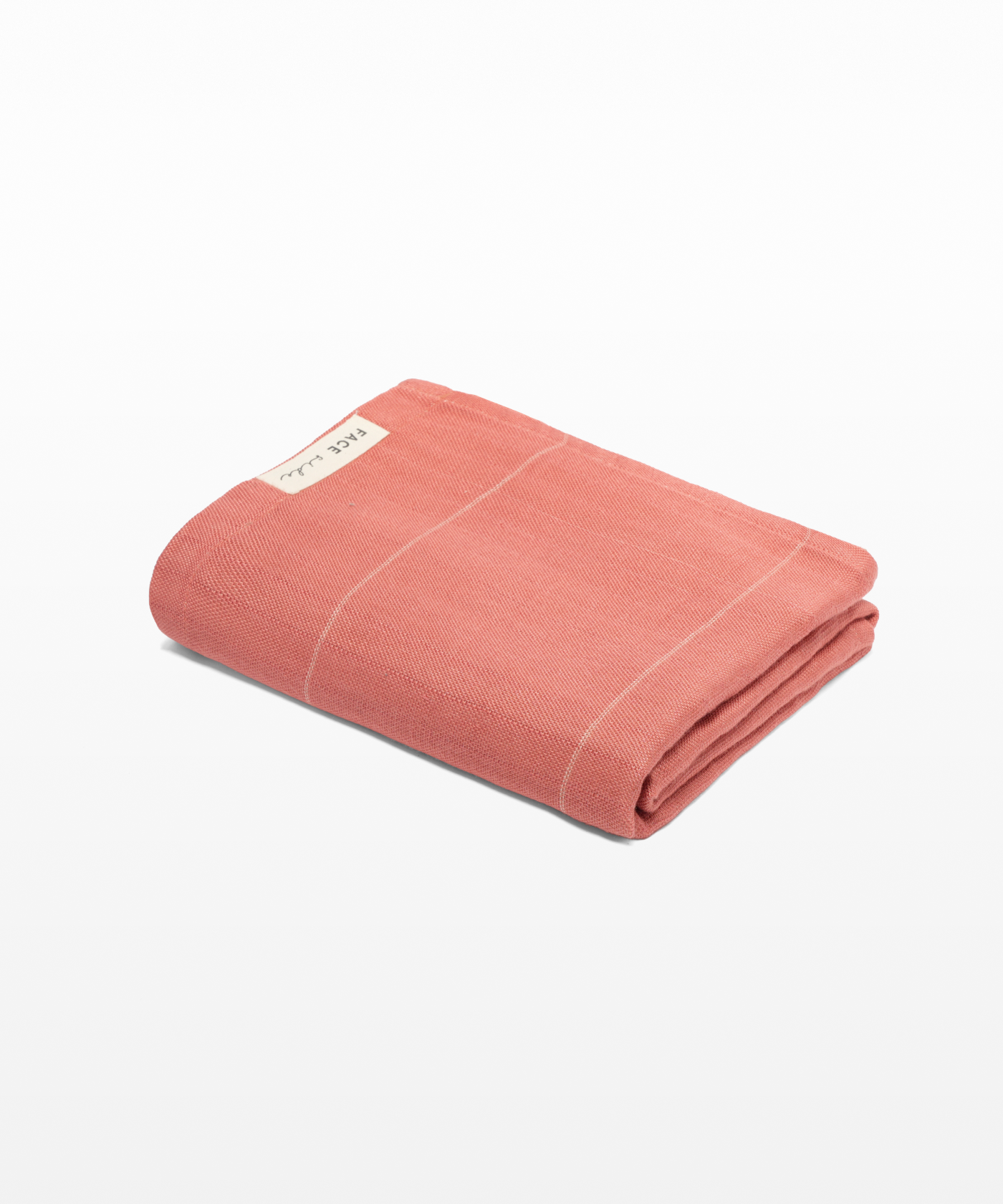
Face Towels
A relevant collection path for readers comparing face towels & acne.
View collectionThe second blind spot is friction. Material affects friction, but so does use. A gentle cotton towel dragged hard across the skin can still irritate. A quick-dry towel used on active breakouts can still feel abrasive if the surface texture is not comfortable. The best materials for bath towels need to be matched with a low-friction drying habit.
The third blind spot is face contact. Bath towel materials are often chosen for body drying. Facial skin is different. It may be exposed to acne treatments, retinoids, sunscreen, shaving, makeup removal, or barrier sensitivity. Even if a bath towel material is good for the body, that does not automatically make it the best face towel material.
This is why the material question should not end with “cotton or bamboo?” It should include absorbency, drying speed, texture, wash durability, residue, humidity, and separation between face and body.
The Science Behind The Problem
The skin barrier helps keep moisture in and irritants out. Cleveland Clinic describes barrier damage as showing up through dryness, inflammation, irritation, acne, roughness, tenderness, and stinging. A bath towel is not the main driver of skin health, but it repeatedly touches the skin barrier at a vulnerable moment: right after washing.
The American Academy of Dermatology advises people with acne-prone skin to avoid scrubbing and keep skin care gentle. That advice applies beyond cleansers. If a towel material feels rough or encourages rubbing, it can work against a gentle routine.
Acne mechanica research gives another useful frame. PubMed references describe acne-like eruptions linked with friction, pressure, rubbing, and occlusion. Bath towels are not medical devices, but they can contribute to repeated mechanical contact. This is especially relevant on the back, chest, shoulders, neck, and jawline.
Hygiene and drying behavior also matter. Bath towels hold water and residue. Medical News Today notes that towels can harbor microorganisms and should be washed regularly. A material that dries faster may be easier to manage in a humid bathroom, while a material that stays wet may require more careful rotation.
The practical science is not complicated. Choose a material that reduces friction, dries predictably, washes cleanly, and stays comfortable. Then use it gently.
The Mechanisms - How It’s Actively Hurting You
Cotton Can Be Excellent Or Too Heavy
Cotton is the default bath towel material for good reason. It is absorbent, familiar, washable, and comfortable when constructed well. But cotton towels vary widely. A dense, heavy cotton towel can feel plush but may dry slowly in humid bathrooms. A cheaper cotton towel can feel scratchy after washing. Cotton is not automatically good or bad. Construction and routine decide the outcome.
Bamboo Blends Can Feel Soft But Still Need Rotation
Bamboo or bamboo-blend towels are often marketed around softness. Some people like the smoother feel. But softness does not remove the need for drying and washing discipline. If a bamboo-blend towel stays damp, is reused too long, or is used aggressively on the face, the material name will not solve the routine problem.
Microfiber Dries Fast But Can Feel Too Grippy
Microfiber towels can be light and quick-drying, which is useful for travel, gym bags, or low-airflow bathrooms. But some microfiber surfaces feel clingy or grippy on skin. For sensitive skin, that texture may feel unpleasant if dragged across the body. If using microfiber, pat instead of rubbing and avoid using it automatically on the face.
Terry Loops Can Feel Plush Or Abrasive
Terry construction gives towels absorbency through loops. The loop quality, yarn softness, density, and finishing all influence skin feel. Loops that feel soft on the hand may still become rough after wear. If the loops catch on dry patches or active breakouts, the towel may be too abrasive for sensitive zones.
Blends Can Hide Tradeoffs
Blended towels may balance cost, softness, drying speed, or durability. But blends should be evaluated by performance, not marketing language. Does the towel dry fully? Does it stay soft after washing? Does it shed? Does it feel gentle on the neck and chest? Those questions matter more than a material label.
Customer Language - What Real People Were Dealing With
People often describe material problems as body feelings. “This towel feels scratchy.” “My towel is soft but never dries.” “My skin feels itchy after showering.” “The towel feels clean at first but stale the next day.” These phrases are more useful than a fabric claim because they describe the actual routine.
There is also confusion around luxury. A towel can be thick, expensive, and beautifully finished while still being wrong for a humid bathroom or sensitive skin. Another towel can be simple, lighter, and better for daily rotation because it dries faster and stays easier to manage.
For acne-prone or sensitive-skin shoppers, the biggest frustration is inconsistency. Skin feels fine after washing but uncomfortable after drying. The person changes body wash or moisturizer, but the towel remains the same. That can make the routine harder to troubleshoot.
When people search for Best Materials For Bath Towels, they are often asking a deeper question: what material can I trust against my skin every day? The answer is material plus habit. Fabric matters, but it cannot compensate for rough drying, poor washing, or using one towel for every body zone.
Actionable Habits - What To Actually Do
1. Choose Cotton When You Want Reliable Absorbency
Cotton is a strong default for bath towels if it stays soft and dries well in your home. Avoid choosing only by maximum thickness. A medium-weight cotton towel may be more practical than an ultra-heavy towel in a humid bathroom.
2. Consider Bamboo Blends For Soft Feel
If you like a smoother hand feel, bamboo blends may be worth comparing. Judge them after washing, not only when new. Make sure they dry fully between uses.
3. Use Microfiber For Specific Jobs
Microfiber can be useful for gym, travel, or fast-drying situations. If the texture feels clingy, use it for the body only and keep a softer dedicated towel for the face.
4. Test Texture On Sensitive Zones
Do not test a towel only with your palm. Try the inside of the forearm, neck, or upper chest. Those areas give a better sense of how the towel may feel on reactive skin.
5. Keep Bath Towels And Face Towels Separate
The best bath towel material is chosen for the body. The face deserves a separate towel habit. For a related guide, read Towels For Face.
6. Pat Instead Of Rubbing
Material choice works best when the drying motion is gentle. Press and lift water off the skin. Avoid dragging the towel across acne-prone, shaved, or irritated areas.
7. Watch How The Towel Ages
If a towel becomes stiff, rough, musty, or slow to dry, it may no longer be the best material for your routine. Skin comfort after repeated washing matters more than first-week softness.
Why Doctor Towels Was Built For This
Doctor Towels is built around a skincare-first view of towels. That means material is judged by what it does in a routine, not by generic claims of softness or luxury. The brand position is simple: the towel step matters because it is repeated skin contact.
Doctor Towels should not be framed as a cure. It is part of a gentle skincare routine. For people with acne-prone or sensitive skin, that distinction matters. The goal is to reduce avoidable friction, keep drying intentional, and separate face contact from body contact.
This is especially useful when comparing the best materials for bath towels. The conversation should not become a material ranking where one fabric wins every scenario. Instead, it should become a routine decision: choose the body towel that dries well and feels gentle, then choose a dedicated face towel for facial skin.
Doctor Towels fits that routine because it helps shoppers think beyond bathroom decor. The towel is not only a color, size, or GSM. It is a daily interface between water and skin. When the material supports that interface, the whole routine feels cleaner and calmer.
The Bottom Line
The best materials for bath towels depend on your skin, bathroom, climate, laundry habits, and drying behavior. Cotton is reliable when it stays soft and dries well. Bamboo blends may feel smoother but still need proper rotation. Microfiber can be practical for quick drying but may feel too grippy for sensitive skin. Terry construction can be plush or rough depending on quality and age.
No material fixes a rough habit. Pat instead of rub. Keep the face separate from the body. Wash towels regularly. Let them dry fully. Replace towels that become stiff, stale, or irritating. If acne, itching, inflammation, or persistent sensitivity continues, get professional medical advice.
Material matters, but the routine decides whether that material actually helps your skin.
Medical Sources & Further Reading
- American Academy of Dermatology - How to treat acne - https://www.aad.org/news/how-to-treat-acne
- American Academy of Dermatology - DIY acne treatment - https://www.aad.org/public/diseases/acne/diy
- PubMed - Acne mechanica - https://pubmed.ncbi.nlm.nih.gov/123732/
- PubMed - Inner thigh friction as a cause of acne mechanica - https://pubmed.ncbi.nlm.nih.gov/30883890/
- Cleveland Clinic - Skin barrier guidance - https://health.clevelandclinic.org/skin-barrier/
- Medical News Today - How often should people wash towels - https://www.medicalnewstoday.com/articles/how-often-should-you-wash-your-towels

Doctor Towels Acne-Reduction Pack
A relevant product path for readers comparing face towels & acne.
View product