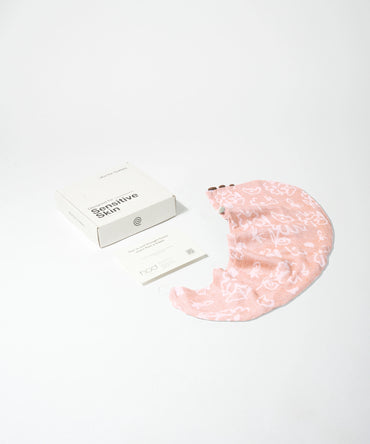
Towel Hygiene
Hand Towel: When A Bathroom Basic Starts Touching Your Face Too Often
Hand Towel sounds harmless because it belongs to the sink area, not the skincare shelf. The problem starts when that same towel keeps finding its way onto the face.

Face Towels
A relevant collection path for readers comparing towel hygiene.
View collectionHand Towel feels like one of the most ordinary objects in a bathroom, which is exactly why it gets so little scrutiny. It hangs by the sink, dries hands, and blends into the background. But in many homes, the same towel that dries hands also ends up touching the face after cleansing, after splashing water, or in a rushed moment before leaving the room.
That is the hidden issue. The towel was never meant to be part of a face routine, yet it keeps crossing into one. If your skin feels rough, stale, or more irritated after drying than it did after washing, a shared or overused hand towel may be part of the reason. The towel itself is not a diagnosis, but it can still become the wrong contact surface for acne-prone or sensitive skin.
This is why Hand Towel deserves a skincare-first lens. A better routine is not only about choosing the right cleanser. It is also about making sure the thing touching your face at the end of the routine is actually appropriate for that job.
The Problem They Didn’t Know They Had
Many people do not realize how often a hand towel becomes a face towel by accident. They wash their hands, splash their face, lean toward the sink, and grab whatever towel is closest. The problem is not one dramatic moment. The problem is repetition. A towel meant for general sink use keeps stepping into a role that asks for something gentler and more deliberate.
That is especially easy to miss in busy bathrooms. A hand towel may be used by multiple people throughout the day, handled frequently, and left hanging in a damp or poorly ventilated space. It may still look clean enough. It may even smell fine. But “looks fine” and “works well for facial skin” are not the same thing.
This is where the customer-language pattern becomes useful. People say “my skin feels irritated after drying my face,” “using the same face towel every day made my skin feel gross,” or “I never thought my towel could be part of the problem.” In a lot of bathrooms, they are not even talking about a dedicated face towel. They are describing a hand towel that quietly became part of the face-drying step without anyone really deciding it should.

Absorbent Towels
A relevant collection path for readers comparing towel hygiene.
View collectionWhen someone searches Hand Towel, they may be shopping for the bathroom. But from a Doctor Towels perspective, the more important question is what happens when that towel touches the face. A hand towel is not automatically a bad towel. It just becomes a bad face towel when routine habits stop being intentional.
The Science Behind The Problem
Dermatology guidance helps explain why this matters. The American Academy of Dermatology recommends gentle, non-abrasive care for acne-prone skin and specifically warns against scrubbing with washcloths, sponges, and other tools that can irritate the skin. That same logic applies to towel habits. The face does not benefit from rough contact simply because the fabric happens to be hanging by the sink.
PubMed literature on acne mechanica adds another useful principle: friction, pressure, rubbing, and occlusion can aggravate acneiform eruptions. A hand towel does not need to be visibly harsh to contribute to that problem. If a person wipes the face quickly, presses too hard, or uses a towel that has become rougher or less fresh over time, the skin can still end up dealing with more mechanical stress than intended.
There is also the habit side of acne care. The American Academy of Dermatology’s patient guidance frames acne management as a set of gentle, dermatologist-aligned routines. That makes the final drying step relevant. The face has just been cleansed. It does not need another uncontrolled variable immediately afterward, especially if the towel has already been used heavily in a shared sink area.
This is the real takeaway: a hand towel may be totally fine for drying hands and still be a poor choice for the face. The skin does not evaluate the towel by its label. It responds to friction, freshness, repeated contact, and how intentionally the towel is being used.
The Mechanisms - How It’s Actively Hurting You
A Shared Sink Towel Builds A Very Different Contact History
A hand towel near the sink usually has a busier life than a face-only towel. It gets grabbed throughout the day, touched by wet hands, and used whenever someone needs a quick dry. That does not automatically make it dirty in a dramatic sense, but it does make it less controlled as a contact surface for facial skin.
The Face Often Gets Dried In A Rush
When people use a hand towel on the face, it is usually not part of a careful routine. It is a quick move. They wipe rather than pat, drag the towel rather than press it gently, and move on. That rushed contact tends to create more friction than a dedicated face-drying habit.
Humidity Changes The Feel Before People Notice
A towel hanging by the sink may stay damp longer than people expect, especially in humid bathrooms. Even if it does not smell bad, it can feel cooler, heavier, flatter, or less fresh against the skin. Acne-prone and sensitive skin often notices that difference before the person consciously does.
The Wrong Towel Habit Makes Your Routine Harder To Interpret
If you are trying to figure out why your skin feels irritated after washing, the hand towel can make the answer harder to see. The cleanser may be fine. The serum may be fine. But if the towel contact changes from day to day, you keep adding uncertainty to the routine right at the end.
Customer Language - What Real People Were Dealing With
What makes this topic important is how familiar the complaints sound. People are not usually saying, “my shared sink towel has an uncontrolled contact history.” They are saying “my routine was fine except my towel felt rough on active breakouts.” They are saying “my skin feels irritated after drying my face.” They are saying “I wanted a towel that felt like it belonged in my skincare routine.”
Those lines matter because they point to a mismatch between bathroom convenience and skin needs. A hand towel is convenient. It is nearby. It is easy. But easy is not always the same as appropriate. If the face is getting the same towel that has been handling general sink traffic all day, the routine can start feeling less calm even if the products themselves are unchanged.
There is also a common emotional pattern here. People feel confused because they are doing many things right. They cleanse gently. They avoid harsh scrubs. They simplify their routine. Yet the skin still feels off after drying. That is why the towel step can be so frustrating. It does not look like the obvious problem, so it can stay invisible for much longer than it should.
The good news is that this is also one of the easiest habits to clean up. Once people see that a hand towel keeps slipping into the face routine, the fix becomes clearer: create separation, reduce friction, and stop using the nearest towel as the default towel.
Actionable Habits - What To Actually Do
1. Stop Letting The Hand Towel Double As The Face Towel
Give the hand towel one job. It can stay by the sink for hands. Your face should have its own towel or its own drying method. That single change removes a lot of routine confusion very quickly.
2. Keep The Face-Drying Step Physically Separate
Store the face towel in a different place from the hand towel if possible. That reduces accidental swapping and makes it less likely that a rushed bathroom moment turns into an avoidable skin mistake.
3. Pat The Face Instead Of Wiping Across It
If a towel is going to touch the face, use a press-and-lift motion rather than rubbing. This follows the same gentle-care principle dermatologists recommend for acne-prone skin.
4. Rotate High-Touch Bathroom Towels Earlier
A hand towel gets a lot of use. Do not wait for it to look obviously bad. If it is handling constant sink traffic, it should stay in the hand-towel lane and be rotated with that in mind, not promoted into facial use.
5. Watch For The Difference Between Cleanser Irritation And Towel Irritation
Notice how your skin feels immediately after washing and then again after drying. If the discomfort appears after the towel, that is a strong clue. People trying to reset sink-side habits may also find this related guide on bathroom face towels useful.
6. Get Professional Help If Redness, Breakouts, Or Ongoing Irritation Continue
Routine changes can help, but they cannot replace diagnosis. If your skin is persistently inflamed or reactive, speak with a dermatologist or another qualified professional.
Why Doctor Towels Was Built For This
Doctor Towels is positioned as a skincare-first towel brand, which matters for a topic like Hand Towel because the usual bathroom logic is not enough. A generic towel category does not ask whether the towel belongs in a face routine. A skincare-first brand does.
That shift is important because the face-drying step should not be an afterthought. If the towel touching the skin has the wrong role, the routine becomes less intentional. Doctor Towels fits best when readers understand that the towel is part of the skin-contact environment, not just a background bathroom object.
The product should still be discussed carefully. It is part of a gentle routine, not a cure. Readers who want the brand’s own materials can review the Doctor Towels research page and testing report. The broader point is behavioral: if the face needs gentler, more intentional contact, then the face needs a towel chosen for that job.
That is why the best lesson from Hand Towel is not that hand towels are wrong. It is that roles matter. A towel used for frequent hand drying should not automatically become part of the face routine just because it is close by.
The Bottom Line
Hand Towel becomes a skin issue when a general sink towel quietly turns into a face towel. The face does not care what the towel is called. It responds to how often the towel is handled, how fresh it feels, and how much friction it adds at the end of cleansing.
If your skin feels worse after drying than after washing, start by separating the jobs. Keep the hand towel for hands, give the face its own gentler routine, and stop letting convenience decide what touches your skin. That is a small change, but it can make the whole routine feel cleaner and easier to trust.
That is the perspective shift that matters. A bathroom basic is still part of skin care the moment it starts touching your face.
Medical Sources & Further Reading
- American Academy of Dermatology - How to treat acne - https://www.aad.org/news/how-to-treat-acne
- American Academy of Dermatology - DIY acne treatment - https://www.aad.org/public/diseases/acne/diy
- PubMed - Acne mechanica - https://pubmed.ncbi.nlm.nih.gov/123732/
- PubMed - Inner thigh friction as a cause of acne mechanica - https://pubmed.ncbi.nlm.nih.gov/30883890/

Doctor Towels Aluvera Handkerchief Pack
A relevant product path for readers comparing towel hygiene.
View product