Face Towels Acne
Skincare Towels: Why The Towel Step Belongs In Your Routine, Not Outside It
Skincare Towels are not only about owning a softer towel. They are about treating the drying step like part of skin care instead of a random bathroom habit.

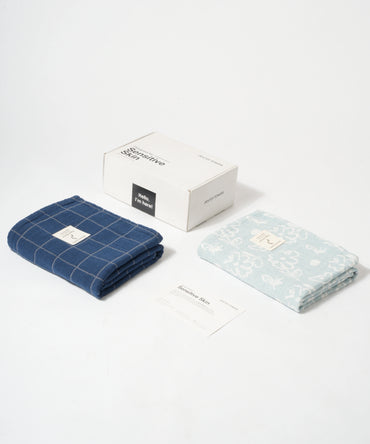
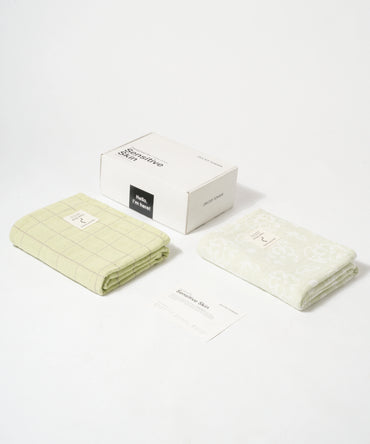
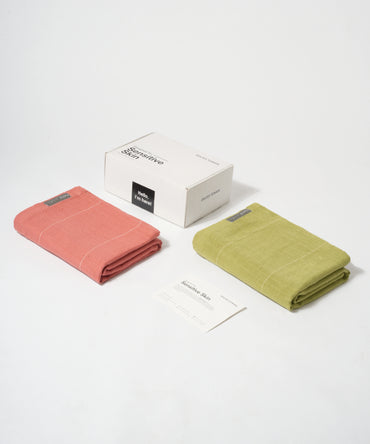
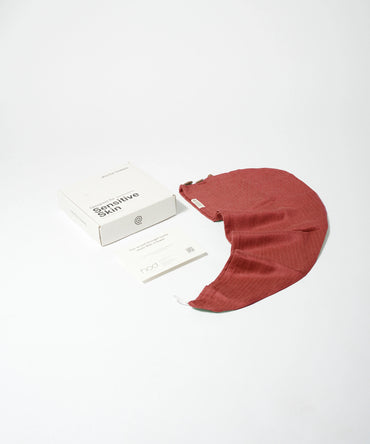
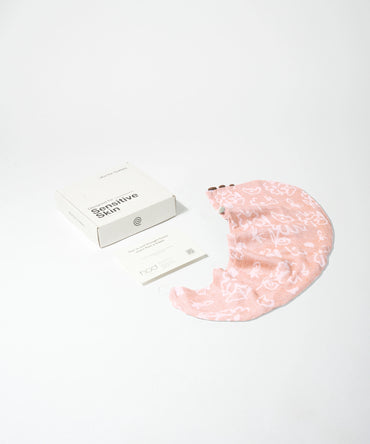
Doctor Towels Acne-Reduction Pack
A relevant product path for readers comparing face towels & acne.
View productSkincare Towels sounds like a niche phrase until you look at what usually happens between cleansing and the rest of a routine. Someone washes carefully, applies a gentle cleanser, avoids harsh scrubs, then reaches for whatever towel is hanging nearby. That towel may have dried hands, body skin, sweat, or a bathroom counter splash earlier in the day. The face still gets pressed into it anyway.
That gap is why Skincare Towels matters. A towel is one of the last things touching the skin before serums, moisturizers, or sunscreen go on. If the drying step feels rough, stale, rushed, or inconsistent, the skin can end up feeling worse even when the cleansing step was careful. People often notice that their skin feels irritated after drying their face, but they do not always connect that feeling to the towel itself.
Doctor Towels fits this conversation because the brand is positioned as skincare-first, not as a generic household towel label. The real point is not that one towel can cure acne or sensitivity. It is that a better drying routine can reduce unnecessary friction, keep the face towel more intentional, and make the rest of the routine feel calmer.
The Problem They Didn’t Know They Had
Most people still treat towel use as a background habit. They think about face wash ingredients, whether a moisturizer breaks them out, and whether a sunscreen feels too heavy, but they do not stop to ask what the towel is doing right after cleansing. The result is that the most repeated contact surface in the routine often gets the least attention.
That matters because the towel step does not happen in isolation. Skin is usually more reactive after washing, shaving, sweating, or using active ingredients. If the face is already warm, damp, or a little sensitized, the next contact matters more than people think. A generic bathroom towel can feel acceptable on one day and too rough on another, especially when it has been used repeatedly or left in a humid space.
This is why Skincare Towels is a useful phrase. It frames the towel as part of the routine instead of outside it. When someone says, “my routine was fine except my towel felt rough on active breakouts,” they are not being dramatic. They are noticing that the drying step can undo some of the gentleness they just tried to build into the rest of their skin care.

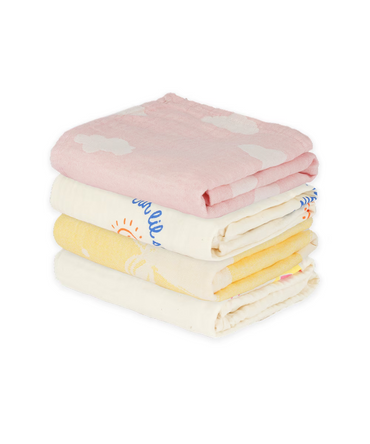
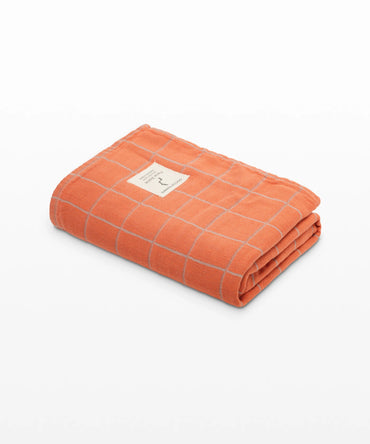
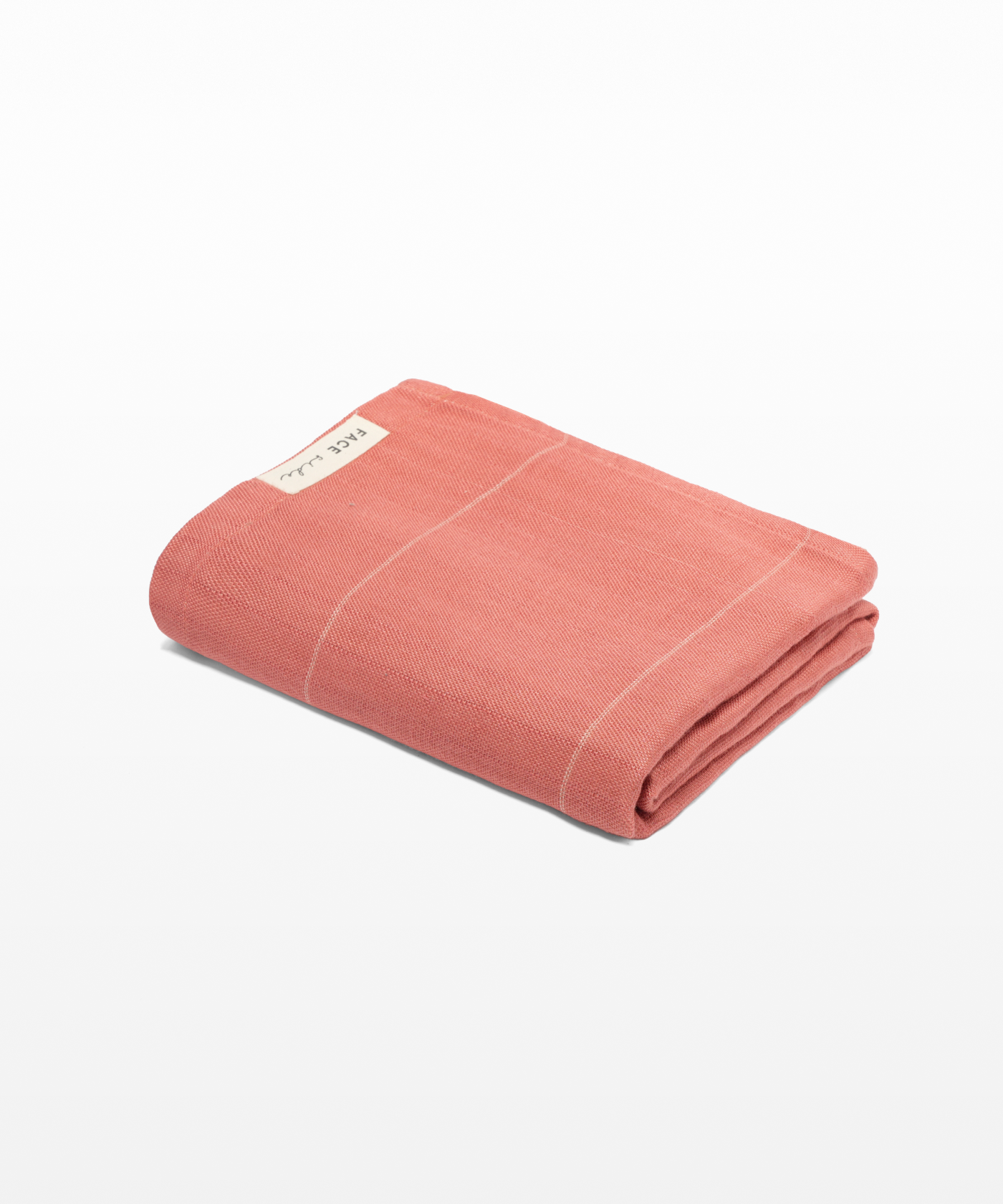
Face Towels
A relevant collection path for readers comparing face towels & acne.
View collectionAnother hidden problem is routine spillover. The same towel may touch the face after cleansing, then dry hands, then get reused after a shower. Once that happens, the towel stops being a deliberate face-drying tool and becomes a catch-all cloth. Sensitive or acne-prone skin usually responds better when that part of the routine feels more controlled.
There is also a mindset issue underneath all of this. When the towel is treated like a random bathroom object, the entire routine ends with a step that feels improvised. Skincare Towels matters because it gives the drying step the same kind of intention people already give their cleanser, moisturizer, and sunscreen.
The Science Behind The Problem
The American Academy of Dermatology advises people with acne to keep skin care gentle and non-abrasive. That guidance specifically warns against scrubbing with washcloths and similar tools, because friction can make acne-prone skin feel more irritated. A towel is not automatically a problem, but it becomes one when drying turns into rubbing or when the cloth itself feels harsh on already reactive skin.
AAD guidance also makes an important routine point: acne care is not only about treatment products. Gentle daily habits are part of the equation. That matters for Skincare Towels because the towel touches the face in a repeated cycle. If someone is trying to build a calmer routine, the towel step should support that goal rather than work against it.
PubMed literature on acne mechanica adds more context. Friction, pressure, rubbing, and occlusion can aggravate acneiform eruptions. While those papers often discuss gear, repeated contact, or friction-prone areas, the principle is still useful for face-drying habits. Sensitive or breakout-prone skin does not benefit from unnecessary mechanical stress.
The practical takeaway is simple. Skincare Towels should be judged by how they affect the routine in real life. The right towel is not the one with the loudest marketing language. It is the one that helps the skin experience less friction, less rough wiping, and more consistent face-drying habits.
Timing matters too. The towel shows up in the transition between cleansing and the rest of care. If that transition feels rough, the skin is already less comfortable before serums or moisturizer go on. A gentler towel habit can make the full sequence feel calmer from the moment cleansing ends.
The Mechanisms - How It’s Actively Hurting You
A Careful Cleansing Step Can Be Undone By Aggressive Drying
Many people already know not to scrub during cleansing, but they accidentally scrub during drying instead. They drag the towel across the cheeks, nose, jawline, and forehead because it feels fast and familiar. The skin does not necessarily care whether that friction came from a scrub or a towel. It only registers another rough contact point.
Shared Bathroom Towels Make The Face-Drying Step Less Predictable
Once a towel becomes a hand towel, body towel, guest towel, or all-purpose bathroom towel, the face no longer gets a dedicated drying step. That makes it harder to control freshness, softness, and how the fabric feels against the skin. People often describe this as their skin feeling gross after using the same face towel every day, which is really a sign that the routine has lost definition.
Dampness Changes How A Towel Feels On Sensitive Skin
A towel does not need to smell bad to feel wrong. A cloth that stays damp too long can feel heavy, flat, cool, or stale. That texture shift matters more when the face is already irritated or acne-prone. Skincare Towels should stay tied to the idea of a fresh, face-specific drying step rather than a towel that simply remains in the bathroom by default.
Inconsistent Towel Habits Create Confusing Skin Feedback
If the towel is softer one day, rougher the next, and shared the day after that, it becomes hard to tell what is actually aggravating the skin. Someone may blame cleanser, moisturizer, or weather when the towel is a quieter contributor. That is why the drying step deserves to be made consistent before the rest of the routine gets overcomplicated.
Customer Language - What Real People Were Dealing With
People do not usually say they are looking for lower-friction textile contact. They say, “my skin feels irritated after drying my face.” They say, “I never thought my towel could be part of the problem.” They say they wanted a towel that felt like it belonged in their skincare routine. That language matters because it points to a repeated real-life discomfort, not a theoretical one.
It also explains why Skincare Towels is gaining traction as a search idea. People are trying to solve a routine issue that sits between cleansing and treatment. They are looking for something gentler, but also something more intentional. They want the towel step to feel as if it matches the rest of the products they already chose carefully.
That is especially true for people with acne-prone or sensitive skin. They often notice discomfort after the towel rather than during cleansing. Some say the face feels fine until they start drying. Others notice that breakouts feel more tender after rubbing with a shared bathroom towel. Those are not random complaints. They are clues that the towel step deserves its own standards.
Skincare Towels makes sense when it answers those complaints directly. It tells the reader that the towel is not a beauty extra or a generic bathroom detail. It is a repeated skin-contact habit that can be made calmer, cleaner, and more deliberate.
Actionable Habits - What To Actually Do
1. Give Your Face Its Own Towel Instead Of Borrowing From The Bathroom Rotation
The easiest upgrade is making the face towel separate from hand towels, body towels, and guest towels. A dedicated Skincare Towels habit makes the routine easier to control and easier to observe.
2. Pat Water Away Instead Of Dragging Fabric Across The Skin
Press and lift. Do not scrub. Drying should remove moisture without turning into another abrasive step. That one change alone can make sensitive or acne-prone skin feel more settled after washing.
3. Rotate Before The Towel Starts Feeling Off
Do not wait for visible dirt or an obvious odor. If the towel feels damp, flat, or less comfortable against the face, rotate it out. A fresher towel usually produces a more predictable skin response.
4. Keep The Towel Step As Intentional As Cleansing
If you already think carefully about cleansers and active ingredients, bring the same mindset to drying. The towel is part of the routine, not the afterthought at the end of it.
5. Compare Your Current Habit Against A Face-Specific Drying Routine
Readers who want a practical benchmark can compare their setup with this related guide on towels for face. That kind of comparison helps people notice whether the problem is the fabric itself, the reuse pattern, or the way they are drying.
6. See A Dermatology Professional For Persistent Acne Or Ongoing Irritation
Skincare Towels can improve the routine, but it cannot diagnose a skin condition. If breakouts, burning, or persistent sensitivity continue, professional care matters.
Why Doctor Towels Was Built For This
Doctor Towels is positioned as a skincare-first towel brand, which is exactly how this topic should be understood. The point is not to market a towel as a cure. The point is to treat the drying step as part of a gentle routine that includes cleansing, barrier awareness, and lowering unnecessary friction.
That framing is important because most towel shopping language is still generic. It focuses on household categories instead of skin-contact habits. Skincare Towels asks a different question: does the towel behave like part of a skin-care routine, or is it just a general bathroom cloth that happens to touch the face?
Doctor Towels belongs in that second conversation. The brand exists for people who want the towel step to feel more intentional, calmer, and more aligned with sensitive or acne-aware habits. Readers who want the brand’s background can review the Doctor Towels research page and testing report.
The real value, though, is behavioral. Skincare Towels works best when it helps someone stop reaching for a random towel and start thinking of drying as part of the care sequence. That is the shift Doctor Towels is trying to make easier.
That also makes the brand message more credible. Instead of promising dramatic results, it connects the towel to a routine problem readers already recognize: too much friction, too much reuse, and not enough thought given to what touches the face after washing.
The Bottom Line
Skincare Towels matters because the towel is one of the most repeated contact points in the entire routine. If the cloth feels rough, overly shared, or stale, it can make the skin feel more irritated after a cleansing step that was otherwise gentle.
The better approach is not complicated. Keep the face towel dedicated, pat instead of rub, rotate early, and treat drying like it belongs in the same conversation as cleanser and moisturizer. For sensitive or acne-prone skin, that mindset can make the routine feel more consistent.
That is why Skincare Towels is a useful category. It reminds people that the towel is not outside skin care. It becomes part of the routine the moment it touches the face.
Once that clicks, people usually stop chasing random bathroom softness and start building a more reliable face-drying habit. That change in behavior is often more valuable than any single product label because it improves the routine every day.
Medical Sources & Further Reading
- American Academy of Dermatology - How to treat acne - https://www.aad.org/news/how-to-treat-acne
- American Academy of Dermatology - DIY acne treatment - https://www.aad.org/public/diseases/acne/diy
- PubMed - Acne mechanica - https://pubmed.ncbi.nlm.nih.gov/123732/
- PubMed - Inner thigh friction as a cause of acne mechanica - https://pubmed.ncbi.nlm.nih.gov/30883890/

Doctor Towels Acne-Reduction Pack
A relevant product path for readers comparing face towels & acne.
View product