Face Towels Acne
Towels For Face: What Actually Makes A Face-Drying Towel Better For Sensitive Or Acne-Prone Skin
Towels For Face are not only about softness. The better question is whether the towel helps your skin feel calmer after cleansing instead of more irritated.

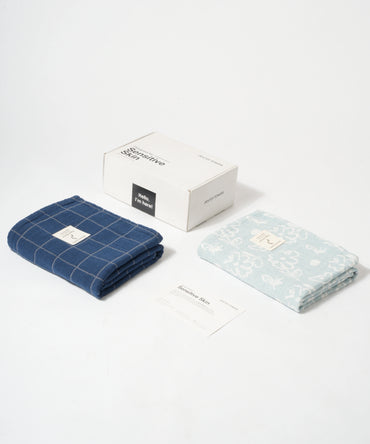
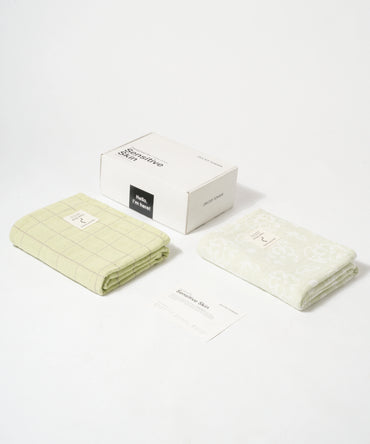
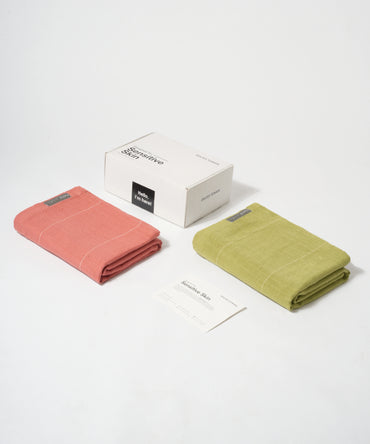
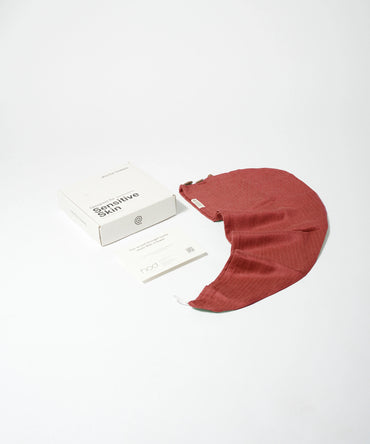
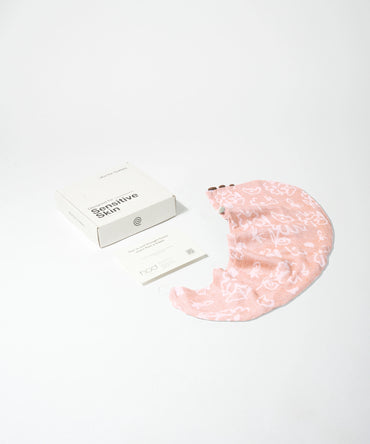
Doctor Towels Acne-Reduction Pack
A relevant product path for readers comparing face towels & acne.
View productTowels For Face sound like a simple shopping category, but the real issue is not whether a towel looks small or soft on a product page. The real issue is what happens in the few seconds after cleansing, when your skin is damp, more exposed, and about to meet fabric. That is where a Face Towel can either support your routine or quietly make it feel rougher, dirtier, and less predictable.
People with acne-prone or sensitive skin usually spend far more time thinking about cleansers, serums, and sunscreen than they spend thinking about the towel step. That is understandable. A towel does not feel like a skin-care product. But it is still a repeated contact surface, and repeated contact surfaces matter. If your skin often feels tight, hot, or irritated after drying, the towel deserves more scrutiny than it usually gets.
This is why Towels For Face should be evaluated like part of a routine, not like a generic bathroom extra. A better towel is not a cure. It does not replace dermatology care, and it does not fix acne by itself. What it can do is make the final step after cleansing gentler, cleaner-feeling, and more consistent.
The Problem They Didn’t Know They Had
Many people start troubleshooting the wrong end of the routine. They change cleanser, cut out actives, add barrier creams, or blame the weather. Meanwhile, the same towel keeps touching the face two or three times a day with almost no attention paid to how it feels, how often it is rotated, or whether it has become the roughest part of the whole routine.
That blind spot makes sense because towels feel ordinary. They live next to the sink, they dry water, and they do not ask to be noticed. But for acne-prone and sensitive skin, ordinary contact is still contact. If the towel is rubbed across active breakouts, reused while still damp, or used for the face after doing three other jobs in the bathroom, it stops being neutral.
This is where people start saying things like, “my skin feels irritated after drying my face,” or “using the same face towel every day made my skin feel gross,” or “I never thought my towel could be part of the problem.” That customer language matters because it describes a routine mismatch. The skin may already be working hard to stay calm. The towel step can either respect that or keep stressing it.

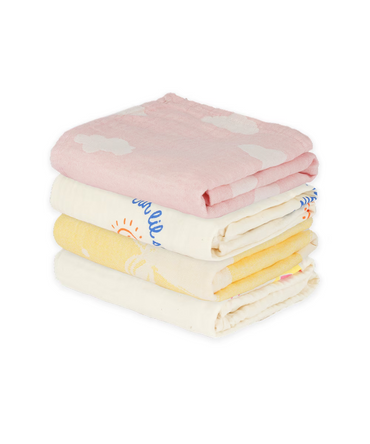
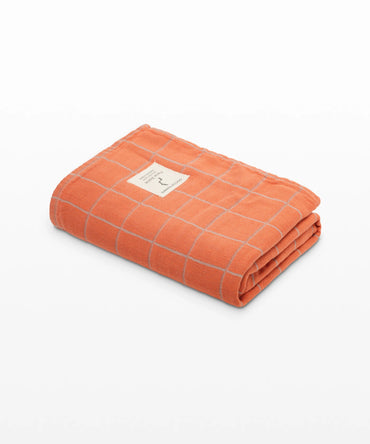
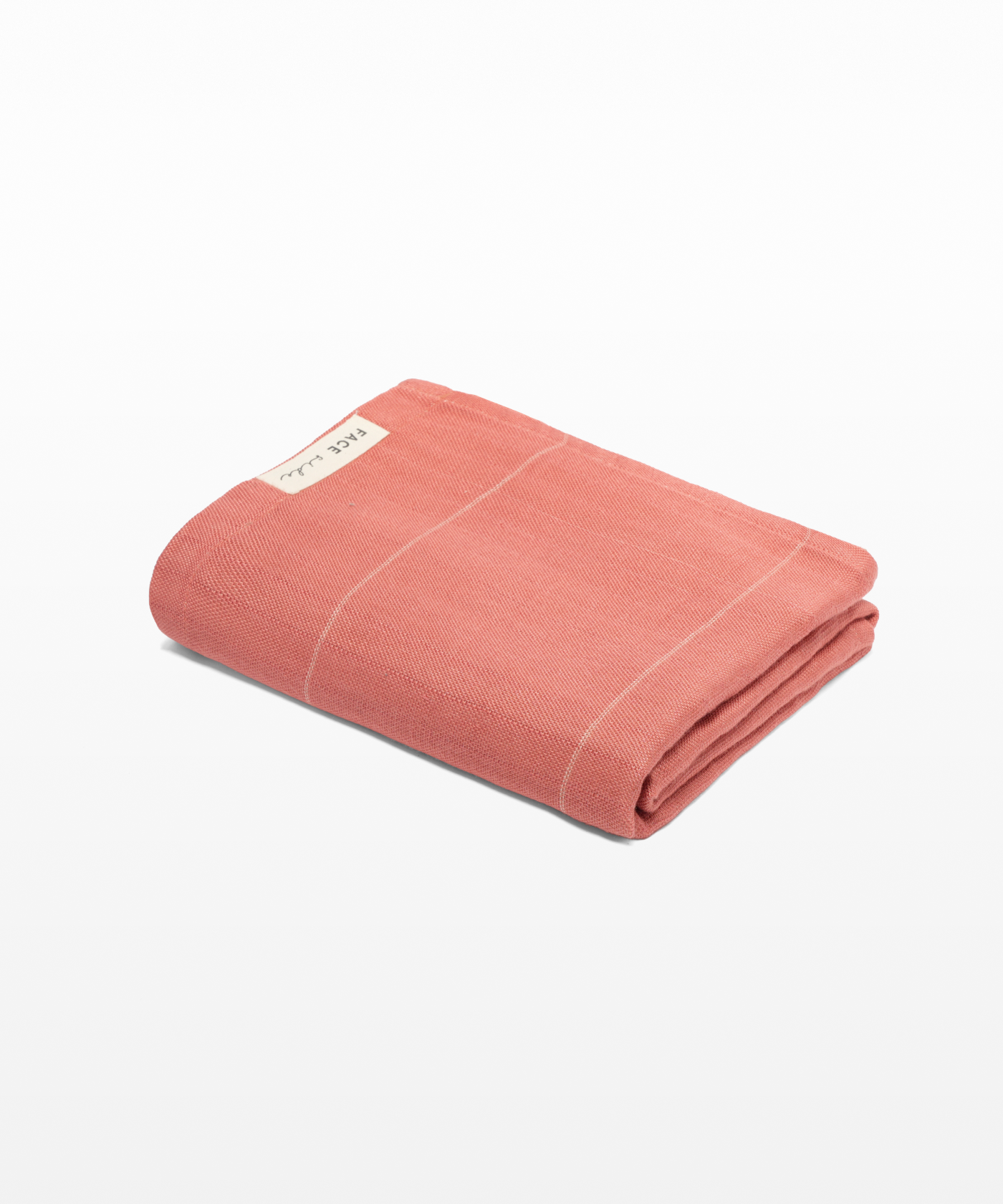
Face Towels
A relevant collection path for readers comparing face towels & acne.
View collectionWhen people search for Towels For Face, they are often trying to solve exactly that mismatch. They may not be asking a medical question. They are asking a habit question: what kind of towel belongs in a skincare routine instead of just a bathroom routine?
The Science Behind The Problem
The dermatology logic is straightforward. The American Academy of Dermatology advises people with acne to avoid scrubbing and to keep care gentle and non-abrasive. That guidance is not limited to cleansers. It also applies to what touches the skin after cleansing, especially when the face has just been washed and is more vulnerable to mechanical irritation.
PubMed literature on acne mechanica adds another layer. Friction, pressure, rubbing, and occlusion can aggravate acneiform eruptions. A towel is not the same as a helmet strap or tight athletic gear, but the underlying concept still matters. Repeated mechanical stress can influence how skin feels, especially when a person already has inflamed breakouts, barrier sensitivity, or a habit of drying too aggressively.
This is why a good Face Towel should be judged on more than absorbency. The towel has to work with the skin, not against it. A rougher surface, a rushed rubbing motion, or a towel that never feels fully fresh between uses can all make the post-cleanse step less controlled than people think.
The skin does not need a miracle textile. It needs fewer unnecessary stressors. That is the right way to think about Towels For Face. The better option is the one that reduces friction, stays more intentional in use, and makes it easier to keep the face-drying step clean and calm.
The Mechanisms - How It’s Actively Hurting You
Friction Turns Drying Into Another Irritation Event
People often wash carefully and then undo some of that care by drying too aggressively. The towel gets pulled across the cheeks, nose, jawline, and chin in quick strokes because it feels faster. On already reactive skin, that repeated rubbing can leave the face looking redder or feeling hotter than it did right after washing.
A Multi-Use Towel Picks Up More Than People Realize
Many Face Towels are not truly face-only. They dry hands, wipe water from the counter, catch product drips, or get reused later in the day without much thought. That does not make them dangerous, but it does mean they carry more residue and more contact history than a dedicated towel would.
Dampness Changes The Feel Of The Towel
A towel that hangs in a humid bathroom can stay slightly wet longer than people expect. Even if it does not smell bad, it may still feel flat, cool, or stale on the skin. That kind of towel usually does not give the face the clean, fresh finish people think they are getting.
The Wrong Towel Habit Makes The Whole Routine Feel Less Predictable
When someone says their skincare routine feels inconsistent, the towel step may be part of the reason. If the face gets a different level of friction, freshness, and pressure every time it is dried, the routine becomes harder to read. That makes it tougher to know whether the actual issue is the cleanser, the treatment, or the fabric touching the skin after both.
Customer Language - What Real People Were Dealing With
People rarely describe this problem in technical terms first. They usually notice it as discomfort. Their face feels more irritated after drying. Their cheeks look flushed after washing even when the cleanser seems fine. A breakout feels calmer after cleansing but angrier after the towel touches it. Those are not dramatic observations. They are the kinds of small routine clues that matter.
The customer language in the Doctor Towels source library captures that clearly: “my face towel was giving me jawline acne,” “my skin feels irritated after drying my face,” and “I wanted a towel that felt like it belonged in my skincare routine.” These lines are useful because they frame the towel as part of a pattern, not a standalone villain.
There is also a recurring emotional pattern here. People feel frustrated because they are trying to do everything right. They use gentler cleansers. They stop scrubbing. They simplify products. Then a simple bathroom habit keeps pulling the routine backward. That is why Towels For Face can become such a meaningful search topic. The person is not only shopping. They are trying to remove one more invisible source of irritation from a routine that already asks a lot of their skin.
In other words, the towel problem often feels small until it repeats enough times to become obvious.
Actionable Habits - What To Actually Do
1. Use A Dedicated Face Towel
Give your Face Towel one job. If the same cloth is drying hands, wiping counters, and touching your face, it is doing too much. A dedicated towel helps keep the face-drying step more controlled and easier to evaluate.
2. Pat Dry Instead Of Rubbing
Press and lift water off the skin instead of dragging the towel across it. This is one of the easiest ways to reduce friction without buying anything new. It is also more aligned with dermatology advice for acne-prone and sensitive skin.
3. Rotate Towels Before They Feel Off
Do not wait for a towel to smell obviously bad. If it feels damp, heavy, flattened, or not fully fresh, swap it out. A better face-drying routine is often about earlier rotation, not only more washing.
4. Notice How Your Skin Feels After The Towel Step
Pay attention to the difference between how your skin feels after cleansing and how it feels after drying. If the discomfort shows up after the towel, that tells you where to focus next.
5. Build Your Towel Choice Around Skin Behavior, Not Only Fabric Marketing
Many people compare Towels For Face, Small Towels For Face, and other product labels as if the label alone determines whether the towel is skin-friendly. It does not. The habit matters just as much. If you are also thinking about towels for sensitive skin, the best choice is the one that helps you keep drying gentle, intentional, and fresh.
6. See A Dermatology Professional For Persistent Acne Or Irritation
If breakouts, stinging, or ongoing redness continue despite gentler habits, get professional help. A towel can affect the routine, but it cannot diagnose what is driving your skin concerns.
Why Doctor Towels Was Built For This
Doctor Towels is positioned as a skincare-first towel brand, which makes the face-drying step part of the skin-care conversation rather than an afterthought. That framing matters because a towel is still part of the environment touching the skin every day. If the goal is a calmer routine, the towel should make sense alongside cleanser, moisturizer, and barrier-aware habits.
The product conversation should stay careful and grounded. Doctor Towels is not a cure for acne or sensitivity. It is a towel brand built around the idea that the drying step deserves more attention than it usually gets. For readers looking at Towels For Face, that is a useful shift. It moves the discussion away from hype and toward routine design.
Readers who want the brand’s own materials can also review the Doctor Towels research page and testing report. The more important point, though, is how the towel fits into daily habits: lower-friction drying, a more intentional face-only rotation, and a routine that feels more skincare-aware from start to finish.
That is the right level of product role for educational content. The towel is part of the routine, not the whole answer.
The Bottom Line
Towels For Face are worth taking seriously because the towel step happens right after cleansing, when the skin is more exposed and easier to irritate. A better face towel is not only softer. It is used more intentionally, rotated sooner, and handled in a way that adds less friction to the skin.
If your routine still feels harsher than it should, the towel may be one of the easiest variables to fix. Use a dedicated Face Towel, pat instead of rubbing, and stop treating the towel like the invisible part of the routine. Small changes there can make the whole routine feel cleaner, calmer, and easier to trust.
That perspective shift is what matters most. The towel is not outside skincare. It is part of skincare whenever it touches your face.
Medical Sources & Further Reading
- American Academy of Dermatology - How to treat acne - https://www.aad.org/news/how-to-treat-acne
- American Academy of Dermatology - DIY acne treatment - https://www.aad.org/public/diseases/acne/diy
- PubMed - Acne mechanica - https://pubmed.ncbi.nlm.nih.gov/123732/
- PubMed - Inner thigh friction as a cause of acne mechanica - https://pubmed.ncbi.nlm.nih.gov/30883890/

Doctor Towels Acne-Reduction Pack
A relevant product path for readers comparing face towels & acne.
View product