Tips and DIY on Skincare, Wellness, Personal Hygiene

When To Replace Towels: The Skin-Contact Signs Your Bathroom Routine Needs A Reset

Towel Hygiene

When To Replace Towels: The Skin-Contact Signs Your Bathroom Routine Needs A Reset

When To Replace Towels is not only a laundry question. It is also a skin-contact question for anyone whose routine feels rougher than it should.

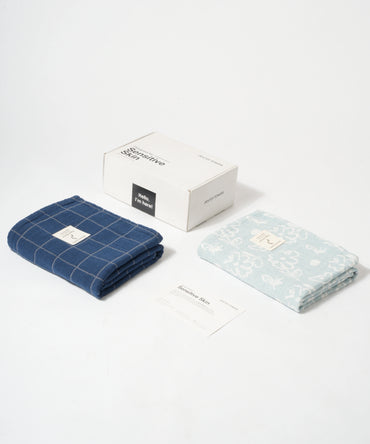
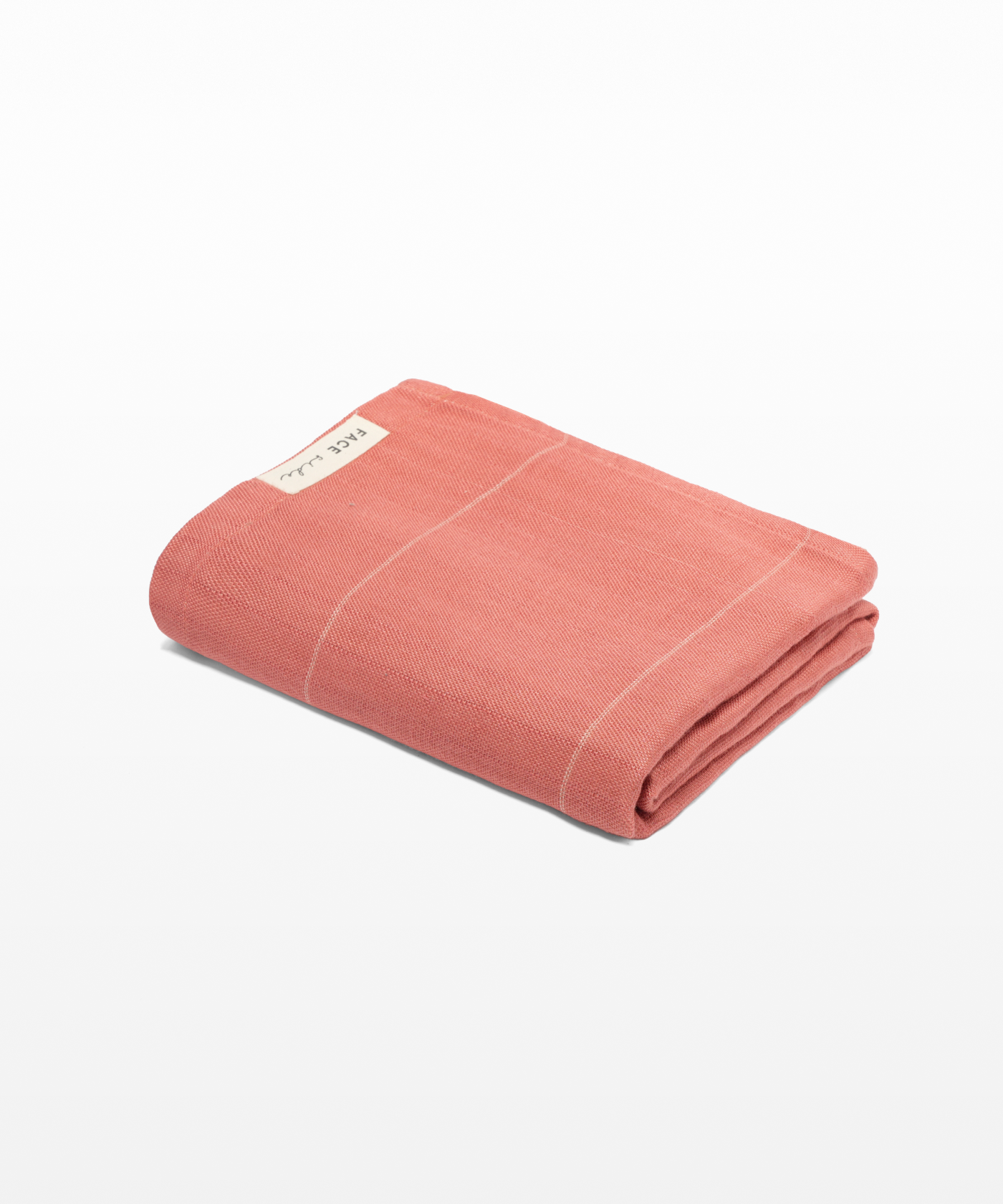
Face Towels preview
Top recommendation

Face Towels

A relevant collection path for readers comparing towel hygiene.

View collection

When To Replace Towels sounds like a household maintenance question, but for sensitive or acne-prone skin it is also a routine question. Towels touch the face, neck, shoulders, and body in repeated cycles. If the towel has stopped feeling right, the skin often notices before the bathroom routine catches up.

Most people wait for obvious signs. They replace towels when a seam looks worn, when the color fades, or when the towel no longer feels presentable for guests. Those markers are understandable, but they miss the skin-contact issue. A towel can still look usable while feeling flat, rough, stale, or too overused for the part of the routine where it matters most.

That is why When To Replace Towels deserves a skincare-first lens. The question is not only whether the towel still exists in one piece. The better question is whether it still supports a gentler drying routine or whether it has become one more source of friction and inconsistency.

Doctor Towels belongs in this conversation because the brand is positioned around routine intent, not generic towel ownership. The point is not to make extreme claims. It is to help readers recognize when the towel step is no longer supporting the skin in a calm, lower-friction way.


The Problem They Didn’t Know They Had

Towels usually live in the category of “good enough.” If one is still hanging in the bathroom and still dries water, most people assume it is fine. That assumption is exactly why When To Replace Towels becomes a bigger issue than expected. The towel may continue functioning as a bathroom object long after it has stopped feeling like a skin-friendly one.

This matters because repeated skin contact is different from occasional use. The face, jawline, neck, and chest can all react to habits that seem minor on paper but happen every day. A towel that feels slightly rougher, holds dampness longer, or gets reused across too many purposes can become a low-level aggravator without ever looking dramatic.

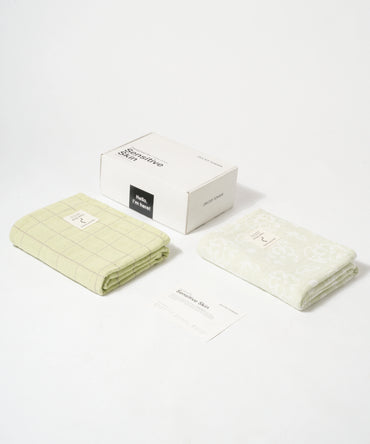
Absorbent Towels preview
Middle recommendation

Absorbent Towels

A relevant collection path for readers comparing towel hygiene.

View collection

People often do not notice the pattern because the change happens gradually. The towel does not turn from perfect to unusable overnight. Instead, it starts feeling a little less soft, a little less fresh, a little more likely to drag across the skin. Since the change is slow, the routine adapts around it and the skin ends up dealing with the consequences.

Another hidden problem is role creep. A towel that began as a clean body towel may later become a hand towel, a quick face towel, or an all-purpose bathroom cloth. Once that happens, it becomes much harder to answer the real When To Replace Towels question because the towel is no longer serving one consistent job.

The issue gets even more confusing when someone is already trying to improve their skin care. They may swap cleansers, moisturizers, or shaving products while continuing to use a towel that feels increasingly wrong. The towel is not always the only problem, but it can keep the routine from feeling fully calm even when product choices improve.

When To Replace Towels matters because the towel is part of the daily environment touching the skin. If that environment is rough, stale, or overused, the skin may keep sending subtle signals that the routine needs a reset. Ignoring those signals usually means the same problem repeats longer than it should.

Once people start looking at towels as routine tools instead of household background, the question becomes more practical. You do not replace a towel only because it looks old. You replace it when it no longer helps the skin feel comfortable, predictable, and clean in the moments that matter.


The Science Behind The Problem

The American Academy of Dermatology advises people with acne-prone skin to use gentle, non-abrasive care and warns against scrubbing with washcloths and similar tools. That guidance is helpful here because an older or rougher towel can encourage more drag and more force during drying, especially when someone starts compensating for a towel that no longer feels absorbent or comfortable.

AAD also emphasizes that acne-aware care depends on daily habits, not only treatment products. A towel that has become rougher or more inconsistently used can influence those habits every single day. If the drying step becomes harsher, the skin-care routine does not stay gentle just because the cleanser was.

PubMed literature on acne mechanica adds more context. Friction, pressure, rubbing, and occlusion can aggravate acneiform eruptions. That does not create a fixed expiration date for every towel, but it does explain why the feel and behavior of a towel matter. Once a towel encourages more friction or more aggressive wiping, it starts moving away from what reactive skin tends to tolerate best.

The practical science point is that skin responds to repeated mechanical experience, not only to product ingredients. If a towel no longer feels soft enough to allow patting instead of rubbing, or if its reuse pattern has become too casual, the skin can end up experiencing more stress than the routine appears to contain.

This is why When To Replace Towels should be treated as a skin-contact judgment rather than a simple calendar judgment. The correct timing depends on how the towel behaves in real use. If it keeps making the routine feel rougher, less fresh, or more improvised, then the towel is no longer supporting a gentle routine.

For sensitive or acne-prone skin, that distinction matters. The issue is not whether the towel still technically works. The issue is whether it still works in a way the skin can live with comfortably and consistently.


The Mechanisms - How It’s Actively Hurting You

A Worn Towel Often Requires More Pressure To Feel Effective

When a towel no longer feels absorbent in a comfortable way, people tend to rub harder or make more passes. That added motion turns drying into a more abrasive step, especially on the face or other reactive areas.

The Feel Changes Before People Officially Classify The Towel As “Old”

Towels often become flatter, heavier, or rougher in small ways over time. The skin can pick up those shifts early, even when the towel still looks ordinary in the bathroom.

A Towel That Has Drifted Into Multi-Use Duty Is Harder To Keep Predictable

If the towel now dries hands, body skin, gym sweat, and the occasional face wash, the routine loses clarity. That is a useful sign in the When To Replace Towels conversation because the towel has stopped being a defined tool and started becoming a catch-all cloth.

Unclear Towel Standards Create Chronic Routine Guesswork

When people are not sure whether the towel is still suitable, they start blaming everything else for the skin’s discomfort. The result is a cycle of product changes while the towel continues to operate as a hidden variable in the background.


Customer Language - What Real People Were Dealing With

People rarely say, “my towel has reached the end of its skin-contact life.” They say the towel suddenly feels rough on their face. They say it still looks okay, but their skin does not love it anymore. They say they are unsure whether they need to wash it, rotate it, or replace it.

That language matters because it shows how When To Replace Towels actually appears in daily life. The concern is not usually visual. It is sensory. The towel feels less comfortable. The face or body feels slightly more irritated after drying. The routine feels less fresh, even when the towel is technically still in service.

Customers also describe a common bathroom habit problem: towels stay in use because nothing about them seems urgently wrong. They still dry water, so they stay on the hook. Meanwhile, the skin is the thing carrying the cost of that decision through extra friction or less predictable contact.

This is one reason towel replacement questions overlap with skin-care questions. People who are careful about cleansers and moisturizers do not always have a good language system for evaluating fabric contact. Once they start noticing that the towel itself feels different, they realize the routine has been missing a standard.

When To Replace Towels becomes easier to answer when you listen to those small complaints. If the towel keeps feeling stale, rougher, or out of step with your skin, that is useful feedback. It means the routine is asking for a reset before the bathroom setup gets even more improvised.

Customer language also keeps the topic honest. Most people are not looking for pressure. They are looking for a simpler way to know when a towel is no longer helping. That answer has to start with comfort, friction, and routine clarity rather than generic home advice.


Actionable Habits - What To Actually Do

1. Judge Towels By Skin Feel, Not Only By Appearance

If a towel looks acceptable but feels flatter, harsher, or less comfortable after contact, treat that change seriously. Skin feedback is one of the clearest signals in the When To Replace Towels decision.

2. Separate “Needs Washing” From “Needs Replacing”

Some towels only need a wash or a faster rotation. Others have reached the point where the routine still feels off even after laundering. That is usually when replacement becomes the better reset.

3. Stop Letting One Towel Become The Default Tool For Everything

A towel that keeps drifting into multi-use duty is harder to evaluate and harder to keep gentle. Separate face, body, and general bathroom roles as much as possible.

4. Watch For More Rubbing During Drying

If you notice yourself working harder to dry off, that is a practical sign the towel may no longer be helping. A gentler towel habit should not require aggressive wiping to feel effective.

5. Compare With A More Intentional Bathroom Towel Setup

Readers who want a related example can review this guide on hand towel habits, which shows how everyday bathroom reuse can quietly turn a basic towel into the wrong tool for facial or sensitive-skin contact.

6. Get Professional Help If Skin Irritation Persists Beyond Towel Changes

When To Replace Towels is a useful routine question, but not every skin issue is a towel issue. Persistent breakouts, itch, redness, or rash-like symptoms still deserve medical guidance.

These habits help because they shift the conversation from vague household timing to skin-aware observation. The best towel routine is not the one with the longest possible lifespan. It is the one that keeps skin contact calm, simple, and consistent.


Why Doctor Towels Was Built For This

Doctor Towels approaches towels as part of a skin-care system rather than a generic linen category. That makes the When To Replace Towels topic easier to understand, because it focuses on how towels behave in a routine rather than on broad home-good rules.

The brand’s role is not to promise cures or dramatic transformation. It is to make the drying step more intentional for people who already know their skin reacts to friction, reuse, or bathroom inconsistency. That matters because most conventional towel advice does not start from the skin’s point of view.

Doctor Towels fits when readers want the towel step to align with the same logic they already apply to cleansers and moisturizers. The towel should not be an afterthought that lingers in rotation long after it stops feeling right. It should feel like a deliberate part of a gentle routine.

Readers who want additional background can explore the Doctor Towels research page and testing report. Those links support the broader idea that the towel step deserves more careful thought than most bathroom routines give it.

That is where the brand logic becomes useful. Instead of asking whether a towel is still usable in some abstract sense, the better question is whether it is still the right tool for frequent skin contact. Doctor Towels exists to make that standard clearer.

When the towel is chosen and rotated with that mindset, the bathroom routine becomes less random. The skin gets a final drying step that feels more controlled, more comfortable, and more in line with the rest of a skincare-first approach.


The Bottom Line

When To Replace Towels is not only about frayed fabric or faded color. It is about whether the towel still supports a gentle, lower-friction routine for the skin it touches every day.

If the towel feels rougher, stale, overly multi-use, or keeps pushing you toward more rubbing, the routine is already giving you a reason to rethink it. That is the point where reset matters more than squeezing out a little more use.

The better habit is to pay attention to skin feel, role clarity, and how much pressure the towel seems to demand. Those signs are more useful than waiting for a dramatic visual failure.

That is why towel replacement belongs in a skincare conversation. The towel is part of the environment touching the skin, and that environment should stay supportive rather than quietly irritating.

Once you start judging towels by how they behave on the skin, When To Replace Towels becomes a much easier question to answer. The decision is less about guilt or guesswork and more about whether the routine still feels calm, consistent, and worth repeating every day.


Medical Sources & Further Reading

  • American Academy of Dermatology - How to treat acne - https://www.aad.org/news/how-to-treat-acne
  • American Academy of Dermatology - DIY acne treatment - https://www.aad.org/public/diseases/acne/diy
  • PubMed - Acne mechanica - https://pubmed.ncbi.nlm.nih.gov/123732/
  • PubMed - Inner thigh friction as a cause of acne mechanica - https://pubmed.ncbi.nlm.nih.gov/30883890/
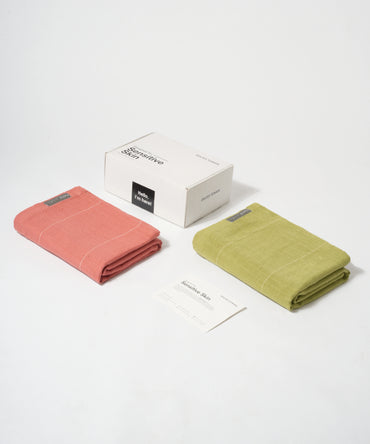
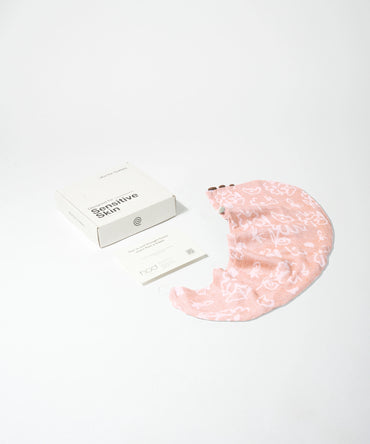
Doctor Towels Aluvera Handkerchief Pack preview
Bottom recommendation

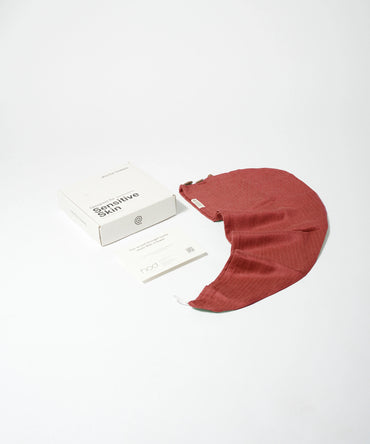
Doctor Towels Aluvera Handkerchief Pack

A relevant product path for readers comparing towel hygiene.

View product
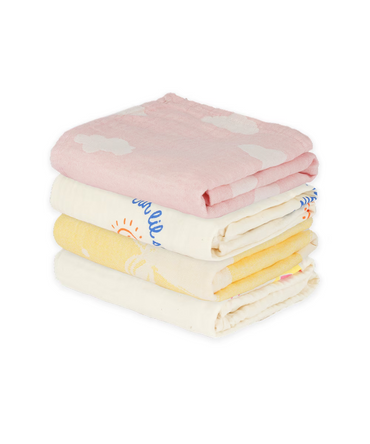
Face TowelsView