


 Bamboo Waffle Hooded Baby Towel Pack of 3
Rs. 999
Bamboo Waffle Hooded Baby Towel Pack of 3
Rs. 999





Share this article
Bamboo Hand Towels: What Bamboo Changes And What Habit Still Decides
Bamboo Hand Towels sound like a softer, more skin-aware upgrade. The more important question is whether the material is being used in a way that actually supports a gentler routine.
Face Towels Acne
Bamboo Hand Towels: What Bamboo Changes And What Habit Still Decides
Bamboo Hand Towels sound like a softer, more skin-aware upgrade. The more important question is whether the material is being used in a way that actually supports a gentler routine.
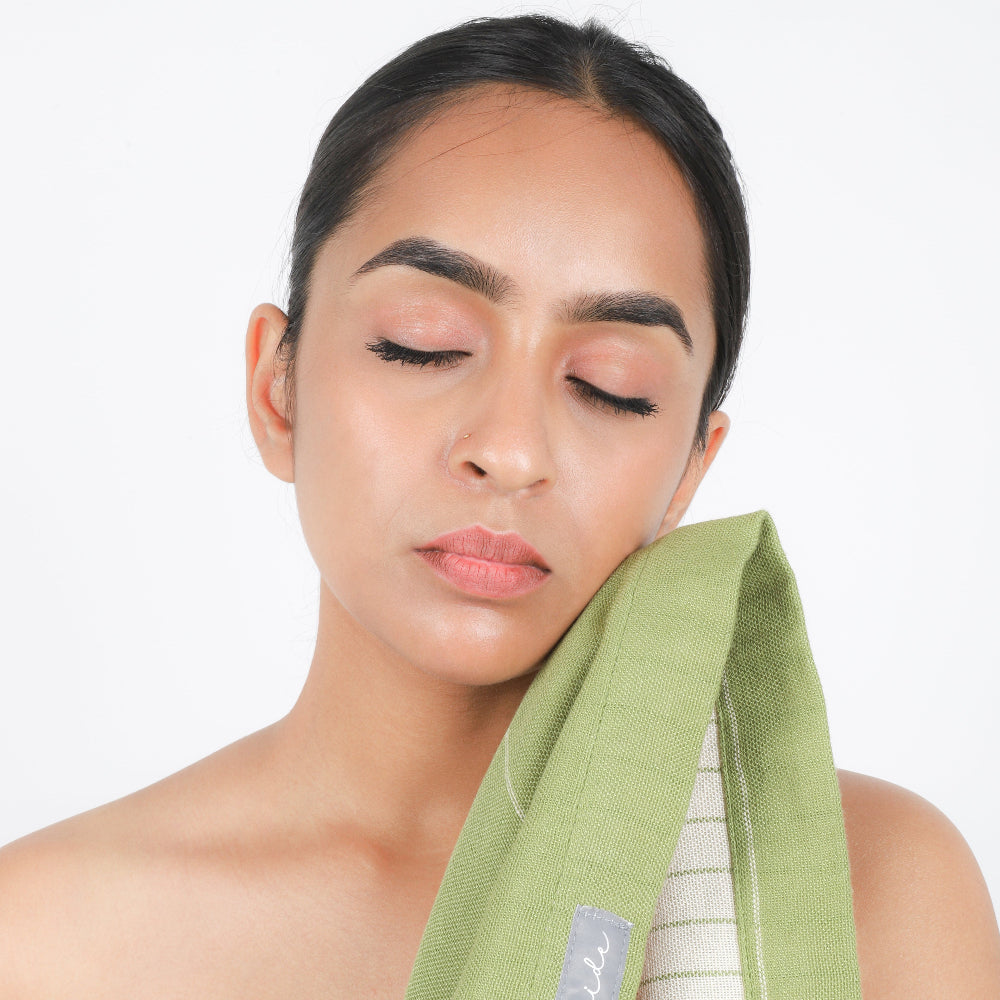
Top recommendation
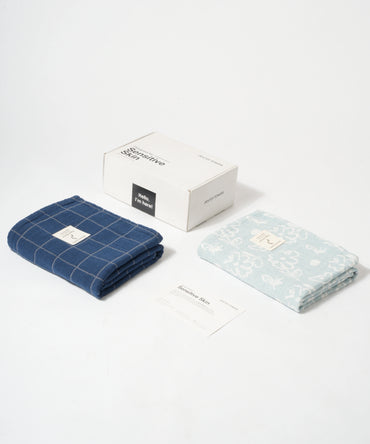
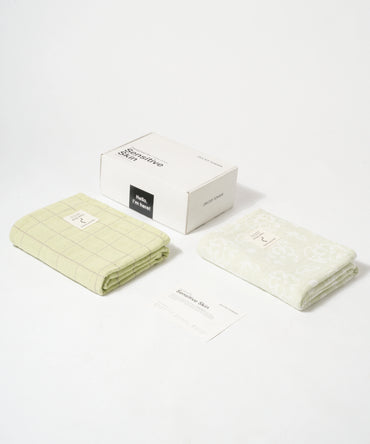
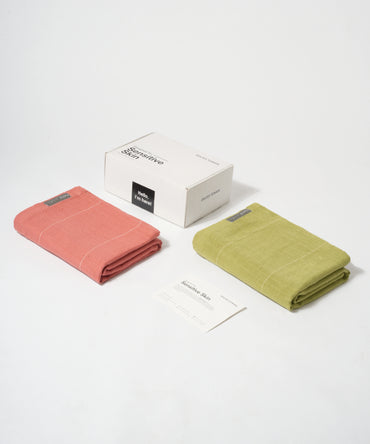
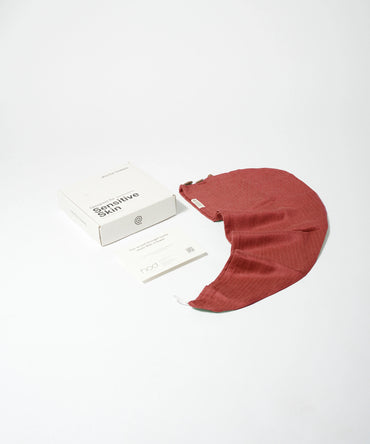
Doctor Towels Acne-Reduction Pack
A relevant product path for readers comparing face towels & acne.
View productBamboo Hand Towels catch attention because the material sounds gentler, cleaner, and more skin-aware than a generic bathroom towel. That appeal makes sense. When people are trying to make a routine feel calmer, the fabric label feels like a meaningful place to start. But material alone rarely tells the whole story.
That is the hidden problem. A towel can sound better on paper and still be used in a way that makes the routine feel rough, damp, or inconsistent. If a bamboo hand towel is shared heavily, used for multiple sink tasks, or wiped across the face in a rush, the material will not cancel out the habit. The face still responds to friction, repeated contact, and how intentionally the towel is being used.
This is why Bamboo Hand Towels should be understood through both material science and routine behavior. A better textile may help the experience feel more comfortable, but the habit still decides whether the towel actually supports sensitive or acne-prone skin.
The Problem They Didn’t Know They Had
Many people assume that a bamboo towel automatically becomes a better facial-contact towel because the word bamboo sounds softer and more premium. That assumption is understandable, but it skips the harder question: what is the towel actually doing in the bathroom? Is it a dedicated face-drying towel, or is it still acting like a high-traffic hand towel that occasionally touches the face?
That distinction matters because the face routine is sensitive to repetition. A towel does not need to be visibly rough to create a problem. It only needs to keep reappearing in the wrong role: drying hands all day, hanging damp by the sink, and then getting pressed onto the face after cleansing. At that point, the habit is working harder than the material.
This is why people get disappointed by products that sounded more skin-friendly than they felt in practice. They hoped the towel would solve discomfort on its own. Then the same phrases show up: “my skin feels irritated after drying my face,” “using the same face towel every day made my skin feel gross,” and “I wanted a towel that felt like it belonged in my skincare routine.” Those are not only fabric complaints. They are role-and-routine complaints.
Middle recommendation
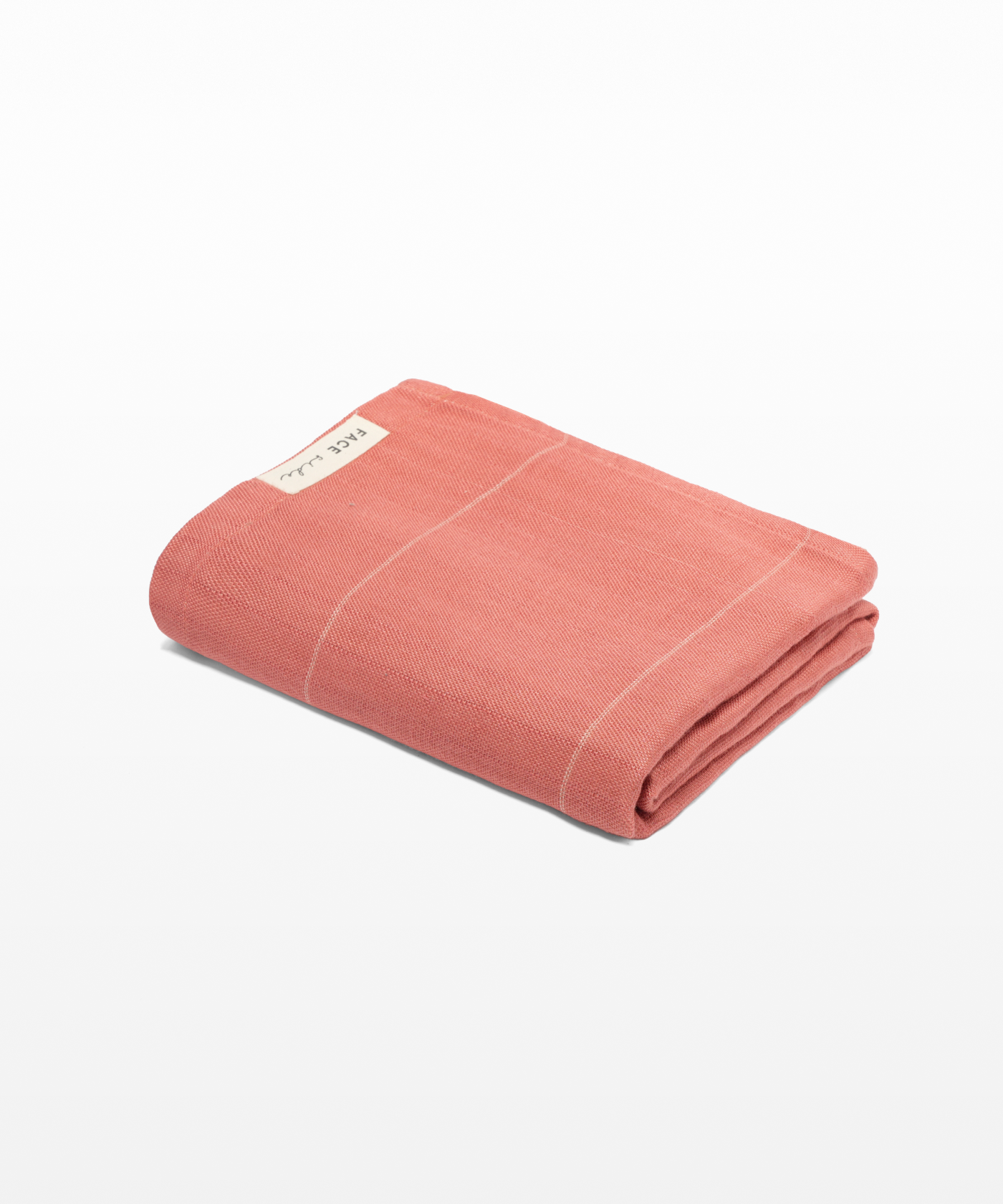
Face Towels
A relevant collection path for readers comparing face towels & acne.
View collectionWhen someone searches Bamboo Hand Towels, they may think they are shopping for a better material. From a Doctor Towels perspective, they are really searching for a better contact step. The material matters, but it still has to be matched with a cleaner, lower-friction habit.
The Science Behind The Problem
The American Academy of Dermatology’s acne guidance stays useful here because it focuses on what the skin needs rather than what a product sounds like. Dermatologists recommend gentle, non-abrasive care and specifically warn against scrubbing with washcloths, sponges, and similar tools. That principle applies whether the towel is cotton, bamboo, or anything else. If the skin is being rubbed, dragged, or repeatedly stressed, the material label does not erase the irritation.
PubMed literature on acne mechanica reinforces that point. Friction, pressure, rubbing, and occlusion can aggravate acneiform eruptions. Those triggers are about contact mechanics. A bamboo towel may feel different from another towel, but if the way it is used still creates repeated friction on acne-prone or sensitive skin, the routine can still go in the wrong direction.
The material conversation is still worth having, though. Textile choice can affect surface feel, absorbency experience, and how people interact with the towel. That is why material-based topics often attract people who want a gentler routine. The trap is assuming the material settles the issue by itself. It does not. Habit and role still matter just as much.
That is also why a material switch can feel underwhelming when the habit stays unchanged. If the towel still handles constant sink use and still gets rubbed across the face in a rush, the upgrade may sound more meaningful than it feels on the skin.
That is the right way to interpret Bamboo Hand Towels. The fabric may influence comfort, but the skin ultimately experiences a routine, not a product description. The routine is what determines whether the towel feels calming or irritating over time.
The Mechanisms - How It’s Actively Hurting You
Material Hype Can Hide A Bad Towel Role
If a person believes bamboo automatically makes a towel face-safe, they may stop paying attention to how the towel is actually being used. The towel keeps doing sink-side jobs all day, but the material label creates a false sense of reassurance.
Shared Hand-Towel Use Still Adds Repeated Contact Stress
Bamboo Hand Towels often live in the same spot as any other hand towel. They get touched frequently, used by multiple people, and pulled into quick drying moments. If that same towel ends up on the face, the skin is still dealing with a high-contact towel rather than a dedicated face-drying step.
Dampness And Bathroom Conditions Still Matter
No material is helped by a poor drying environment. If the towel sits in a humid bathroom or never gets enough time to dry fully between uses, it can still feel heavy, stale, or less pleasant against the skin. A gentler-sounding material cannot fully override a damp routine.
Friction Still Comes From Motion, Not Only Fabric
People often focus so much on the fiber that they forget the motion. A soft-feeling towel can still be rubbed aggressively across the cheeks, jawline, and forehead. When that happens, the skin experiences the pressure and friction first, and the material second.
Customer Language - What Real People Were Dealing With
Customer language helps show where the real tension sits. People want a towel that feels like it belongs in skin care, not one that feels like a leftover bathroom item. They notice when the face feels more irritated after drying than after washing. They notice when a towel that seemed gentle at first still leaves the skin feeling off after repeated use.
The Doctor Towels source notes reflect those patterns clearly. “My routine was fine except my towel felt rough on active breakouts” is a useful line because it shows how the towel can become the last avoidable stressor in an otherwise careful routine. “I never thought my towel could be part of the problem” matters because it captures how invisible this issue can stay. Even “using the same face towel every day made my skin feel gross” is really about repetition and role, not only the towel’s listed material.
That is why Bamboo Hand Towels can be both promising and disappointing. They promise a better feel, which may be a good starting point. But if the routine still treats the towel like a shared, general-use object that occasionally touches the face, the result can still feel inconsistent. The skin does not reward the intention alone. It responds to what actually happens.
This is the most useful mindset for the topic: bamboo can change part of the experience, but it does not remove the need for a face-aware towel habit.
Actionable Habits - What To Actually Do
1. Decide Whether The Towel Is For Hands Or For Face Contact
Do not let a Bamboo Hand Towel drift between jobs. If it is for hands, keep it there. If it is going to touch the face, give it a dedicated role and treat it like part of the face routine instead of a shared sink towel.
2. Judge The Towel By How Your Skin Feels After Using It
The fabric story matters less than the real-world result. If the face feels hotter, tighter, or rougher after drying, the towel is not working for your routine no matter how appealing the material sounds.
3. Pat Dry Instead Of Rubbing
This matters with bamboo just as much as with any other textile. Press and lift water off the skin. Do not drag the towel across active breakouts or already sensitive areas.
4. Rotate Before The Towel Starts Feeling Flat Or Stale
If the towel is hanging by the sink and seeing frequent use, swap it out sooner. A nicer material still performs best when it is part of a fresher, more intentional rotation.
5. Compare Material Choices With Overall Towel Strategy
Material choice is only one part of a good routine. People thinking through broader bamboo-related tradeoffs may also want to read this guide on best materials for bath towels, because it helps keep the material discussion grounded in skin behavior rather than marketing language.
6. Seek Dermatology Care If Sensitivity Or Acne Keeps Flaring
Even a better towel habit cannot replace treatment or diagnosis. If the skin stays inflamed, irritated, or unpredictably reactive, get professional care.
Why Doctor Towels Was Built For This
Doctor Towels is positioned as a skincare-first towel brand, which is useful for a topic like Bamboo Hand Towels because it keeps the focus where it belongs: on the relationship between fabric, friction, routine, and skin comfort. The conversation should not stop at “bamboo sounds better.” It should ask whether the towel is actually supporting a gentler habit.
That is also why product claims need to stay careful. Doctor Towels should be understood as part of a gentle routine, not as a cure. Readers who want the brand’s own materials can review the Doctor Towels research page and testing report. The bigger lesson is that better skin outcomes usually come from better systems, not from a material label acting alone.
For readers evaluating bamboo, that perspective is valuable. A skincare-first towel should make the drying step more intentional and lower-friction. It should not encourage the false idea that material choice can cancel out poor towel habits. The habit still decides whether the face is getting gentler treatment.
That is where Doctor Towels fits naturally in educational content. The towel belongs in the routine conversation because repeated skin contact always counts.
The Bottom Line
Bamboo Hand Towels may improve how a towel feels, but the material does not overrule the routine. If the towel is shared, overused, rubbed across the face, or kept damp for too long, the skin can still end up feeling stressed. Habit still decides whether the towel becomes a helpful part of the routine or another invisible irritant.
The better approach is to define the towel’s role clearly, use gentler drying motion, rotate earlier, and judge the towel by how your skin actually responds. That keeps the bamboo conversation honest and useful.
That is the perspective shift worth keeping: the skin experiences friction and routine behavior first, and the material claim second.
Medical Sources & Further Reading
- American Academy of Dermatology - How to treat acne - https://www.aad.org/news/how-to-treat-acne
- American Academy of Dermatology - DIY acne treatment - https://www.aad.org/public/diseases/acne/diy
- PubMed - Acne mechanica - https://pubmed.ncbi.nlm.nih.gov/123732/
- PubMed - Inner thigh friction as a cause of acne mechanica - https://pubmed.ncbi.nlm.nih.gov/30883890/
Bottom recommendation
Doctor Towels Acne-Reduction Pack
A relevant product path for readers comparing face towels & acne.
View product
Doctor Towels Acne-Reduction PackView
Prev post

Skincare Towels: Why The Towel Step Belongs In Your Routine, Not Outside It
Updated on 04 May 2026
Next post

Hand Towel: When A Bathroom Basic Starts Touching Your Face Too Often
Updated on 02 May 2026