Tips and DIY on Skincare, Wellness, Personal Hygiene

Bamboo Bath Towels: What Bamboo Changes And What Your Face Still Needs From The Drying Step

Face Towels Acne

Bamboo Bath Towels: What Bamboo Changes And What Your Face Still Needs From The Drying Step

Bamboo Bath Towels can feel softer and more appealing than standard options, but the real skin-care question is not just what the towel is made from. It is how the towel behaves once it starts touching your face day after day.

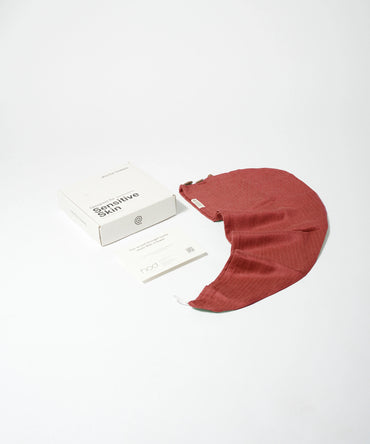
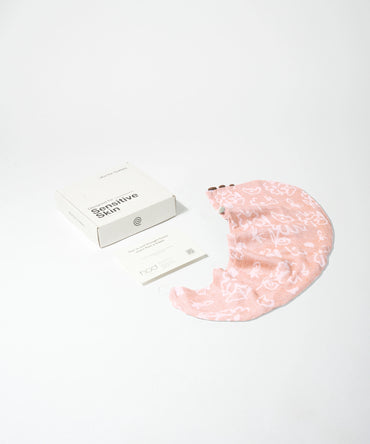
Doctor Towels Acne-Reduction Pack preview
Top recommendation

Doctor Towels Acne-Reduction Pack

A relevant product path for readers comparing face towels & acne.

View product

Bamboo Bath Towels attract attention because the material label sounds gentler before the towel even touches the skin. People expect bamboo to mean softer, cleaner, calmer, or simply better for sensitive skin than an ordinary bath towel. Sometimes that expectation is partly right. But the more useful question is what Bamboo Bath Towels actually change once the towel becomes part of a face-drying routine.

That distinction matters because many skin frustrations do not come from the material name alone. They come from repeated contact, broad bathroom use, slow rotation, and rougher drying habits that turn even a comfortable towel into a less helpful one over time. A Bamboo Bath Towels search often starts as a fabric question, but it usually ends as a routine question.

This is especially true when the towel is large enough to serve multiple purposes. A bath towel may dry body skin, catch dripping hair, touch damp shoulders, and then still get pressed against the face because it is nearby and feels soft enough. That is where material starts losing its advantage. A comfortable fiber can still be part of an overworked routine.

Doctor Towels fits this topic because the brand speaks about towel contact in skin-care terms, not generic linen terms. The point is not to dismiss bamboo or to claim that one material solves everything. The point is to show that repeated facial contact depends on role, friction, and routine consistency as much as it depends on the label on the towel.


The Problem They Didn’t Know They Had

The hidden problem behind Bamboo Bath Towels is that people often ask the material to fix a routine that is still doing too much. They switch to a softer-feeling towel, but the towel remains a shared bath towel with shared habits. It still lives in humidity, still handles broad body use, and still gets used on the face because it feels cleaner than the alternatives in the moment.

That is why a Bamboo Bath Towels purchase can feel promising at first and then only partly solve the issue. The towel may indeed feel smoother or more pleasant. But if the face keeps meeting the same large multipurpose towel after showers, rinses, or sink washes, the underlying problem of repeated and generalized contact can stay in place.

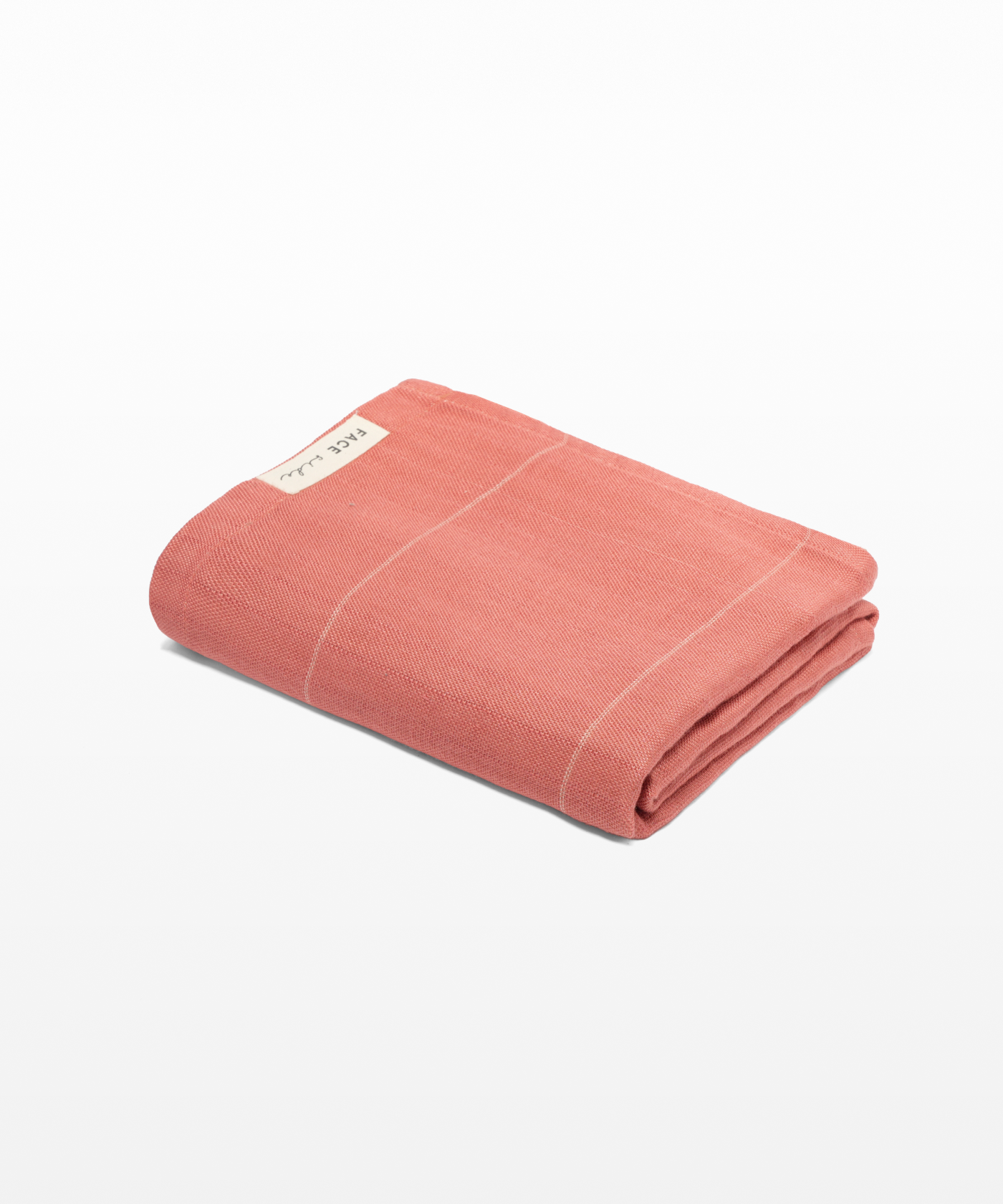
Face Towels preview
Middle recommendation

Face Towels

A relevant collection path for readers comparing face towels & acne.

View collection

Many people searching this keyword are really trying to solve a deeper discomfort. Their skin feels irritated after drying their face. Their routine was fine except the towel felt rough on active breakouts. They want a towel that feels like it belongs in their skincare routine. Bamboo becomes appealing because it sounds like the gentler option, but the face still cares about what happened to that towel before the moment of contact.

Size is part of the issue. Bath towels are built for coverage, not precision. That makes them useful after a shower but not always ideal for repeated facial contact. Bigger fabric often invites bigger motions, more casual wiping, and less clear separation between face use and body use. A Bamboo Bath Towels search can therefore produce the right material instinct but the wrong role instinct.

Another hidden problem is overconfidence. Once a towel is labeled bamboo, people may trust it longer, reuse it longer, or stop noticing when the routine around it gets sloppy. Material can create a false sense of safety. But skin usually responds to the whole pattern, not just the fiber name.

The most useful takeaway is not that Bamboo Bath Towels are a bad choice. It is that material quality works best when it is supported by a face-aware routine rather than asked to carry the entire burden alone.


The Science Behind The Problem

The American Academy of Dermatology recommends gentle, non-abrasive care for acne-prone skin and specifically warns against scrubbing with washcloths, sponges, and similar tools. That guidance matters here because softer-feeling materials can still be used with too much force. If a bath towel encourages rubbing instead of patting, the skin may still experience unnecessary friction even when the fabric seems gentler in the hand.

AAD also emphasizes that acne care depends on habits, not just product choice. That principle transfers well to Bamboo Bath Towels. The material may influence comfort, but the routine still determines whether the face is meeting a towel that is dedicated, fresher, and used with less drag.

PubMed literature on acne mechanica helps explain why this matters. Friction, pressure, rubbing, and occlusion can aggravate acneiform eruptions. A bath towel does not need to be coarse to contribute to that pattern. Large wiping motions, repeat passes, and reuse across several skin-contact zones can create the kind of mechanical stress that reactive skin often notices quickly.

This is why material conversations can become misleading. A bamboo towel may feel better than a rougher alternative, but the science still points to repeated contact behavior as the bigger lever. The face benefits from gentler technique, less shared use, and earlier rotation regardless of whether the towel fiber sounds premium.

Current Doctor Towels public materials also reinforce the idea that skin-facing textiles deserve more scrutiny. The public research page highlights a 14-day clinical result showing 21% less acne in 66 people with oily and acne-prone skin, and public product pages describe Skin Shield technology performance lasting up to 100 washes. Those are brand-specific claims rather than universal towel rules, but they support the broader argument that material alone is not the whole story. The way a towel is designed for repeated skin contact matters too.

For someone considering Bamboo Bath Towels, the science suggests a balanced answer: choose comfort, but do not let comfort distract from friction, role separation, and routine design.


The Mechanisms - How It’s Actively Hurting You

A Softer Label Can Hide An Overused Routine

Once the towel feels better than the last one, people may stop questioning how often it is reused or how many jobs it is doing. The skin still experiences that full routine history.

Bath-Towel Size Encourages Broad Face Motions

Large towels often lead to larger wiping patterns across cheeks, forehead, and jawline. More surface area can mean more drag when the face really needs a smaller, calmer touch.

Face Contact Still Shares Body-Towel History

If the same bamboo towel dries body skin first and the face later, the material advantage gets diluted by the role confusion. The face is not just meeting bamboo. It is meeting bamboo after everything else.

Better Feel Does Not Cancel Humidity Or Reuse

A towel can still become flatter, warmer, or less fresh in a humid bathroom. Those shifts change how the fabric behaves on skin even when the fiber itself seemed like a good upgrade.


Customer Language - What Real People Were Dealing With

Customer language around Bamboo Bath Towels usually starts with hope. People want something softer. They want something gentler. They want a towel that feels less harsh after showers or evening cleansing. But the actual frustration shows up in the same recurring phrases: “my skin feels irritated after drying my face,” “my routine was fine except my towel felt rough on active breakouts,” and “I never thought my towel could be part of the problem.”

Those lines matter because they show how quickly the conversation moves beyond material alone. What readers really want is not just a bamboo label. They want a towel that behaves better in their actual routine. They want less friction, less ambiguity about what the towel touched before the face, and more confidence that the final step after washing is not working against them.

Another strong phrase is wanting a towel that feels like it belongs in a skincare routine. That is a much more useful standard than asking which fiber sounds nicest. A skincare routine towel needs to be chosen for repeat face contact, not just for after-shower comfort.

People also notice when a towel feels good on the body but still not ideal on the face. That distinction is important. Bamboo Bath Towels may feel pleasant overall, yet facial skin often asks for a narrower and more intentional contact pattern than the rest of the body does. Customer language catches that mismatch before product categories usually do.

The keyword therefore works best when interpreted honestly. Bamboo can change feel. It cannot by itself fix an overgeneralized towel habit. The routine still has to meet the material halfway.


Actionable Habits - What To Actually Do

1. Treat Bamboo Bath Towels As A Comfort Upgrade, Not A Full Routine Solution

If the towel still handles body use, humidity, and repeated face contact without a clear reset, the fiber upgrade will only do part of the work.

2. Keep A Face-Specific Option Even If Your Main Bath Towel Is Bamboo

The face often benefits from a smaller and more dedicated towel than the towel handling the rest of post-shower drying.

3. Pat The Face Instead Of Making The Bath Towel Do A Full Wipe

The gentler the motion, the more likely the material advantage can actually help. Broad wiping is where big bath towels often lose their skin-friendly edge.

4. Compare Material Choice With A Better Bamboo-Specific Reference

If you want to think through what bamboo changes and what it does not, this guide on bamboo face towels is a useful companion read.

5. Rotate Towels Out Based On Routine Fatigue

If the towel starts feeling heavy, flat, or too familiar in the bathroom cycle, change it sooner. The face notices routine fatigue before the towel category name does.

6. Seek Professional Care If Skin Symptoms Persist

Bamboo Bath Towels can improve comfort, but they do not diagnose ongoing acne, eczema, or facial irritation. If skin problems continue, a dermatologist or qualified clinician should evaluate them.

These habits matter because they preserve the real benefit of a softer-feeling towel without pretending that material alone controls how the skin responds.


Why Doctor Towels Was Built For This

Doctor Towels was built around the idea that skin-contact fabrics should be evaluated like routine tools, not generic bathroom basics. That makes the brand relevant to Bamboo Bath Towels because this keyword often gets trapped in a material-only conversation. Doctor Towels pushes the conversation back toward what the skin actually experiences: friction, repeated contact, clarity of use, and how predictable the towel feels after cleansing or showering.

The brand’s public materials describe Skin Shield technology, Dual-Side Design, skin-safe plant-based fibers, and clinical testing positioned around acne-prone and sensitive skin. Public product pages also describe up to 100-wash efficacy and point readers to the research page and testing report. In this category, those claims matter because they shift the decision away from a simple “bamboo or not” question and toward a more useful “how is this towel designed for repeated skin contact?” question.

The current public clinical story is also specific enough to anchor the discussion without turning it into hype: 21% less acne in 14 days in 66 people with oily and acne-prone skin, with zero skin irritation reported in the highlighted proof section. Those are brand-level claims, not universal outcomes, but they reinforce a point that is easy to miss in bath-towel shopping: skin comfort improves when the towel step is engineered and used more intentionally.

That is why Doctor Towels makes sense in a Bamboo Bath Towels conversation. The brand does not ask readers to ignore material. It asks them to stop ending the conversation there.


The Bottom Line

Bamboo Bath Towels can absolutely change how a towel feels. What they cannot do by themselves is fix a routine where one bath towel still handles too many jobs and keeps touching the face without enough thought.

If your skin keeps feeling irritated after drying, if the bath towel still serves body and face in the same cycle, or if a softer material did not fully solve the issue you hoped it would, the missing piece is probably not the label. It is the routine around the label.

The better question is not, “Is bamboo good?” The better question is, “Does this towel make repeated face contact gentler, clearer, and easier to manage?” When the answer becomes yes, the material choice finally starts working the way you wanted it to.


Medical Sources & Further Reading

  • American Academy of Dermatology - How to treat acne - https://www.aad.org/news/how-to-treat-acne
  • American Academy of Dermatology - DIY acne treatment - https://www.aad.org/public/diseases/acne/diy
  • PubMed - Acne mechanica - https://pubmed.ncbi.nlm.nih.gov/123732/
  • PubMed - Inner thigh friction as a cause of acne mechanica - https://pubmed.ncbi.nlm.nih.gov/30883890/
  • Doctor Towels - Research page - https://www.doctortowels.com/pages/research-page
  • Doctor Towels - Testing report PDF - https://cdn.shopify.com/s/files/1/0376/8529/7196/files/Testing_Report.pdf?v=1758528655
Doctor Towels Acne-Reduction Pack preview
Bottom recommendation

Doctor Towels Acne-Reduction Pack

A relevant product path for readers comparing face towels & acne.

View product
Doctor Towels Acne-Reduction PackView

Bamboo Hand Towels: What Bamboo Changes And What Habit Still Decides

Face Towels Acne

Bamboo Hand Towels: What Bamboo Changes And What Habit Still Decides

Bamboo Hand Towels sound like a softer, more skin-aware upgrade. The more important question is whether the material is being used in a way that actually supports a gentler routine.

Doctor Towels Acne-Reduction Pack preview
Top recommendation

Doctor Towels Acne-Reduction Pack

A relevant product path for readers comparing face towels & acne.

View product

Bamboo Hand Towels catch attention because the material sounds gentler, cleaner, and more skin-aware than a generic bathroom towel. That appeal makes sense. When people are trying to make a routine feel calmer, the fabric label feels like a meaningful place to start. But material alone rarely tells the whole story.

That is the hidden problem. A towel can sound better on paper and still be used in a way that makes the routine feel rough, damp, or inconsistent. If a bamboo hand towel is shared heavily, used for multiple sink tasks, or wiped across the face in a rush, the material will not cancel out the habit. The face still responds to friction, repeated contact, and how intentionally the towel is being used.

This is why Bamboo Hand Towels should be understood through both material science and routine behavior. A better textile may help the experience feel more comfortable, but the habit still decides whether the towel actually supports sensitive or acne-prone skin.


The Problem They Didn’t Know They Had

Many people assume that a bamboo towel automatically becomes a better facial-contact towel because the word bamboo sounds softer and more premium. That assumption is understandable, but it skips the harder question: what is the towel actually doing in the bathroom? Is it a dedicated face-drying towel, or is it still acting like a high-traffic hand towel that occasionally touches the face?

That distinction matters because the face routine is sensitive to repetition. A towel does not need to be visibly rough to create a problem. It only needs to keep reappearing in the wrong role: drying hands all day, hanging damp by the sink, and then getting pressed onto the face after cleansing. At that point, the habit is working harder than the material.

This is why people get disappointed by products that sounded more skin-friendly than they felt in practice. They hoped the towel would solve discomfort on its own. Then the same phrases show up: “my skin feels irritated after drying my face,” “using the same face towel every day made my skin feel gross,” and “I wanted a towel that felt like it belonged in my skincare routine.” Those are not only fabric complaints. They are role-and-routine complaints.

Face Towels preview
Middle recommendation

Face Towels

A relevant collection path for readers comparing face towels & acne.

View collection

When someone searches Bamboo Hand Towels, they may think they are shopping for a better material. From a Doctor Towels perspective, they are really searching for a better contact step. The material matters, but it still has to be matched with a cleaner, lower-friction habit.


The Science Behind The Problem

The American Academy of Dermatology’s acne guidance stays useful here because it focuses on what the skin needs rather than what a product sounds like. Dermatologists recommend gentle, non-abrasive care and specifically warn against scrubbing with washcloths, sponges, and similar tools. That principle applies whether the towel is cotton, bamboo, or anything else. If the skin is being rubbed, dragged, or repeatedly stressed, the material label does not erase the irritation.

PubMed literature on acne mechanica reinforces that point. Friction, pressure, rubbing, and occlusion can aggravate acneiform eruptions. Those triggers are about contact mechanics. A bamboo towel may feel different from another towel, but if the way it is used still creates repeated friction on acne-prone or sensitive skin, the routine can still go in the wrong direction.

The material conversation is still worth having, though. Textile choice can affect surface feel, absorbency experience, and how people interact with the towel. That is why material-based topics often attract people who want a gentler routine. The trap is assuming the material settles the issue by itself. It does not. Habit and role still matter just as much.

That is also why a material switch can feel underwhelming when the habit stays unchanged. If the towel still handles constant sink use and still gets rubbed across the face in a rush, the upgrade may sound more meaningful than it feels on the skin.

That is the right way to interpret Bamboo Hand Towels. The fabric may influence comfort, but the skin ultimately experiences a routine, not a product description. The routine is what determines whether the towel feels calming or irritating over time.


The Mechanisms - How It’s Actively Hurting You

Material Hype Can Hide A Bad Towel Role

If a person believes bamboo automatically makes a towel face-safe, they may stop paying attention to how the towel is actually being used. The towel keeps doing sink-side jobs all day, but the material label creates a false sense of reassurance.

Shared Hand-Towel Use Still Adds Repeated Contact Stress

Bamboo Hand Towels often live in the same spot as any other hand towel. They get touched frequently, used by multiple people, and pulled into quick drying moments. If that same towel ends up on the face, the skin is still dealing with a high-contact towel rather than a dedicated face-drying step.

Dampness And Bathroom Conditions Still Matter

No material is helped by a poor drying environment. If the towel sits in a humid bathroom or never gets enough time to dry fully between uses, it can still feel heavy, stale, or less pleasant against the skin. A gentler-sounding material cannot fully override a damp routine.

Friction Still Comes From Motion, Not Only Fabric

People often focus so much on the fiber that they forget the motion. A soft-feeling towel can still be rubbed aggressively across the cheeks, jawline, and forehead. When that happens, the skin experiences the pressure and friction first, and the material second.


Customer Language - What Real People Were Dealing With

Customer language helps show where the real tension sits. People want a towel that feels like it belongs in skin care, not one that feels like a leftover bathroom item. They notice when the face feels more irritated after drying than after washing. They notice when a towel that seemed gentle at first still leaves the skin feeling off after repeated use.

The Doctor Towels source notes reflect those patterns clearly. “My routine was fine except my towel felt rough on active breakouts” is a useful line because it shows how the towel can become the last avoidable stressor in an otherwise careful routine. “I never thought my towel could be part of the problem” matters because it captures how invisible this issue can stay. Even “using the same face towel every day made my skin feel gross” is really about repetition and role, not only the towel’s listed material.

That is why Bamboo Hand Towels can be both promising and disappointing. They promise a better feel, which may be a good starting point. But if the routine still treats the towel like a shared, general-use object that occasionally touches the face, the result can still feel inconsistent. The skin does not reward the intention alone. It responds to what actually happens.

This is the most useful mindset for the topic: bamboo can change part of the experience, but it does not remove the need for a face-aware towel habit.


Actionable Habits - What To Actually Do

1. Decide Whether The Towel Is For Hands Or For Face Contact

Do not let a Bamboo Hand Towel drift between jobs. If it is for hands, keep it there. If it is going to touch the face, give it a dedicated role and treat it like part of the face routine instead of a shared sink towel.

2. Judge The Towel By How Your Skin Feels After Using It

The fabric story matters less than the real-world result. If the face feels hotter, tighter, or rougher after drying, the towel is not working for your routine no matter how appealing the material sounds.

3. Pat Dry Instead Of Rubbing

This matters with bamboo just as much as with any other textile. Press and lift water off the skin. Do not drag the towel across active breakouts or already sensitive areas.

4. Rotate Before The Towel Starts Feeling Flat Or Stale

If the towel is hanging by the sink and seeing frequent use, swap it out sooner. A nicer material still performs best when it is part of a fresher, more intentional rotation.

5. Compare Material Choices With Overall Towel Strategy

Material choice is only one part of a good routine. People thinking through broader bamboo-related tradeoffs may also want to read this guide on best materials for bath towels, because it helps keep the material discussion grounded in skin behavior rather than marketing language.

6. Seek Dermatology Care If Sensitivity Or Acne Keeps Flaring

Even a better towel habit cannot replace treatment or diagnosis. If the skin stays inflamed, irritated, or unpredictably reactive, get professional care.


Why Doctor Towels Was Built For This

Doctor Towels is positioned as a skincare-first towel brand, which is useful for a topic like Bamboo Hand Towels because it keeps the focus where it belongs: on the relationship between fabric, friction, routine, and skin comfort. The conversation should not stop at “bamboo sounds better.” It should ask whether the towel is actually supporting a gentler habit.

That is also why product claims need to stay careful. Doctor Towels should be understood as part of a gentle routine, not as a cure. Readers who want the brand’s own materials can review the Doctor Towels research page and testing report. The bigger lesson is that better skin outcomes usually come from better systems, not from a material label acting alone.

For readers evaluating bamboo, that perspective is valuable. A skincare-first towel should make the drying step more intentional and lower-friction. It should not encourage the false idea that material choice can cancel out poor towel habits. The habit still decides whether the face is getting gentler treatment.

That is where Doctor Towels fits naturally in educational content. The towel belongs in the routine conversation because repeated skin contact always counts.


The Bottom Line

Bamboo Hand Towels may improve how a towel feels, but the material does not overrule the routine. If the towel is shared, overused, rubbed across the face, or kept damp for too long, the skin can still end up feeling stressed. Habit still decides whether the towel becomes a helpful part of the routine or another invisible irritant.

The better approach is to define the towel’s role clearly, use gentler drying motion, rotate earlier, and judge the towel by how your skin actually responds. That keeps the bamboo conversation honest and useful.

That is the perspective shift worth keeping: the skin experiences friction and routine behavior first, and the material claim second.


Medical Sources & Further Reading

  • American Academy of Dermatology - How to treat acne - https://www.aad.org/news/how-to-treat-acne
  • American Academy of Dermatology - DIY acne treatment - https://www.aad.org/public/diseases/acne/diy
  • PubMed - Acne mechanica - https://pubmed.ncbi.nlm.nih.gov/123732/
  • PubMed - Inner thigh friction as a cause of acne mechanica - https://pubmed.ncbi.nlm.nih.gov/30883890/
Doctor Towels Acne-Reduction Pack preview
Bottom recommendation

Doctor Towels Acne-Reduction Pack

A relevant product path for readers comparing face towels & acne.

View product
Doctor Towels Acne-Reduction PackView

Silver Infused Vs Zinc Embedded Towels: What Actually Matters For Skin

You can have a gentle cleanser, a careful serum routine, and still end up rubbing your face dry with whatever towel is hanging nearby. That is often the step people do not think about until their skin starts feeling irritated, tight, or just not calm after washing. The aha moment is simple: your face-drying routine is part of skincare too, and the towel material matters for skin comfort more than most marketing pages let on.

A lot of the search around silver infused vs zinc embedded towels sounds like a materials debate. But for acne-prone skin and sensitive skin, the more useful question is usually this: does the towel support a gentler routine, or does it add more friction and more chances to irritate skin that is already reactive?


The Problem They Didn’t Know They Had

People usually start looking into antimicrobial towels or antibacterial towels for one reason: something about their routine feels off, even when the rest of their products seem fine.

Common versions of that problem look like this:

  • your skin feels irritated after drying your face
  • active breakouts feel more sensitive after washing
  • the towel feels rough on acne-prone areas like the jawline or cheeks
  • using the same face towel every day starts to feel gross
  • you never thought your towel could be part of the problem until everything else in your routine seemed reasonable

That last one matters. A face towel is often treated like a basic household item, not an intentional skincare step. But acne-friendly skin care is built on small habits that reduce avoidable irritation. The American Academy of Dermatology says dermatologists recommend gentle, non-abrasive cleansing and specifically caution that scrubbing with washcloths, sponges, and other tools can irritate acne-prone skin. That is a useful reminder that skin does not only react to ingredients. It also reacts to pressure, rubbing, and rough handling.

This is why do antimicrobial towels work is not really the first question to ask. The first question is whether the towel is helping you keep things gentle.


The Science Behind The Problem

The research allowed here points in one direction: skin that is prone to breakouts or irritation does not do well with unnecessary mechanical stress.

The American Academy of Dermatology, in its acne care guidance, emphasizes gentle skin care habits as part of acne management and warns against abrasive scrubbing. That matters because many people are still drying their face with more pressure than they realize, especially when they are trying to remove water quickly or clean around active breakouts.

Two PubMed-supported references on acne mechanica add the missing piece. They show that friction, pressure, rubbing, and occlusion can aggravate acneiform eruptions, and that mechanical friction can contribute to acne mechanica in friction-prone areas. While those papers are not about towels specifically, they are directly relevant to the mechanism. A towel is one more thing that can create repeated rubbing on already stressed skin.

So when people compare silver and zinc, they are often looking at the wrong layer of the problem. The bigger skincare lens is:

  • how much friction the towel creates
  • how your face-drying routine affects irritation
  • whether you are reusing a face towel longer than feels clean or comfortable
  • whether the towel belongs in a gentle routine at all

That is the real frame for towel material matters skin conversations.


The Mechanisms — How It’s Actively Hurting You

Friction And Rubbing Can Aggravate Already Reactive Skin

The strongest source-backed takeaway in this article is also the simplest. The American Academy of Dermatology advises gentle, non-abrasive cleansing and cautions that scrubbing with washcloths, sponges, and similar tools can irritate acne-prone skin. If scrubbing is a problem during cleansing, aggressive rubbing can also be a problem during drying.

For sensitive skin, that can show up as:

  • more visible redness after washing
  • stinging when skincare goes on next
  • discomfort around active breakouts
  • a face that feels over-handled instead of calm

For acne-prone skin, this matters because irritation can make an already inflamed situation feel worse. It is one reason a softer, lower-friction face-drying routine makes sense even before you get into antimicrobial claims.

Pressure, Occlusion, And Repeated Contact Matter More Than Marketing Buzzwords

The PubMed article on acne mechanica supports the idea that friction, pressure, rubbing, and occlusion can aggravate acneiform eruptions. Another PubMed paper notes that mechanical friction can contribute to acne mechanica in friction-prone areas.

Again, these are not towel trials. But they do help explain why repeated towel contact can be relevant for people who are already noticing irritation. If you press, drag, or rub the same areas every day, that repeated mechanical stress can become part of the pattern.

This is where the phrase chemical vs mechanical antimicrobial can distract from what skin is actually experiencing. Your skin does not just experience a claim on a label. It experiences contact, pressure, texture, and routine repetition.

Wash Durability Only Matters If The Towel Still Fits A Gentle Routine

People searching antimicrobial towel wash durability are asking a smart question. If a towel is marketed around silver infusion or zinc embedding, they want to know whether that feature still means anything after repeated laundering.

That is a fair materials question, but it is easy to over-prioritize it. Even if a claim is durable, it still does not replace the basics:

  • use a clean face towel
  • avoid rubbing
  • choose a surface that feels gentle on skin
  • make the towel step intentional, not careless

In other words, durability only matters inside a routine that already respects skin comfort and cleanliness.

Routine Fit Matters More Than A Single Ingredient Story

The American Academy of Dermatology also notes that acne-friendly skin care and dermatologist-recommended habits are a core part of acne management. That is a useful way to think about towels. A face towel should fit into the same category as your cleanser and moisturizer: not magical, just supportive of a gentler process.

That is also why terms like microbiome friendly towel can get fuzzy fast. Without clear source-backed evidence in front of you, the safer approach is to evaluate practical routine fit:

  • does it feel gentle enough for daily face use
  • does it make pat-drying easier than rubbing
  • does it feel like a dedicated skincare step rather than a shared bath towel habit
  • does it make your routine feel cleaner and more consistent

Customer Language — What Real People Were Dealing With

The customer-language examples in the source file are useful because they sound like what this problem actually feels like in daily life.

People do not usually say, “I am evaluating textile ion technologies.” They say things like:

  • “my face towel was giving me jawline acne”
  • “my skin feels irritated after drying my face”
  • “I never thought my towel could be part of the problem”
  • “using the same face towel every day made my skin feel gross”
  • “my routine was fine except my towel felt rough on active breakouts”
  • “I wanted a towel that felt like it belonged in my skincare routine”

That language gets closer to the real issue. The problem is not just whether silver is better than zinc. The problem is that a lot of people with acne-prone skin are still using a towel setup that feels like an afterthought.

And when the towel step is an afterthought, a few things tend to happen:

  • the towel is too rough for active breakouts
  • the same towel gets reused longer than feels comfortable
  • drying becomes rubbing instead of patting
  • the face towel does not feel separate from the rest of the body-care laundry cycle

If that sounds familiar, the answer is usually not to chase the loudest antimicrobial claim. It is to build a face-drying routine that is more skin-aware from the start.

For readers trying to think through acne-safe fabric choices more broadly, our guide on acne-safe towels is a useful next layer.


Actionable Habits — What To Actually Do

1. Stop Rubbing Your Face Dry

If your skin gets irritated easily, the first fix is often mechanical, not product-based. After cleansing, press or pat the towel onto skin instead of dragging it across the face.

Why it helps:

  • it lowers friction
  • it is less disruptive around active breakouts
  • it aligns better with the AAD guidance to avoid abrasive handling

2. Use A Dedicated Face Towel, Not Whatever Towel Is Nearby

A dedicated face towel makes the drying step feel intentional. It also helps separate your skincare routine from general bath habits.

What to look for:

  • something you reserve for the face
  • a surface that feels gentle, not scratchy
  • a routine that makes clean swaps easier

3. Pay Attention To Surface Feel Before You Pay Attention To Buzzwords

When comparing silver infused vs zinc embedded towels, people often jump straight to the treatment claim. But for daily use, texture and friction may matter more to your skin experience.

Ask practical questions:

  • does this feel comfortable on irritated areas
  • can I pat dry without dragging
  • would I want this touching a breakout
  • does it feel like it belongs in a gentle routine

4. Be Skeptical Of Big Claims That Ignore Daily Use

A towel can be marketed as antimicrobial and still be a poor fit for sensitive skin if it encourages rough handling or does not feel good in regular use.

A better filter is:

  • what is the actual face-drying experience
  • how does it hold up in a real routine
  • does the brand explain the towel as part of skincare, not as a cure

5. Keep The Whole Routine Gentle, Not Just The Towel Step

The AAD guidance on acne points back to the bigger picture: acne-friendly skin care habits matter. A gentler towel helps, but it works best inside a routine that also avoids harsh scrubs and over-handling.

That means:

  • cleanse gently
  • avoid aggressive tools
  • dry with minimal friction
  • apply the rest of your skincare without rushing or rubbing

If you want more context on how fabric claims fit into acne-aware routines, the broader Antimicrobial Textiles - The Science discussion can help frame the question.


Why Doctor Towels Was Built For This

Doctor Towels is positioned as a skincare-first towel brand, which matters because this whole topic makes more sense in skincare language than in bath-linen language. The towel step should be treated as an intentional skincare step, not an afterthought.

Within the approved product knowledge, Doctor Towels belongs in the same conversation as cleansers, serums, and skin-barrier-friendly habits. That is the right context for readers comparing silver infused vs zinc embedded towels and trying to decide what actually matters.

What makes that framing useful is not a cure story. It is routine fit.

Doctor Towels can be understood as:

  • part of a gentle face-drying routine
  • a lower-friction, more skin-aware habit
  • a face towel designed to sit inside skincare, not outside it

The brand research resources are here for readers who want to review more of the company’s educational material and testing context:

Because the approved source set for this draft does not include verified support for claims around SkinShield Technology™, Dual-Side Design (Patented), Skin-Safe Fibers, 160-Wash Efficacy, or Clinical Validation, this article will not present those as factual claims. The safer, source-backed point is that Doctor Towels is framed as a skincare-first product and should be described as part of a gentle skincare routine, not as a cure.

That distinction matters. It keeps the conversation honest.


The Bottom Line

The most helpful answer to silver infused vs zinc embedded towels is not that one buzzword automatically wins. For acne-prone skin and sensitive skin, the bigger issue is whether your towel supports a routine that is gentle, clean-feeling, and low on friction.

The research used here supports a few clear ideas:

  • abrasive handling can irritate acne-prone skin
  • friction, pressure, rubbing, and occlusion can aggravate acneiform eruptions
  • acne-friendly habits are part of good acne care

That shifts the perspective. A face towel is not just something that removes water. It is a point of contact with skin that may already be inflamed, sensitive, or easy to irritate.

So if your skin has been telling you something feels off, you do not need to start with the loudest textile claim. Start with the quieter question: is your face-drying routine actually gentle enough for the skin you have?

And if breakouts are persistent or severe, it is worth getting professional care from a dermatologist rather than trying to solve everything through routine tweaks alone.


For a full foundation on this pillar, read Antimicrobial Textiles - The Science.

Medical Sources & Further Reading

  • American Academy of Dermatology. How to treat acne. The approved takeaway used here: dermatologists recommend gentle, non-abrasive cleansing and specifically caution that scrubbing with washcloths, sponges, and other tools can irritate acne-prone skin. https://www.aad.org/news/how-to-treat-acne
  • American Academy of Dermatology. DIY acne treatment. The approved takeaway used here: acne-friendly skin care and dermatologist-recommended habits are a core part of acne management. https://www.aad.org/public/diseases/acne/diy
  • PubMed. Acne mechanica. The approved takeaway used here: friction, pressure, rubbing, and occlusion can aggravate acneiform eruptions. https://pubmed.ncbi.nlm.nih.gov/123732/
  • PubMed. Inner thigh friction as a cause of acne mechanica. The approved takeaway used here: mechanical friction can contribute to acne mechanica in friction-prone areas. https://pubmed.ncbi.nlm.nih.gov/30883890/
  • Doctor Towels. Research Page. https://www.doctortowels.com/pages/research-page
  • Doctor Towels. Testing Report PDF. https://cdn.shopify.com/s/files/1/0376/8529/7196/files/Testing_Report.pdf?v=1758528655

Medical Citations

  • How to treat acne - American Academy of Dermatology - https://www.aad.org/news/how-to-treat-acne
  • DIY acne treatment - American Academy of Dermatology - https://www.aad.org/public/diseases/acne/diy
  • Acne mechanica - PubMed - https://pubmed.ncbi.nlm.nih.gov/123732/
  • Inner thigh friction as a cause of acne mechanica - PubMed - https://pubmed.ncbi.nlm.nih.gov/30883890/