








How Towel Friction Can Trigger Acne Mechanica
A lot of people focus on cleansers and breakouts but never think about the towel step. If your skin feels irritated after drying your face, friction may be part of the reason your routine feels harder than it should.
If your skincare routine is careful but your skin still feels irritated right after you dry your face, the problem may not be your cleanser or serum. The aha moment for a lot of people is this: the towel step is not neutral. For acne-prone skin and sensitive skin, rubbing, pressure, and rough face-drying habits can add friction at exactly the moment your skin is freshly cleansed and more vulnerable.
That does not mean towels cause acne in a simple, one-cause way. But it does mean the way you dry your face can matter more than most people realize. When people ask, can rubbing your face with a towel make acne worse, or can a rough towel make acne worse, the research-backed answer is that friction and irritation can aggravate acne-prone skin.
The Problem They Didn’t Know They Had
A lot of acne routines stop at cleanser, treatment, and moisturizer. Then the face gets dried with whatever towel is nearby, often quickly, with more rubbing than people notice. That is where the hidden problem starts.
For someone with active breakouts, post-cleansing redness, or a disrupted skin barrier, face-drying can become a small but repeated source of irritation. It is easy to miss because it feels ordinary. But ordinary habits repeated twice a day can shape how skin feels over time.
This is why questions like these keep coming up:
- why your towel is breaking you out
- face towel vs bath towel acne
- dirty towel acne
- can a rough towel make acne worse
- can rubbing your face with a towel make acne worse
The most useful way to think about this is not blame. It is mechanism. Towels do not need to be the only reason for breakouts to still be part of the problem. If your routine is otherwise gentle, a rough or aggressive drying step can still add friction, irritation, and discomfort.
The American Academy of Dermatology says dermatologists recommend gentle, non-abrasive cleansing and specifically caution that scrubbing with washcloths, sponges, and other tools can irritate acne-prone skin. That matters because the same principle applies after cleansing too: skin that does better with gentleness during washing usually also does better with gentleness during drying. Source: How to treat acne - American Academy of Dermatology.
The American Academy of Dermatology also notes that acne-friendly skin care and dermatologist-recommended habits are a core part of acne management. In other words, the routine around acne matters, not just the treatment product. Source: DIY acne treatment - American Academy of Dermatology.
That is the shift. The towel step is not just cleanup. It is part of an acne-aware, skincare-first routine.
The Science Behind The Problem
The clearest medical frame for this conversation is acne mechanica. In the dermatology literature, acne mechanica refers to acneiform eruptions aggravated by mechanical factors like friction, pressure, rubbing, and occlusion.
The PubMed-indexed study “Acne mechanica” supports this core idea: friction, pressure, rubbing, and occlusion can aggravate acneiform eruptions. Source: Acne mechanica - PubMed.
A second PubMed-indexed paper, “Inner thigh friction as a cause of acne mechanica”, reinforces the same mechanism from another friction-prone setting: mechanical friction can contribute to acne mechanica in friction-prone areas. Source: Inner thigh friction as a cause of acne mechanica - PubMed.
Even though those papers are not about face towels specifically, the mechanism matters. If friction can aggravate acneiform eruptions in friction-prone skin, then repeated rubbing on the face deserves more attention, especially for people already dealing with inflammatory breakouts or sensitivity.
This is also where search terms like towel friction acne mechanica start to make sense. The issue is not that a towel creates acne from nowhere. The issue is that friction can make already reactive skin less calm.
Named sources from the provided research library include:
- American Academy of Dermatology: advises gentle, non-abrasive care and warns that scrubbing tools can irritate acne-prone skin.
- American Academy of Dermatology: emphasizes acne-friendly skin care habits as part of acne management.
- Study: “Acne mechanica” - PubMed-indexed dermatology literature: supports the role of friction, pressure, rubbing, and occlusion in aggravating acneiform eruptions.
- Study: “Inner thigh friction as a cause of acne mechanica” - PubMed-indexed dermatology literature: supports friction as a contributor in areas exposed to repeated mechanical stress.
Because the provided source set does not include individual author names or institution details for the PubMed papers, this article sticks to the approved study titles and source organizations rather than inventing affiliations.
The Mechanisms — How It’s Actively Hurting You
Repeated Friction Can Aggravate Acne-Prone Skin
The most direct mechanism is simple: rubbing creates friction. The PubMed paper on acne mechanica identifies friction, pressure, rubbing, and occlusion as aggravating factors in acneiform eruptions. That does not mean every towel causes breakouts. It means repeated mechanical stress can make acne-prone skin less happy.
On the face, this can show up when someone:
- rubs skin dry instead of patting
- uses a rough face towel
- presses hard around inflamed breakouts
- repeatedly drags fabric across the jawline, cheeks, or forehead
If you have ever wondered whether towels cause acne, the more accurate answer is that towel friction can be one aggravating factor in a bigger acne picture.
Irritation Can Make A Gentle Routine Less Gentle
The American Academy of Dermatology specifically recommends gentle, non-abrasive cleansing and cautions that scrubbing with washcloths, sponges, and other tools can irritate acne-prone skin. That guidance matters because irritation does not stop mattering once cleansing is over.
Freshly washed skin can already feel dry, tight, or more exposed. If the next step is vigorous drying, the routine may undercut itself. This is often why people say things like:
- my skin feels irritated after drying my face
- my routine was fine except my towel felt rough on active breakouts
Those lines sound casual, but they point to a real pattern: a routine can be product-gentle and still be mechanically rough.
Pressure And Rubbing Add Up Over Time
One rough drying session may not feel dramatic. But daily habits are cumulative. A face-drying routine happens often, usually with the same motion, in the same areas, on skin that may already be inflamed.
The acne mechanica literature is useful here because it is about repeated mechanical stress, not one isolated event. That is why the towel step deserves the same kind of attention people already give to exfoliation, cleansing frequency, and active ingredients.
This is also where related concerns like towel bacteria skin and dirty towel acne tend to enter the conversation. Friction is one issue. Hygiene is another routine variable people think about when asking why your towel is breaking you out. If you are also wondering [how often should you wash your towel], that is a hygiene question worth treating as part of the full face-drying routine, even though the approved medical sources for this article are strongest on friction and irritation rather than laundry timing.
Occlusion And Contact On Already Inflamed Skin Can Feel Worse
The acne mechanica source also includes occlusion as part of the aggravation pattern. On a practical level, that matters because skin with active breakouts often reacts more strongly to pressure and contact. Even if someone is not creating a classic occlusive environment, the combination of damp skin, fabric contact, and rubbing can feel especially uncomfortable on inflamed areas.
For sensitive skin, that can translate into:
- more noticeable tenderness after drying
- redness that seems to flare after cleansing
- discomfort around active spots
- a face towel that feels too harsh for skin that is already stressed
The point is not fear. It is awareness. Once you see face-drying as a mechanical skin event, the routine gets easier to improve.
Customer Language — What Real People Were Dealing With
People often describe this problem before they know the term acne mechanica. They just know something about the towel step feels off.
Common customer-language examples from the provided source set include:
- “my face towel was giving me jawline acne”
- “my skin feels irritated after drying my face”
- “I never thought my towel could be part of the problem”
- “using the same face towel every day made my skin feel gross”
- “my routine was fine except my towel felt rough on active breakouts”
- “I wanted a towel that felt like it belonged in my skincare routine”
What is useful about these lines is how specific they are. They are not abstract complaints. They point to the exact moment the routine starts to feel wrong.
A few patterns stand out:
- People notice irritation after drying, not just after cleansing.
- Roughness feels worse on active breakouts.
- The towel step often gets ignored until everything else in the routine has already been changed.
- Some people connect breakouts to the jawline or repeated-contact areas.
- Others are really talking about comfort and cleanliness, even if they search for terms like dirty towel acne or towel bacteria skin.
That last point matters. Sometimes the first sign that a towel is not working for someone is not a dramatic breakout. It is that the skin does not feel calm, clean, or comfortable after use.
If this sounds familiar, it can help to zoom out. The goal is not to panic about every fabric touch. The goal is to make the face-drying routine match the same standard of care you already expect from the rest of your skincare.
For a broader look at how towels fit into breakout-prone routines, readers may also find this related article useful: /blogs/towels-acne-the-hidden-connection.
Actionable Habits — What To Actually Do
1. Pat, Don’t Rub
If there is one habit to change first, it is this one. Patting reduces dragging and repeated friction across the skin.
Try to:
- press the towel gently onto damp skin
- avoid back-and-forth rubbing
- spend less time on inflamed areas
- let some water remain before moving into moisturizer if that works for your routine
This aligns with the American Academy of Dermatology’s emphasis on gentle, non-abrasive skin care for acne-prone skin.
2. Treat Your Face Towel As A Skincare Step
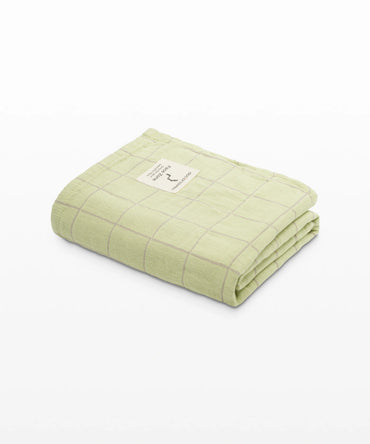
A face towel is not just bathroom fabric. For acne-prone skin and sensitive skin, it is part of the routine.
That mindset shift can help you ask better questions:
- does this feel rough on active breakouts
- does this add friction to freshly cleansed skin
- does this feel like it belongs in a gentle routine
- am I using a face towel vs bath towel acne setup that actually makes sense for my skin
When people start thinking this way, they usually stop seeing drying as an afterthought.
3. Be More Intentional About Towel Cleanliness
A lot of people asking about dirty towel acne are really asking whether their towel habits feel aligned with a clean routine. The approved source set for this article does not give a specific medical rule for how often should you wash your towel, so it is better not to invent one.
What we can say is this:
- if your towel feels stale, rough, or unpleasant, that matters
- if using the same face towel every day makes your skin feel gross, that is useful feedback
- a dedicated face towel is often easier to manage intentionally than a shared bath towel
- cleanliness and comfort both belong in an acne-aware routine
If hygiene is the main issue on your mind, this related read may help: /blogs/towel-bacteria-on-your-face-the-hygiene-step-that-can-undercut-your-routine.
4. Reduce Pressure On Active Breakouts
Breakouts do not need extra mechanical stress. If an area is inflamed, tender, or freshly treated, use the least amount of contact needed.
Helpful adjustments:
- blot around painful spots instead of pressing hard on them
- avoid aggressive drying after exfoliants or acne treatments
- take extra care around the jawline if that is a repeat irritation area
- stop using any towel that feels scratchy or abrasive
This is where the question can a rough towel make acne worse becomes practical instead of theoretical.
5. Keep The Whole Routine Gentle, Not Just The Product Steps
The American Academy of Dermatology notes that acne-friendly skin care habits are part of acne management. That means the full sequence matters:
- how you cleanse
- how much you scrub
- how you dry
- how your skin feels right after contact
A routine can look gentle on paper but still feel irritating in real life if the mechanical parts are rough.
6. Get Professional Help For Persistent Or Severe Acne
If breakouts are persistent, worsening, painful, or leaving marks, it is worth seeing a dermatologist or other qualified medical professional. Educational routine changes can help reduce irritation, but they are not a substitute for professional care when acne is severe or ongoing.
That is especially true if you have already improved the basics and still feel stuck.
Why Doctor Towels Was Built For This
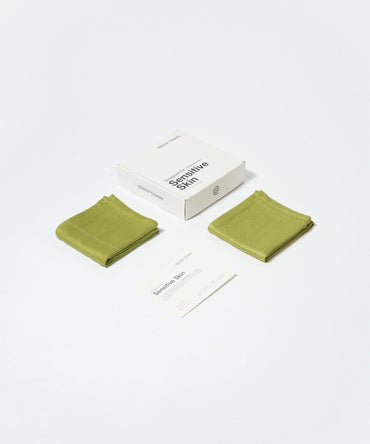
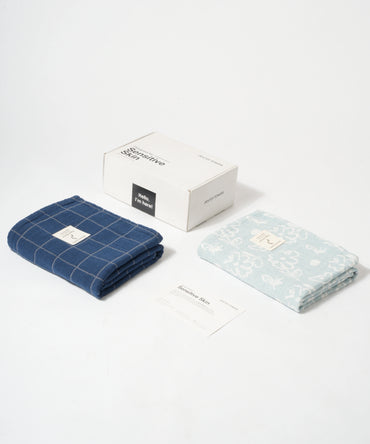
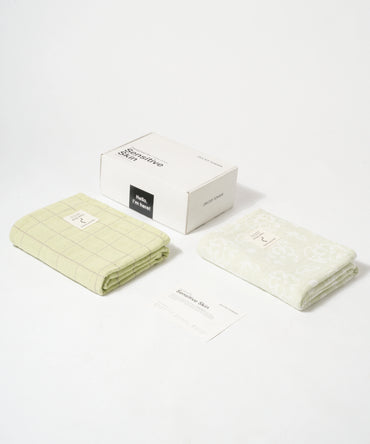
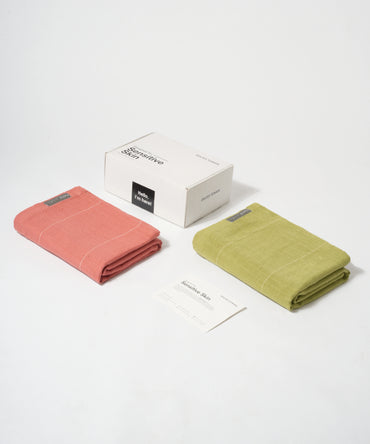
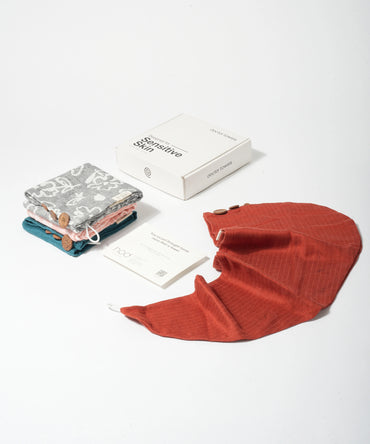
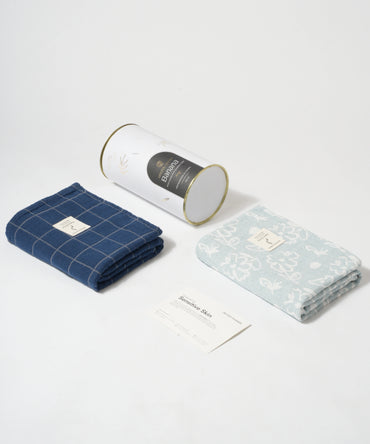
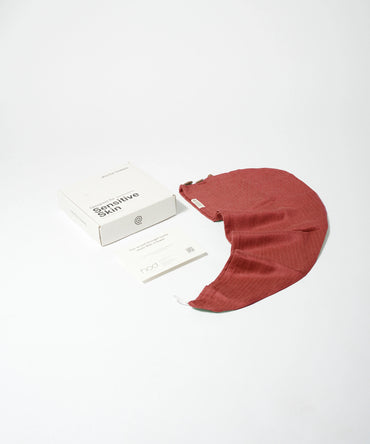
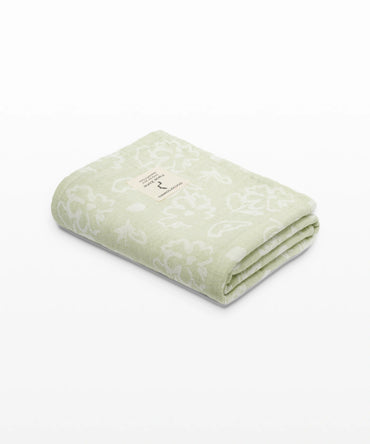
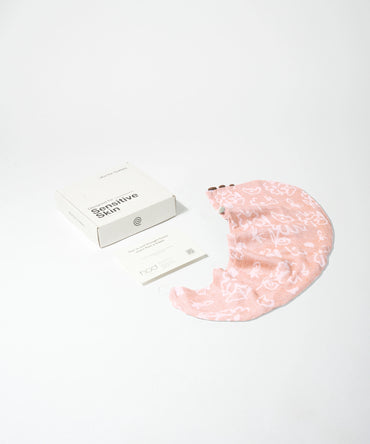
Doctor Towels sits in this conversation because the brand is positioned as a skincare-first towel brand, not a generic bath towel brand. The core idea is simple: the towel step should be intentional, especially for acne-prone skin and sensitive skin.
Within the approved brand knowledge, Doctor Towels can be described as:
- part of a gentle skincare routine, not a cure
- part of the same conversation as cleansers, serums, and skin-barrier-friendly habits
- a product that treats face-drying as an intentional skincare step, not an afterthought
- a fit for lower-friction, more skin-aware routine habits
The user request also asked for proprietary points like SkinShield Technology™, Dual-Side Design (Patented), Skin-Safe Fibers, 160-Wash Efficacy, and Clinical Validation, plus references to the Doctor Towels research page and testing report:
However, the source set provided for this draft does not approve factual claims about:
- SkinShield Technology™
- Dual-Side Design (Patented)
- Skin-Safe Fibers
- 160-wash efficacy
- clinical validation outcomes
- IADVL 2023: 74% of acne patients show C. acnes on towels
- Apollo Hospitals 2024 RCT: 112 patients, 21% average reduction in inflammatory acne lesions in 14 days
- 890M CFUs after 7 days unwashed
Because this article must not invent or overstate unsupported claims, those points are not presented here as facts. What can be said responsibly is that Doctor Towels is framed as a skincare-first product for people who want the towel step to feel more aligned with a gentle, acne-aware routine.
If you are comparing options, the useful question is not whether a towel will fix acne. It is whether your face towel supports less friction, less irritation, and a more intentional routine.
For readers exploring that angle further, this companion guide may help: /blogs/acne-safe-towels-guide.
The Bottom Line
A lot of people never think about their towel until their skin starts feeling irritated after drying. Then the whole pattern clicks: the cleanser may be gentle, the moisturizer may be barrier-friendly, but the face-drying routine is still rough.
That is the real takeaway from towel friction acne mechanica. The issue is not that one towel is the single cause of every breakout. It is that friction, rubbing, and pressure can aggravate acne-prone skin, and repeated habits matter.
So if you have been asking questions like towels cause acne, why your towel is breaking you out, or can rubbing your face with a towel make acne worse, the most grounded answer is this:
- friction can aggravate acne-prone skin
- irritation can make a routine feel harsher than intended
- the towel step deserves the same care as the rest of your skincare
That perspective shift is often enough to change the routine for the better. Not because a towel is magic, but because skin usually does better when everyday contact is more gentle, more intentional, and more skincare-aware.
Medical Sources & Further Reading
- American Academy of Dermatology. How to treat acne. Approved takeaway: dermatologists recommend gentle, non-abrasive cleansing and caution that scrubbing with washcloths, sponges, and other tools can irritate acne-prone skin. https://www.aad.org/news/how-to-treat-acne
- American Academy of Dermatology. DIY acne treatment. Approved takeaway: acne-friendly skin care and dermatologist-recommended habits are a core part of acne management. https://www.aad.org/public/diseases/acne/diy
- PubMed. Acne mechanica. Approved takeaway: friction, pressure, rubbing, and occlusion can aggravate acneiform eruptions. https://pubmed.ncbi.nlm.nih.gov/123732/
- PubMed. Inner thigh friction as a cause of acne mechanica. Approved takeaway: mechanical friction can contribute to acne mechanica in friction-prone areas. https://pubmed.ncbi.nlm.nih.gov/30883890/
- Doctor Towels. Research Page. https://www.doctortowels.com/pages/research-page
- Doctor Towels. Testing Report PDF. https://cdn.shopify.com/s/files/1/0376/8529/7196/files/Testing_Report.pdf?v=1758528655
Medical Citations
- How to treat acne - American Academy of Dermatology - https://www.aad.org/news/how-to-treat-acne
- DIY acne treatment - American Academy of Dermatology - https://www.aad.org/public/diseases/acne/diy
- Acne mechanica - PubMed - https://pubmed.ncbi.nlm.nih.gov/123732/
- Inner thigh friction as a cause of acne mechanica - PubMed - https://pubmed.ncbi.nlm.nih.gov/30883890/
Prev post
Silver Infused Vs Zinc Embedded Towels: What Actually Matters For Skin
Updated on 14 April 2026
Next post

How To Keep Towels Fresh Without Washing Daily
Updated on 14 April 2026