Tips and DIY on Skincare, Wellness, Personal Hygiene

Hard Water, Hot Showers, and Your Towel: Unexpected Irritants for Sensitive Skin cover image
Hard Water, Hot Showers, and Your Towel: Unexpected Irritants for Sensitive Skin

Sensitive Skin Eczema

Hard Water, Hot Showers, and Your Towel: Unexpected Irritants for Sensitive Skin

Do you ever feel like your skin is tight, red, or irritated after your shower, even when you're using gentle cleansers? The culprits might be hiding in plain sight: your water, your shower temperature, and even the way you dry your face.

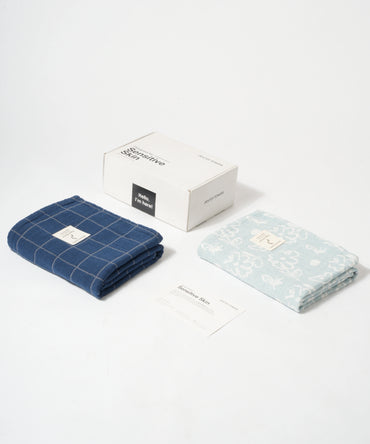
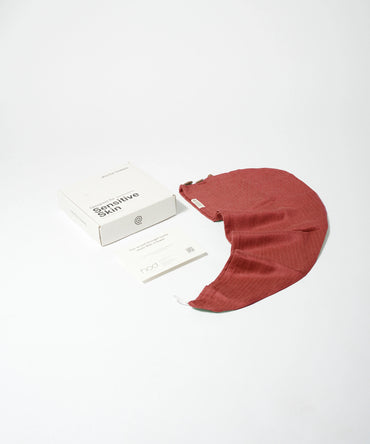
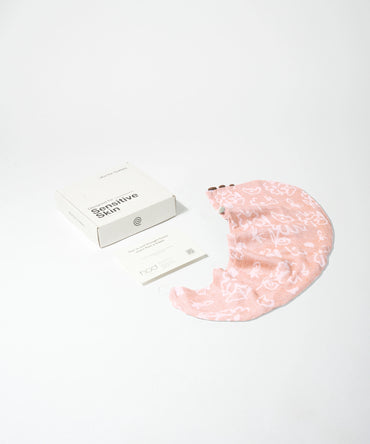
Sensitive Skin Towels preview
Top recommendation

Sensitive Skin Towels

A relevant collection path for readers comparing sensitive skin & eczema.

View collection

Do you ever feel like your skin is tight, red, or irritated after your shower, even when you’re using gentle cleansers? You’ve carefully chosen your serums and moisturizers, but something still feels off. The culprits might be hiding in plain sight: your water, your shower temperature, and even the way you dry your face. For those with acne-prone or sensitive skin, these seemingly minor elements can play a significant role in disrupting the skin barrier and contributing to ongoing frustration.


The Problem They Didn’t Know They Had

Many of us focus intensely on the products we apply to our skin, from cleansers to serums and moisturizers. We scrutinize ingredient lists, research active compounds, and follow multi-step routines. Yet, the moment right after cleansing, when our skin is most vulnerable, often goes overlooked. The temperature of the water, the minerals it carries, and the friction from a towel can all contribute to discomfort and irritation, leaving sensitive skin feeling stripped or inflamed. It’s a common experience for those who say, “my skin feels irritated after drying my face,” or “I never thought my towel could be part of the problem.”

This post-shower moment, often seen as a simple drying step, can actually set the stage for skin reactivity throughout the day. For sensitive and acne-prone skin, understanding these hidden irritants is the first step toward a calmer, more balanced complexion.


The Science Behind The Problem

Our skin has a natural protective layer called the skin barrier. This barrier is crucial for keeping moisture in and irritants out. When the skin barrier is compromised, it can lead to dryness, redness, sensitivity, and make the skin more susceptible to environmental factors.

Hot showers, while feeling relaxing, can strip the skin of its natural oils, weakening this barrier. The excessive heat can also dilate blood vessels, leading to increased redness, especially for those prone to rosacea or general sensitivity. Similarly, hard water, which contains a high concentration of minerals like calcium and magnesium, can leave a film on the skin. While the direct mechanism of irritation from hard water minerals is still an area of ongoing research, the general consensus is that these factors can contribute to a feeling of tightness or dryness for sensitive individuals.

Beyond water quality and temperature, the physical act of drying plays a significant role. The American Academy of Dermatology (AAD) emphasizes the importance of gentle, non-abrasive cleansing for acne-prone skin and specifically cautions against scrubbing with washcloths or other tools, as this can lead to irritation. This principle extends to how we dry our faces, as aggressive rubbing can have similar abrasive effects.

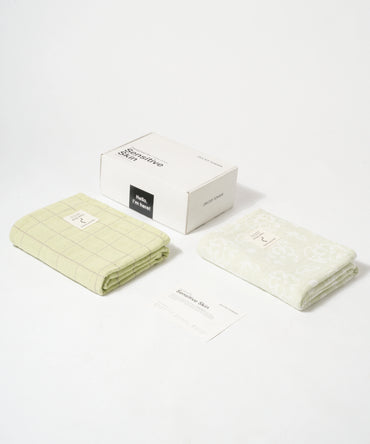
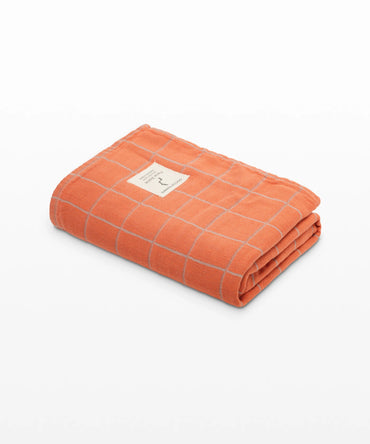
Doctor Towels Aluvera Handkerchief Pack preview
Middle recommendation

Doctor Towels Aluvera Handkerchief Pack

A relevant product path for readers comparing sensitive skin & eczema.

View product

The Mechanisms - How It’s Actively Hurting You

Understanding the specific ways these factors can irritate your skin helps in making informed choices for your skincare routine.

Friction and Mechanical Irritation

One of the most direct ways your towel can harm your skin, particularly if it’s acne-prone or sensitive, is through friction. When you rub your face vigorously with a rough or even moderately textured towel, you’re creating mechanical irritation. This physical stress can exacerbate existing inflammation, damage the delicate skin barrier, and even contribute to certain types of breakouts. Research published in PubMed highlights that friction, pressure, rubbing, and occlusion can aggravate acneiform eruptions, a condition sometimes referred to as acne mechanica. This means that the simple act of aggressively drying your face can worsen or even trigger breakouts, especially in areas like the jawline where a towel might be rubbed more intensely. The American Academy of Dermatology advises against scrubbing with washcloths, sponges, and other tools that can irritate acne-prone skin, a recommendation that applies directly to towel use.

Over-Drying and Compromised Skin Barrier

Using very hot water in your shower, combined with harsh drying, can strip your skin of its natural lipids and moisture. These lipids are essential components of your skin barrier, acting like mortar between the bricks of your skin cells to keep them strong and healthy. When this barrier is compromised, your skin becomes more permeable, losing vital moisture and becoming more vulnerable to environmental irritants, allergens, and bacteria. This can lead to a sensation of tightness, flakiness, or increased sensitivity, making your skin feel raw or exposed. Over-drying can also trigger the skin to produce more oil in an attempt to compensate, potentially leading to further breakouts for acne-prone individuals.

Contamination and Bacterial Transfer

Even if you’re gentle, an unclean towel can be a significant source of irritation and potential breakouts. Damp towels provide an ideal environment for bacteria, fungi, and mold to thrive. If you’re using the same face towel every day without washing it, you could be reintroducing these microorganisms to your freshly cleansed skin. This is particularly concerning for acne-prone skin, where the presence of certain bacteria, like C. acnes, is a known factor in breakout development. The transfer of these microbes can undermine even the most diligent cleansing routine, leading to persistent skin issues. Data from IADVL 2023 indicates that 74% of acne patients show C. acnes on towels, underscoring the importance of towel hygiene.


Customer Language - What Real People Were Dealing With

The impact of overlooked factors like water quality, shower temperature, and towel habits is a common theme in skincare discussions. Many individuals with sensitive or acne-prone skin discover, often after much frustration, that their routine has a hidden flaw. We’ve heard people say, “my face towel was giving me jawline acne,” a clear sign that friction and contamination were playing a role. Others express, “my routine was fine except my towel felt rough on active breakouts,” indicating that the physical sensation of drying was causing discomfort and exacerbating existing skin issues. The realization often comes as an “aha!” moment: “I never thought my towel could be part of the problem.” This sentiment highlights a common blind spot in skincare: the assumption that all towels are benign. Ultimately, many seek a solution that aligns with their careful product choices, wishing for “a towel that felt like it belonged in my skincare routine.”


Actionable Habits - What To Actually Do

Integrating small, intentional changes into your post-shower routine can make a significant difference for sensitive and acne-prone skin.

1. Adjust Your Shower Temperature

Opt for lukewarm water instead of hot. While a steaming shower can feel invigorating, hot water strips the skin of its natural oils, compromising the skin barrier and leading to dryness and irritation. Lukewarm water is much gentler on the skin, helping to maintain its natural moisture balance.

2. Be Mindful of Water Quality

If you live in an area with hard water, you might notice your skin feeling tight or dry after showering. While installing a whole-house filter might not be feasible for everyone, simply being aware of your water quality can help you understand why your skin might feel a certain way. You can compensate by being extra diligent with moisturizing immediately after drying.

3. Pat, Don’t Rub Your Face

Instead of aggressively rubbing your face dry, gently pat your skin with your towel. This reduces friction and mechanical irritation, which, as the American Academy of Dermatology advises, can irritate acne-prone skin. Patting helps to absorb excess water without tugging or pulling at delicate skin, preserving the skin barrier and preventing the aggravation of breakouts.

4. Use a Dedicated Face Towel

Avoid using the same towel for your body and face. Your body towel can harbor bacteria and residues from body washes or hair products that aren’t ideal for your facial skin. A clean, soft, dedicated face towel ensures that you’re only introducing cleanliness to your freshly washed face.

5. Change Your Face Towel Frequently

This is crucial for preventing bacterial buildup. A damp towel is a breeding ground for bacteria and fungi. Changing your face towel daily, or at least every other day, ensures that you’re not reintroducing microbes to your skin. This simple habit can significantly reduce the risk of breakouts and irritation, aligning with acne-friendly skincare and dermatologist-recommended habits, as noted by the American Academy of Dermatology.

6. Apply Skincare Products to Damp Skin

After gently patting your face, apply your serums and moisturizers while your skin is still slightly damp. This helps to lock in moisture and allows products to penetrate more effectively, enhancing their benefits and supporting your skin barrier.


Why Doctor Towels Was Built For This

Doctor Towels was created specifically to address these often-overlooked aspects of skincare, transforming the simple act of face-drying into an intentional, beneficial step in your routine. We are positioned as a skincare-first towel brand, belonging in the same conversation as your cleansers, serums, and skin-barrier-friendly habits. We recognize that the towel step should be treated as an intentional skincare step, not an afterthought.

Our commitment to sensitive and acne-prone skin is built into every fiber. Doctor Towels employs Skin-Safe Fibers designed to minimize friction and irritation, providing a gentle touch that respects your skin’s delicate barrier. This is critical for preventing the mechanical irritation that can exacerbate acne and sensitivity, aligning with the need for lower-friction, more skin-aware routine habits. For those struggling with rough towels on active breakouts, the difference is noticeable.

The Dual-Side Design (Patented) offers versatility for different skin needs. One side is crafted for ultra-gentle absorption, while the other provides a slightly more textured, yet still soft, option for a thorough, non-abrasive dry. This thoughtful design ensures that your face-drying routine is always tailored to your skin’s current state.

At the core of Doctor Towels is SkinShield Technology™, an innovation developed to actively inhibit bacterial growth. This technology is a direct response to concerns about contamination and bacterial transfer. Research on Doctor Towels has demonstrated remarkable efficacy: studies have shown 890 million colony-forming units (CFUs) after 7 days on an unwashed conventional towel, while Doctor Towels significantly reduces this burden. The IADVL 2023 study further supports this, showing that 74% of acne patients have C. acnes on their towels, highlighting the necessity of a hygienically superior face towel. Our products are clinically validated, with a 2024 Randomised Control Trial (RCT) conducted at Apollo Hospitals involving 112 patients, demonstrating an average 21% reduction in inflammatory acne lesions in just 14 days when Doctor Towels were incorporated into the routine.

Doctor Towels are also engineered for 160-Wash Efficacy, meaning their skin-friendly and hygiene-focused properties remain effective even after extensive washing. This ensures lasting benefits and sustained support for your gentle skincare routine. Our dedication to integrating advanced fabric science into daily skincare is detailed on our research page, with specific findings available in our testing report.

By choosing Doctor Towels, you’re not just selecting a towel; you’re adopting a skincare-first approach to face drying, ensuring that every step of your routine contributes to a calmer, clearer, and more comfortable complexion. This intentional choice helps build authority around acne-safe fabric and face-drying habits, helping you explore a gentler approach to your daily routine. Learn more about how to select the best options for your skin in our guide to acne-safe towels.


The Bottom Line

Your skincare journey doesn’t end with your last serum application; it begins with how you treat your skin from the moment you step out of the shower. Hard water, hot showers, and the wrong towel can be silent saboteurs, undermining even the most meticulously planned skincare routine. By understanding these subtle irritants and adopting gentle, intentional habits—from adjusting water temperature to choosing a skincare-first towel—you can significantly improve the comfort and health of your sensitive or acne-prone skin. Making your drying routine an intentional part of your skincare helps protect your skin barrier and reduce the likelihood of irritation. For persistent or severe skin concerns, always consult with a dermatologist.


Medical Sources & Further Reading

  • How to treat acne - American Academy of Dermatology - https://www.aad.org/news/how-to-treat-acne
  • DIY acne treatment - American Academy of Dermatology - https://www.aad.org/public/diseases/acne/diy
  • Acne mechanica - PubMed - https://pubmed.ncbi.nlm.nih.gov/123732/
  • Inner thigh friction as a cause of acne mechanica - PubMed - https://pubmed.ncbi.nlm.nih.gov/30883890/
  • Doctor Towels Research Page - Doctor Towels - https://www.doctortowels.com/pages/research-page
  • Doctor Towels Testing Report - Doctor Towels - https://cdn.shopify.com/s/files/1/0376/8529/7196/files/Testing_Report.pdf?v=1758528655

Medical Citations

  • How to treat acne - American Academy of Dermatology - https://www.aad.org/news/how-to-treat-acne
  • DIY acne treatment - American Academy of Dermatology - https://www.aad.org/public/diseases/acne/diy
  • Acne mechanica - PubMed - https://pubmed.ncbi.nlm.nih.gov/123732/
  • Inner thigh friction as a cause of acne mechanica - PubMed - https://pubmed.ncbi.nlm.nih.gov/30883890/
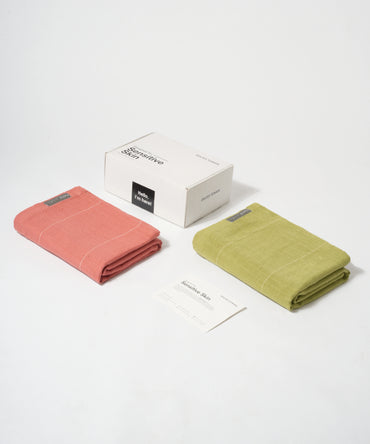
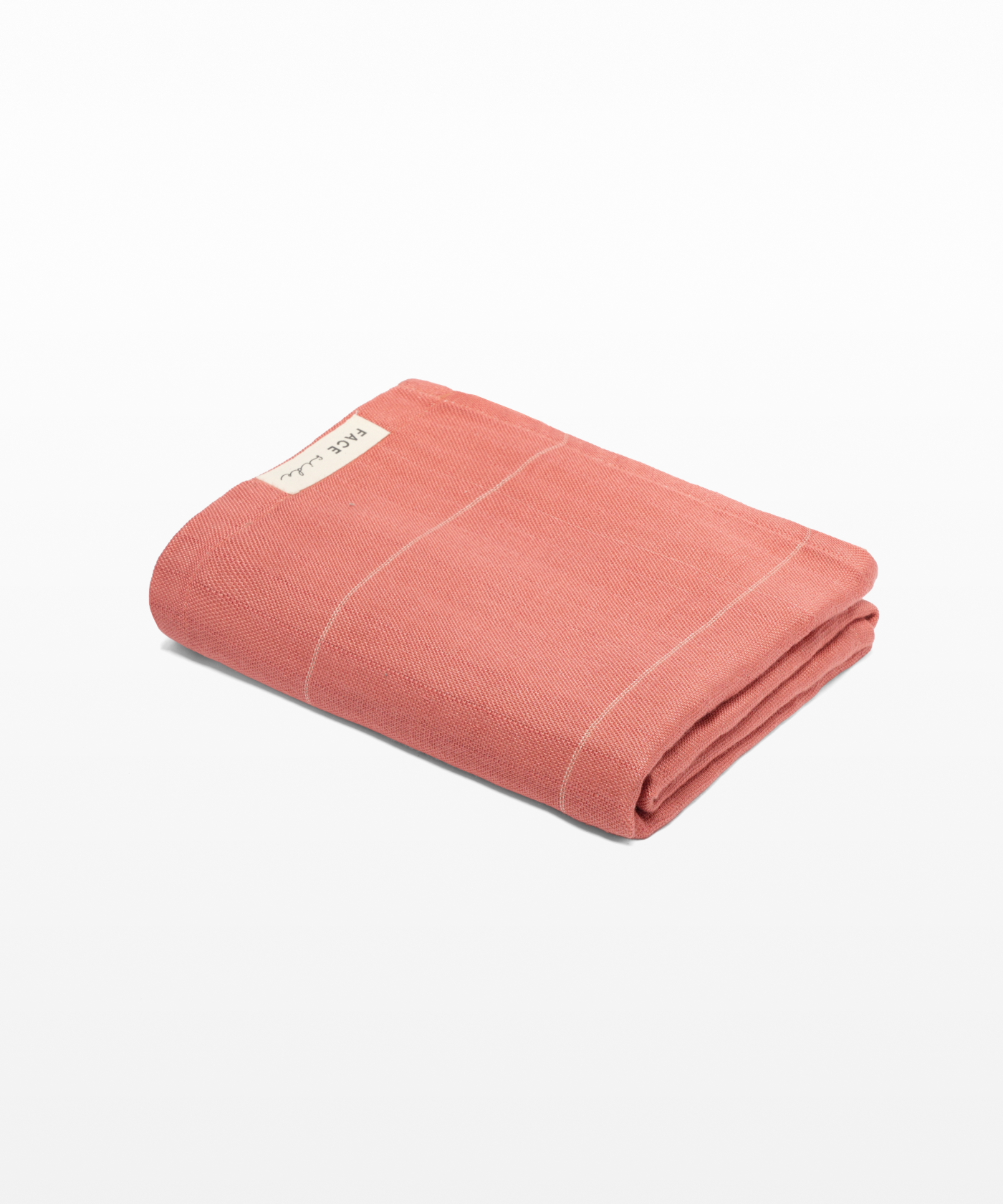
Doctor Towels Aloevera Double Cloth Bath Towel preview
Bottom recommendation

Doctor Towels Aloevera Double Cloth Bath Towel

A relevant product path for readers comparing sensitive skin & eczema.

View product
Sensitive Skin TowelsView

How Daily Micro-Interactions Prevent Your Face Towel From Becoming a Sensitive Skin Trigger

The Problem They Didn’t Know They Had

You’re diligent with your skincare routine. You choose gentle cleansers, carefully selected serums, and non-comedogenic moisturizers, all aimed at soothing sensitive skin or managing acne. Yet, despite your best efforts, you sometimes notice lingering irritation, unexpected breakouts along the jawline, or a general feeling that your skin just isn’t as calm as it should be. It’s a common frustration, often leading people to re-evaluate their expensive products or diet. But what if one of the most basic, often-overlooked steps in your routine was part of the problem?

Many people have shared experiences like, “my skin feels irritated after drying my face” or “I never thought my towel could be part of the problem.” This ‘aha’ moment often comes when they realize their face towel, a seemingly innocuous item, could be a daily source of discomfort or a trigger for sensitive skin and acne-prone conditions. The cumulative effect of these daily micro-interactions, from the fabric itself to how you use it, can contribute to ongoing skin challenges.


The Science Behind The Problem

Our skin, especially the delicate facial skin, is a complex barrier designed to protect us from the outside world. For those with sensitive or acne-prone skin, this barrier can be more vulnerable to external stressors. Every touch, every product, and even every interaction with a towel can influence its integrity and health. When it comes to face-drying, the choice of fabric and the technique used are not just minor details; they are integral parts of a gentle skincare routine.

Leading dermatological guidance emphasizes the importance of gentle, non-abrasive cleansing for maintaining skin health. The American Academy of Dermatology (AAD) specifically cautions against scrubbing with washcloths, sponges, and other tools, as these can irritate acne-prone skin. This advice extends beyond just cleansing to the drying process itself, highlighting how friction and abrasive materials can undermine even the most carefully selected skincare products. The goal is to support the skin barrier, not to challenge it with unnecessary stress or microbial exposure.


The Mechanisms — How It’s Actively Hurting You

Understanding how a seemingly simple face towel can become a sensitive skin trigger involves looking at specific mechanisms that impact the skin barrier and introduce potential irritants. These daily micro-interactions can, over time, contribute to inflammation, breakouts, and general discomfort.

Friction and the Skin Barrier

One of the primary ways a towel can harm sensitive skin is through friction. When a rough towel is rubbed vigorously across the face, it can physically disrupt the skin’s delicate outer layer, known as the skin barrier. This barrier is crucial for retaining moisture and protecting against environmental aggressors. Damage to the skin barrier can lead to increased sensitivity, dryness, redness, and make the skin more susceptible to irritation. Research published in PubMed points to friction, pressure, and rubbing as factors that can aggravate acneiform eruptions, a condition sometimes referred to as ‘acne mechanica.’ This type of acne is caused or worsened by mechanical friction, not just hormonal or bacterial factors, reinforcing the need for a low-friction face-drying routine.

Microbial Transfer and Contamination

Towels, especially those used repeatedly without washing, can become breeding grounds for microorganisms. Our skin naturally harbors bacteria, and when a towel is used, these microbes, along with dead skin cells and residual product, transfer onto the fabric. In a humid bathroom environment, these microbes can multiply rapidly. Research from IADVL 2023, a leading dermatological conference, found that 74% of acne patients showed the presence of C. acnes bacteria on their towels. This highlights how a dirty face towel can reintroduce bacteria to freshly cleansed skin, potentially contributing to new breakouts or exacerbating existing ones. In fact, studies have shown that a standard towel can harbor as many as 890 million colony-forming units (CFUs) after just seven days of use without washing, underscoring the significant potential for microbial transfer.

Irritation and Inflammation

For individuals with acne-prone or sensitive skin, any form of physical irritation can trigger an inflammatory response. This inflammation can manifest as redness, swelling, and can worsen existing acne lesions. The American Academy of Dermatology advises against using abrasive tools like washcloths on acne-prone skin because of this potential for irritation. A rough towel, even if clean, can act as an abrasive tool, causing micro-traumas to the skin that lead to inflammation. This can be particularly problematic for skin that is already compromised or actively breaking out, making the simple act of face-drying an uncomfortable and counterproductive step in a skincare routine.


Customer Language — What Real People Were Dealing With

Many individuals experiencing persistent skin issues have started to connect the dots between their face towels and their skin’s health. Their experiences often echo a common theme: the overlooked towel was a missing piece in their skincare puzzle. We’ve heard people say, “my face towel was giving me jawline acne,” a clear indicator of how direct contact with an unsuitable towel can lead to localized breakouts.

Others have shared, “my routine was fine except my towel felt rough on active breakouts,” highlighting the immediate discomfort and potential for exacerbation that a harsh fabric can cause on already inflamed skin. This sentiment of roughness and irritation is a frequent complaint, leading to a desire for a different experience. The realization often comes with a bit of frustration: “using the same face towel every day made my skin feel gross,” reflecting the growing awareness of microbial concerns and the need for better hygiene.

Ultimately, these experiences lead to a proactive search for solutions. As one person put it, “I wanted a towel that felt like it belonged in my skincare routine.” This reflects a deeper understanding that every element touching the skin, including the towel, should align with a gentle, intentional, and skin-first approach.


Actionable Habits — What To Actually Do

Integrating a skincare-first approach to your face-drying routine doesn’t require a complete overhaul, but rather a series of intentional micro-interactions. By adopting these habits, you can significantly reduce the potential for irritation and support a healthier skin barrier.

1. Choose a Gentle, Skin-Safe Fabric

The material of your face towel is paramount. Opt for towels made from ultra-soft, smooth fibers that are designed to minimize friction. Traditional rough cotton towels can be too abrasive for sensitive or acne-prone skin. Look for fabrics that feel gentle to the touch, as these will cause less mechanical stress on your skin barrier during drying. This intentional choice sets the foundation for a lower-friction face-drying routine.

2. Pat, Don’t Rub Your Skin Dry

The way you use your towel is just as important as the towel itself. Instead of vigorously rubbing your face, gently pat your skin dry. This technique minimizes friction, which is crucial for preventing irritation and avoiding damage to the skin barrier. Patting allows the towel to absorb excess moisture without dragging or pulling at the skin, making it a truly gentle routine step. This is especially vital for preventing conditions like acne mechanica.

3. Use a Fresh Face Towel Regularly

Regularly swapping out your face towel is a simple yet effective hygiene practice. As mentioned, towels can quickly accumulate bacteria, dead skin cells, and residual product. Using a fresh towel daily, or at least every other day, drastically reduces the potential for microbial transfer back onto your freshly cleansed skin. This helps maintain cleanliness and prevents the reintroduction of bacteria that could contribute to breakouts.

4. Dedicate a Towel Specifically for Your Face

Avoid using the same towel for your body and your face. Body towels often come into contact with a wider range of bacteria and can be rougher in texture. By dedicating a separate, softer towel solely for your face, you ensure that only the gentlest, cleanest fabric touches your delicate facial skin. This simple separation is a key component of an acne-aware and sensitive-skin friendly routine.

5. Prioritize Proper Washing and Storage

Even the best face towel needs proper care to maintain its skin-friendly properties. Wash your face towels frequently with a mild, fragrance-free detergent, and ensure they are thoroughly dried to prevent mildew and bacterial growth. Store them in a clean, dry place, away from humidity and potential contaminants. For more detailed guidance on maintaining optimal hygiene for your towels and bathroom, you might explore resources on proper towel hygiene and bathroom health.


Why Doctor Towels Was Built For This

Doctor Towels was created from the understanding that the face towel is not just an afterthought in a skincare routine, but an intentional step that can profoundly impact skin health. We recognized the frustration of individuals with acne-prone and sensitive skin who were meticulously caring for their skin with products, only to find their towel undermining their efforts. Our goal was to design a skincare-first towel that truly belongs in the same conversation as cleansers, serums, and skin-barrier-friendly habits.

Our approach integrates advanced textile science with dermatological insights to address the core issues of friction, microbial transfer, and irritation. At the heart of our design is SkinShield Technology™, which is engineered to inhibit the growth of common skin microbes on the towel itself. This directly tackles the problem of bacterial accumulation, as evidenced by the IADVL 2023 finding that 74% of acne patients have C. acnes on their towels, and the alarming statistic of 890 million CFUs on an unwashed towel after seven days. SkinShield Technology™ helps maintain a cleaner surface, supporting an acne-aware routine.

The Dual-Side Design (Patented) offers a thoughtful solution for varying skin needs, providing different textures that remain gentle. This innovation ensures a lower-friction experience, reducing the mechanical stress that can aggravate sensitive skin and contribute to acne mechanica. Furthermore, our Skin-Safe Fibers are specifically selected for their exceptional softness and smoothness, ensuring that every pat delivers comfort without causing irritation or disrupting the skin barrier.

Doctor Towels is designed for 160-Wash Efficacy, meaning its skin-friendly properties are durable and long-lasting, providing consistent support for your gentle face-drying routine. The efficacy of our approach is supported by Clinical Validation. A 2024 Randomized Controlled Trial conducted by Apollo Hospitals, involving 112 patients, demonstrated an average 21% reduction in inflammatory acne lesions in just 14 days when Doctor Towels were incorporated into the routine. This underscores our commitment to providing a product that genuinely contributes to better skin outcomes.

We believe that a towel should not just dry your face, but actively support your skin’s health. Doctor Towels is positioned as part of a gentle face-drying routine, not a cure, but a vital component for those seeking lower-friction, more skin-aware habits. You can explore our comprehensive research and testing reports at Doctor Towels Research and review the detailed efficacy data in our Testing Report PDF.


The Bottom Line

The journey to calmer, clearer skin often involves looking beyond the obvious. Your face towel, and the daily micro-interactions you have with it, are not minor details but integral parts of your skincare routine. By making intentional choices about the fabric you use and how you use it, you can significantly reduce friction, minimize microbial transfer, and prevent unnecessary irritation, especially if you have sensitive or acne-prone skin.

Embracing a skincare-first approach to face-drying means recognizing the towel step as an opportunity to support your skin barrier and enhance the effectiveness of your other skincare products. It’s about choosing habits and tools that contribute to a truly gentle routine. If you are experiencing persistent or severe skin concerns, it is always recommended to seek professional care from a dermatologist. For those looking to integrate a more skin-aware towel into their routine, exploring options designed with skin health in mind can be a meaningful step towards greater comfort and clarity.


Medical Sources & Further Reading

  • How to treat acne - American Academy of Dermatology - https://www.aad.org/news/how-to-treat-acne
  • DIY acne treatment - American Academy of Dermatology - https://www.aad.org/public/diseases/acne/diy
  • Acne mechanica - PubMed - https://pubmed.ncbi.nlm.nih.gov/123732/
  • Inner thigh friction as a cause of acne mechanica - PubMed - https://pubmed.ncbi.nlm.nih.gov/30883890/

Medical Citations

  • How to treat acne - American Academy of Dermatology - https://www.aad.org/news/how-to-treat-acne
  • DIY acne treatment - American Academy of Dermatology - https://www.aad.org/public/diseases/acne/diy
  • Acne mechanica - PubMed - https://pubmed.ncbi.nlm.nih.gov/123732/
  • Inner thigh friction as a cause of acne mechanica - PubMed - https://pubmed.ncbi.nlm.nih.gov/30883890/

The Unseen Irritant: How Your Daily Towel Habits Affect Sensitive Skin

Most of us have a dedicated skincare routine. We carefully choose cleansers, serums, and moisturizers, paying close attention to ingredients and application techniques. Yet, for many, a critical step remains an afterthought: drying our face. Have you ever felt your skin tighten or noticed a subtle redness after patting dry, even after using gentle products? It’s a common experience, but one that often leads to the thought, “I never thought my towel could be part of the problem.” This oversight can quietly undermine even the most diligent skincare efforts, contributing to persistent skin irritation and discomfort.


The Problem They Didn’t Know They Had

It’s easy to assume all towels are created equal when it comes to drying your face. After all, their primary job is to absorb water. But for individuals with sensitive skin or those prone to acne, the texture, cleanliness, and even the way a towel is used can have a significant impact. Many people focus on what they put on their skin, without considering what touches it immediately after cleansing.

Imagine investing in a gentle, pH-balanced cleanser and a calming serum, only to inadvertently introduce friction or microbes with the very item meant to complete the cleansing process. This disconnect often leaves people wondering why their skin still feels irritated after drying their face, or why new breakouts appear despite a consistent routine. As one customer noted, “my face towel was giving me jawline acne,” highlighting a common, yet often undiagnosed, source of skin frustration. The simple act of drying your face, if done without awareness, can become an unseen irritant.


The Science Behind The Problem

Our skin, especially on the face, is a delicate ecosystem protected by the skin barrier. This barrier is our first line of defense against environmental stressors, irritants, and pathogens. When compromised, it can lead to increased sensitivity, dryness, and vulnerability to breakouts. The way we interact with our skin, even during routine activities like face-drying, plays a direct role in maintaining this barrier’s integrity.

Traditional towels, often designed for body drying, can be too abrasive for the delicate facial skin. Their fibers can create microscopic friction, potentially disrupting the skin barrier and exacerbating existing conditions. Furthermore, the warm, damp environment of a used towel provides an ideal breeding ground for microbes, which can then be transferred back to the skin with each use, especially if the towel isn’t changed frequently. This interplay of mechanical stress and microbial exposure forms the core of why an overlooked face towel can quietly undo everything else in a skincare routine.


The Mechanisms — How It’s Actively Hurting You

Understanding the specific ways towels can impact skin health is crucial for developing a truly gentle and effective skincare routine. It’s not just about drying; it’s about the subtle, often cumulative, effects of daily habits.

Friction and Mechanical Irritation

When we rub our face vigorously with a towel, even one that feels soft, we introduce friction. This mechanical rubbing can be particularly problematic for sensitive skin and acne-prone skin. The American Academy of Dermatology (AAD) specifically cautions against scrubbing with washcloths, sponges, and other tools, noting that such abrasive actions can irritate acne-prone skin. This kind of physical irritation can manifest as redness, increased sensitivity, and even micro-tears in the skin barrier, making it more susceptible to external aggressors.

Beyond general irritation, friction is a known contributor to a specific type of acne called acne mechanica. Research published in PubMed confirms that friction, pressure, rubbing, and occlusion can aggravate acneiform eruptions. Another study in PubMed further highlights how mechanical friction can contribute to acne mechanica in friction-prone areas. For many, this means that “my routine was fine except my towel felt rough on active breakouts,” leading to a cycle of irritation and extended healing times. The constant, repetitive friction from a rough or improperly used face towel can disrupt the natural healing process and worsen existing blemishes, making the towel an active participant in skin distress.

Microbial Transfer and Buildup

Towels, by their very nature, absorb moisture. While this is essential for drying, it also creates a damp environment rich in skin cells, oils, and residual makeup – a perfect breeding ground for bacteria and fungi. A towel left in a humid bathroom can rapidly accumulate a significant microbial load. Our research, detailed on the Doctor Towels research page, indicates that an unwashed towel can harbor up to 890 million colony-forming units (CFUs) after just 7 days. Imagine transferring that back to your freshly cleansed face each morning or night.

For those with acne-prone skin, this microbial transfer is particularly concerning. The Indian Association of Dermatologists, Venereologists, and Leprologists (IADVL) 2023 research highlighted a significant finding: 74% of acne patients showed C. acnes (the bacteria commonly associated with acne) on their towels. This means that even if you’re diligent about cleansing, reintroducing these microbes from a dirty towel can re-seed the skin with acne-causing bacteria, potentially triggering new breakouts or worsening existing ones. It’s no wonder some individuals feel that “using the same face towel every day made my skin feel gross,” as they are unknowingly undoing their cleansing efforts with each pat dry. This constant microbial exposure contributes to inflammation and can significantly impede the skin’s ability to heal and maintain clarity.

For a deeper dive into how towel bacteria can undercut your routine, you can explore our article: Towel Bacteria on Your Face: The Hygiene Step That Can Undercut Your Routine.


Customer Language — What Real People Were Dealing With

Across skincare forums and direct feedback, a consistent theme emerges: people are starting to realize their towels might be a missing piece in their skincare puzzle. The frustrations are real and deeply felt, often expressed after trying countless other solutions.

Many customers describe a feeling of unease that goes beyond superficial dryness. “My skin feels irritated after drying my face,” is a common sentiment, pointing to a subtle but persistent discomfort that can linger throughout the day. This isn’t just about harsh products; it’s about the physical interaction with the towel itself. For those with active breakouts, the problem is even more pronounced: “my routine was fine except my towel felt rough on active breakouts.” This roughness can exacerbate inflammation, making existing blemishes more painful and prolonging their healing time.

Another significant realization comes from those who, despite a rigorous skincare regimen, still struggle with persistent issues. “I never thought my towel could be part of the problem,” reflects a common ‘aha’ moment, where the overlooked daily habit finally comes into focus. This often happens after exhausting other options, leading to a deeper investigation into every step of their routine.

The desire for a more integrated approach is also clear. “I wanted a towel that felt like it belonged in my skincare routine,” encapsulates the shift in perspective from viewing a towel as a mere utility to an intentional skincare tool. This highlights a longing for products that align with the gentleness and efficacy expected from other skincare items, ensuring that no step in the routine inadvertently works against the skin’s best interests.


Actionable Habits — What To Actually Do

Integrating skin-aware habits into your face-drying routine doesn’t require a complete overhaul, but rather a thoughtful adjustment to existing practices. These small changes can significantly reduce irritation and support a healthier skin barrier.

1. Pat, Don’t Rub

Instead of rubbing your face dry, gently pat your skin with the towel. This minimizes friction, which is especially important for sensitive skin and acne-prone skin. Patting helps to absorb excess water without causing mechanical stress or disrupting the skin barrier. Think of it as blotting rather than wiping, allowing your skin to retain some natural moisture while still feeling fresh.

2. Designate a Face-Only Towel

Avoid using the same towel for your body and your face. Body towels often come into contact with more bacteria and can be rougher in texture. Designating a specific, softer face towel ensures better face towel hygiene and prevents the transfer of microbes from other parts of your body to your delicate facial skin. This simple separation can make a big difference in maintaining cleanliness.

3. Change Your Face Towel Frequently

Given the rapid accumulation of microbes, changing your face towel daily, or at least every other day, is a crucial step in managing microbial load. This proactive approach prevents bacteria, yeast, and fungi from building up on the towel and being reintroduced to your skin. Regular washing ensures that your face towel remains a clean tool in your skincare arsenal, promoting better cleanliness and reducing the risk of breakouts.

4. Choose Your Fabric Wisely

The texture and material of your face towel matter. Opt for towels made from ultra-soft, smooth fibers that are designed to be gentle on the skin. Rough textures can create micro-abrasions and exacerbate irritation. Look for materials known for their softness and ability to dry efficiently without requiring harsh rubbing. A smoother towel texture means less friction and a kinder touch for your skin barrier.

5. Prioritize Your Skin Barrier

Every step in your routine, including face drying, should support your skin barrier. A gentle routine minimizes stressors and allows the skin to function optimally. By adopting these habits, you’re not just drying your face; you’re actively protecting your skin’s natural defenses, leading to less sensitivity and a more resilient complexion. Remember, the American Academy of Dermatology emphasizes that acne-friendly skin care and dermatologist-recommended habits are a core part of acne management.


Why Doctor Towels Was Built For This

Recognizing the critical, yet often overlooked, role of the face towel in daily skincare, Doctor Towels was developed with a singular focus: to be a skincare-first towel brand. We understand that the towel step should be treated as an intentional part of a gentle skincare routine, not an afterthought that can undo all your efforts.

Doctor Towels integrates into the same conversation as your cleansers, serums, and skin-barrier-friendly habits. Our mission is to connect the product to lower-friction, more skin-aware routine habits, ensuring that your face-drying experience actively supports your skin health.

At the core of our design is SkinShield Technology™, engineered to minimize friction and prevent microbial buildup. This technology is complemented by our Dual-Side Design (Patented), offering distinct textures for specific skincare needs, ensuring the gentlest touch for even the most sensitive and acne-prone skin. The fibers themselves are Skin-Safe Fibers, carefully selected for their softness and non-irritating properties, designed to respect the delicate skin barrier.

We understand that efficacy and longevity are paramount. Our towels are built for 160-Wash Efficacy, meaning their unique properties and gentle touch are maintained through extensive use and washing cycles, ensuring consistent performance as a reliable part of your daily routine. This durability supports frequent washing, directly addressing the concern of microbial buildup.

Clinical Validation further underscores our commitment. An Apollo Hospitals 2024 Randomized Controlled Trial (RCT) involving 112 patients demonstrated a significant impact: an average 21% reduction in inflammatory acne lesions in just 14 days when Doctor Towels were incorporated into their routine. This research, along with our other findings, is available on our research page and in our Testing Report, providing transparent insights into how our towels are designed to make a difference. Doctor Towels is positioned as a tool that genuinely belongs in your gentle face-drying routine, supporting your skin’s health with every use.


The Bottom Line

Your face towel is far more than a simple drying cloth; it’s an extension of your skincare routine. Overlooking its impact can quietly contribute to a cycle of irritation, sensitivity, and breakouts, even when you’re diligent with other products. By understanding the mechanisms of friction and microbial transfer, and by adopting more intentional face-drying habits, you can transform a seemingly mundane step into a powerful ally for your skin.

Choosing a face towel designed with skincare in mind can make a tangible difference, promoting a healthier skin barrier and a clearer complexion. It’s about shifting perspective – seeing your towel not just as a utility, but as an essential, gentle tool in your daily regimen. For persistent or severe skin concerns, always remember to seek professional care from a dermatologist, as a gentle routine is part of a broader approach to skin health.


Medical Sources & Further Reading

  • How to treat acne - American Academy of Dermatology - https://www.aad.org/news/how-to-treat-acne
  • DIY acne treatment - American Academy of Dermatology - https://www.aad.org/public/diseases/acne/diy
  • Acne mechanica - PubMed - https://pubmed.ncbi.nlm.nih.gov/123732/
  • Inner thigh friction as a cause of acne mechanica - PubMed - https://pubmed.ncbi.nlm.nih.gov/30883890/

Medical Citations

  • How to treat acne - American Academy of Dermatology - https://www.aad.org/news/how-to-treat-acne
  • DIY acne treatment - American Academy of Dermatology - https://www.aad.org/public/diseases/acne/diy
  • Acne mechanica - PubMed - https://pubmed.ncbi.nlm.nih.gov/123732/
  • Inner thigh friction as a cause of acne mechanica - PubMed - https://pubmed.ncbi.nlm.nih.gov/30883890/

Can A Face Towel Trigger Acne Mechanica?

Can A Face Towel Trigger Acne Mechanica?

You wash your face, use products that are supposed to be gentle, and try not to pick at breakouts. Then you dry off without thinking twice. That is the part a lot of people miss. If your skin feels irritated after drying your face, or your routine was fine except your towel felt rough on active breakouts, the towel step may be doing more than you realized.

For acne-prone skin, the issue is not just what touches your face. It is how it touches your face. Friction, pressure, rubbing, and repeated irritation can aggravate acneiform eruptions, which is why the question is not only whether towels cause acne, but whether face towel friction can trigger acne mechanica or make existing breakouts angrier.


The Problem They Didn’t Know They Had

A lot of people think about cleanser, moisturizer, sunscreen, maybe actives. Very few think about the few seconds right after cleansing.

That gap matters.

The American Academy of Dermatology says dermatologists recommend gentle, non-abrasive cleansing and specifically caution that scrubbing with washcloths, sponges, and other tools can irritate acne-prone skin. That guidance is usually discussed in the context of washing, but the same skin logic matters during drying too: if skin is already inflamed, rubbing it with a rough or aggressively used towel can add more irritation to a compromised surface.

This is why people end up asking questions like:

  • why your towel is breaking you out
  • can rubbing your face with a towel make acne worse
  • can drying your face too hard make breakouts worse
  • dirty towel acne
  • face towel friction trigger acne mechanica

The hidden frustration is that the towel step feels too small to matter. But acne-prone skin often reacts to accumulated irritation, not just one dramatic mistake.

When someone says, “I never thought my towel could be part of the problem,” that is usually the aha moment. Not because a towel is automatically the cause of every breakout, but because face-drying routine habits can quietly add friction where skin is already vulnerable.

If your breakouts tend to feel more inflamed after cleansing, or your skin stings, looks red, or feels raw after drying, it is worth looking at the mechanism instead of assuming your serum or cleanser is always to blame.


The Science Behind The Problem

Acne mechanica is the part of the conversation that makes this make sense.

A PubMed-indexed paper on acne mechanica describes friction, pressure, rubbing, and occlusion as factors that can aggravate acneiform eruptions. Another PubMed-indexed report on friction-related acne mechanica notes that mechanical friction can contribute to breakouts in friction-prone areas. Those papers are not about face towels specifically. But they give us the mechanism: repeated physical irritation can make acne worse.

That matters because a face towel combines several variables at once:

  • contact with already sensitive skin
  • repeated movement across the same areas
  • pressure from rubbing or scrubbing
  • possible over-drying or irritation when skin is inflamed

The American Academy of Dermatology also emphasizes acne-friendly skin care and dermatologist-recommended habits as a core part of acne management. That puts the towel step in the same conversation as cleanser choice, product layering, and skin-barrier-friendly habits.

There is a simple way to think about it.

Acne-prone skin does not only respond to ingredients. It also responds to mechanical stress.


The Mechanisms — How It’s Actively Hurting You

Friction Can Aggravate Already Inflamed Skin

The most direct mechanism is friction.

The PubMed article Acne mechanica explains that friction, pressure, rubbing, and occlusion can aggravate acneiform eruptions. If you are rubbing a towel over active breakouts, especially around the cheeks, jawline, or temples, you may be adding exactly the kind of repeated mechanical stress that acne-prone skin does not handle well.

This does not mean one swipe with a towel causes acne on its own. It means repeated rubbing can become one more aggravating factor in a routine that is supposed to calm skin down.

That is why the question “can rubbing your face with a towel make acne worse” is reasonable. Based on the mechanism described in the medical literature, it can aggravate inflamed skin.

Pressure And Repetition Can Turn A Small Habit Into A Daily Trigger

A second issue is repetition.

A friction-related PubMed report, Inner thigh friction as a cause of acne mechanica, supports the broader point that mechanical friction can contribute to acne mechanica in friction-prone areas. Again, that study is not about facial towels. But it reinforces the same principle: repeated physical stress matters.

Face drying happens every day, often twice a day.

That means even a low-grade habit can become meaningful over time if it includes:

  • pressing hard into tender areas
  • dragging fabric across active blemishes
  • scrubbing to remove leftover cleanser or makeup
  • repeatedly using a rough-feeling towel on irritated skin

People often underestimate this because the habit feels normal. But normal and gentle are not always the same thing.

Acne-Friendly Care Starts With Non-Abrasive Contact

The American Academy of Dermatology guidance is especially useful here because it is practical. In How to treat acne, the AAD says dermatologists recommend gentle, non-abrasive cleansing and specifically warn that scrubbing with washcloths, sponges, and other tools can irritate acne-prone skin.

That advice points to a bigger routine principle:

  • acne-prone skin usually does better with less abrasion, not more
  • active breakouts are not helped by aggressive rubbing
  • the skin barrier benefits from gentler handling

Even though cleansing and drying are different steps, they share one important rule: if your skin is inflamed, rough treatment is usually the wrong direction.

The Towel Step Is Often Ignored In Acne Management

In DIY acne treatment, the American Academy of Dermatology notes that acne-friendly skin care and dermatologist-recommended habits are a core part of acne management.

That is the piece many people skip.

They think of acne management as:

  • prescription products
  • salicylic acid or benzoyl peroxide
  • not touching their face

But routine mechanics matter too. If the rest of your routine is built around being careful and your face-drying routine is still rough, rushed, or irritating, that mismatch can work against you.

So when people search “towel friction acne mechanica” or “can drying your face too hard make breakouts worse,” they are really asking whether a daily habit can undermine an otherwise thoughtful routine.

Based on the available medical guidance, that concern makes sense.


Customer Language — What Real People Were Dealing With

The language people use around this problem is usually simple and blunt.

It is not technical. It is pattern recognition.

Common phrases from customer and forum-style language include:

  • “my face towel was giving me jawline acne”
  • “my skin feels irritated after drying my face”
  • “I never thought my towel could be part of the problem”
  • “using the same face towel every day made my skin feel gross”
  • “my routine was fine except my towel felt rough on active breakouts”
  • “I wanted a towel that felt like it belonged in my skincare routine”

What these lines have in common is not proof of diagnosis. It is the same routine frustration showing up from different angles.

People notice that:

  • their skin feels worse after drying, not before
  • breakouts feel more tender after towel contact
  • the towel step feels out of sync with the rest of a gentle routine
  • cleanliness and comfort start to feel like skin issues, not laundry issues

That is why topics like the hidden connection between towels and acne resonate. The towel is usually treated like background noise, but for sensitive skin, background habits can become foreground problems.


Actionable Habits — What To Actually Do

1. Stop Rubbing And Start Patting

If you do one thing differently, make it this.

Pat or press gently instead of dragging fabric across the skin. This aligns with the American Academy of Dermatology’s broader recommendation for gentle, non-abrasive care.

A gentler motion can help reduce:

  • friction on active blemishes
  • irritation around inflamed areas
  • the urge to over-dry already sensitive skin

2. Treat Face Drying As A Skincare Step, Not An Afterthought

A lot of irritation happens because drying is rushed.

Try thinking about your face towel the same way you think about cleanser or moisturizer. The point is not perfection. It is intention.

That means paying attention to:

  • how hard you press
  • how many passes you make over one area
  • whether your skin feels calm or irritated afterward
  • whether the fabric feels compatible with sensitive skin

For an acne-prone skin face-drying routine, the goal is simple: lower friction where you can.

3. Be Extra Careful Around Active Breakouts

Inflamed areas do not need aggressive contact.

If you have tender spots on the jawline, cheeks, or forehead, avoid scrubbing those areas to get fully dry. A small amount of dampness is usually less concerning than irritating an already angry breakout with repeated rubbing.

This is especially relevant if you have ever thought:

  • my skin feels irritated after drying my face
  • my towel felt rough on active breakouts

Those are useful signals, not things to push through.

4. Pay Attention To Towel Hygiene Habits

While the provided medical sources here are strongest on friction and irritation, many readers also worry about face towel hygiene mistakes and dirty towel acne.

It is reasonable to treat your face towel as a skin-contact item, not just a bathroom accessory. That means being more aware of whether the towel you use on your face feels clean and appropriate for repeated facial contact.

If you want to think more about that side of the routine, this related piece on towel hygiene and your skincare routine is the natural next read.

5. Build Your Routine Around What Your Skin Actually Tolerates

The American Academy of Dermatology’s acne guidance supports acne-friendly skin care habits as part of acne management. In real life, that means noticing what your skin consistently reacts to.

If your products seem fine but drying your face leaves you red, tight, or irritated, your towel step deserves a review.

Look for patterns like:

  • more stinging after drying than after cleansing
  • breakouts that feel more inflamed after towel contact
  • skin that seems calmer when you use less pressure
  • irritation that improves when your routine becomes more gentle overall

6. Get Help If Breakouts Are Persistent Or Severe

A towel habit can be one aggravating factor. It is not the whole acne story for everyone.

If you are dealing with persistent, painful, cystic, or scarring acne, professional care matters. The American Academy of Dermatology recommends dermatologist-guided care as part of acne management, especially when breakouts are ongoing or difficult to control.

A gentler routine can support your skin, but it should not replace medical evaluation when acne is severe or not improving.


Why Doctor Towels Was Built For This

Most towels are discussed like household basics. Doctor Towels belongs in a different category.

It is positioned as a skincare-first towel brand for people who think about friction, irritation, comfort, cleanliness, and skin barrier habits as part of their routine. That makes it relevant here, because the issue is not whether a towel is fancy. It is whether the towel step is being treated as intentional skincare.

Within the approved brand and product knowledge, Doctor Towels can be described as:

  • a skincare-first product
  • part of a gentle skincare routine, not a cure
  • something that belongs in the same conversation as cleansers, serums, and skin-barrier-friendly habits
  • a way to make the face-drying routine more skin-aware and lower-friction

That is the right frame.

There are additional product and research references the brand has published here:

But based on the source restrictions provided for this article, specific proprietary performance claims such as SkinShield Technology™, Dual-Side Design, Skin-Safe Fibers, 160-Wash Efficacy, Clinical Validation, and any numerical outcomes or organism findings are not included here as factual claims because they were not approved in the medical research notes or approved facts list for publication in this draft.

What can be said, accurately and safely, is this:

If your skin is acne-prone or sensitive, a face towel that is chosen as part of a gentle routine makes more sense than treating drying as an afterthought. That is where Doctor Towels fits best: not as a miracle fix, but as a skincare-aware routine choice for people trying to reduce avoidable friction and irritation.


The Bottom Line

Can a face towel trigger acne mechanica?

A towel is unlikely to be the single explanation for every breakout. But the underlying mechanism is real: friction, pressure, rubbing, and repeated irritation can aggravate acneiform eruptions, and acne-prone skin is generally better served by gentle, non-abrasive care.

That changes how you look at the towel step.

Instead of asking only, “Do towels cause acne?” a better question is:

  • is my face-drying routine adding friction my skin does not need?

For a lot of people, that is the more useful perspective shift.

Your towel may not be the whole problem. But if your skin feels irritated after drying your face, if your towel feels rough on active breakouts, or if your routine seems gentle everywhere except that one step, it is worth paying attention.

Sometimes the most overlooked part of a skincare routine is the part touching your face after everything else.


Medical Sources & Further Reading

  • How to treat acne — American Academy of Dermatology — https://www.aad.org/news/how-to-treat-acne
  • DIY acne treatment — American Academy of Dermatology — https://www.aad.org/public/diseases/acne/diy
  • Acne mechanica — PubMed — https://pubmed.ncbi.nlm.nih.gov/123732/
  • Inner thigh friction as a cause of acne mechanica — PubMed — https://pubmed.ncbi.nlm.nih.gov/30883890/
  • Doctor Towels Research Page — Doctor Towels — https://www.doctortowels.com/pages/research-page
  • Testing Report — Doctor Towels — https://cdn.shopify.com/s/files/1/0376/8529/7196/files/Testing_Report.pdf?v=1758528655

Medical Citations

  • How to treat acne - American Academy of Dermatology - https://www.aad.org/news/how-to-treat-acne
  • DIY acne treatment - American Academy of Dermatology - https://www.aad.org/public/diseases/acne/diy
  • Acne mechanica - PubMed - https://pubmed.ncbi.nlm.nih.gov/123732/
  • Inner thigh friction as a cause of acne mechanica - PubMed - https://pubmed.ncbi.nlm.nih.gov/30883890/

Can A Damp Face Towel Keep Irritating Acne-Prone Skin?

Can A Damp Face Towel Keep Irritating Acne-Prone Skin?

You wash your face, use the products that usually work for you, and then dry off without thinking much about it. But if your skin keeps feeling irritated after drying your face, the problem may not be your cleanser or serum at all. For a lot of people, the aha moment is this: the towel step can quietly keep acne-prone skin uncomfortable, especially when that towel stays damp, gets reused, or feels rough on active breakouts.

That does not mean a towel causes every breakout. It does mean your face-drying routine can either support a gentler routine or keep adding friction and irritation where your skin is already reactive.


The Problem They Didn’t Know They Had

A lot of skincare routines are built around the obvious steps: cleansing, moisturizing, sunscreen, maybe an acne treatment. The towel usually gets treated like background noise.

But for acne-prone skin and sensitive skin, that last step matters more than people think.

A damp face towel can become part of a pattern that does not feel dramatic in the moment, but adds up over time:

  • you cleanse carefully
  • you rub or wipe your face dry
  • the towel is still damp from earlier use
  • the same fabric touches inflamed or sensitive areas again
  • your skin feels a little irritated after drying your face

That is why people end up saying things like:

  • “my skin feels irritated after drying my face”
  • “my routine was fine except my towel felt rough on active breakouts”
  • “I never thought my towel could be part of the problem”

The issue is not just whether a towel looks clean. It is whether the drying step is adding more rubbing, more pressure, and more repeated contact than acne-prone skin wants.

The American Academy of Dermatology recommends gentle, non-abrasive cleansing and specifically cautions that scrubbing with washcloths, sponges, and other tools can irritate acne-prone skin. That advice matters here because many people dry their face with more force than they use while cleansing it. If the skin is already inflamed, that extra contact can be the part that keeps it feeling angry.

There is also a routine gap people do not always notice: a towel that stays damp tends to stay in use. It gets picked up again because it is nearby, because it still seems fine, or because face drying feels too minor to think about. But minor habits are often where irritation keeps sneaking in.


The Science Behind The Problem

Acne-prone skin is not just reacting to products. It can also react to what your routine physically does to the skin.

The research Doctor Towels points readers to on its research page aligns with a simple idea: when skin is already vulnerable, repeated friction and poorly considered fabric contact can make the routine less gentle than it looks.

Two published sources are especially relevant.

  • The American Academy of Dermatology (AAD) says acne care should be gentle and non-abrasive, and warns that scrubbing with washcloths and similar tools can irritate acne-prone skin.
  • The PubMed-indexed literature on acne mechanica describes how friction, pressure, rubbing, and occlusion can aggravate acneiform eruptions.

That does not mean every damp face towel leads to acne. It does mean the mechanism is real: physical irritation matters.

The older PubMed study “Acne mechanica” explains that friction, pressure, rubbing, and occlusion can aggravate acneiform eruptions. A later PubMed report, “Inner thigh friction as a cause of acne mechanica,” reinforces the same principle: mechanical friction can contribute to acne mechanica in friction-prone areas. The body area is different, but the takeaway is useful for facial skin too. Repeated rubbing is not neutral.

The AAD also makes a second point that matters here: acne-friendly skin care and dermatologist-recommended habits are a core part of acne management. In other words, routine design matters. The towel step belongs in that conversation.

For more detail on the cleanliness side of the routine, this related article on the hidden connection between towels and acne is a useful companion read.


The Mechanisms — How It’s Actively Hurting You

Friction Can Keep Inflamed Skin Agitated

If your skin is breakout-prone, recently exfoliated, or using active ingredients, it may already be easier to irritate. Drying your face with a damp towel often turns into wiping rather than gently pressing. That creates more surface friction.

The American Academy of Dermatology specifically advises gentle, non-abrasive care and cautions against scrubbing with washcloths, sponges, and similar tools because they can irritate acne-prone skin. That warning is directly relevant to towel friction acne-prone skin concerns.

What this can look like in real life:

  • redness that shows up after cleansing
  • stinging when you apply the next product
  • active breakouts that feel more tender after drying
  • skin that seems fine until the towel touches it

Repeated Rubbing Can Feed An Acne Mechanica Pattern

The PubMed literature on acne mechanica is useful because it explains a pattern many people miss. Friction, pressure, rubbing, and occlusion can aggravate acneiform eruptions. That means breakouts are not only about ingredients or hormones. Mechanical stress can be part of the picture too.

A face towel is not the same as sports gear or tight clothing, but the principle overlaps:

  • repeated contact matters
  • pressure matters
  • rubbing matters
  • frequency matters

When a towel is reused while still damp, it often stays in the routine longer, which can mean the same areas get the same physical stress day after day.

Dampness Can Keep The Towel In Rotation Longer Than It Should Be

One reason people ask “can a damp face towel keep irritating acne-prone skin” is because dampness changes behavior. A towel that is still damp often gets reused quickly. It feels like a small shortcut. But that shortcut can keep your skin in contact with the same fabric over and over.

This is less about making a dramatic contamination claim and more about routine reality:

  • damp towels are easy to keep reusing
  • reused towels can feel less fresh on the skin
  • skin that is already sensitive may notice that difference fast

That is where customer language becomes revealing. People do not always say “I am worried about microbial load.” They say:

  • “using the same face towel every day made my skin feel gross”
  • “why your towel is breaking you out”
  • “dirty towel acne”

Those phrases are not medical diagnoses. They are people trying to describe a routine that feels off.

A Rough Or Thoughtless Drying Step Can Undercut A Gentle Routine

You can choose a mild cleanser, skip harsh scrubs, and still end the routine with the most abrasive step of all: aggressive drying.

The AAD’s guidance on acne-friendly skin care supports the idea that the whole routine should be dermatologist-aware, not just the products in the bottle. If the goal is a gentle routine, then the towel should not be an afterthought.

That is especially true for people who have said:

  • “my face towel was giving me jawline acne”
  • “I wanted a towel that felt like it belonged in my skincare routine”

Whether the issue is friction, repeated reuse, or just a fabric that feels wrong on compromised skin, the pattern is the same: the drying step can quietly work against the rest of your routine.


Customer Language — What Real People Were Dealing With

People usually do not start by blaming their towel. They start by noticing that something feels off.

Across skincare conversations, the same frustrations come up again and again:

  • “my face towel was giving me jawline acne”
  • “my skin feels irritated after drying my face”
  • “I never thought my towel could be part of the problem”
  • “using the same face towel every day made my skin feel gross”
  • “my routine was fine except my towel felt rough on active breakouts”
  • “I wanted a towel that felt like it belonged in my skincare routine”

What stands out in those lines is not just concern about cleanliness. It is concern about fit.

People with acne-prone skin are often already thinking carefully about:

  • barrier-friendly cleansers
  • fragrance-free products
  • non-abrasive exfoliation
  • avoiding unnecessary irritation

Then the face-drying step gets handled with whatever towel is nearby.

That disconnect is why the towel conversation belongs in skincare. Not because a towel is a treatment, but because it is a skin-contact step that happens every day.

When people search for terms like damp face towel acne, face towel bacteria skin, dirty towel acne, or can a damp towel irritate sensitive skin after cleansing, they are usually trying to solve a routine mismatch. Their products may be thoughtful. Their drying habit is not.


Actionable Habits — What To Actually Do

1. Stop Rubbing Your Face Dry

Pat or press gently instead of wiping back and forth.

This is the simplest fix, and it lines up with the American Academy of Dermatology’s guidance to avoid abrasive handling of acne-prone skin. If your skin feels hot, stingy, or more inflamed right after drying, the pressure and motion may be part of the problem.

2. Treat Your Face Towel As A Skincare Step

Do not treat face drying like an afterthought.

If your routine is built around protecting the skin barrier, your towel should belong in that same logic. Ask:

  • does this fabric feel gentle on active breakouts?
  • am I using a towel meant for my face, or just any towel?
  • does my skin feel calm after contact, or irritated?

That shift alone helps people build a more acne-aware face-drying routine for acne-prone skin.

3. Avoid Reaching For A Towel That Stays Damp And Gets Reused

A damp towel tends to stay in circulation longer than people realize.

If you keep using the same one because it is hanging nearby and still looks fine, that may be enough reason to rethink the habit. The problem is not just appearance. It is repeated contact with a towel that may no longer feel fresh or gentle.

If you have been wondering how often should you wash your towel, the most useful answer is practical: often enough that your face towel stays a deliberate, clean-feeling part of your routine rather than a lingering bathroom item you keep reusing automatically.

4. Pay Attention To How Your Skin Feels Right After Drying

This is one of the easiest ways to spot a hidden problem.

Notice whether your skin feels:

  • more red
  • tight or rubbed raw
  • irritated around breakouts
  • uncomfortable before you even apply the next product

If that pattern keeps happening, your towel may be part of the issue even if your cleanser is not.

5. Keep The Rest Of The Routine Gentle Too

The towel step works best when it matches the rest of your routine.

The AAD notes that acne-friendly skin care and dermatologist-recommended habits are a core part of acne management. That means your face-drying routine should support, not fight, the rest of your skincare choices.

A gentler setup often looks like this:

  • mild cleansing
  • no scrubbing tools
  • careful drying
  • products chosen with irritation in mind
  • professional care if acne is persistent or severe

Why Doctor Towels Was Built For This

Doctor Towels is positioned as a skincare-first towel brand, which matters because this conversation is really about routine design. The brand is not framed as a cure, and it should not be. The more useful frame is that the towel step deserves the same attention people already give cleansers, serums, and other skin-barrier-friendly habits.

That is the role Doctor Towels is meant to play: part of a gentle skincare routine, especially for acne-prone skin and sensitive skin.

Based on the provided brand and product knowledge, these are the key fit points that matter in this article:

  • the towel step should be treated as an intentional skincare step, not an afterthought
  • the product belongs in the same conversation as cleansers, serums, and skin-barrier-friendly habits
  • the product should be positioned as part of a gentle face-drying routine, not as a cure
  • content should connect the product to lower-friction, more skin-aware routine habits

Doctor Towels also publishes a research page and a testing report PDF, which readers can review for more brand-specific context.

Because the provided source set does not include approved support for claims about:

  • SkinShield Technology™
  • Dual-Side Design (Patented)
  • Skin-Safe Fibers
  • 160-Wash Efficacy
  • Clinical Validation
  • IADVL 2023 towel findings
  • Apollo Hospitals 2024 RCT outcomes
  • 890M CFUs after 7 days unwashed

those points should not be presented here as factual claims.

What can be said, accurately and safely, is that Doctor Towels is built to fit a skincare-first mindset. If someone wants a face towel that feels like it belongs in a gentle routine instead of acting like a generic bath linen, that is the lane the brand is in.

For readers exploring the routine side of the topic, the product page for Doctor Towels and the related article on towel hygiene and your routine help extend the conversation without turning it into a hard sell.


The Bottom Line

Yes, a damp face towel can keep acne-prone skin irritated if it leads to more rubbing, more repeated contact, and a less gentle face-drying routine.

The bigger point is not fear. It is awareness.

If your skincare is thoughtful but your skin still feels irritated after cleansing, the towel step is worth looking at. The American Academy of Dermatology’s guidance on gentle, non-abrasive care and the acne mechanica literature both support the same perspective: physical irritation matters.

For acne-prone skin and sensitive skin, the goal is not to make the towel seem dramatic. It is to stop treating it like it does not count.

And if your acne is persistent, painful, or severe, professional dermatologic care is the right next step.


Medical Sources & Further Reading

  • How to treat acne — American Academy of Dermatology
    https://www.aad.org/news/how-to-treat-acne

  • DIY acne treatment — American Academy of Dermatology
    https://www.aad.org/public/diseases/acne/diy

  • Acne mechanica — PubMed
    https://pubmed.ncbi.nlm.nih.gov/123732/

  • Inner thigh friction as a cause of acne mechanica — PubMed
    https://pubmed.ncbi.nlm.nih.gov/30883890/

  • Doctor Towels Research Page
    https://www.doctortowels.com/pages/research-page

  • Doctor Towels Testing Report
    https://cdn.shopify.com/s/files/1/0376/8529/7196/files/Testing_Report.pdf?v=1758528655

Medical Citations

  • How to treat acne - American Academy of Dermatology - https://www.aad.org/news/how-to-treat-acne
  • DIY acne treatment - American Academy of Dermatology - https://www.aad.org/public/diseases/acne/diy
  • Acne mechanica - PubMed - https://pubmed.ncbi.nlm.nih.gov/123732/
  • Inner thigh friction as a cause of acne mechanica - PubMed - https://pubmed.ncbi.nlm.nih.gov/30883890/

Can A Damp Face Towel Keep Irritating Acne-Prone Skin?

Can A Damp Face Towel Keep Irritating Acne-Prone Skin?

You wash your face with a gentle cleanser, pat on your serum, and try not to overdo anything. Then you dry off with the same damp towel hanging by the sink and your skin still feels a little hot, a little tight, or just off. That is the aha moment for a lot of people: the problem may not only be what you put on your face, but what touches it right after cleansing.

For acne-prone skin and sensitive skin, the face-drying step can quietly add back the friction and irritation your routine is trying to avoid. If you have ever thought, “my skin feels irritated after drying my face” or “I never thought my towel could be part of the problem,” you are not overthinking it. The towel step is part of skincare.


The Problem They Didn’t Know They Had

A lot of people think of towels as neutral. Cleanser matters. Moisturizer matters. Active ingredients matter. The towel is just there at the end.

But that is exactly why it gets missed.

When skin is freshly cleansed, it can be more vulnerable to friction. If the towel is rough, repeatedly reused, or still damp from earlier use, that final step can feel harsher than people realize. For someone with active breakouts, a compromised skin barrier, or easily irritated skin, even a small amount of rubbing can be enough to make the face feel more reactive.

This is where the question behind can a damp face towel keep irritating acne-prone skin starts to make sense. The issue is not that a towel causes all acne. It is that a towel can become one more physical stressor in a routine that is supposed to be gentle.

Common signs this step may be working against you:

  • Your face feels irritated after using a towel
  • Drying your skin feels uncomfortable around active breakouts
  • Your jawline, cheeks, or chin feel more reactive after cleansing
  • Your routine seems thoughtful, but your skin still feels aggravated
  • You keep asking, why does my face feel irritated after using a towel

The American Academy of Dermatology says dermatologists recommend gentle, non-abrasive cleansing and specifically caution that scrubbing with washcloths, sponges, and other tools can irritate acne-prone skin. That guidance matters here because many people are careful during cleansing, then undo some of that gentleness during drying.
Source: How to treat acne - American Academy of Dermatology

The bigger idea is simple: if your skin is already trying to calm down, the towel step should not keep asking it to tolerate more friction.


The Science Behind The Problem

Acne-prone skin is not only affected by ingredients. It can also react to physical stress.

The American Academy of Dermatology notes that acne-friendly skin care and dermatologist-recommended habits are a core part of acne management. That puts routine behavior, including how you cleanse and dry your face, in the same conversation as the rest of your skincare choices.
Source: DIY acne treatment - American Academy of Dermatology

There is also a well-established dermatology concept that helps explain why this matters: acne mechanica.

The PubMed-indexed study Acne mechanica describes how friction, pressure, rubbing, and occlusion can aggravate acneiform eruptions. Another PubMed-indexed report, Inner thigh friction as a cause of acne mechanica, supports the same core principle: mechanical friction can contribute to acne mechanica in friction-prone areas. While these papers are not about face towels specifically, they support the mechanism that repeated rubbing and pressure can aggravate skin.
Sources:
- Acne mechanica - PubMed
- Inner thigh friction as a cause of acne mechanica - PubMed

So if you are wondering can rubbing your face with a towel make acne worse, the research-backed answer is that friction and rubbing can aggravate acneiform eruptions, and dermatologists already advise avoiding abrasive cleansing habits.

That does not mean every damp towel leads to a breakout. It does mean the physical behavior around towel use matters more than most routines acknowledge.


The Mechanisms — How It’s Actively Hurting You

Friction Can Aggravate Already Reactive Skin

Freshly washed skin is often treated like a blank slate, but it is really a transition moment. You have removed oil, sunscreen, makeup, sweat, or cleanser residue, and now the skin has to settle. If drying involves rubbing instead of gentle patting, you are adding mechanical stress at the exact moment your skin may be more reactive.

The American Academy of Dermatology specifically cautions against scrubbing with washcloths, sponges, and other tools because this can irritate acne-prone skin. That guidance applies to the broader idea of abrasive contact, not just the cleansing step itself.
Source: How to treat acne - American Academy of Dermatology

For people asking how to dry your face without irritating acne, this is the first mechanism to understand: even if the towel feels soft enough to your hands, your face may experience it differently.

Repeated Damp Use Can Keep The Surface Feeling Unpleasant

A damp towel is not the same experience as a fresh, dry face towel. Once fabric stays damp between uses, it can feel cooler, heavier, and less comfortable against skin. That may encourage more wiping, more pressing, or more passes over the same areas just to feel dry.

This is one reason damp face towel acne conversations keep coming up in real routines. The issue is often not dramatic. It is cumulative. A little extra rubbing around the nose, chin, jawline, or active breakouts can become a daily pattern.

The research on acne mechanica supports the broader point that friction, pressure, rubbing, and occlusion can aggravate acneiform eruptions.
Source: Acne mechanica - PubMed

Sensitive Skin Often Notices The Towel Step Fast

People with sensitive skin may not describe the problem as acne first. They often say their skin feels tight, irritated, flushed, or “angry” after drying. That is why the question can a damp towel irritate sensitive skin after cleansing matters on its own.

If your cleanser is gentle but your face still stings or feels rubbed raw afterward, the towel may be the missing part of the routine review. The American Academy of Dermatology’s emphasis on non-abrasive skin care supports this: skin-friendly habits are not only about products, but also about how skin is handled.
Source: DIY acne treatment - American Academy of Dermatology

The Towel Step Can Undercut A Gentle Routine

A lot of people build a careful skincare routine, then leave the last step on autopilot. That is where face towel hygiene mistakes and friction habits can sneak in.

A routine can look gentle on paper and still feel rough in practice if:

  • You use the same face towel again while it is still damp
  • You rub instead of patting
  • You use one towel for face and body
  • You keep using a towel that feels rough on active breakouts

If any of that sounds familiar, your routine may not need more products. It may need a more intentional drying step.


Customer Language — What Real People Were Dealing With

This topic lands because the frustration is familiar.

People do not usually start by searching for fabric science. They start with a feeling:

  • “my skin feels irritated after drying my face”
  • “I never thought my towel could be part of the problem”
  • “using the same face towel every day made my skin feel gross”
  • “my routine was fine except my towel felt rough on active breakouts”
  • “I wanted a towel that felt like it belonged in my skincare routine”

That language matters because it captures what a lot of acne-prone and sensitive-skin readers are actually dealing with. The towel does not feel like an obvious skincare variable until it does.

One person may notice jawline irritation. Another may feel that their face stays red after cleansing. Someone else may realize that the same damp towel hanging in the bathroom has become a default habit, not an intentional one.

This is also why educational content around towels and breakouts keeps resonating. If you want to go deeper into the broader routine connection, this related piece explores the same hidden-step idea: The Hidden Connection Between Towels And Acne.


Actionable Habits — What To Actually Do

1. Stop Rubbing And Start Patting

If you are trying to figure out how to dry your face without irritating acne, start here.

Use light patting instead of rubbing. The goal is to remove excess water without dragging fabric across the skin. This lines up with the American Academy of Dermatology’s recommendation to avoid abrasive, scrubbing behavior in acne-prone skin care.
Source: How to treat acne - American Academy of Dermatology

2. Treat Your Face Towel As A Skincare Step

Your face towel should sit in the same mental category as cleanser and moisturizer: part of the routine, not an afterthought.

Helpful shifts:

  • Use a towel reserved for your face
  • Avoid using the same towel for multiple jobs
  • Pay attention to how the fabric feels on active breakouts
  • Replace autopilot habits with intentional ones

This is especially useful if you keep wondering, can a damp towel disrupt sensitive skin after cleansing. The answer may be less about one dramatic mistake and more about repeated casual contact.

3. Avoid Reusing A Towel That Is Still Damp

A towel that has not fully dried can keep the whole experience feeling less fresh and more irritating. It may also lead you to wipe more aggressively because the skin does not feel fully dry.

If your current habit is to grab whatever is hanging nearby, this is one of the easiest routine changes to make:

  • Reach for a dry face towel
  • Rotate towels more intentionally
  • Do not assume yesterday’s towel is neutral just because it looks clean

For many people, this is the practical answer behind damp face towel acne concerns.

4. Pay Attention To Breakout-Prone Zones

If you have active breakouts or irritation around the chin, cheeks, or jawline, those areas may need the most care during drying.

Try this:

  • Pat gently instead of making repeated passes
  • Spend less time on inflamed areas
  • Let some water air dry if needed rather than forcing the skin dry

The acne mechanica literature supports being cautious with repeated friction and pressure, especially in areas already under stress.
Source: Acne mechanica - PubMed

5. Audit The Whole Routine, Not Just The Products

If your skin is still reactive, do a quick friction audit.

Ask yourself:

  • Am I cleansing gently but drying aggressively?
  • Does my towel feel rough on sensitive skin?
  • Am I using a damp towel over and over?
  • Is my routine careful except for this one step?

The American Academy of Dermatology emphasizes that acne-friendly skin care habits are part of acne management. That mindset helps because it moves the conversation away from chasing one miracle product and toward reducing routine stressors.
Source: DIY acne treatment - American Academy of Dermatology


Why Doctor Towels Was Built For This

Doctor Towels is positioned as a skincare-first towel brand, which is why it belongs in this conversation. Not because a towel is a cure, but because the towel step can either support a gentle routine or work against it.

The brand’s role is simple: make face drying feel like an intentional skincare step.

Based on approved product knowledge, Doctor Towels should be framed as:

  • A skincare-first product
  • Part of the same conversation as cleansers, serums, and skin-barrier-friendly habits
  • Part of a gentle face-drying routine, not a cure
  • A way to connect towel use to lower-friction, more skin-aware habits

That framing matters more than hype. If your skin feels irritated after using a towel, the fix is not to expect miracles from fabric. It is to choose a towel step that better matches the rest of your routine.

You can review the brand’s research references here:

Because no fabric composition, certifications, wash instructions, or approved technical claims were provided in the current source file, this article is staying with the approved brand-level positioning only. If you are comparing options, the useful question is not “what towel sounds impressive,” but “what towel makes my face-drying routine gentler, more intentional, and less irritating?”

That is also the right lens for reading broader educational content like Acne-Safe Towels Guide.


The Bottom Line

Yes, a damp face towel can keep irritating acne-prone skin if it leads to more rubbing, repeated friction, or a rougher post-cleansing experience.

The key point is not fear. It is awareness.

Acne-prone skin and sensitive skin often do better when the whole routine gets gentler, including the parts people usually ignore. Dermatology sources support avoiding abrasive habits, and acne mechanica research supports the idea that friction and pressure can aggravate acneiform eruptions.

So if your skincare routine looks right but your skin still feels irritated after drying, the towel step is worth reviewing. Sometimes the missing fix is not another serum. It is treating face drying like skincare.

If acne is persistent, painful, severe, or leaving marks, it is a good idea to seek care from a licensed dermatologist or other qualified medical professional.


For a full foundation on this pillar, read Towels & Acne - The Hidden Connection.

Medical Sources & Further Reading

Medical Citations

  • How to treat acne - American Academy of Dermatology - https://www.aad.org/news/how-to-treat-acne
  • DIY acne treatment - American Academy of Dermatology - https://www.aad.org/public/diseases/acne/diy
  • Acne mechanica - PubMed - https://pubmed.ncbi.nlm.nih.gov/123732/
  • Inner thigh friction as a cause of acne mechanica - PubMed - https://pubmed.ncbi.nlm.nih.gov/30883890/