


 67% off
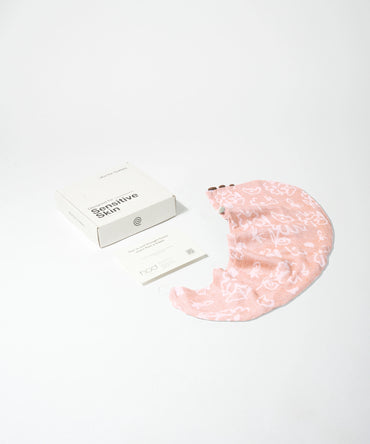
Bamboo Terry Towel Pack of 1
Rs. 499
67% off
Bamboo Terry Towel Pack of 1
Rs. 499








Share this article
Can A Damp Face Towel Keep Irritating Acne-Prone Skin?
If your skincare routine is careful but your skin still feels irritated after drying your face, the towel step may be worth a closer look. A damp face towel can keep reintroducing friction into an acne-aware routine.
Can A Damp Face Towel Keep Irritating Acne-Prone Skin?
You wash your face with a gentle cleanser, pat on your serum, and try not to overdo anything. Then you dry off with the same damp towel hanging by the sink and your skin still feels a little hot, a little tight, or just off. That is the aha moment for a lot of people: the problem may not only be what you put on your face, but what touches it right after cleansing.
For acne-prone skin and sensitive skin, the face-drying step can quietly add back the friction and irritation your routine is trying to avoid. If you have ever thought, “my skin feels irritated after drying my face” or “I never thought my towel could be part of the problem,” you are not overthinking it. The towel step is part of skincare.
The Problem They Didn’t Know They Had
A lot of people think of towels as neutral. Cleanser matters. Moisturizer matters. Active ingredients matter. The towel is just there at the end.
But that is exactly why it gets missed.
When skin is freshly cleansed, it can be more vulnerable to friction. If the towel is rough, repeatedly reused, or still damp from earlier use, that final step can feel harsher than people realize. For someone with active breakouts, a compromised skin barrier, or easily irritated skin, even a small amount of rubbing can be enough to make the face feel more reactive.
This is where the question behind can a damp face towel keep irritating acne-prone skin starts to make sense. The issue is not that a towel causes all acne. It is that a towel can become one more physical stressor in a routine that is supposed to be gentle.
Common signs this step may be working against you:
- Your face feels irritated after using a towel
- Drying your skin feels uncomfortable around active breakouts
- Your jawline, cheeks, or chin feel more reactive after cleansing
- Your routine seems thoughtful, but your skin still feels aggravated
- You keep asking, why does my face feel irritated after using a towel
The American Academy of Dermatology says dermatologists recommend gentle, non-abrasive cleansing and specifically caution that scrubbing with washcloths, sponges, and other tools can irritate acne-prone skin. That guidance matters here because many people are careful during cleansing, then undo some of that gentleness during drying.
Source: How to treat acne - American Academy of Dermatology
The bigger idea is simple: if your skin is already trying to calm down, the towel step should not keep asking it to tolerate more friction.
The Science Behind The Problem
Acne-prone skin is not only affected by ingredients. It can also react to physical stress.
The American Academy of Dermatology notes that acne-friendly skin care and dermatologist-recommended habits are a core part of acne management. That puts routine behavior, including how you cleanse and dry your face, in the same conversation as the rest of your skincare choices.
Source: DIY acne treatment - American Academy of Dermatology
There is also a well-established dermatology concept that helps explain why this matters: acne mechanica.
The PubMed-indexed study Acne mechanica describes how friction, pressure, rubbing, and occlusion can aggravate acneiform eruptions. Another PubMed-indexed report, Inner thigh friction as a cause of acne mechanica, supports the same core principle: mechanical friction can contribute to acne mechanica in friction-prone areas. While these papers are not about face towels specifically, they support the mechanism that repeated rubbing and pressure can aggravate skin.
Sources:
- Acne mechanica - PubMed
- Inner thigh friction as a cause of acne mechanica - PubMed
So if you are wondering can rubbing your face with a towel make acne worse, the research-backed answer is that friction and rubbing can aggravate acneiform eruptions, and dermatologists already advise avoiding abrasive cleansing habits.
That does not mean every damp towel leads to a breakout. It does mean the physical behavior around towel use matters more than most routines acknowledge.
The Mechanisms — How It’s Actively Hurting You
Friction Can Aggravate Already Reactive Skin
Freshly washed skin is often treated like a blank slate, but it is really a transition moment. You have removed oil, sunscreen, makeup, sweat, or cleanser residue, and now the skin has to settle. If drying involves rubbing instead of gentle patting, you are adding mechanical stress at the exact moment your skin may be more reactive.
The American Academy of Dermatology specifically cautions against scrubbing with washcloths, sponges, and other tools because this can irritate acne-prone skin. That guidance applies to the broader idea of abrasive contact, not just the cleansing step itself.
Source: How to treat acne - American Academy of Dermatology
For people asking how to dry your face without irritating acne, this is the first mechanism to understand: even if the towel feels soft enough to your hands, your face may experience it differently.
Repeated Damp Use Can Keep The Surface Feeling Unpleasant
A damp towel is not the same experience as a fresh, dry face towel. Once fabric stays damp between uses, it can feel cooler, heavier, and less comfortable against skin. That may encourage more wiping, more pressing, or more passes over the same areas just to feel dry.
This is one reason damp face towel acne conversations keep coming up in real routines. The issue is often not dramatic. It is cumulative. A little extra rubbing around the nose, chin, jawline, or active breakouts can become a daily pattern.
The research on acne mechanica supports the broader point that friction, pressure, rubbing, and occlusion can aggravate acneiform eruptions.
Source: Acne mechanica - PubMed
Sensitive Skin Often Notices The Towel Step Fast
People with sensitive skin may not describe the problem as acne first. They often say their skin feels tight, irritated, flushed, or “angry” after drying. That is why the question can a damp towel irritate sensitive skin after cleansing matters on its own.
If your cleanser is gentle but your face still stings or feels rubbed raw afterward, the towel may be the missing part of the routine review. The American Academy of Dermatology’s emphasis on non-abrasive skin care supports this: skin-friendly habits are not only about products, but also about how skin is handled.
Source: DIY acne treatment - American Academy of Dermatology
The Towel Step Can Undercut A Gentle Routine
A lot of people build a careful skincare routine, then leave the last step on autopilot. That is where face towel hygiene mistakes and friction habits can sneak in.
A routine can look gentle on paper and still feel rough in practice if:
- You use the same face towel again while it is still damp
- You rub instead of patting
- You use one towel for face and body
- You keep using a towel that feels rough on active breakouts
If any of that sounds familiar, your routine may not need more products. It may need a more intentional drying step.
Customer Language — What Real People Were Dealing With
This topic lands because the frustration is familiar.
People do not usually start by searching for fabric science. They start with a feeling:
- “my skin feels irritated after drying my face”
- “I never thought my towel could be part of the problem”
- “using the same face towel every day made my skin feel gross”
- “my routine was fine except my towel felt rough on active breakouts”
- “I wanted a towel that felt like it belonged in my skincare routine”
That language matters because it captures what a lot of acne-prone and sensitive-skin readers are actually dealing with. The towel does not feel like an obvious skincare variable until it does.
One person may notice jawline irritation. Another may feel that their face stays red after cleansing. Someone else may realize that the same damp towel hanging in the bathroom has become a default habit, not an intentional one.
This is also why educational content around towels and breakouts keeps resonating. If you want to go deeper into the broader routine connection, this related piece explores the same hidden-step idea: The Hidden Connection Between Towels And Acne.
Actionable Habits — What To Actually Do
1. Stop Rubbing And Start Patting
If you are trying to figure out how to dry your face without irritating acne, start here.
Use light patting instead of rubbing. The goal is to remove excess water without dragging fabric across the skin. This lines up with the American Academy of Dermatology’s recommendation to avoid abrasive, scrubbing behavior in acne-prone skin care.
Source: How to treat acne - American Academy of Dermatology
2. Treat Your Face Towel As A Skincare Step
Your face towel should sit in the same mental category as cleanser and moisturizer: part of the routine, not an afterthought.
Helpful shifts:
- Use a towel reserved for your face
- Avoid using the same towel for multiple jobs
- Pay attention to how the fabric feels on active breakouts
- Replace autopilot habits with intentional ones
This is especially useful if you keep wondering, can a damp towel disrupt sensitive skin after cleansing. The answer may be less about one dramatic mistake and more about repeated casual contact.
3. Avoid Reusing A Towel That Is Still Damp
A towel that has not fully dried can keep the whole experience feeling less fresh and more irritating. It may also lead you to wipe more aggressively because the skin does not feel fully dry.
If your current habit is to grab whatever is hanging nearby, this is one of the easiest routine changes to make:
- Reach for a dry face towel
- Rotate towels more intentionally
- Do not assume yesterday’s towel is neutral just because it looks clean
For many people, this is the practical answer behind damp face towel acne concerns.
4. Pay Attention To Breakout-Prone Zones
If you have active breakouts or irritation around the chin, cheeks, or jawline, those areas may need the most care during drying.
Try this:
- Pat gently instead of making repeated passes
- Spend less time on inflamed areas
- Let some water air dry if needed rather than forcing the skin dry
The acne mechanica literature supports being cautious with repeated friction and pressure, especially in areas already under stress.
Source: Acne mechanica - PubMed
5. Audit The Whole Routine, Not Just The Products
If your skin is still reactive, do a quick friction audit.
Ask yourself:
- Am I cleansing gently but drying aggressively?
- Does my towel feel rough on sensitive skin?
- Am I using a damp towel over and over?
- Is my routine careful except for this one step?
The American Academy of Dermatology emphasizes that acne-friendly skin care habits are part of acne management. That mindset helps because it moves the conversation away from chasing one miracle product and toward reducing routine stressors.
Source: DIY acne treatment - American Academy of Dermatology
Why Doctor Towels Was Built For This
Doctor Towels is positioned as a skincare-first towel brand, which is why it belongs in this conversation. Not because a towel is a cure, but because the towel step can either support a gentle routine or work against it.
The brand’s role is simple: make face drying feel like an intentional skincare step.
Based on approved product knowledge, Doctor Towels should be framed as:
- A skincare-first product
- Part of the same conversation as cleansers, serums, and skin-barrier-friendly habits
- Part of a gentle face-drying routine, not a cure
- A way to connect towel use to lower-friction, more skin-aware habits
That framing matters more than hype. If your skin feels irritated after using a towel, the fix is not to expect miracles from fabric. It is to choose a towel step that better matches the rest of your routine.
You can review the brand’s research references here:
Because no fabric composition, certifications, wash instructions, or approved technical claims were provided in the current source file, this article is staying with the approved brand-level positioning only. If you are comparing options, the useful question is not “what towel sounds impressive,” but “what towel makes my face-drying routine gentler, more intentional, and less irritating?”
That is also the right lens for reading broader educational content like Acne-Safe Towels Guide.
The Bottom Line
Yes, a damp face towel can keep irritating acne-prone skin if it leads to more rubbing, repeated friction, or a rougher post-cleansing experience.
The key point is not fear. It is awareness.
Acne-prone skin and sensitive skin often do better when the whole routine gets gentler, including the parts people usually ignore. Dermatology sources support avoiding abrasive habits, and acne mechanica research supports the idea that friction and pressure can aggravate acneiform eruptions.
So if your skincare routine looks right but your skin still feels irritated after drying, the towel step is worth reviewing. Sometimes the missing fix is not another serum. It is treating face drying like skincare.
If acne is persistent, painful, severe, or leaving marks, it is a good idea to seek care from a licensed dermatologist or other qualified medical professional.
For a full foundation on this pillar, read Towels & Acne - The Hidden Connection.
Medical Sources & Further Reading
- American Academy of Dermatology. How to treat acne
- American Academy of Dermatology. DIY acne treatment
- PubMed. Acne mechanica
- PubMed. Inner thigh friction as a cause of acne mechanica
- Doctor Towels. Research Page
- Doctor Towels. Testing Report PDF
Medical Citations
- How to treat acne - American Academy of Dermatology - https://www.aad.org/news/how-to-treat-acne
- DIY acne treatment - American Academy of Dermatology - https://www.aad.org/public/diseases/acne/diy
- Acne mechanica - PubMed - https://pubmed.ncbi.nlm.nih.gov/123732/
- Inner thigh friction as a cause of acne mechanica - PubMed - https://pubmed.ncbi.nlm.nih.gov/30883890/
Prev post

Can A Damp Face Towel Keep Irritating Acne-Prone Skin?
Updated on 14 April 2026
Next post

How Face Towel Friction Can Quietly Worsen Acne-Prone Skin
Updated on 14 April 2026