








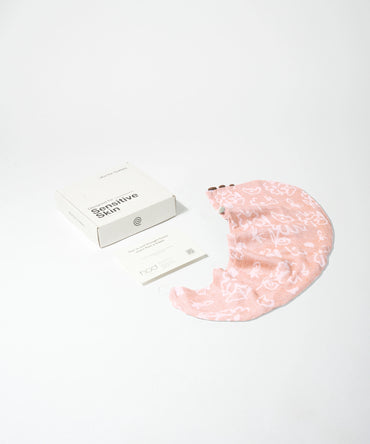


How Face Towel Friction Can Quietly Worsen Acne-Prone Skin
A lot of people focus on cleansers and serums but barely think about the towel step. If your skin feels more irritated after drying your face, friction may be one of the routine details quietly working against you.
How Face Towel Friction Can Quietly Worsen Acne-Prone Skin
You wash your face, use products that are supposed to help, and then dry off without thinking twice. For a lot of people, that last step feels harmless. The aha moment is that the way you dry your face can add rubbing, pressure, and irritation right back onto skin that was already trying to calm down.
If you have acne-prone skin, sensitive skin, or breakouts that seem extra angry around active spots, this is worth paying attention to. The question isn’t just can rubbing your face with a towel make acne worse — it’s whether your face-drying routine is adding friction to skin that already needs less of it, not more.
The good news is that this is one of those small routine shifts that can make your skincare routine feel more skin-aware. Not a cure. Not a miracle. Just a better understanding of what your skin is dealing with.
The Problem They Didn’t Know They Had
Most people don’t think of a towel as a skincare product. It sits in the bathroom, gets used automatically, and rarely gets questioned unless it feels obviously rough.
But acne-prone skin often reacts to patterns that seem minor on their own:
- rubbing instead of patting
- using the same towel over and over
- drying with a body towel that has already touched other areas
- pressing too hard over active breakouts
- treating the towel step like it doesn’t count
That is usually why this issue gets missed. Someone may switch cleansers, try a new serum, or simplify their routine, while the face towel stays exactly the same.
And the complaints tend to sound familiar:
- “my skin feels irritated after drying my face”
- “my routine was fine except my towel felt rough on active breakouts”
- “I never thought my towel could be part of the problem”
Those reactions make sense. Acne-prone skin is often already inflamed, sensitive, or easy to aggravate. Adding friction at the end of cleansing can undercut the gentler routine you’re trying to build.
The American Academy of Dermatology says dermatologists recommend gentle, non-abrasive cleansing and specifically caution that scrubbing with washcloths, sponges, and other tools can irritate acne-prone skin. That guidance matters because many people are not technically “scrubbing” in their minds when they dry their face — but they are still rubbing, dragging, and creating mechanical stress on the skin surface. Source: How to treat acne - American Academy of Dermatology.
So if you’ve been wondering are rough towels bad for acne or can a washcloth make acne worse, the more useful way to frame it is this: acne-prone skin generally does better with less abrasion, less rubbing, and a more intentional face-drying routine.
The Science Behind The Problem
There is a reason friction keeps coming up in acne conversations.
A PubMed-indexed paper on acne mechanica describes how friction, pressure, rubbing, and occlusion can aggravate acneiform eruptions. That means skin can respond not just to oil, hormones, or product irritation, but also to repeated mechanical stress. Source: Acne mechanica - PubMed.
A second PubMed source, Inner thigh friction as a cause of acne mechanica, reinforces the same principle: mechanical friction can contribute to acne mechanica in friction-prone areas. While that paper focuses on a different body area, the takeaway is still relevant to facial care habits because the mechanism is the same. Source: Inner thigh friction as a cause of acne mechanica - PubMed.
The American Academy of Dermatology also emphasizes that acne-friendly skin care and dermatologist-recommended habits are a core part of acne management. Source: DIY acne treatment - American Academy of Dermatology.
Put together, the pattern is clear:
- acne-prone skin benefits from gentle care
- rubbing and abrasion can irritate skin
- friction can aggravate acneiform eruptions
- everyday routine habits matter more than people think
This is why the question is patting your face dry better than rubbing matters. It is not just about comfort. It is about reducing one avoidable source of irritation in a routine that should be helping your skin stay calmer.
For more context on how towels fit into acne-aware routines, Doctor Towels also maintains a brand research hub here: Doctor Towels Research Page.
The Mechanisms — How It’s Actively Hurting You
Friction Can Add Mechanical Irritation
When you rub your face with a towel, the skin is exposed to repeated drag and pressure. On skin that already has active breakouts, tenderness, or a compromised skin barrier, that can feel like a lot.
The American Academy of Dermatology’s guidance against scrubbing with washcloths and similar tools points to the same basic issue: acne-prone skin is easier to irritate when you add abrasive contact. Even if your towel doesn’t feel harsh at first touch, the motion matters.
That is the core of the question can rubbing your face with a towel make acne worse. It may not create acne on its own in every case, but it can add irritation to already reactive skin.
Friction Is Linked To Acne Mechanica
The PubMed literature on acne mechanica matters here because it gives a name to what many people experience but don’t connect to routine habits. The approved takeaway from Acne mechanica is straightforward: friction, pressure, rubbing, and occlusion can aggravate acneiform eruptions.
That means if you’re wondering can towel friction cause acne mechanica or searching for towel friction acne mechanica, the mechanism is medically recognized. Repeated mechanical stress can be part of the problem.
This doesn’t mean every breakout is caused by a towel. It means your towel can be one of several aggravating factors if your skin is already acne-prone.
Rough Drying Can Undercut A Gentle Routine
A lot of people work hard to buy a mild cleanser, avoid over-exfoliating, and keep actives balanced. Then they rub dry with whatever towel is nearby.
That mismatch is common:
- gentle cleanser
- careful serums
- skin-barrier-friendly moisturizer
- aggressive drying at the very end
If your goal is a gentle routine, the towel step has to match the rest of the routine. Otherwise, the skin gets mixed signals.
Repeated Towel Habits Can Become A Daily Trigger
One rough drying session may not seem like much. But a face-drying routine happens every day, often twice a day.
That repetition is what makes it important. Small amounts of rubbing, pressure, or roughness can become a consistent source of irritation over time.
This is also why questions like can drying your face with a body towel make acne worse and face towel hygiene mistakes keep coming up. People often notice that their skin feels “gross,” irritated, or more reactive without realizing the towel step is one of the only things happening that consistently.
Doctor Towels also references product testing here: Testing Report PDF. Where product-specific claims are considered, they should be viewed as part of a broader gentle skincare routine rather than a medical treatment.
Customer Language — What Real People Were Dealing With
The most useful thing about this topic is how often people describe it before they understand it.
Some of the clearest customer-language examples in the source library are:
- “my face towel was giving me jawline acne”
- “my skin feels irritated after drying my face”
- “I never thought my towel could be part of the problem”
- “using the same face towel every day made my skin feel gross”
- “my routine was fine except my towel felt rough on active breakouts”
- “I wanted a towel that felt like it belonged in my skincare routine”
What stands out is that these are not dramatic claims. They are routine observations.
People usually notice one of a few things first:
- their skin stings or feels warm after drying
- active breakouts feel more tender after towel contact
- jawline or cheek areas seem worse where rubbing happens most
- their routine seems thoughtful except for the towel step
- their towel feels like a bathroom item, not a skincare item
That last point matters more than it seems. If someone is building an acne-aware or sensitive-skin routine, they usually want every step to support comfort. A rough or thoughtless towel step can feel out of place fast.
If this sounds familiar, you’re not overthinking it. You’re noticing friction, irritation, and routine mismatch.
Actionable Habits — What To Actually Do
1. Pat, Don’t Rub
If you’re asking how to dry your face without irritating acne or is patting your face dry better than rubbing, this is the simplest place to start.
Patting reduces drag across the skin. Rubbing increases it.
Try this:
- press the towel gently onto the skin
- lift and repeat instead of dragging across the face
- go slower around inflamed or active areas
- stop before the skin feels over-handled
This lines up with the American Academy of Dermatology’s emphasis on gentle, non-abrasive care.
2. Treat Your Face Towel As Part Of Your Skincare Routine
Your face towel should not be an afterthought if your skin is reactive.
That means being more intentional about:
- what fabric touches your face
- how often the towel is changed
- whether it is used only for your face
- whether it feels gentle enough for active breakouts
If the towel step feels rough, random, or borrowed from the rest of the bathroom, it may not fit the routine you’re trying to build.
3. Avoid Using A General Body Towel On Your Face
A common question is can drying your face with a body towel make acne worse. The safest educational answer is that a body towel is often not the most skin-aware option for acne-prone or sensitive facial skin.
The issue is less about making a hard medical claim and more about routine logic:
- body towels are usually used more broadly
- they may feel rougher on facial skin
- they are not always treated as a dedicated face step
For acne-prone skin, using a dedicated face towel is a more intentional habit.
4. Be Extra Gentle Around Active Breakouts
Inflamed spots do not need pressure.
If your towel catches, drags, or feels rough over breakouts, adjust the technique:
- lightly blot instead of wiping
- avoid going back over the same area repeatedly
- let a little moisture remain rather than over-drying
- keep the routine calm and brief
This is especially relevant if you’ve ever thought, “my routine was fine except my towel felt rough on active breakouts.”
5. Pay Attention To Pattern, Not Just Product
If your skin keeps feeling irritated after drying your face, don’t just review your cleanser or serum. Review the pattern.
Ask yourself:
- do I rub without noticing?
- does my towel feel rough when my skin is flaring?
- am I using the same towel too long?
- does my face feel more irritated right after drying?
These questions often reveal more than a new product swap would.
6. Keep Persistent Or Severe Acne In A Medical Conversation
Routine habits matter, but they are not the whole story.
If you have persistent, painful, cystic, or worsening acne, or if your skin is becoming increasingly inflamed despite gentle care, it is a good time to see a board-certified dermatologist or other qualified medical professional. The American Academy of Dermatology makes clear that dermatologist-recommended habits are part of acne management, and professional care matters for more severe concerns.
For a related read on the towel step people often miss, see The Hidden Connection Between Towels And Acne.
Why Doctor Towels Was Built For This
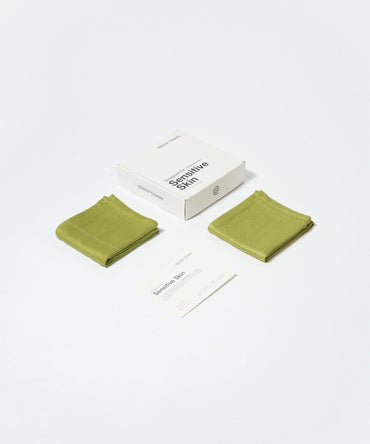
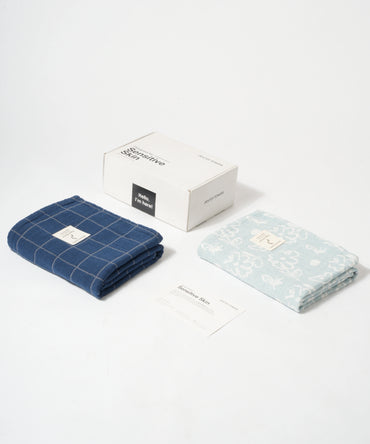
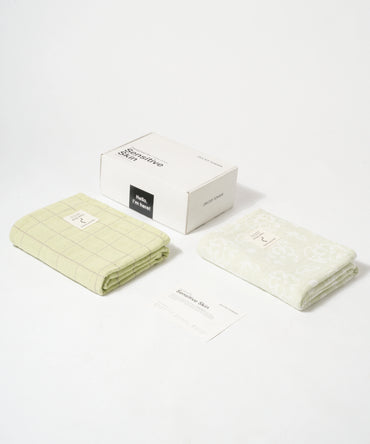
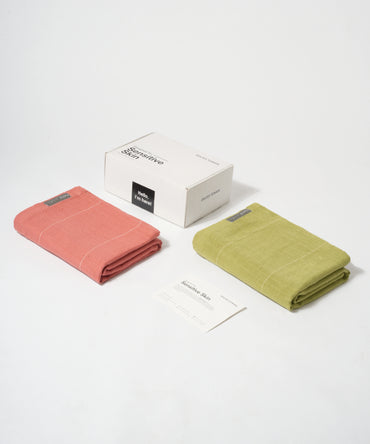
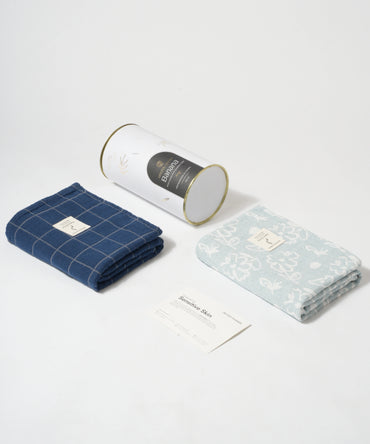
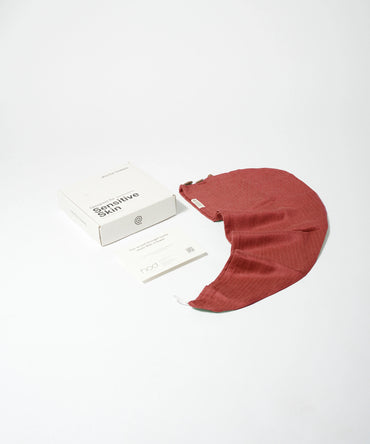
Doctor Towels is positioned as a skincare-first towel brand, which is the right frame for this conversation. Not generic bath towels. Not a cure. A towel designed to belong in the same routine mindset as cleansers, serums, and skin-barrier-friendly habits.
That matters because the towel step is usually treated like it doesn’t count, when in reality it is one of the last things touching freshly cleansed skin.
Within that skincare-first framing, Doctor Towels can be described as:
- part of a gentle face-drying routine
- intended for acne-prone and sensitive-skin shoppers
- built around lower-friction, more skin-aware habits
- a product that treats face drying as an intentional skincare step
The brand also references several proprietary product points, including:
- SkinShield Technology™
- Dual-Side Design (Patented)
- Skin-Safe Fibers
- 160-Wash Efficacy
- Clinical Validation
Those details are part of the product story on Doctor Towels’ own research and testing materials:
Because the approved source set for this draft does not include validated evidence for additional proprietary claims such as IADVL 2023, Apollo Hospitals 2024 RCT, 890M CFUs after 7 days unwashed, or specific performance outcomes, those should not be presented here as established facts.
What can be said responsibly is simpler and more useful: if your skin is acne-prone or sensitive, a dedicated face towel that fits a gentler routine makes more sense than treating face drying like a random bathroom step.
If you want a broader overview of what makes a towel more acne-aware, this guide may help: Acne-Safe Towels Guide.
The Bottom Line
A lot of people ask whether towels are really that important. The better question is whether repeated friction belongs in a routine meant to calm acne-prone skin.
The current source-backed answer is that gentle, non-abrasive care matters, and friction, pressure, and rubbing can aggravate acneiform eruptions. That does not mean your towel is the only reason for breakouts. It does mean your face-drying routine deserves more attention than it usually gets.
If your skin feels irritated after drying, if rough fabric bothers active breakouts, or if you’ve been doing everything “right” except using whatever towel is available, that is worth noticing.
Sometimes the perspective shift is this simple: your towel is not just a towel. For acne-prone skin, it is part of the routine.
Medical Sources & Further Reading
Medical Sources
-
How to treat acne - American Academy of Dermatology
https://www.aad.org/news/how-to-treat-acne -
DIY acne treatment - American Academy of Dermatology
https://www.aad.org/public/diseases/acne/diy -
Acne mechanica - PubMed
https://pubmed.ncbi.nlm.nih.gov/123732/ -
Inner thigh friction as a cause of acne mechanica - PubMed
https://pubmed.ncbi.nlm.nih.gov/30883890/
Further Reading
- Doctor Towels Research Page
- Doctor Towels Testing Report PDF
- The Hidden Connection Between Towels And Acne
- Towel Bacteria On Your Face: The Hygiene Step That Can Undercut Your Routine
Medical Citations
- How to treat acne - American Academy of Dermatology - https://www.aad.org/news/how-to-treat-acne
- DIY acne treatment - American Academy of Dermatology - https://www.aad.org/public/diseases/acne/diy
- Acne mechanica - PubMed - https://pubmed.ncbi.nlm.nih.gov/123732/
- Inner thigh friction as a cause of acne mechanica - PubMed - https://pubmed.ncbi.nlm.nih.gov/30883890/
Prev post

Can A Damp Face Towel Keep Irritating Acne-Prone Skin?
Updated on 14 April 2026
Next post

Why Your Face Towel Is Breaking You Out
Updated on 14 April 2026