


 67% off
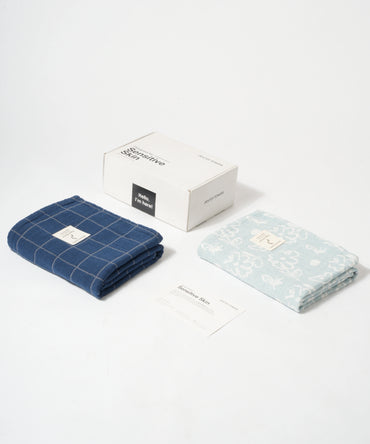
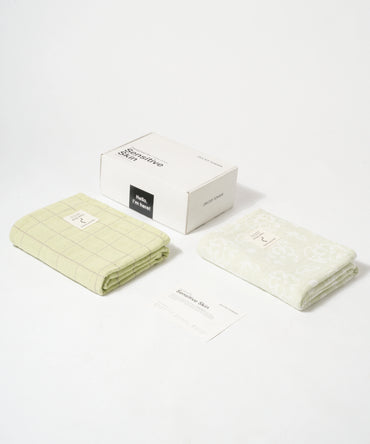
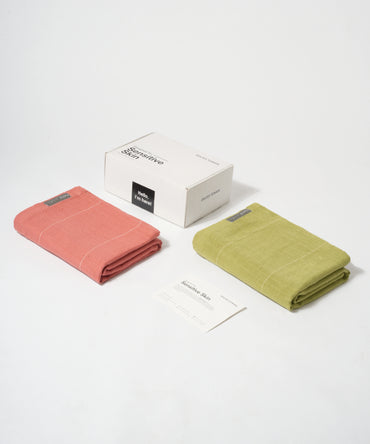
Bamboo Terry Towel Pack of 1
Rs. 499
67% off
Bamboo Terry Towel Pack of 1
Rs. 499








Share this article
Can A Damp Face Towel Keep Irritating Acne-Prone Skin?
If your skincare routine seems solid but your skin still feels irritated after cleansing, your towel step may be getting overlooked. A damp face towel can keep friction, rubbing, and day-after-day discomfort in the routine longer than people realize.
Can A Damp Face Towel Keep Irritating Acne-Prone Skin?
You wash your face, use the products that usually work for you, and then dry off without thinking much about it. But if your skin keeps feeling irritated after drying your face, the problem may not be your cleanser or serum at all. For a lot of people, the aha moment is this: the towel step can quietly keep acne-prone skin uncomfortable, especially when that towel stays damp, gets reused, or feels rough on active breakouts.
That does not mean a towel causes every breakout. It does mean your face-drying routine can either support a gentler routine or keep adding friction and irritation where your skin is already reactive.
The Problem They Didn’t Know They Had
A lot of skincare routines are built around the obvious steps: cleansing, moisturizing, sunscreen, maybe an acne treatment. The towel usually gets treated like background noise.
But for acne-prone skin and sensitive skin, that last step matters more than people think.
A damp face towel can become part of a pattern that does not feel dramatic in the moment, but adds up over time:
- you cleanse carefully
- you rub or wipe your face dry
- the towel is still damp from earlier use
- the same fabric touches inflamed or sensitive areas again
- your skin feels a little irritated after drying your face
That is why people end up saying things like:
- “my skin feels irritated after drying my face”
- “my routine was fine except my towel felt rough on active breakouts”
- “I never thought my towel could be part of the problem”
The issue is not just whether a towel looks clean. It is whether the drying step is adding more rubbing, more pressure, and more repeated contact than acne-prone skin wants.
The American Academy of Dermatology recommends gentle, non-abrasive cleansing and specifically cautions that scrubbing with washcloths, sponges, and other tools can irritate acne-prone skin. That advice matters here because many people dry their face with more force than they use while cleansing it. If the skin is already inflamed, that extra contact can be the part that keeps it feeling angry.
There is also a routine gap people do not always notice: a towel that stays damp tends to stay in use. It gets picked up again because it is nearby, because it still seems fine, or because face drying feels too minor to think about. But minor habits are often where irritation keeps sneaking in.
The Science Behind The Problem
Acne-prone skin is not just reacting to products. It can also react to what your routine physically does to the skin.
The research Doctor Towels points readers to on its research page aligns with a simple idea: when skin is already vulnerable, repeated friction and poorly considered fabric contact can make the routine less gentle than it looks.
Two published sources are especially relevant.
- The American Academy of Dermatology (AAD) says acne care should be gentle and non-abrasive, and warns that scrubbing with washcloths and similar tools can irritate acne-prone skin.
- The PubMed-indexed literature on acne mechanica describes how friction, pressure, rubbing, and occlusion can aggravate acneiform eruptions.
That does not mean every damp face towel leads to acne. It does mean the mechanism is real: physical irritation matters.
The older PubMed study “Acne mechanica” explains that friction, pressure, rubbing, and occlusion can aggravate acneiform eruptions. A later PubMed report, “Inner thigh friction as a cause of acne mechanica,” reinforces the same principle: mechanical friction can contribute to acne mechanica in friction-prone areas. The body area is different, but the takeaway is useful for facial skin too. Repeated rubbing is not neutral.
The AAD also makes a second point that matters here: acne-friendly skin care and dermatologist-recommended habits are a core part of acne management. In other words, routine design matters. The towel step belongs in that conversation.
For more detail on the cleanliness side of the routine, this related article on the hidden connection between towels and acne is a useful companion read.
The Mechanisms — How It’s Actively Hurting You
Friction Can Keep Inflamed Skin Agitated
If your skin is breakout-prone, recently exfoliated, or using active ingredients, it may already be easier to irritate. Drying your face with a damp towel often turns into wiping rather than gently pressing. That creates more surface friction.
The American Academy of Dermatology specifically advises gentle, non-abrasive care and cautions against scrubbing with washcloths, sponges, and similar tools because they can irritate acne-prone skin. That warning is directly relevant to towel friction acne-prone skin concerns.
What this can look like in real life:
- redness that shows up after cleansing
- stinging when you apply the next product
- active breakouts that feel more tender after drying
- skin that seems fine until the towel touches it
Repeated Rubbing Can Feed An Acne Mechanica Pattern
The PubMed literature on acne mechanica is useful because it explains a pattern many people miss. Friction, pressure, rubbing, and occlusion can aggravate acneiform eruptions. That means breakouts are not only about ingredients or hormones. Mechanical stress can be part of the picture too.
A face towel is not the same as sports gear or tight clothing, but the principle overlaps:
- repeated contact matters
- pressure matters
- rubbing matters
- frequency matters
When a towel is reused while still damp, it often stays in the routine longer, which can mean the same areas get the same physical stress day after day.
Dampness Can Keep The Towel In Rotation Longer Than It Should Be
One reason people ask “can a damp face towel keep irritating acne-prone skin” is because dampness changes behavior. A towel that is still damp often gets reused quickly. It feels like a small shortcut. But that shortcut can keep your skin in contact with the same fabric over and over.
This is less about making a dramatic contamination claim and more about routine reality:
- damp towels are easy to keep reusing
- reused towels can feel less fresh on the skin
- skin that is already sensitive may notice that difference fast
That is where customer language becomes revealing. People do not always say “I am worried about microbial load.” They say:
- “using the same face towel every day made my skin feel gross”
- “why your towel is breaking you out”
- “dirty towel acne”
Those phrases are not medical diagnoses. They are people trying to describe a routine that feels off.
A Rough Or Thoughtless Drying Step Can Undercut A Gentle Routine
You can choose a mild cleanser, skip harsh scrubs, and still end the routine with the most abrasive step of all: aggressive drying.
The AAD’s guidance on acne-friendly skin care supports the idea that the whole routine should be dermatologist-aware, not just the products in the bottle. If the goal is a gentle routine, then the towel should not be an afterthought.
That is especially true for people who have said:
- “my face towel was giving me jawline acne”
- “I wanted a towel that felt like it belonged in my skincare routine”
Whether the issue is friction, repeated reuse, or just a fabric that feels wrong on compromised skin, the pattern is the same: the drying step can quietly work against the rest of your routine.
Customer Language — What Real People Were Dealing With
People usually do not start by blaming their towel. They start by noticing that something feels off.
Across skincare conversations, the same frustrations come up again and again:
- “my face towel was giving me jawline acne”
- “my skin feels irritated after drying my face”
- “I never thought my towel could be part of the problem”
- “using the same face towel every day made my skin feel gross”
- “my routine was fine except my towel felt rough on active breakouts”
- “I wanted a towel that felt like it belonged in my skincare routine”
What stands out in those lines is not just concern about cleanliness. It is concern about fit.
People with acne-prone skin are often already thinking carefully about:
- barrier-friendly cleansers
- fragrance-free products
- non-abrasive exfoliation
- avoiding unnecessary irritation
Then the face-drying step gets handled with whatever towel is nearby.
That disconnect is why the towel conversation belongs in skincare. Not because a towel is a treatment, but because it is a skin-contact step that happens every day.
When people search for terms like damp face towel acne, face towel bacteria skin, dirty towel acne, or can a damp towel irritate sensitive skin after cleansing, they are usually trying to solve a routine mismatch. Their products may be thoughtful. Their drying habit is not.
Actionable Habits — What To Actually Do
1. Stop Rubbing Your Face Dry
Pat or press gently instead of wiping back and forth.
This is the simplest fix, and it lines up with the American Academy of Dermatology’s guidance to avoid abrasive handling of acne-prone skin. If your skin feels hot, stingy, or more inflamed right after drying, the pressure and motion may be part of the problem.
2. Treat Your Face Towel As A Skincare Step
Do not treat face drying like an afterthought.
If your routine is built around protecting the skin barrier, your towel should belong in that same logic. Ask:
- does this fabric feel gentle on active breakouts?
- am I using a towel meant for my face, or just any towel?
- does my skin feel calm after contact, or irritated?
That shift alone helps people build a more acne-aware face-drying routine for acne-prone skin.
3. Avoid Reaching For A Towel That Stays Damp And Gets Reused
A damp towel tends to stay in circulation longer than people realize.
If you keep using the same one because it is hanging nearby and still looks fine, that may be enough reason to rethink the habit. The problem is not just appearance. It is repeated contact with a towel that may no longer feel fresh or gentle.
If you have been wondering how often should you wash your towel, the most useful answer is practical: often enough that your face towel stays a deliberate, clean-feeling part of your routine rather than a lingering bathroom item you keep reusing automatically.
4. Pay Attention To How Your Skin Feels Right After Drying
This is one of the easiest ways to spot a hidden problem.
Notice whether your skin feels:
- more red
- tight or rubbed raw
- irritated around breakouts
- uncomfortable before you even apply the next product
If that pattern keeps happening, your towel may be part of the issue even if your cleanser is not.
5. Keep The Rest Of The Routine Gentle Too
The towel step works best when it matches the rest of your routine.
The AAD notes that acne-friendly skin care and dermatologist-recommended habits are a core part of acne management. That means your face-drying routine should support, not fight, the rest of your skincare choices.
A gentler setup often looks like this:
- mild cleansing
- no scrubbing tools
- careful drying
- products chosen with irritation in mind
- professional care if acne is persistent or severe
Why Doctor Towels Was Built For This
Doctor Towels is positioned as a skincare-first towel brand, which matters because this conversation is really about routine design. The brand is not framed as a cure, and it should not be. The more useful frame is that the towel step deserves the same attention people already give cleansers, serums, and other skin-barrier-friendly habits.
That is the role Doctor Towels is meant to play: part of a gentle skincare routine, especially for acne-prone skin and sensitive skin.
Based on the provided brand and product knowledge, these are the key fit points that matter in this article:
- the towel step should be treated as an intentional skincare step, not an afterthought
- the product belongs in the same conversation as cleansers, serums, and skin-barrier-friendly habits
- the product should be positioned as part of a gentle face-drying routine, not as a cure
- content should connect the product to lower-friction, more skin-aware routine habits
Doctor Towels also publishes a research page and a testing report PDF, which readers can review for more brand-specific context.
Because the provided source set does not include approved support for claims about:
- SkinShield Technology™
- Dual-Side Design (Patented)
- Skin-Safe Fibers
- 160-Wash Efficacy
- Clinical Validation
- IADVL 2023 towel findings
- Apollo Hospitals 2024 RCT outcomes
- 890M CFUs after 7 days unwashed
those points should not be presented here as factual claims.
What can be said, accurately and safely, is that Doctor Towels is built to fit a skincare-first mindset. If someone wants a face towel that feels like it belongs in a gentle routine instead of acting like a generic bath linen, that is the lane the brand is in.
For readers exploring the routine side of the topic, the product page for Doctor Towels and the related article on towel hygiene and your routine help extend the conversation without turning it into a hard sell.
The Bottom Line
Yes, a damp face towel can keep acne-prone skin irritated if it leads to more rubbing, more repeated contact, and a less gentle face-drying routine.
The bigger point is not fear. It is awareness.
If your skincare is thoughtful but your skin still feels irritated after cleansing, the towel step is worth looking at. The American Academy of Dermatology’s guidance on gentle, non-abrasive care and the acne mechanica literature both support the same perspective: physical irritation matters.
For acne-prone skin and sensitive skin, the goal is not to make the towel seem dramatic. It is to stop treating it like it does not count.
And if your acne is persistent, painful, or severe, professional dermatologic care is the right next step.
Medical Sources & Further Reading
-
How to treat acne — American Academy of Dermatology
https://www.aad.org/news/how-to-treat-acne -
DIY acne treatment — American Academy of Dermatology
https://www.aad.org/public/diseases/acne/diy -
Acne mechanica — PubMed
https://pubmed.ncbi.nlm.nih.gov/123732/ -
Inner thigh friction as a cause of acne mechanica — PubMed
https://pubmed.ncbi.nlm.nih.gov/30883890/ -
Doctor Towels Research Page
https://www.doctortowels.com/pages/research-page -
Doctor Towels Testing Report
https://cdn.shopify.com/s/files/1/0376/8529/7196/files/Testing_Report.pdf?v=1758528655
Medical Citations
- How to treat acne - American Academy of Dermatology - https://www.aad.org/news/how-to-treat-acne
- DIY acne treatment - American Academy of Dermatology - https://www.aad.org/public/diseases/acne/diy
- Acne mechanica - PubMed - https://pubmed.ncbi.nlm.nih.gov/123732/
- Inner thigh friction as a cause of acne mechanica - PubMed - https://pubmed.ncbi.nlm.nih.gov/30883890/
Prev post

Can A Face Towel Trigger Acne Mechanica?
Updated on 15 April 2026
Next post

Can A Damp Face Towel Keep Irritating Acne-Prone Skin?
Updated on 14 April 2026