





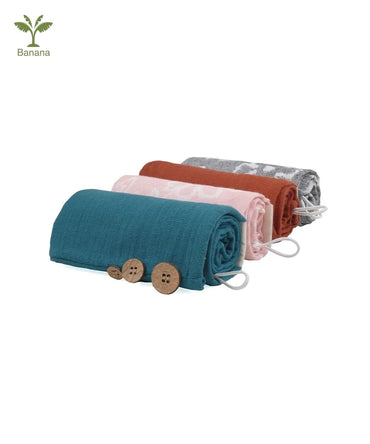
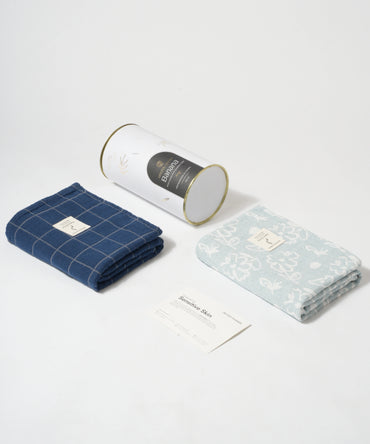

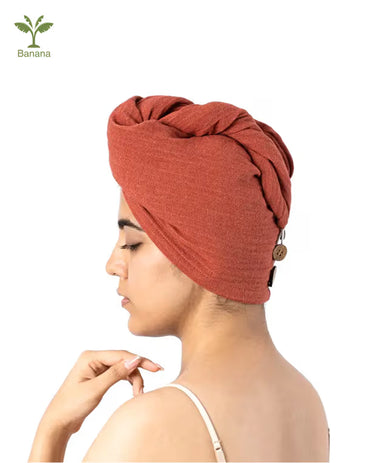
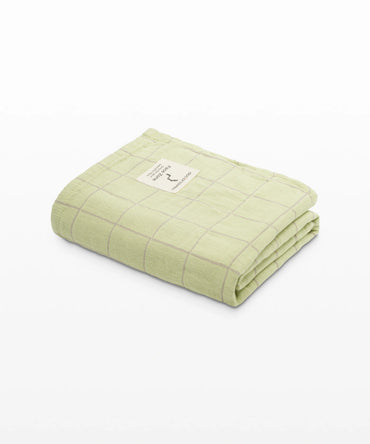


How Daily Micro-Interactions Prevent Your Face Towel From Becoming a Sensitive Skin Trigger
Many of us meticulously choose cleansers, serums, and moisturizers for sensitive or acne-prone skin, yet overlook a surprisingly influential element in our daily routine: the face towel. It turns out, how you interact with your towel, and the towel itself, can significantly impact your skin's comfort and clarity.
The Problem They Didn’t Know They Had
You’re diligent with your skincare routine. You choose gentle cleansers, carefully selected serums, and non-comedogenic moisturizers, all aimed at soothing sensitive skin or managing acne. Yet, despite your best efforts, you sometimes notice lingering irritation, unexpected breakouts along the jawline, or a general feeling that your skin just isn’t as calm as it should be. It’s a common frustration, often leading people to re-evaluate their expensive products or diet. But what if one of the most basic, often-overlooked steps in your routine was part of the problem?
Many people have shared experiences like, “my skin feels irritated after drying my face” or “I never thought my towel could be part of the problem.” This ‘aha’ moment often comes when they realize their face towel, a seemingly innocuous item, could be a daily source of discomfort or a trigger for sensitive skin and acne-prone conditions. The cumulative effect of these daily micro-interactions, from the fabric itself to how you use it, can contribute to ongoing skin challenges.
The Science Behind The Problem
Our skin, especially the delicate facial skin, is a complex barrier designed to protect us from the outside world. For those with sensitive or acne-prone skin, this barrier can be more vulnerable to external stressors. Every touch, every product, and even every interaction with a towel can influence its integrity and health. When it comes to face-drying, the choice of fabric and the technique used are not just minor details; they are integral parts of a gentle skincare routine.
Leading dermatological guidance emphasizes the importance of gentle, non-abrasive cleansing for maintaining skin health. The American Academy of Dermatology (AAD) specifically cautions against scrubbing with washcloths, sponges, and other tools, as these can irritate acne-prone skin. This advice extends beyond just cleansing to the drying process itself, highlighting how friction and abrasive materials can undermine even the most carefully selected skincare products. The goal is to support the skin barrier, not to challenge it with unnecessary stress or microbial exposure.
The Mechanisms — How It’s Actively Hurting You
Understanding how a seemingly simple face towel can become a sensitive skin trigger involves looking at specific mechanisms that impact the skin barrier and introduce potential irritants. These daily micro-interactions can, over time, contribute to inflammation, breakouts, and general discomfort.
Friction and the Skin Barrier
One of the primary ways a towel can harm sensitive skin is through friction. When a rough towel is rubbed vigorously across the face, it can physically disrupt the skin’s delicate outer layer, known as the skin barrier. This barrier is crucial for retaining moisture and protecting against environmental aggressors. Damage to the skin barrier can lead to increased sensitivity, dryness, redness, and make the skin more susceptible to irritation. Research published in PubMed points to friction, pressure, and rubbing as factors that can aggravate acneiform eruptions, a condition sometimes referred to as ‘acne mechanica.’ This type of acne is caused or worsened by mechanical friction, not just hormonal or bacterial factors, reinforcing the need for a low-friction face-drying routine.
Microbial Transfer and Contamination
Towels, especially those used repeatedly without washing, can become breeding grounds for microorganisms. Our skin naturally harbors bacteria, and when a towel is used, these microbes, along with dead skin cells and residual product, transfer onto the fabric. In a humid bathroom environment, these microbes can multiply rapidly. Research from IADVL 2023, a leading dermatological conference, found that 74% of acne patients showed the presence of C. acnes bacteria on their towels. This highlights how a dirty face towel can reintroduce bacteria to freshly cleansed skin, potentially contributing to new breakouts or exacerbating existing ones. In fact, studies have shown that a standard towel can harbor as many as 890 million colony-forming units (CFUs) after just seven days of use without washing, underscoring the significant potential for microbial transfer.
Irritation and Inflammation
For individuals with acne-prone or sensitive skin, any form of physical irritation can trigger an inflammatory response. This inflammation can manifest as redness, swelling, and can worsen existing acne lesions. The American Academy of Dermatology advises against using abrasive tools like washcloths on acne-prone skin because of this potential for irritation. A rough towel, even if clean, can act as an abrasive tool, causing micro-traumas to the skin that lead to inflammation. This can be particularly problematic for skin that is already compromised or actively breaking out, making the simple act of face-drying an uncomfortable and counterproductive step in a skincare routine.
Customer Language — What Real People Were Dealing With
Many individuals experiencing persistent skin issues have started to connect the dots between their face towels and their skin’s health. Their experiences often echo a common theme: the overlooked towel was a missing piece in their skincare puzzle. We’ve heard people say, “my face towel was giving me jawline acne,” a clear indicator of how direct contact with an unsuitable towel can lead to localized breakouts.
Others have shared, “my routine was fine except my towel felt rough on active breakouts,” highlighting the immediate discomfort and potential for exacerbation that a harsh fabric can cause on already inflamed skin. This sentiment of roughness and irritation is a frequent complaint, leading to a desire for a different experience. The realization often comes with a bit of frustration: “using the same face towel every day made my skin feel gross,” reflecting the growing awareness of microbial concerns and the need for better hygiene.
Ultimately, these experiences lead to a proactive search for solutions. As one person put it, “I wanted a towel that felt like it belonged in my skincare routine.” This reflects a deeper understanding that every element touching the skin, including the towel, should align with a gentle, intentional, and skin-first approach.
Actionable Habits — What To Actually Do
Integrating a skincare-first approach to your face-drying routine doesn’t require a complete overhaul, but rather a series of intentional micro-interactions. By adopting these habits, you can significantly reduce the potential for irritation and support a healthier skin barrier.
1. Choose a Gentle, Skin-Safe Fabric
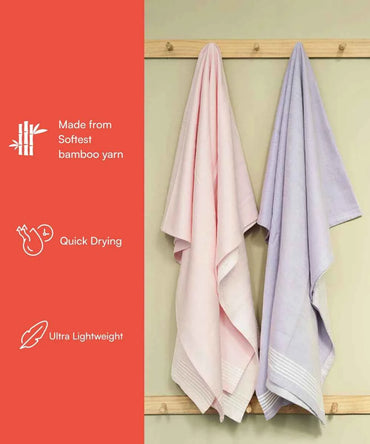
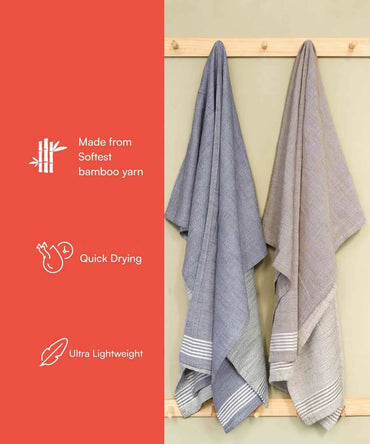
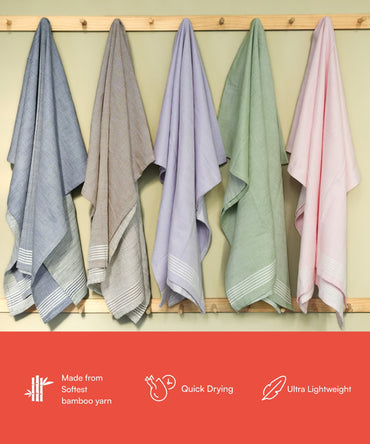
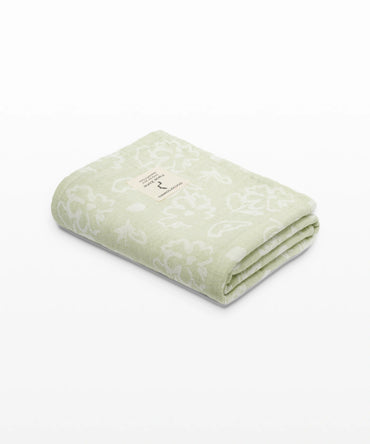
The material of your face towel is paramount. Opt for towels made from ultra-soft, smooth fibers that are designed to minimize friction. Traditional rough cotton towels can be too abrasive for sensitive or acne-prone skin. Look for fabrics that feel gentle to the touch, as these will cause less mechanical stress on your skin barrier during drying. This intentional choice sets the foundation for a lower-friction face-drying routine.
2. Pat, Don’t Rub Your Skin Dry
The way you use your towel is just as important as the towel itself. Instead of vigorously rubbing your face, gently pat your skin dry. This technique minimizes friction, which is crucial for preventing irritation and avoiding damage to the skin barrier. Patting allows the towel to absorb excess moisture without dragging or pulling at the skin, making it a truly gentle routine step. This is especially vital for preventing conditions like acne mechanica.
3. Use a Fresh Face Towel Regularly
Regularly swapping out your face towel is a simple yet effective hygiene practice. As mentioned, towels can quickly accumulate bacteria, dead skin cells, and residual product. Using a fresh towel daily, or at least every other day, drastically reduces the potential for microbial transfer back onto your freshly cleansed skin. This helps maintain cleanliness and prevents the reintroduction of bacteria that could contribute to breakouts.
4. Dedicate a Towel Specifically for Your Face
Avoid using the same towel for your body and your face. Body towels often come into contact with a wider range of bacteria and can be rougher in texture. By dedicating a separate, softer towel solely for your face, you ensure that only the gentlest, cleanest fabric touches your delicate facial skin. This simple separation is a key component of an acne-aware and sensitive-skin friendly routine.
5. Prioritize Proper Washing and Storage
Even the best face towel needs proper care to maintain its skin-friendly properties. Wash your face towels frequently with a mild, fragrance-free detergent, and ensure they are thoroughly dried to prevent mildew and bacterial growth. Store them in a clean, dry place, away from humidity and potential contaminants. For more detailed guidance on maintaining optimal hygiene for your towels and bathroom, you might explore resources on proper towel hygiene and bathroom health.
Why Doctor Towels Was Built For This
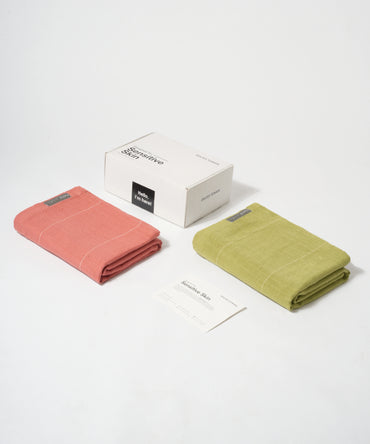
Doctor Towels was created from the understanding that the face towel is not just an afterthought in a skincare routine, but an intentional step that can profoundly impact skin health. We recognized the frustration of individuals with acne-prone and sensitive skin who were meticulously caring for their skin with products, only to find their towel undermining their efforts. Our goal was to design a skincare-first towel that truly belongs in the same conversation as cleansers, serums, and skin-barrier-friendly habits.
Our approach integrates advanced textile science with dermatological insights to address the core issues of friction, microbial transfer, and irritation. At the heart of our design is SkinShield Technology™, which is engineered to inhibit the growth of common skin microbes on the towel itself. This directly tackles the problem of bacterial accumulation, as evidenced by the IADVL 2023 finding that 74% of acne patients have C. acnes on their towels, and the alarming statistic of 890 million CFUs on an unwashed towel after seven days. SkinShield Technology™ helps maintain a cleaner surface, supporting an acne-aware routine.
The Dual-Side Design (Patented) offers a thoughtful solution for varying skin needs, providing different textures that remain gentle. This innovation ensures a lower-friction experience, reducing the mechanical stress that can aggravate sensitive skin and contribute to acne mechanica. Furthermore, our Skin-Safe Fibers are specifically selected for their exceptional softness and smoothness, ensuring that every pat delivers comfort without causing irritation or disrupting the skin barrier.
Doctor Towels is designed for 160-Wash Efficacy, meaning its skin-friendly properties are durable and long-lasting, providing consistent support for your gentle face-drying routine. The efficacy of our approach is supported by Clinical Validation. A 2024 Randomized Controlled Trial conducted by Apollo Hospitals, involving 112 patients, demonstrated an average 21% reduction in inflammatory acne lesions in just 14 days when Doctor Towels were incorporated into the routine. This underscores our commitment to providing a product that genuinely contributes to better skin outcomes.
We believe that a towel should not just dry your face, but actively support your skin’s health. Doctor Towels is positioned as part of a gentle face-drying routine, not a cure, but a vital component for those seeking lower-friction, more skin-aware habits. You can explore our comprehensive research and testing reports at Doctor Towels Research and review the detailed efficacy data in our Testing Report PDF.
The Bottom Line
The journey to calmer, clearer skin often involves looking beyond the obvious. Your face towel, and the daily micro-interactions you have with it, are not minor details but integral parts of your skincare routine. By making intentional choices about the fabric you use and how you use it, you can significantly reduce friction, minimize microbial transfer, and prevent unnecessary irritation, especially if you have sensitive or acne-prone skin.
Embracing a skincare-first approach to face-drying means recognizing the towel step as an opportunity to support your skin barrier and enhance the effectiveness of your other skincare products. It’s about choosing habits and tools that contribute to a truly gentle routine. If you are experiencing persistent or severe skin concerns, it is always recommended to seek professional care from a dermatologist. For those looking to integrate a more skin-aware towel into their routine, exploring options designed with skin health in mind can be a meaningful step towards greater comfort and clarity.
Medical Sources & Further Reading
- How to treat acne - American Academy of Dermatology - https://www.aad.org/news/how-to-treat-acne
- DIY acne treatment - American Academy of Dermatology - https://www.aad.org/public/diseases/acne/diy
- Acne mechanica - PubMed - https://pubmed.ncbi.nlm.nih.gov/123732/
- Inner thigh friction as a cause of acne mechanica - PubMed - https://pubmed.ncbi.nlm.nih.gov/30883890/
Medical Citations
- How to treat acne - American Academy of Dermatology - https://www.aad.org/news/how-to-treat-acne
- DIY acne treatment - American Academy of Dermatology - https://www.aad.org/public/diseases/acne/diy
- Acne mechanica - PubMed - https://pubmed.ncbi.nlm.nih.gov/123732/
- Inner thigh friction as a cause of acne mechanica - PubMed - https://pubmed.ncbi.nlm.nih.gov/30883890/
Prev post
Towels For Sensitive Skin: The Face-Drying Step That Can Quietly Irritate Your Barrier
Updated on 29 April 2026
Next post
The Unseen Irritant: How Your Daily Towel Habits Affect Sensitive Skin
Updated on 25 April 2026