


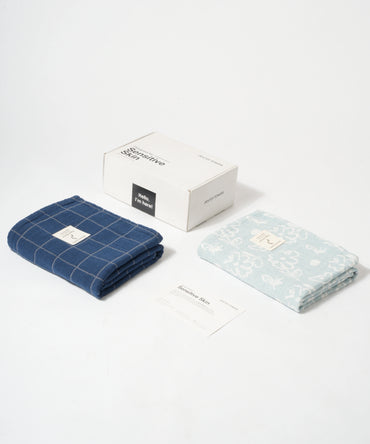
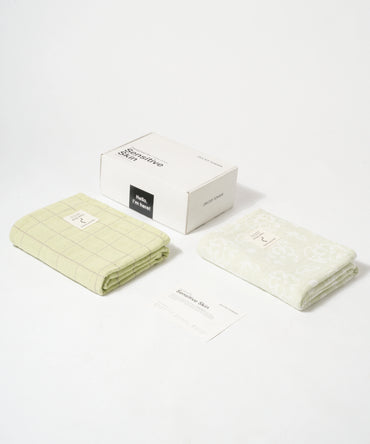
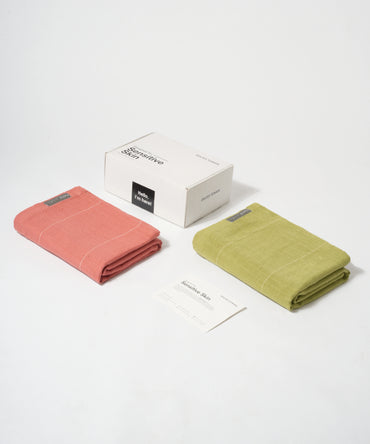
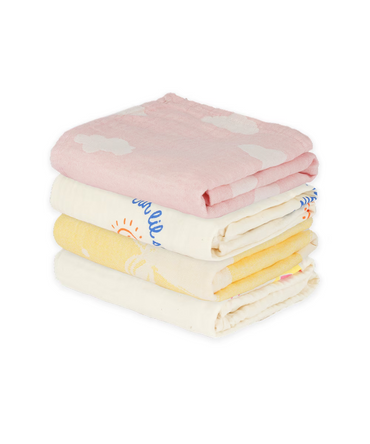
 Bamboo Waffle Hooded Baby Towel Pack of 3
Rs. 999
Bamboo Waffle Hooded Baby Towel Pack of 3
Rs. 999




Share this article
Towels For Sensitive Skin: The Face-Drying Step That Can Quietly Irritate Your Barrier
Sensitive skin routines usually focus on cleansers and creams, but the towel step can decide how calm your skin feels after washing.
Face Towels Acne
Towels For Sensitive Skin: The Face-Drying Step That Can Quietly Irritate Your Barrier
Sensitive skin routines usually focus on cleansers and creams, but the towel step can decide how calm your skin feels after washing.
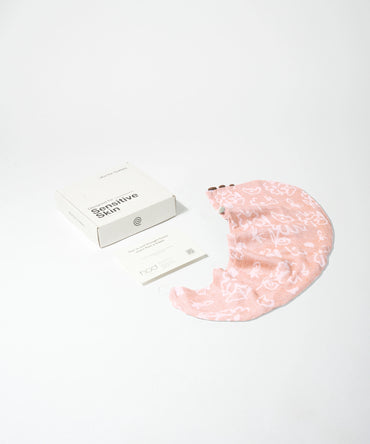
Top recommendation
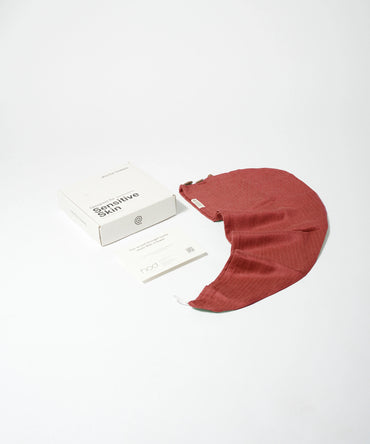
Doctor Towels Acne-Reduction Pack
A relevant product path for readers comparing face towels & acne.
View productYou can buy the gentle cleanser, avoid harsh actives, and still feel a sting the second your towel touches your face. That moment is easy to dismiss because a towel looks basic, familiar, and harmless. But for sensitive skin, the last contact step after cleansing can either protect the calm you just created or disturb it. The overlooked question is not only what you put on your skin, but what you press into it every day.
The Problem They Didn’t Know They Had
People with sensitive skin often build their routine around avoidance. They avoid strong fragrance, rough scrubs, too many acids, and products that leave the face tight. Yet many of those same routines end with a towel chosen for the bathroom, not for the skin barrier. That mismatch matters because facial skin is thinner, more reactive, and often already dealing with dryness, acne, redness, or a compromised barrier.
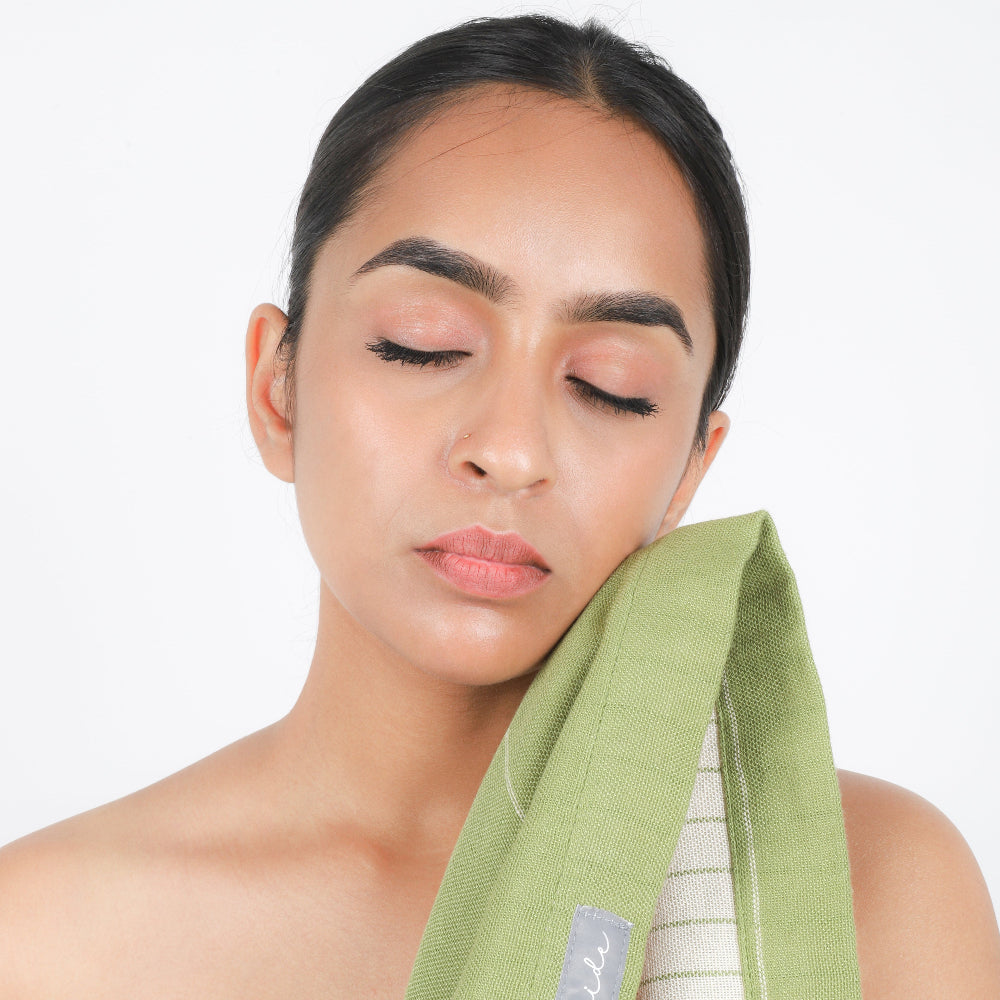
The phrase “Towels For Sensitive Skin” sounds simple, but it points to a larger routine problem. A towel is not just a drying tool. It is a textile that touches freshly washed skin when the barrier is damp and more vulnerable to friction. If the fabric is rough, reused too often, slow to dry, or shared with hands and body, it can introduce several sources of irritation at once.
This is why people say things like “my skin feels irritated after drying my face” or “I never thought my towel could be part of the problem.” The towel step sits at the end of the routine, so it rarely gets blamed first. Someone may switch moisturizers three times before noticing that their face always feels worse after rubbing it dry.
Sensitive skin does not need a dramatic trigger to react. It can respond to repeated small contacts. A few seconds of rubbing twice a day, a slightly coarse texture, or a towel that stays damp in a humid bathroom can become a pattern. The result is not always an obvious rash. Sometimes it is low-grade redness, tightness, stinging, rough patches, or breakouts that seem to appear despite a careful routine.
That is the hidden problem: the towel is treated as household linen, while the skin experiences it as part of skincare.
Middle recommendation
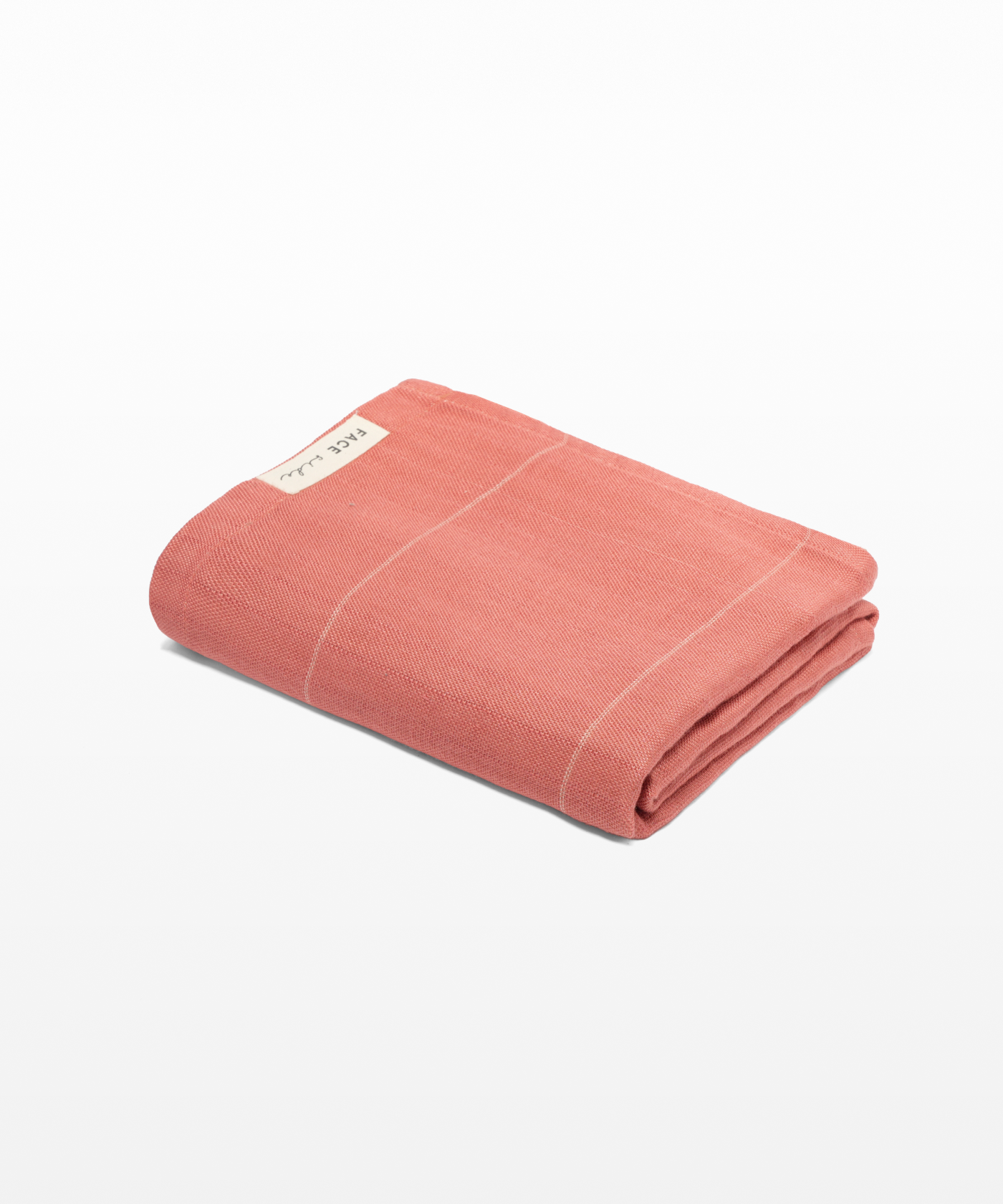
Face Towels
A relevant collection path for readers comparing face towels & acne.
View collectionThe Science Behind The Problem
The skin barrier is designed to hold water in and keep irritants out. When it is healthy, the face feels more comfortable, resilient, and less reactive. When it is stressed, small exposures can feel bigger than they should. Friction, pressure, repeated rubbing, residual detergent, humidity, and microbial transfer can all matter more when the skin is already sensitive.
The American Academy of Dermatology advises people with acne-prone skin to use gentle care and avoid scrubbing with washcloths or other abrasive tools because scrubbing can irritate the skin. That guidance is useful beyond acne. It reminds us that cleansing and drying are physical events, not just product steps. A gentle cleanser can still be followed by a harsh drying motion.
Medical literature on acne mechanica also shows that friction, pressure, rubbing, and occlusion can aggravate acneiform eruptions. A towel is not a helmet strap or tight clothing, but the mechanism is similar enough to respect: repeated mechanical stress can irritate follicles and inflamed skin. When someone has active acne, eczema-prone dryness, post-treatment sensitivity, or a fragile barrier, fabric choice and drying behavior become more important.
Hygiene is the second part of the science. Towels absorb water, skin cells, oils, and residue. If they remain damp, they become a friendlier environment for microbial growth. This does not mean every towel causes a skin problem, and it should not be framed as a cure-or-cause claim. It means the towel is a repeated contact surface. For sensitive skin, repeated contact surfaces deserve the same scrutiny as pillowcases, phone screens, and makeup brushes.
That is why skincare towels and soft towels for sensitive skin should be evaluated by three practical questions: how much friction do they create, how hygienically can they be used, and whether the routine around them supports a calm barrier.
The Mechanisms - How It’s Actively Hurting You
Friction Can Keep The Barrier On Edge
The most immediate mechanism is rubbing. Many people dry their face the same way they dry their arms after a shower: fast, firm, and with a back-and-forth motion. Sensitive facial skin does not respond to that like body skin. Rubbing can leave the face pink, warm, tight, or prickly. Over time, that mechanical stress can make the routine feel less predictable.
This is especially relevant for acne-prone skin. If a breakout is already raised or inflamed, rough contact can make it feel more painful. If the skin barrier is dry, a coarse towel can catch on texture and create the feeling of abrasion. Even if the towel is clean, friction alone can be enough to make the drying step uncomfortable.
Damp Fabric Can Carry Yesterday’s Routine Into Today
A towel used after cleansing collects water, cleanser residue, skin cells, and oils. If it is left folded, bunched, or hanging in a poorly ventilated bathroom, it may stay damp longer than expected. The next use can then bring old residue back to freshly washed skin. For someone with resilient skin, this may not feel obvious. For sensitive skin, it can be one more irritation variable.
The issue is not that every reused towel is dangerous. The issue is repetition. Using the same face towel every day without a clear wash and drying habit increases the chance that the towel becomes less skin-friendly over time.
Cross-Use Can Add Unnecessary Contact
Many households use one towel for hands, face, and body. That is efficient, but it is not ideal for reactive facial skin. Hands carry product residue, soap, oils, and environmental debris. Body towels may carry hair products, sweat, or stronger detergent fragrance. If that same fabric is pressed onto the face, the skin receives more than water removal.
A dedicated face towel creates a cleaner boundary. It does not need to be complicated. It simply respects the face as a separate zone with different needs.
Texture Can Matter As Much As Cleanliness
People often focus on whether a towel is clean, but texture matters too. A clean towel can still feel too rough. A thick towel can still drag. A soft towel can still be used too aggressively. Sensitive skin benefits from a fabric and motion that reduce contact stress. The goal is to blot water away, not polish the face.
Customer Language - What Real People Were Dealing With
The most useful customer language around this topic is rarely technical. People do not usually say “my skin barrier is reacting to textile friction.” They say, “my face feels irritated after drying,” or “my towel felt rough on active breakouts.” They say their routine was fine except the towel step always made the face feel hot or tight.
Another common line is, “I wanted a towel that felt like it belonged in my skincare routine.” That sentence matters because it reframes the category. Sensitive-skin shoppers are not only buying linen. They are buying a contact surface for a face they are trying to calm.
Some people notice the issue through contrast. Their face feels calmer when they air dry, use a softer cloth, or switch to a fresh towel. Others notice it when travel towels, hotel towels, or older bath towels make the skin feel worse. These observations do not prove a medical claim, but they do point to a practical routine pattern.
The emotional frustration is also real. People with sensitive skin already feel like they have to think about everything. Asking them to consider a towel can sound like one more burden. The better framing is simpler: if the towel touches your face every day, it should be chosen and used with the same care as the products before it.
Actionable Habits - What To Actually Do
1. Pat, Do Not Rub
After cleansing, press the towel gently against the face and lift. Do not drag it across the cheeks, jawline, or forehead. A patting motion removes water without adding unnecessary friction. This is the easiest change and often the fastest to feel.
2. Use A Dedicated Face Towel
Keep one towel for the face only. Do not use the same towel for hands, body, and face. This reduces cross-contact and makes the routine easier to control. If you are building a sensitive-skin routine, this habit belongs beside cleanser choice and moisturizer choice.
3. Rotate Fresh Towels More Often
For sensitive or acne-prone skin, use a fresh face towel daily when possible. If daily washing is not realistic, keep enough small face towels in rotation so you are not repeatedly pressing a damp towel into clean skin. Let used towels dry fully before laundry.
4. Dry The Towel In Open Air
Do not leave the towel folded in a humid corner. Spread it out, use a hook or bar with airflow, and run the bathroom fan after showers. Faster drying lowers the chance that the towel becomes stale between uses.
5. Choose Texture For Skin, Not Just Bathroom Style
The best-looking towel is not always the best face towel. Look for softness, low drag, and a comfortable feel when pressed rather than rubbed. If you are comparing Towels & Acne - The Hidden Connection, focus on friction, hygiene, and repeat contact, not only absorbency.
6. Watch The After-Feeling
Your skin gives useful feedback. If your face feels calm after cleansing but irritated after drying, the towel step deserves attention. Track that feeling for a week while changing one habit at a time.
Why Doctor Towels Was Built For This
Doctor Towels was built around the idea that the towel step should belong inside skincare, not outside it. The product should be understood as part of a gentle routine, not as a cure for acne or sensitive skin. That distinction matters because sensitive skin needs support, not exaggerated promises.
The practical role is simple: make the fabric step easier to control. A skincare-first towel should be dedicated to the face, comfortable against reactive skin, easy to rotate, and used with a patting motion. It should help people treat face drying as a real routine step instead of a random bathroom habit.
That does not mean a towel replaces dermatology care. It means the towel should stop working against the care someone is already taking. For acne-prone and sensitive-skin shoppers, the value is in lowering avoidable friction, reducing cross-use between body and face, and keeping the final contact after cleansing more intentional.
For readers, the product logic is straightforward: if your cleanser, serum, and moisturizer are chosen for sensitive skin, your towel should not be the random step that breaks the pattern.
The Bottom Line
Towels for sensitive skin are not about luxury. They are about reducing friction, controlling repeated contact, and making the final step of cleansing as intentional as the first. A towel cannot diagnose, treat, or cure a skin condition. But it can either support a gentle routine or make that routine harder to trust.
If your skin often feels irritated after drying, start with the simplest changes: pat instead of rub, use a dedicated face towel, rotate fresh towels, and pay attention to texture. If irritation, acne, eczema, or discomfort persists, speak with a dermatologist for professional care. The perspective shift is simple: the towel is not separate from skincare. It is the last thing your clean face touches.
Medical Sources & Further Reading
- How to treat acne - American Academy of Dermatology - https://www.aad.org/news/how-to-treat-acne
- DIY acne treatment - American Academy of Dermatology - https://www.aad.org/public/diseases/acne/diy
- Acne mechanica - PubMed - https://pubmed.ncbi.nlm.nih.gov/123732/
- Inner thigh friction as a cause of acne mechanica - PubMed - https://pubmed.ncbi.nlm.nih.gov/30883890/
Bottom recommendation
Doctor Towels Acne-Reduction Pack
A relevant product path for readers comparing face towels & acne.
View product
Doctor Towels Acne-Reduction PackView
Prev post

Baby Towels: The Skin-Contact Step Parents Often Overlook After Bath Time
Updated on 30 April 2026
Next post
How Daily Micro-Interactions Prevent Your Face Towel From Becoming a Sensitive Skin Trigger
Updated on 29 April 2026