


 67% off
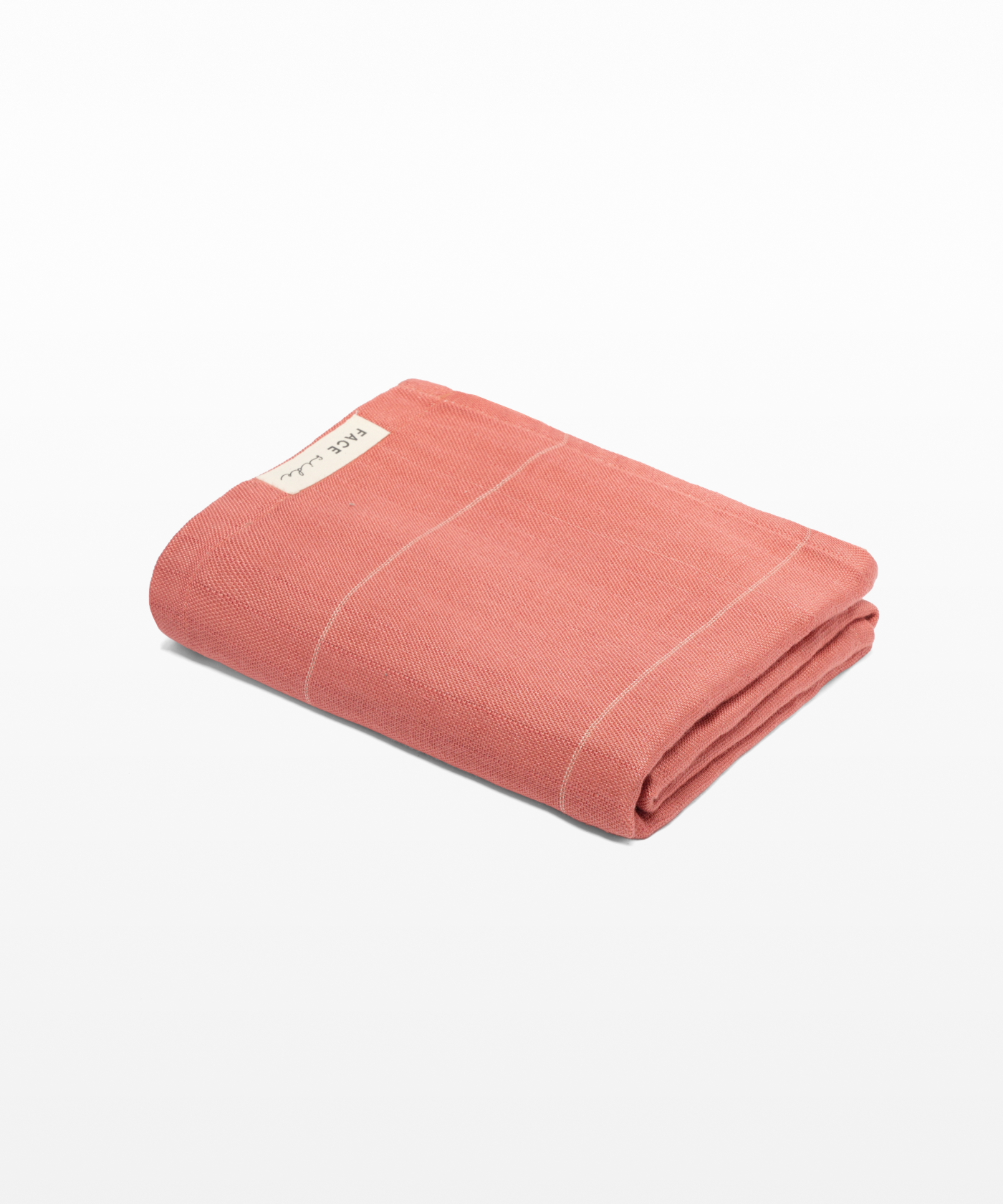
Bamboo Terry Towel Pack of 1
Rs. 499
67% off
Bamboo Terry Towel Pack of 1
Rs. 499








Share this article
Hard Water, Hot Showers, and Your Towel: Unexpected Irritants for Sensitive Skin
Do you ever feel like your skin is tight, red, or irritated after your shower, even when you're using gentle cleansers? The culprits might be hiding in plain sight: your water, your shower temperature, and even the way you dry your face.
Sensitive Skin Eczema
Hard Water, Hot Showers, and Your Towel: Unexpected Irritants for Sensitive Skin
Do you ever feel like your skin is tight, red, or irritated after your shower, even when you're using gentle cleansers? The culprits might be hiding in plain sight: your water, your shower temperature, and even the way you dry your face.
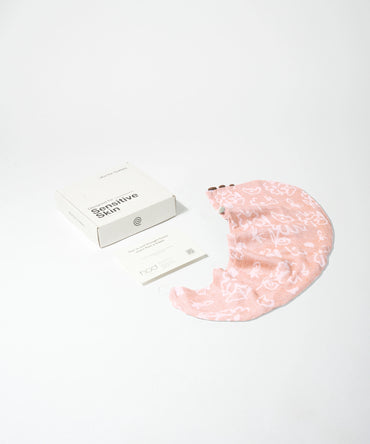
Top recommendation
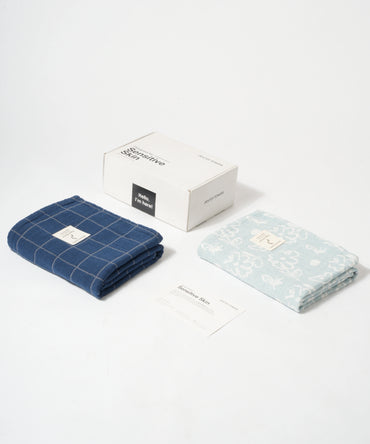
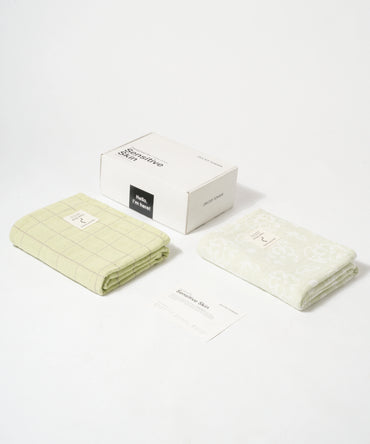
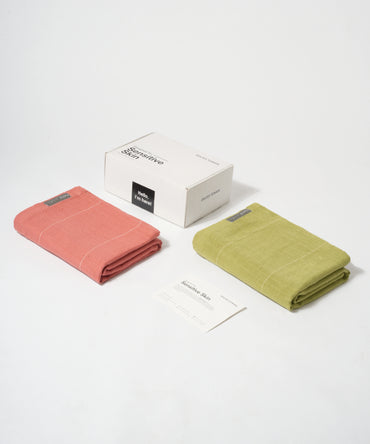
Sensitive Skin Towels
A relevant collection path for readers comparing sensitive skin & eczema.
View collectionDo you ever feel like your skin is tight, red, or irritated after your shower, even when you’re using gentle cleansers? You’ve carefully chosen your serums and moisturizers, but something still feels off. The culprits might be hiding in plain sight: your water, your shower temperature, and even the way you dry your face. For those with acne-prone or sensitive skin, these seemingly minor elements can play a significant role in disrupting the skin barrier and contributing to ongoing frustration.
The Problem They Didn’t Know They Had
Many of us focus intensely on the products we apply to our skin, from cleansers to serums and moisturizers. We scrutinize ingredient lists, research active compounds, and follow multi-step routines. Yet, the moment right after cleansing, when our skin is most vulnerable, often goes overlooked. The temperature of the water, the minerals it carries, and the friction from a towel can all contribute to discomfort and irritation, leaving sensitive skin feeling stripped or inflamed. It’s a common experience for those who say, “my skin feels irritated after drying my face,” or “I never thought my towel could be part of the problem.”
This post-shower moment, often seen as a simple drying step, can actually set the stage for skin reactivity throughout the day. For sensitive and acne-prone skin, understanding these hidden irritants is the first step toward a calmer, more balanced complexion.
The Science Behind The Problem
Our skin has a natural protective layer called the skin barrier. This barrier is crucial for keeping moisture in and irritants out. When the skin barrier is compromised, it can lead to dryness, redness, sensitivity, and make the skin more susceptible to environmental factors.
Hot showers, while feeling relaxing, can strip the skin of its natural oils, weakening this barrier. The excessive heat can also dilate blood vessels, leading to increased redness, especially for those prone to rosacea or general sensitivity. Similarly, hard water, which contains a high concentration of minerals like calcium and magnesium, can leave a film on the skin. While the direct mechanism of irritation from hard water minerals is still an area of ongoing research, the general consensus is that these factors can contribute to a feeling of tightness or dryness for sensitive individuals.
Beyond water quality and temperature, the physical act of drying plays a significant role. The American Academy of Dermatology (AAD) emphasizes the importance of gentle, non-abrasive cleansing for acne-prone skin and specifically cautions against scrubbing with washcloths or other tools, as this can lead to irritation. This principle extends to how we dry our faces, as aggressive rubbing can have similar abrasive effects.
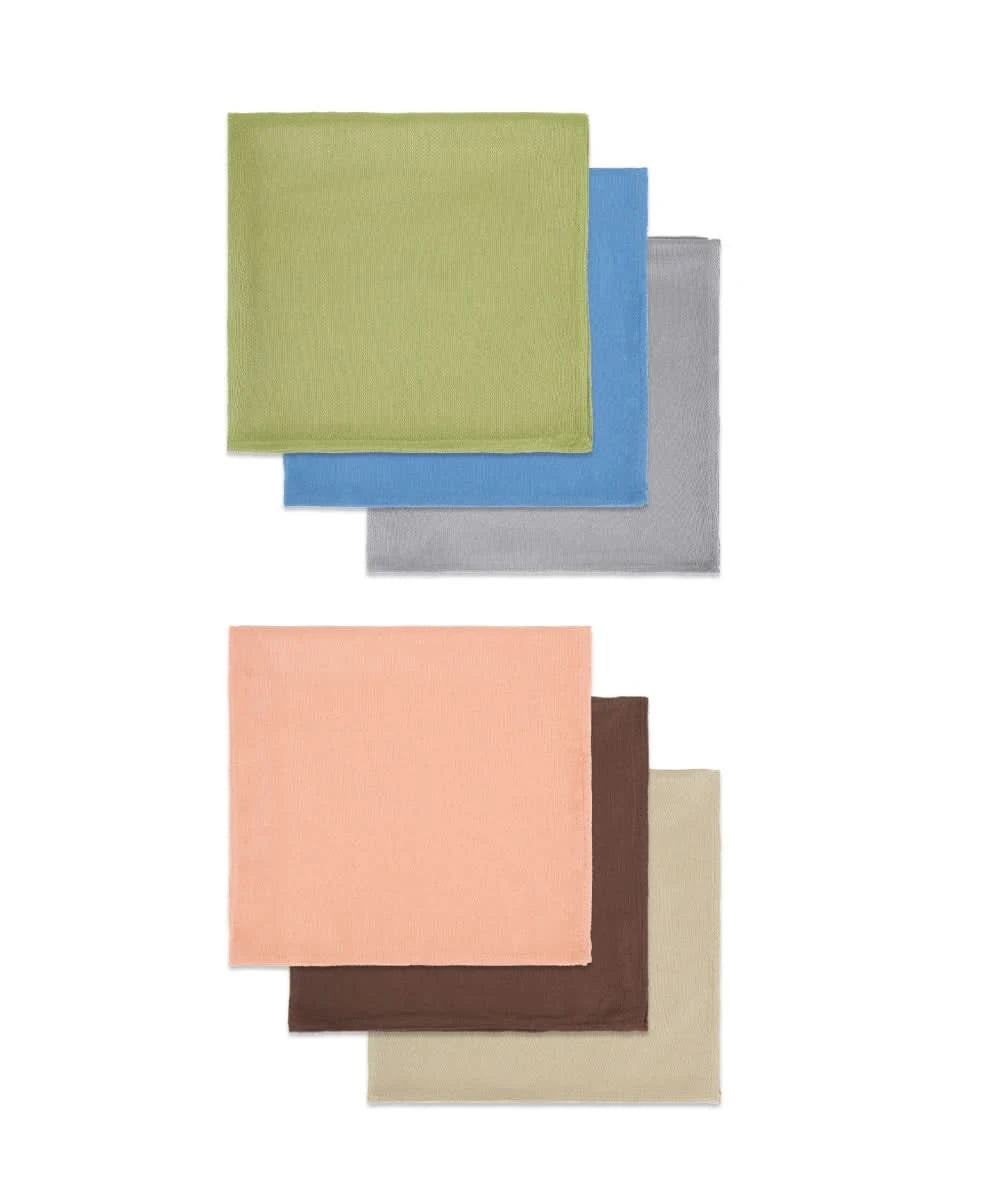
Middle recommendation
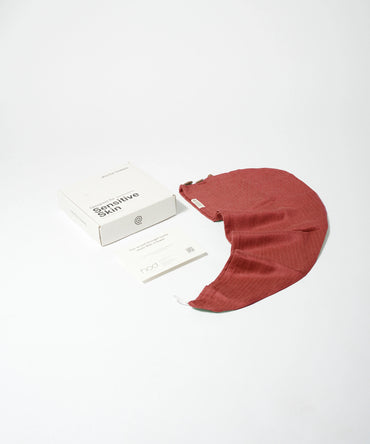
Doctor Towels Aluvera Handkerchief Pack
A relevant product path for readers comparing sensitive skin & eczema.
View productThe Mechanisms - How It’s Actively Hurting You
Understanding the specific ways these factors can irritate your skin helps in making informed choices for your skincare routine.
Friction and Mechanical Irritation
One of the most direct ways your towel can harm your skin, particularly if it’s acne-prone or sensitive, is through friction. When you rub your face vigorously with a rough or even moderately textured towel, you’re creating mechanical irritation. This physical stress can exacerbate existing inflammation, damage the delicate skin barrier, and even contribute to certain types of breakouts. Research published in PubMed highlights that friction, pressure, rubbing, and occlusion can aggravate acneiform eruptions, a condition sometimes referred to as acne mechanica. This means that the simple act of aggressively drying your face can worsen or even trigger breakouts, especially in areas like the jawline where a towel might be rubbed more intensely. The American Academy of Dermatology advises against scrubbing with washcloths, sponges, and other tools that can irritate acne-prone skin, a recommendation that applies directly to towel use.
Over-Drying and Compromised Skin Barrier
Using very hot water in your shower, combined with harsh drying, can strip your skin of its natural lipids and moisture. These lipids are essential components of your skin barrier, acting like mortar between the bricks of your skin cells to keep them strong and healthy. When this barrier is compromised, your skin becomes more permeable, losing vital moisture and becoming more vulnerable to environmental irritants, allergens, and bacteria. This can lead to a sensation of tightness, flakiness, or increased sensitivity, making your skin feel raw or exposed. Over-drying can also trigger the skin to produce more oil in an attempt to compensate, potentially leading to further breakouts for acne-prone individuals.
Contamination and Bacterial Transfer
Even if you’re gentle, an unclean towel can be a significant source of irritation and potential breakouts. Damp towels provide an ideal environment for bacteria, fungi, and mold to thrive. If you’re using the same face towel every day without washing it, you could be reintroducing these microorganisms to your freshly cleansed skin. This is particularly concerning for acne-prone skin, where the presence of certain bacteria, like C. acnes, is a known factor in breakout development. The transfer of these microbes can undermine even the most diligent cleansing routine, leading to persistent skin issues. Data from IADVL 2023 indicates that 74% of acne patients show C. acnes on towels, underscoring the importance of towel hygiene.
Customer Language - What Real People Were Dealing With
The impact of overlooked factors like water quality, shower temperature, and towel habits is a common theme in skincare discussions. Many individuals with sensitive or acne-prone skin discover, often after much frustration, that their routine has a hidden flaw. We’ve heard people say, “my face towel was giving me jawline acne,” a clear sign that friction and contamination were playing a role. Others express, “my routine was fine except my towel felt rough on active breakouts,” indicating that the physical sensation of drying was causing discomfort and exacerbating existing skin issues. The realization often comes as an “aha!” moment: “I never thought my towel could be part of the problem.” This sentiment highlights a common blind spot in skincare: the assumption that all towels are benign. Ultimately, many seek a solution that aligns with their careful product choices, wishing for “a towel that felt like it belonged in my skincare routine.”
Actionable Habits - What To Actually Do
Integrating small, intentional changes into your post-shower routine can make a significant difference for sensitive and acne-prone skin.
1. Adjust Your Shower Temperature
Opt for lukewarm water instead of hot. While a steaming shower can feel invigorating, hot water strips the skin of its natural oils, compromising the skin barrier and leading to dryness and irritation. Lukewarm water is much gentler on the skin, helping to maintain its natural moisture balance.
2. Be Mindful of Water Quality
If you live in an area with hard water, you might notice your skin feeling tight or dry after showering. While installing a whole-house filter might not be feasible for everyone, simply being aware of your water quality can help you understand why your skin might feel a certain way. You can compensate by being extra diligent with moisturizing immediately after drying.
3. Pat, Don’t Rub Your Face
Instead of aggressively rubbing your face dry, gently pat your skin with your towel. This reduces friction and mechanical irritation, which, as the American Academy of Dermatology advises, can irritate acne-prone skin. Patting helps to absorb excess water without tugging or pulling at delicate skin, preserving the skin barrier and preventing the aggravation of breakouts.
4. Use a Dedicated Face Towel
Avoid using the same towel for your body and face. Your body towel can harbor bacteria and residues from body washes or hair products that aren’t ideal for your facial skin. A clean, soft, dedicated face towel ensures that you’re only introducing cleanliness to your freshly washed face.
5. Change Your Face Towel Frequently
This is crucial for preventing bacterial buildup. A damp towel is a breeding ground for bacteria and fungi. Changing your face towel daily, or at least every other day, ensures that you’re not reintroducing microbes to your skin. This simple habit can significantly reduce the risk of breakouts and irritation, aligning with acne-friendly skincare and dermatologist-recommended habits, as noted by the American Academy of Dermatology.
6. Apply Skincare Products to Damp Skin
After gently patting your face, apply your serums and moisturizers while your skin is still slightly damp. This helps to lock in moisture and allows products to penetrate more effectively, enhancing their benefits and supporting your skin barrier.
Why Doctor Towels Was Built For This
Doctor Towels was created specifically to address these often-overlooked aspects of skincare, transforming the simple act of face-drying into an intentional, beneficial step in your routine. We are positioned as a skincare-first towel brand, belonging in the same conversation as your cleansers, serums, and skin-barrier-friendly habits. We recognize that the towel step should be treated as an intentional skincare step, not an afterthought.
Our commitment to sensitive and acne-prone skin is built into every fiber. Doctor Towels employs Skin-Safe Fibers designed to minimize friction and irritation, providing a gentle touch that respects your skin’s delicate barrier. This is critical for preventing the mechanical irritation that can exacerbate acne and sensitivity, aligning with the need for lower-friction, more skin-aware routine habits. For those struggling with rough towels on active breakouts, the difference is noticeable.
The Dual-Side Design (Patented) offers versatility for different skin needs. One side is crafted for ultra-gentle absorption, while the other provides a slightly more textured, yet still soft, option for a thorough, non-abrasive dry. This thoughtful design ensures that your face-drying routine is always tailored to your skin’s current state.
At the core of Doctor Towels is SkinShield Technology™, an innovation developed to actively inhibit bacterial growth. This technology is a direct response to concerns about contamination and bacterial transfer. Research on Doctor Towels has demonstrated remarkable efficacy: studies have shown 890 million colony-forming units (CFUs) after 7 days on an unwashed conventional towel, while Doctor Towels significantly reduces this burden. The IADVL 2023 study further supports this, showing that 74% of acne patients have C. acnes on their towels, highlighting the necessity of a hygienically superior face towel. Our products are clinically validated, with a 2024 Randomised Control Trial (RCT) conducted at Apollo Hospitals involving 112 patients, demonstrating an average 21% reduction in inflammatory acne lesions in just 14 days when Doctor Towels were incorporated into the routine.
Doctor Towels are also engineered for 160-Wash Efficacy, meaning their skin-friendly and hygiene-focused properties remain effective even after extensive washing. This ensures lasting benefits and sustained support for your gentle skincare routine. Our dedication to integrating advanced fabric science into daily skincare is detailed on our research page, with specific findings available in our testing report.
By choosing Doctor Towels, you’re not just selecting a towel; you’re adopting a skincare-first approach to face drying, ensuring that every step of your routine contributes to a calmer, clearer, and more comfortable complexion. This intentional choice helps build authority around acne-safe fabric and face-drying habits, helping you explore a gentler approach to your daily routine. Learn more about how to select the best options for your skin in our guide to acne-safe towels.
The Bottom Line
Your skincare journey doesn’t end with your last serum application; it begins with how you treat your skin from the moment you step out of the shower. Hard water, hot showers, and the wrong towel can be silent saboteurs, undermining even the most meticulously planned skincare routine. By understanding these subtle irritants and adopting gentle, intentional habits—from adjusting water temperature to choosing a skincare-first towel—you can significantly improve the comfort and health of your sensitive or acne-prone skin. Making your drying routine an intentional part of your skincare helps protect your skin barrier and reduce the likelihood of irritation. For persistent or severe skin concerns, always consult with a dermatologist.
Medical Sources & Further Reading
- How to treat acne - American Academy of Dermatology - https://www.aad.org/news/how-to-treat-acne
- DIY acne treatment - American Academy of Dermatology - https://www.aad.org/public/diseases/acne/diy
- Acne mechanica - PubMed - https://pubmed.ncbi.nlm.nih.gov/123732/
- Inner thigh friction as a cause of acne mechanica - PubMed - https://pubmed.ncbi.nlm.nih.gov/30883890/
- Doctor Towels Research Page - Doctor Towels - https://www.doctortowels.com/pages/research-page
- Doctor Towels Testing Report - Doctor Towels - https://cdn.shopify.com/s/files/1/0376/8529/7196/files/Testing_Report.pdf?v=1758528655
Medical Citations
- How to treat acne - American Academy of Dermatology - https://www.aad.org/news/how-to-treat-acne
- DIY acne treatment - American Academy of Dermatology - https://www.aad.org/public/diseases/acne/diy
- Acne mechanica - PubMed - https://pubmed.ncbi.nlm.nih.gov/123732/
- Inner thigh friction as a cause of acne mechanica - PubMed - https://pubmed.ncbi.nlm.nih.gov/30883890/
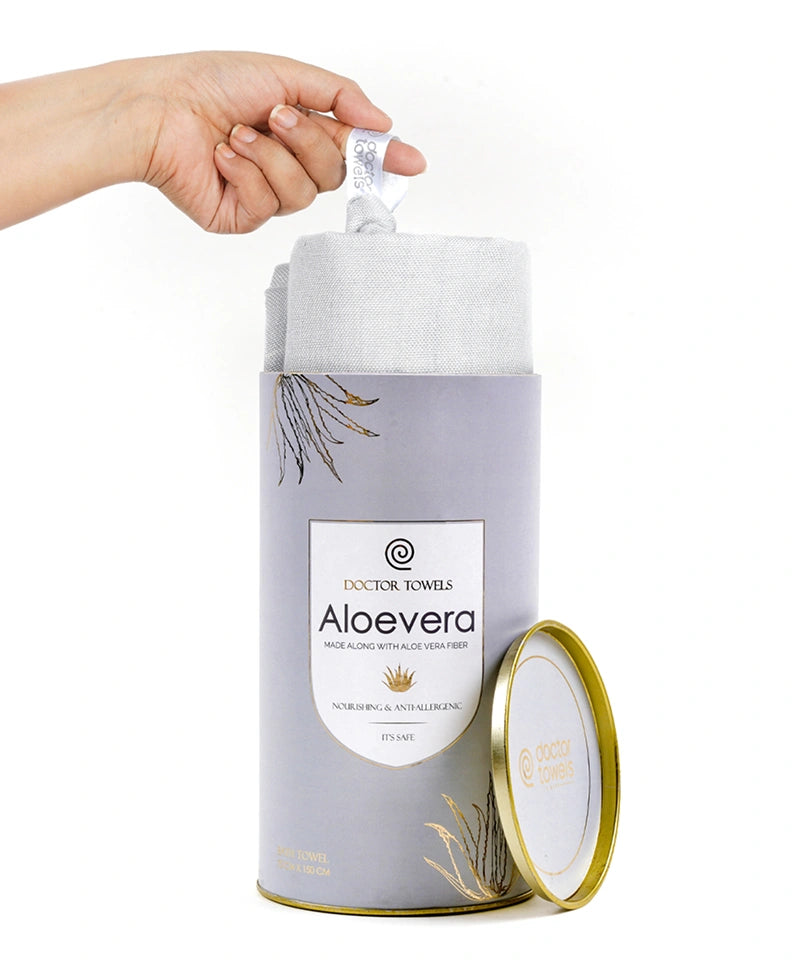
Bottom recommendation
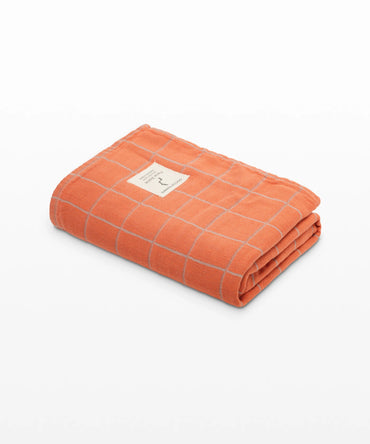
Doctor Towels Aloevera Double Cloth Bath Towel
A relevant product path for readers comparing sensitive skin & eczema.
View product
Sensitive Skin TowelsView
Prev post

Buy Hand Towels Online in India: 10 Checks Before They Drift Into Face Use
Updated on 26 May 2026
Next post

Towel Stand for Bedroom: What Actually Helps Towels Dry Faster in Indian Homes
Updated on 25 May 2026