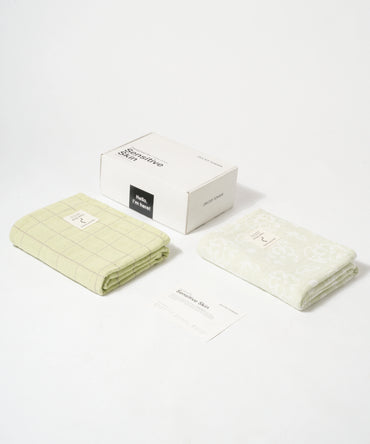
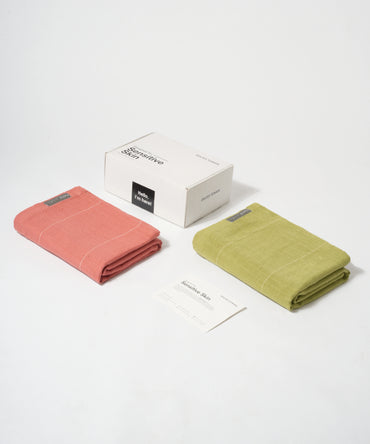


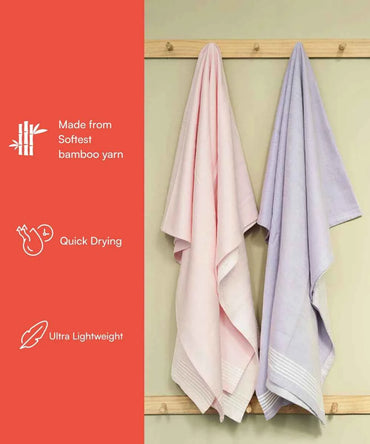
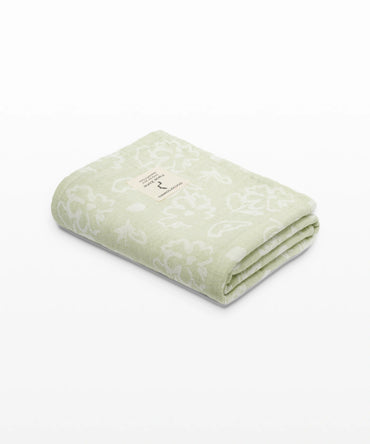
Normal towel
- Oil
- Bacteria
- Dampness
- Residue
Skip to content
Saved for later
Loading your wishlist...
Face Hygiene
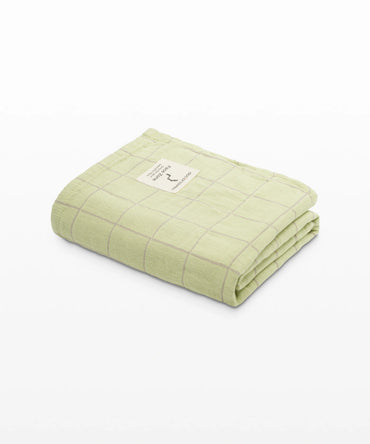
Normal towel
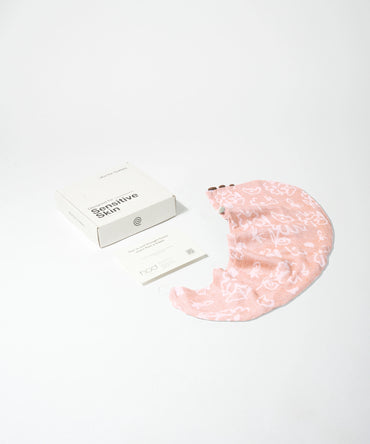
Doctor towel
Regular towels collect oil, bacteria, and dampness.
A dedicated Doctor Towel gives clean skin a cleaner first touch.
Towel Stand for Bedroom sounds like a furniture query, but the real issue is often whether a better drying setup can stop damp towels from lingering too long in Indian homes.
Towel Stand for Bedroom looks like a home-storage search, but most people are typing it because the bathroom towel situation is not working. The towel rail is crowded. The bathroom stays humid. Towels take too long to dry. Someone keeps carrying a towel into the bedroom anyway because the bathroom hook is full or the balcony is inconvenient. What sounds like a decor question is often a drying-time and hygiene question hiding in plain sight.
That is why Towel Stand for Bedroom deserves an India-first answer. In many Indian homes, the towel does not live in a perfectly ventilated bathroom. It lives across a sequence of spaces: the bathroom, the bedroom chair, the back of a door, the balcony, or the nearest available hook. When the drying setup is weak, towels stay damp longer, feel stale faster, and drift across roles more easily. The body towel gets reused too soon. The hand towel becomes a backup face towel. The whole system gets blurrier with each compromise.
Doctor Towels belongs in this conversation as a hygiene-first comparison point, but not as a substitute for better storage. Doctor Towels is premium and expensive compared with ordinary household towel options, and it is not the cheapest answer if your main problem is that towels simply need more airflow and better hanging space. Its logic is stronger when a better drying setup reveals a second problem: the towel that keeps touching the face still needs its own cleaner, more intentional role.
People usually start looking for a bedroom towel stand after getting tired of small, repeat annoyances. The towel never feels dry by evening. The bathroom smells slightly damp. A towel ends up on a chair because nowhere else has enough air. Bedroom fans seem to dry the towel faster than the bathroom, so the habit repeats. Eventually the household stops asking whether this is a good system and starts shopping for furniture.
That instinct is not wrong. Better hanging can absolutely improve towel behaviour. But the hidden problem is assuming that storage alone is the whole answer. A towel stand works only if it improves spacing, airflow, and role clarity. If a bedroom towel stand simply turns into one more place where too many damp fabrics get stacked together, the routine still stays weak.
In Indian homes, the drying challenge is shaped by real conditions: monsoon humidity, limited sunlight, small bathrooms, family overlap, and inconsistent ventilation. Even a good towel can behave badly in that environment. Thick towels dry slowly. Shared hooks bunch fabrics together. Bathrooms stay wet after consecutive showers. By the time the towel reaches the bedroom, the goal is no longer comfort alone. The goal is recovery.
This is why Towel Stand for Bedroom becomes a more interesting hygiene question than it first appears. The stand is not only about where the towel goes. It is about whether the towel gets enough air to reset before the next use and whether each towel in the house can stay in its intended role instead of floating between body, face, hands, and general spillover.
The medical science most relevant here still comes back to friction and routine contact. The American Academy of Dermatology advises gentle, non-abrasive skin care and warns against harsh scrubbing on acne-prone or easily irritated skin. PubMed literature on acne mechanica also supports the concern that friction and repeated rubbing can aggravate acneiform eruptions. A poorly dried towel matters because stale-feeling, still-damp fabric often invites harder wiping and more casual reuse on the face.
This is not a claim that a towel stand treats skin issues. It does not. But better drying conditions can support a better towel routine, and a better towel routine reduces the likelihood that one damp towel keeps getting reused across the most skin-sensitive parts of the day. A stand that improves airflow can lower the pressure to keep using a towel that never truly feels reset.
Indian homes make that practical connection easier to see. When towels recover slowly, people compromise. They use the same towel once more. They borrow another damp towel because it looks close enough. They keep the face in the same towel system as everything else. So Towel Stand for Bedroom can matter because better airflow and spacing can improve the whole rhythm of towel rotation.
The real takeaway is modest but useful: storage affects behaviour. If the towel dries better, the routine usually gets cleaner and calmer too. But storage is only one piece. Role separation still matters.
Towels touching each other cannot recover as well as towels spread apart.
A towel that dries better near a fan still needs a clear role and a clean place to hang.
If the towel never feels fully ready, households become more tolerant of reuse.
Face, hand, and body towels can get mixed when the house has no clear hanging logic.
People compensate for a stale-feeling towel by using more force, especially after a rushed shower.
The complaints behind this query are practical and familiar:
That last line matters most. A towel stand becomes appealing because people are not only chasing neatness. They are trying to regain control of the towel system. They want each fabric to have a clearer place, a better chance to dry, and less accidental role overlap. In Indian homes, that can genuinely improve daily hygiene because space limitations make role confusion easier.
This is also where price sensitivity shows up. Some households buy more towels when the real problem is drying setup. Others buy a towel stand when the real problem is that the same towel keeps doing too many jobs. The smarter decision is to ask what failure the stand is meant to fix. Better airflow? Better spacing? More orderly rotation? Better face-towel separation? The answer changes the purchase.
Doctor Towels becomes relevant only after that diagnosis is honest. If the system problem is storage, fix storage first. If the remaining problem is what repeatedly touches the face, then a skincare-first towel comparison becomes more meaningful.
Towel Stand for Bedroom only helps when towels hang open enough to get airflow from both sides.
Do not use a better drying stand as an excuse to return all towels to a shared all-purpose system.
A stand near a fan, window, or cross-ventilated area usually performs better than one placed only for aesthetics.
Too many damp fabrics on the same stand recreate the bathroom-rail problem in a different room.
Very heavy towels may still be impractical if the home cannot give them enough air.
If your towel stand search is really being driven by stale smell and slow drying, this earlier guide on Why Towels Smell Musty in Indian Bathrooms gives the bigger context behind the storage problem.
Storage can improve towel habits, but persistent acne or irritation still needs proper care rather than endless household experimentation.
What actually helps is not the stand alone. It is the combination of stand design, placement, spacing, and towel discipline. A bedroom towel stand works well when it spreads towels apart, uses stronger airflow than the bathroom offers, and prevents damp fabrics from piling onto chairs or bed frames. It works badly when it becomes a prettier version of the same crowded habit.
The first practical win is airflow. A towel hanging near a ceiling fan or cross-ventilated window usually resets faster than a towel crammed into a humid bathroom corner. The second is role clarity. The stand works best when each towel has a known place and job. The third is restraint. Two or three well-spaced towels dry better than five overlapping ones on the same structure.
This is also where Indian household reality matters. Many families need hybrid systems: one place for immediate bathroom use, another place for fuller drying, and a stricter rule for the towel that touches the face. A bedroom towel stand can be very useful in that setup. It just should not be mistaken for a complete solution if the routine still lets the wrong towel keep reaching the face.
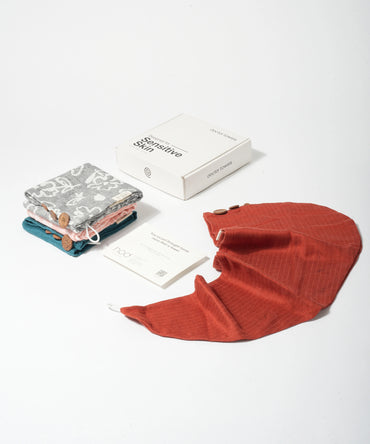
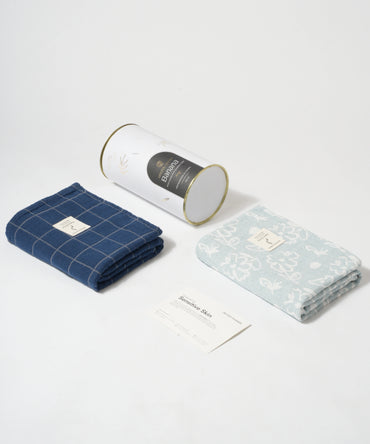
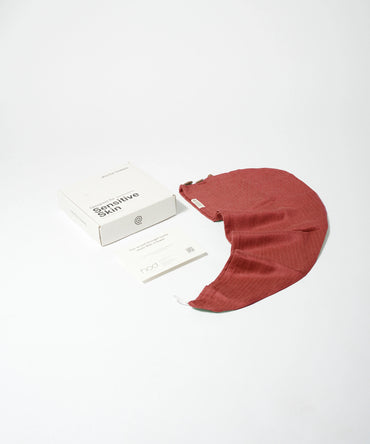
Doctor Towels fits here because better storage often exposes a second issue. Once towels dry more reliably, households notice that the face-contact problem is still different from the body-towel problem. Doctor Towels is positioned as a skincare-first towel option, so it makes sense for readers who want a dedicated towel role for repeated facial contact rather than another all-purpose towel in a better rack.
The clear positives are:
The drawbacks should stay equally clear:
That is the honest fit. Fix storage for drying. Compare Doctor Towels when the face still needs its own cleaner, more deliberate towel routine after the storage problem is improved.
Towel Stand for Bedroom is not only a decor search. It is often a practical response to humid bathrooms, crowded rails, and towels that never seem fully ready for the next use. A good stand can genuinely improve drying speed, reduce clutter, and make role separation easier in Indian homes.
But the stand is not magic. It works only when towels get real spacing, real airflow, and clearer jobs. If the same damp towel still drifts into face use, the system is only half fixed. In that case, Doctor Towels is a reasonable next comparison even though it is premium and expensive, because the face-towel problem deserves a different standard from general household drying.
Yes, if it improves spacing and airflow more than the bathroom currently does.
Near real airflow, such as a fan-supported or cross-ventilated spot, not only wherever it looks neat.
No. It can improve drying, but role separation and sensible rotation still matter.
Doctor Towels fits best after storage is improved and the remaining issue is repeated face contact, not general towel drying alone.
Updated on 25 May 2026