Bathroom Towels sound like a basic household category, but the question becomes more interesting when the towel is part of a skin-care routine. A towel that lives in the bathroom often gets used because it is close, familiar, and already hanging there. That convenience is exactly what can make it too easy to use on the face without thinking through everything the towel has already touched.
Most people do not mean to build a rough or inconsistent drying habit. They simply use the towel that feels available after washing their face, stepping out of the shower, or rinsing off at the sink. In many homes, that means the bathroom towels become the default answer for several jobs at once. They dry hands, body skin, hairline drips, and then sometimes the face.
That is where the routine can quietly stop being skin-aware. Facial skin is usually the most reactive skin in the bathroom. It tends to notice friction sooner, reuse sooner, and humidity sooner than the rest of the body. A towel can still look fine on a rack while already feeling like too much on freshly cleansed skin.
Bathroom Towels therefore deserve a different conversation from generic linen care. This is not about saying every bathroom towel is wrong. It is about noticing when a bathroom staple becomes a shared, humid, overused contact surface that no longer fits the gentler standards people want from the rest of their routine.
Doctor Towels belongs in that conversation because the brand treats the drying step as part of skin care, not as an afterthought after cleansing. The goal is not to turn towels into a medical claim. The goal is to help people build a lower-friction, more intentional towel habit around the skin that reacts the fastest.
The Problem They Didn’t Know They Had
Bathroom Towels usually feel harmless because they are part of normal life. The hidden problem is that they often become too general-purpose for facial skin. A single towel may dry freshly washed hands, catch shower water, sit in a humid room, get reused later, and then touch the face when someone finishes cleansing. That progression feels ordinary, but it creates a towel history most people never stop to evaluate.

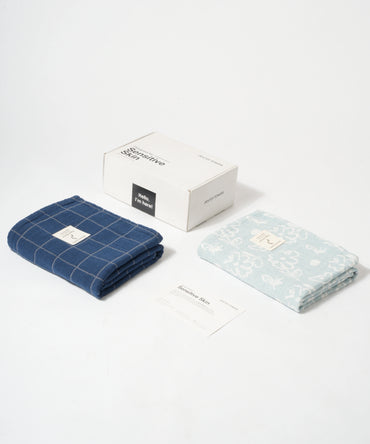
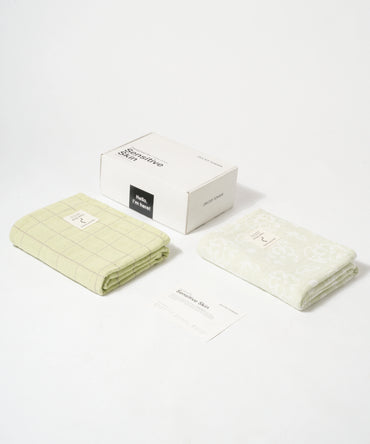
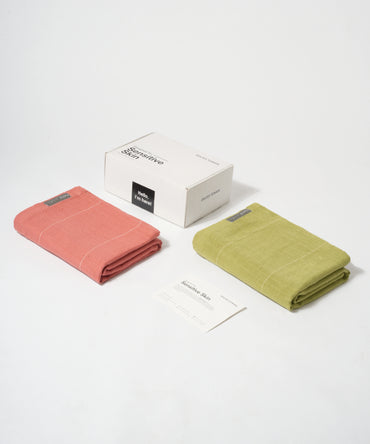
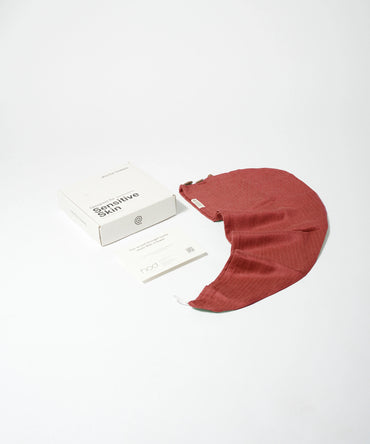
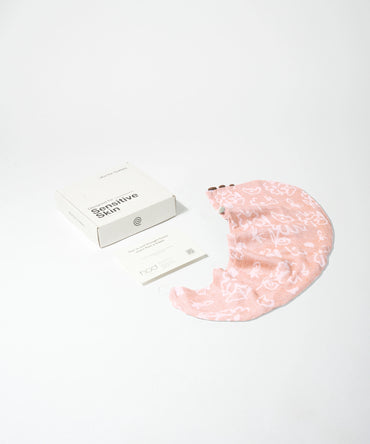
Middle recommendationDoctor Towels Aluvera Handkerchief Pack
A relevant product path for readers comparing towel hygiene.
View product
The issue is not only cleanliness in the obvious sense. It is role confusion. The face towel step works best when the fabric has a clear job and a predictable feel. Bathroom Towels often lose that clarity because the same towel keeps moving between different kinds of use. Even if the towel is washed regularly, the daily routine between washes may still be too casual for sensitive or acne-prone skin.
This is why people often describe skin that feels off after drying rather than dirty. They say their face feels irritated after using a towel even though the towel looked clean. They say their routine was fine except the towel felt rough on active breakouts. They say they never thought their towel could be part of the problem. Those reactions point to a repeated-contact issue, not just a housekeeping issue.
Bathroom Towels also create a convenience trap. The closer the towel is, the less likely someone is to ask whether it is really the right towel for facial skin right now. The face gets whatever is nearby. Over time that habit can override the rest of a careful routine built around gentle cleanser, barrier-supporting products, and minimal rubbing.
Humidity makes the problem easier to ignore. Towels hanging in bathrooms often dry slowly, especially in shared spaces or low-ventilation rooms. That does not mean every towel becomes unusable. It means the towel can feel heavier, flatter, or less fresh long before someone decides it is time to rotate it out. By then the face may already be telling the story.
Bathroom Towels are therefore not automatically bad. They just become risky when convenience decides their role more often than intention does. For facial skin, the real question is whether the towel still feels dedicated enough, dry enough, and gentle enough for repeated face contact. If the answer keeps being “not really, but close enough,” the routine is already drifting.
The Science Behind The Problem
The American Academy of Dermatology recommends gentle, non-abrasive skin care for acne-prone skin and specifically cautions against scrubbing with washcloths, sponges, and similar tools. That principle applies here because Bathroom Towels can push people toward the same kind of overly forceful drying that dermatology guidance warns against. When a towel feels less fresh or less comfortable, people often compensate by wiping more, pressing more, or repeating the motion several times.
AAD also frames acne-friendly care as a set of habits, not only a set of products. That matters because the towel step happens after cleansing, when the skin barrier may already be more exposed to friction. A gentle cleanser cannot fully protect the routine if the next contact surface is rougher, more reused, or more humid than the face tolerates well.
PubMed literature on acne mechanica adds another useful principle: friction, pressure, rubbing, and occlusion can aggravate acneiform eruptions. Bathroom Towels do not cause the same experience for everyone, but the science explains why repeated drag and pressure can be a problem in breakout-prone routines. The issue is not that a towel touches the face once. The issue is that the towel may encourage repeated mechanical stress over time.
For someone with sensitive skin, the science matters in practical terms. You do not need a dramatic towel failure for the habit to become less skin-friendly. A towel that has become multipurpose, overused, or slow to dry can make the face-drying step less predictable. That unpredictability is often enough to make the skin feel tighter, more reactive, or harder to read.
Bathroom Towels become a routine issue when the towel history and the skin’s tolerance stop matching. Dermatology guidance pushes toward less abrasion, less scrubbing, and gentler repeated contact. A towel that keeps cycling through too many bathroom jobs can quietly move in the opposite direction.
The Mechanisms - How It’s Actively Hurting You
Shared Use Lowers The Standard For Face Contact
When Bathroom Towels are used for hands, body skin, and quick bathroom cleanup, the towel stops being a dedicated facial surface. The face then gets whatever contact history the towel has already accumulated that day.
Humidity Changes How The Towel Feels On Skin
A towel hanging in a humid bathroom can still look serviceable while feeling heavier and flatter against the face. That often leads to extra wiping because the drying step no longer feels quick or comfortable.
Bigger Towels Encourage Bigger Motions
Bathroom Towels are made for coverage. That is useful after a shower, but it can encourage broad, casual face-drying motions instead of a smaller, gentler patting habit. More fabric often means more drag when the towel is used without intention.
Inconsistent Rotation Makes Irritation Harder To Trace
One day the towel feels newer, the next day it has been reused several times, and then it is pressed onto freshly washed skin again. That inconsistency makes it difficult to tell whether the skin is reacting to products, weather, or the towel step itself.
Customer Language - What Real People Were Dealing With
The most useful customer language around Bathroom Towels is rarely dramatic. People do not always say the towel is dirty. They say their skin feels irritated after drying their face. They say their routine was fine except the towel felt rough on active breakouts. They say using the same face towel every day made their skin feel gross, and in many homes that “face towel” is really just one of the bathroom towels being reused without much structure.
That language matters because it describes a routine breakdown people can actually recognize. The skin does not need a visible stain or a strong smell to object. It can simply start feeling less calm after contact. That is why so many readers arrive at this question indirectly. They are not researching towel theory. They are trying to understand why a simple bathroom habit keeps making the routine feel less gentle than it should.
Bathroom Towels also get caught in the “it should be fine” mindset. People assume the towel is acceptable because they just washed it, because it is soft enough for the body, or because everyone in the house uses similar towels the same way. But facial skin often has a different threshold from body skin. What feels normal on shoulders or arms can still feel too shared, too damp, or too rough on the face.
Another common phrase is wanting a towel that feels like it belongs in a skincare routine. That phrasing is important because it shifts the category from bathroom convenience to skin-contact intention. Once people say that out loud, they usually start seeing how many jobs their Bathroom Towels have been asked to do.
Actionable Habits - What To Actually Do
1. Stop Letting One Bathroom Towel Drift Between Face And Everything Else
If the towel touches your face, give it a clearer role than the towel drying hands or body skin. Bathroom Towels become a problem when they keep moving between jobs without any separation.
2. Rotate Out Towels Before They Feel Heavy Or Flat
Do not wait for a strong smell or obvious wear. If a towel feels less crisp, less dry, or less comfortable against the face, move it out of the facial routine sooner.
3. Use A Smaller, More Deliberate Drying Motion On The Face
Pat instead of rub. Bathroom Towels are often bigger than what facial skin actually needs, so the habit matters as much as the fabric.
4. Keep Your Face Routine Linked To A Fresher Blog Reference Point
If your bathroom setup keeps becoming too casual, this guide on when to replace towels gives a useful framework for noticing when a towel has already stayed in service too long.
5. Treat Bathroom Humidity As Part Of The Towel Decision
Bathrooms with slower drying conditions make towel rotation more important, not less. The towel may need a clearer reset rhythm if it spends hours hanging damp between uses.
6. Get Professional Care If Irritation Or Breakouts Keep Escalating
Bathroom Towels can improve or worsen the routine, but they do not explain every skin issue. Persistent acne, redness, itching, or facial discomfort still deserve evaluation from a qualified clinician.
These habits work because they remove guesswork. The best answer is not to fear all Bathroom Towels. It is to stop asking one convenient towel to serve every possible bathroom need and then expecting it to feel ideal on the face.
Why Doctor Towels Was Built For This
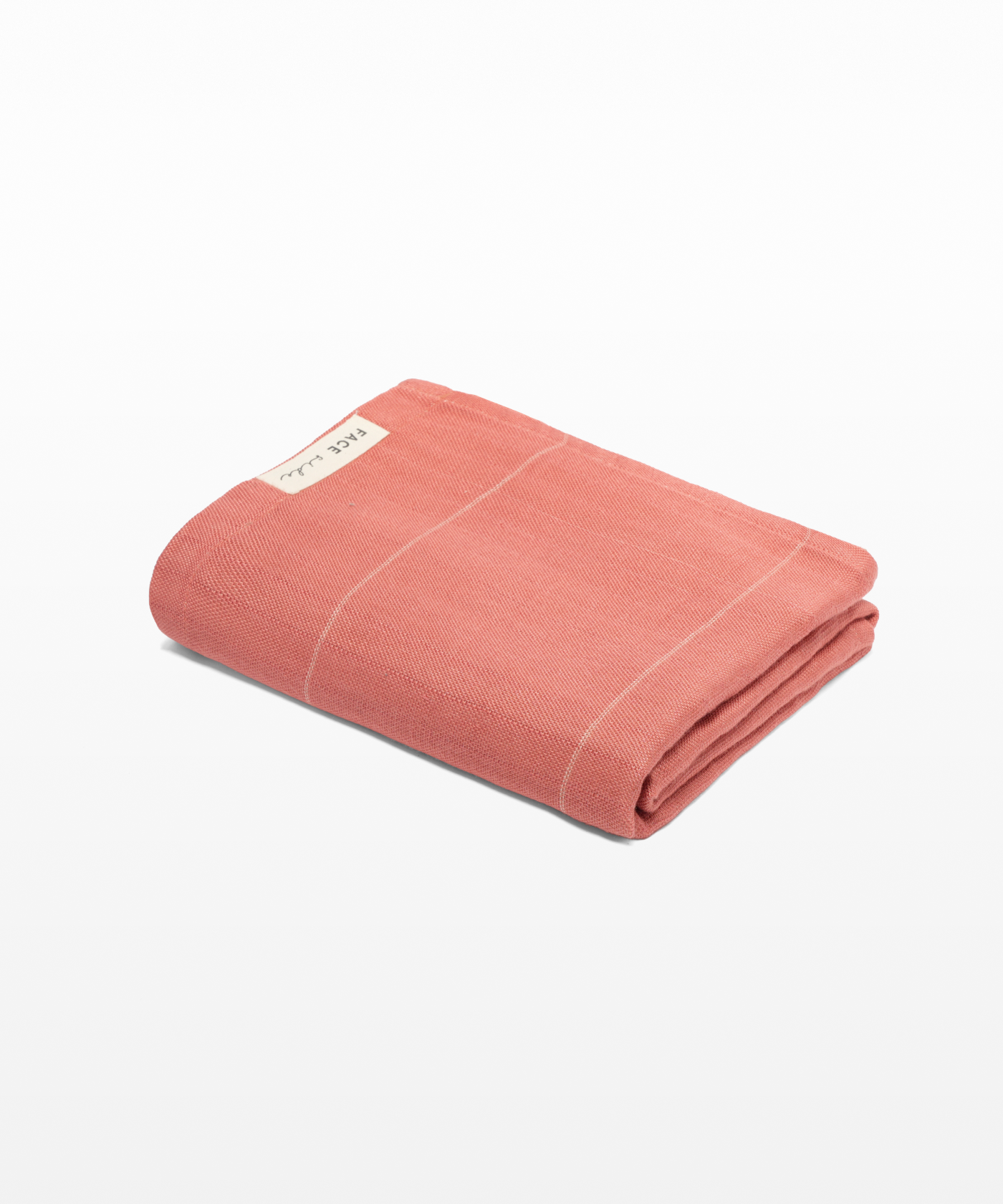
Doctor Towels was built around the idea that the drying step deserves the same attention people already give to cleanser, serum, and moisturizer. That is especially useful in a Bathroom Towels conversation because the problem is often not dramatic misuse. It is routine autopilot.
A skincare-first towel brand gives readers a different way to think about this category. Instead of treating every towel as interchangeable, it treats face contact as its own step with its own standard. That standard is simple: lower friction, more intentional use, and a habit that supports the skin rather than competing with the rest of the routine.
The product should be understood as part of a gentle skincare routine, not as a cure. It belongs in the routine because it helps people stop treating the towel step like random bathroom overflow. That shift matters for anyone whose face reacts more quickly than the rest of their body to texture, reuse, or inconsistent drying habits.
Bathroom Towels still have a role. They are useful household basics. The point is that facial skin often needs more intention than a general bathroom staple can offer once the towel starts doing too many different jobs. Doctor Towels exists for people who want the final step after cleansing to feel more deliberate, calmer, and more aligned with a skincare-first mindset.
The Bottom Line
Bathroom Towels are not automatically a skin problem. They become one when convenience keeps pushing the same towel into too many roles and the face ends up getting the roughest version of that history.
If your skin often feels irritated after drying, if the towel keeps staying in use longer than it should, or if the face is getting whatever towel happens to be nearby, the routine probably needs a clearer structure. A more dedicated towel habit can reduce one overlooked source of friction without making the routine complicated.
That is the real takeaway. Bathroom Towels work best when they stay in the role they were meant to play. Facial skin often needs a more deliberate final contact than a shared bathroom staple can provide.
For sensitive or acne-prone skin, that distinction matters. The towel does not need to be dramatic to become a problem. It only needs to be convenient enough that nobody notices when it starts doing too much.
Medical Sources & Further Reading
- American Academy of Dermatology - How to treat acne - https://www.aad.org/news/how-to-treat-acne
- American Academy of Dermatology - DIY acne treatment - https://www.aad.org/public/diseases/acne/diy
- PubMed - Acne mechanica - https://pubmed.ncbi.nlm.nih.gov/123732/
- PubMed - Inner thigh friction as a cause of acne mechanica - https://pubmed.ncbi.nlm.nih.gov/30883890/