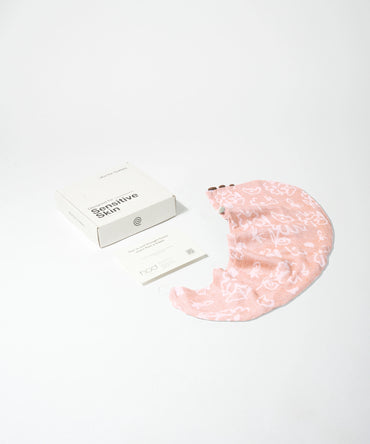
Towel Hygiene
Bathroom Face Towels: The Hygiene Shortcut That Can Follow You Into Your Skincare Routine
Bathroom Face Towels seem harmless because they live near the sink, but where and how they dry can quietly change how your skin feels after cleansing.

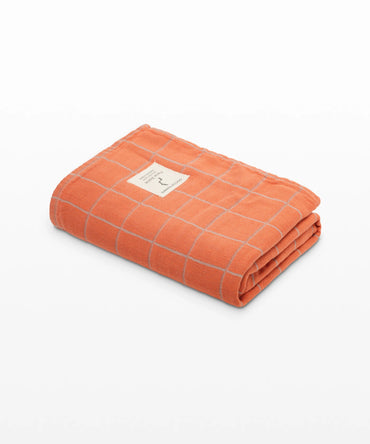
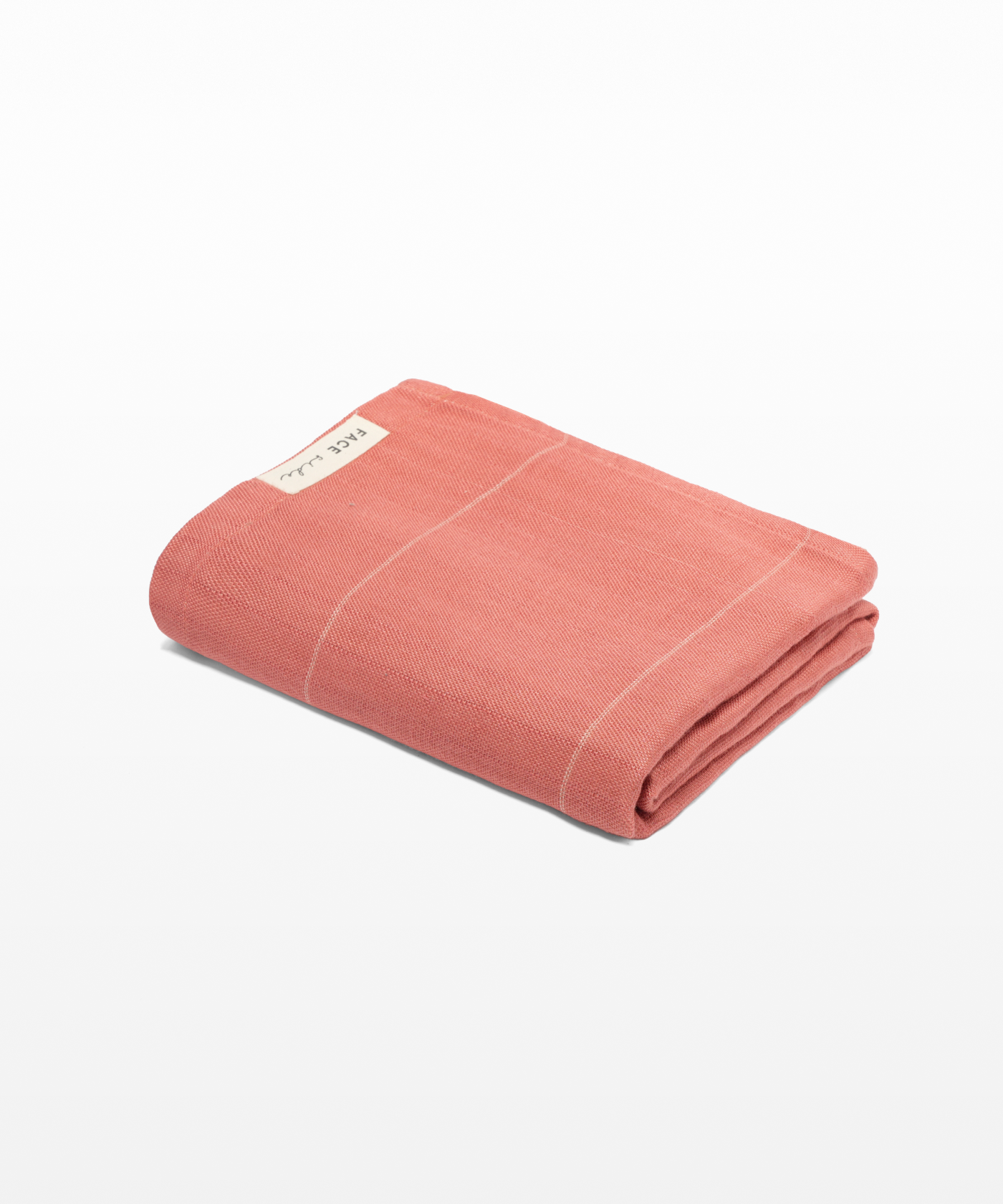
Face Towels
A relevant collection path for readers comparing towel hygiene.
View collectionBathroom Face Towels usually feel like the cleanest towels in the house. They live near the sink, get used after face washing, and often look fine between uses. That visual familiarity is part of the problem. When a towel hangs in the bathroom every day, it starts to feel automatically safe for the skin even when the routine around it is not especially thoughtful.
For people with acne-prone or sensitive skin, the face-drying step deserves more scrutiny than that. The skin is freshly cleansed, sometimes damp from warm water, sometimes exposed to actives, and often more reactive than it was a few minutes earlier. At that moment, a Face Towel is not just a bathroom accessory. It is the final tool touching the skin before moisturizer, treatment, or sunscreen.
That is why Bathroom Face Towels deserve an educational reset. The issue is not that a towel hanging in a bathroom is inherently bad. The issue is that bathroom habits can make the towel less skin-friendly over time. Moisture lingers. Hands touch it. The same cloth gets reused for several routines. The towel may be soft enough in theory but still encourage too much rubbing in practice.
For people comparing Bathroom Face Towels, Towels For Face, or even Small Towels For Face, the real decision should not be only about size or absorbency. It should also be about hygiene, friction, and whether the towel supports a calmer skincare routine.
The Problem They Didn’t Know They Had
Most people troubleshoot their skincare in the obvious order. They review cleanser, moisturizer, sunscreen, diet, sleep, and actives. If the skin feels worse after washing, they usually assume the face product is too strong or the weather changed. The towel rarely gets questioned first.
That blind spot is understandable. A Face Towel looks passive. It sits there. It dries water. It does not feel like a product. But repeated towel contact is still repeated contact. If the skin feels tight, hot, more irritated, or more breakout-prone after drying than after cleansing, the towel step belongs in the conversation.

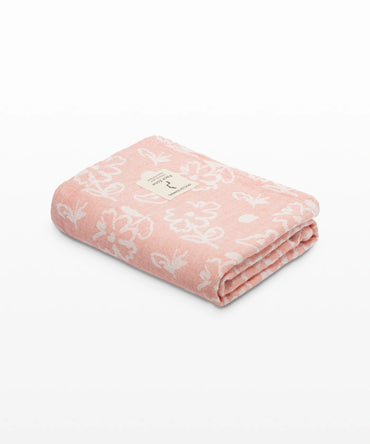
Sensitive Skin Towels
A relevant collection path for readers comparing towel hygiene.
View collectionBathroom routines create a few specific problems. The towel may stay in a humid room and dry slowly. It may be touched by hands before and after cleansing. It may be used on the face, then on wet hands, then on the face again later. It may also become the cloth people reach for automatically, even when it no longer feels truly fresh.
This is especially relevant when shoppers search for Bathroom Face Towels because they are trying to make the face-drying step more intentional. They often already sense that not every towel belongs on facial skin. They may not use words like skin barrier or acne mechanica, but they recognize a routine mismatch.
The Science Behind The Problem
Official dermatology guidance repeatedly favors gentler drying, not more aggressive drying. The American Academy of Dermatology advises people with acne-prone skin to avoid scrubbing because abrasion can irritate the skin. Dermatologists also recommend patting dry with a clean towel rather than rubbing, especially when skin is dry, sensitive, or easily irritated.
That matters because the towel step is mechanical. Even a clean towel can create friction if it is dragged over the skin with pressure. PubMed literature on acne mechanica describes how pressure, friction, rubbing, and occlusion can aggravate acneiform eruptions. A bathroom towel is not the same as sports gear or tight clothing, but the underlying principle still applies: repeated mechanical stress can become part of the irritation picture.
There is also a freshness issue that is less dramatic but still practical. A towel hanging in a humid bathroom can stay damp longer than people expect. It can also pick up residue from cleansers, skin oils, makeup removal, and repeated hand contact. None of that means the towel is automatically unsafe. It means the towel is not neutral forever just because it still looks clean from across the room.
This is why Towels For Face need a different standard than ordinary bathroom towels. The skin on the face is more visible, often more reactive, and more likely to show irritation quickly. The towel used there should support that reality.
The Mechanisms - How It’s Actively Hurting You
Slow Drying Changes How The Towel Feels On Skin
Bathrooms are full of heat and humidity. After showers, sink use, and regular hand washing, the room can stay moist longer than people think. A towel that never fully dries between uses often feels heavier, flatter, or slightly stale even when it is not obviously dirty.
For the skin, that matters because the post-cleanse step works best when the towel feels fresh and dry, not half-recovered from the last use. A towel that stays damp can make the routine feel less crisp, and that matters more on the face than on most other body areas.
Repeated Hand Contact Adds More Residue Than People Notice
Bathroom Face Towels are often used after washing hands, before skin care, after rinsing the face, or while applying products. That means the same towel may collect water, oil, cleanser residue, and whatever else is still on the hands during the routine. Over time, the cloth becomes a catch-all.
Again, the point is not fear. The point is clarity. The more a towel does, the less dedicated it becomes to one job. Sensitive or acne-prone skin usually does better when the Face Towel has a narrow job and a cleaner rotation.
Bigger Or Rougher Towels Invite Rubbing
Some people buy Towels For Face with the right intention but still use them like body towels. They scrub quickly because they are in a hurry. They drag the towel across the cheeks, nose, and jawline because that is how most people learned to dry off. The problem is not only the fabric. It is the movement.
AAD guidance on dry skin and acne both point toward gentler handling. Patting gives the skin less friction than rubbing. That matters whether the issue is dryness, visible irritation, or active breakouts.
The Towel Can Reintroduce The Wrong Things At The Wrong Time
The face is often freshly washed right before treatment serums, moisturizers, or acne products go on. If the towel used in that moment is carrying yesterday’s dampness, cleanser traces, or residue from repeated bathroom use, the routine becomes less controlled. That does not guarantee a breakout or a flare. It just adds more noise to a step that should feel clean and predictable.
Small Towels For Face can help here because they make it easier to assign one towel to one purpose. But size alone is not the answer. The routine still matters.
Customer Language - What Real People Were Dealing With
People usually describe this problem in everyday terms. They say, “my skin feels irritated after drying my face,” or “using the same face towel every day made my skin feel gross,” or “my routine was fine except my towel felt rough on active breakouts.” That language appears all over skincare forums because the towel issue is felt before it is explained.
Another common pattern is confusion. Someone buys a better cleanser, washes carefully, and still feels like the skin looks redder after the routine. Or they notice that the towel by the sink always seems a little damp but keep using it because it is convenient. They are not making a reckless choice. They are just treating the towel as invisible.
That is why Bathroom Face Towels are such a useful content topic. They let people understand why a normal bathroom habit can feel out of sync with a skincare-aware routine. The towel may not be the whole problem, but it can absolutely be part of the problem.
Actionable Habits - What To Actually Do
1. Give Your Face Towel One Job
If possible, use a Face Towel only for your face. Do not let it become the cloth for wet hands, cleanup, or post-shower body drying. A towel with one job is easier to keep in a better state for skin contact.
2. Rotate Bathroom Face Towels More Often
Do not wait for the towel to smell obviously off. If it still feels damp, flattened, or not fully fresh, swap it out. Frequent rotation matters more than trying to guess whether one more use is still fine.
3. Let The Towel Dry Fully Between Uses
Spread the towel out rather than bunching it on a hook. Airflow matters. If your bathroom stays humid, be extra aware of whether the towel is actually drying. A cleaner-feeling routine usually starts with a drier towel.
4. Pat Instead Of Scrub
Press and lift water off the skin. Do not drag the towel across active breakouts or dry patches. This is one of the simplest ways to reduce friction without changing anything else in the routine.
5. Compare How Your Skin Feels When The Towel Changes
If you are troubleshooting irritation or breakouts, change the towel variable on purpose for one week. Use a fresh face-only towel more often, keep it dry between uses, and pat instead of rubbing. If you are also working through how to keep towels fresh without washing daily, this is the practical test that tells you whether your bathroom towel habits are helping or getting in the way.
6. Get Professional Care For Persistent Acne Or Irritation
If breakouts, stinging, redness, or dryness keep showing up despite gentler habits, talk with a dermatologist. A towel can influence the routine, but it cannot diagnose the skin.
Why Doctor Towels Was Built For This
Doctor Towels is positioned as a skincare-first towel brand, which is exactly the right frame for Bathroom Face Towels. The content point is not that ordinary towels are disastrous. The content point is that the face-drying step deserves the same thoughtful standard as the rest of a skincare routine.
That matters for readers searching Towels For Face because they are often looking for a better habit, not just a different fabric. They want lower-friction drying, a cleaner-feeling routine, and a towel that makes sense next to cleanser and moisturizer instead of behaving like a leftover bathroom cloth.
The brand should still be described carefully. Doctor Towels is not a cure for acne, irritation, or sensitivity. It is part of a gentle routine. That education-first framing is what keeps the product discussion useful and credible.
The Bottom Line
Bathroom Face Towels are easy to overlook because they look normal. But what matters is not only how they look. It is how they dry, how often they are rotated, how many jobs they do, and how much friction they create on the skin after cleansing.
If you want a gentler routine, treat the towel step like it counts. Use a dedicated Face Towel, rotate it more often, let it dry fully, and pat instead of rubbing. Those are small habits, but the face-drying step is a small habit that repeats every day. That is exactly why it can change how your skin feels.
Medical Sources & Further Reading
- American Academy of Dermatology - How to treat acne - https://www.aad.org/news/how-to-treat-acne
- American Academy of Dermatology - DIY acne treatment - https://www.aad.org/public/diseases/acne/diy
- American Academy of Dermatology - Dermatologists’ top tips for relieving dry skin - https://www.aad.org/diseases/a-z/dry-skin-self-care
- PubMed - Acne mechanica - https://pubmed.ncbi.nlm.nih.gov/123732/

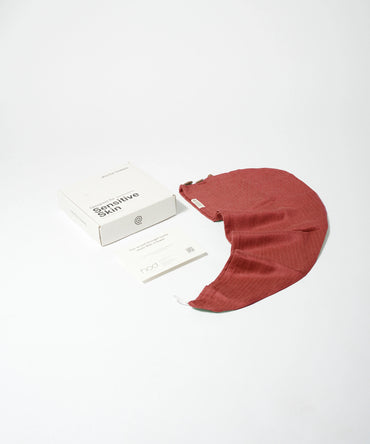
Doctor Towels Aluvera Handkerchief Pack
A relevant product path for readers comparing towel hygiene.
View product