Tips and DIY on Skincare, Wellness, Personal Hygiene

Bamboo Face Towels: What Bamboo Changes And What Still Comes Down To Your Drying Habit

Face Towels Acne

Bamboo Face Towels: What Bamboo Changes And What Still Comes Down To Your Drying Habit

Bamboo Face Towels attract attention because the material sounds gentler, but the better question is what bamboo changes and what still depends on how you use the towel.

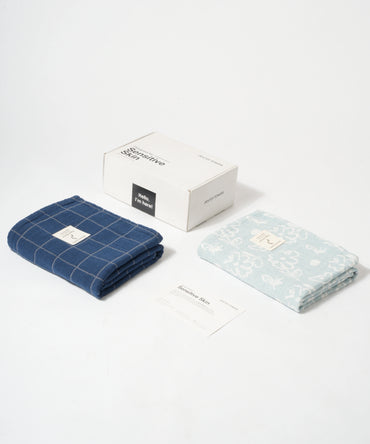
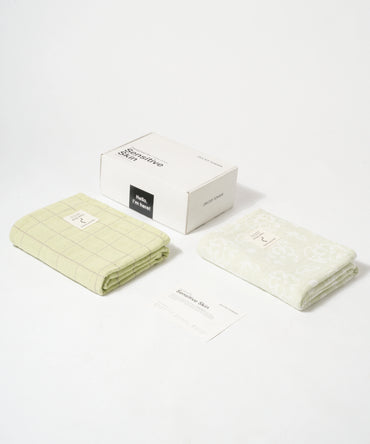
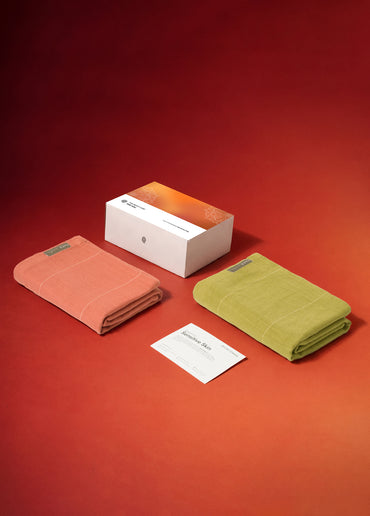
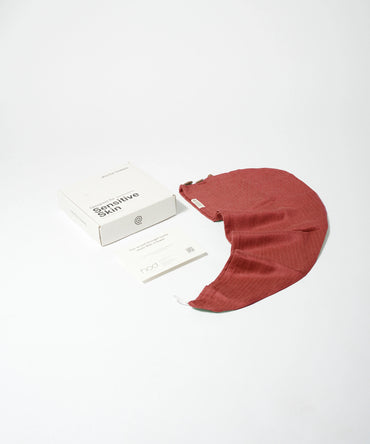
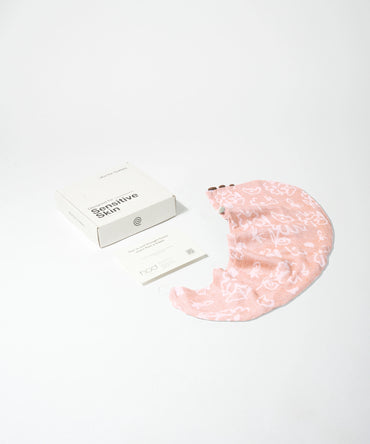
Doctor Towels Acne-Reduction Pack preview
Top recommendation

Doctor Towels Acne-Reduction Pack

A relevant product path for readers comparing face towels & acne.

View product

Bamboo Face Towels appeal to a specific kind of shopper. It is usually someone who already knows that not every towel feels the same on the skin and wants to make a smarter material choice. The interest makes sense. Fiber choice can change softness, absorbency, thickness, and the way a towel feels after repeated washing. But material alone does not solve the whole face-drying problem.

That is the important reset. A towel can sound more skin-friendly on paper and still create friction in practice if it is rubbed too hard, reused while damp, or treated like a general bathroom cloth. For acne-prone or sensitive skin, the face-drying step is shaped by both the material and the habit around the material.

This is why Bamboo Face Towels deserve a calmer, more educational explanation. The goal is not to hype bamboo as a miracle answer or dismiss it as meaningless. The goal is to understand what bamboo may change in the user experience and what still comes down to hygiene, rotation, and the way the towel touches the face.

When skin is already reactive, clear expectations matter. A better routine comes from reducing unnecessary stress, not from expecting one material to rescue a careless habit.


The Problem They Didn’t Know They Had

People often shop for a better towel because something in the routine already feels off. Their skin feels irritated after drying. A regular towel seems too rough around active breakouts. The face feels cleaner right after washing but less comfortable once the towel touches it. At that point, it is natural to look toward material and ask whether bamboo might be a better fit.

The hidden problem is that many people ask the right question only halfway. They ask what the towel is made of, but they do not ask how the towel is being used. If a towel stays damp in the bathroom, dries hands and face interchangeably, or gets dragged across the skin with pressure, the routine can still feel harsh no matter what fiber label is attached to it.

Face Towels preview
Middle recommendation

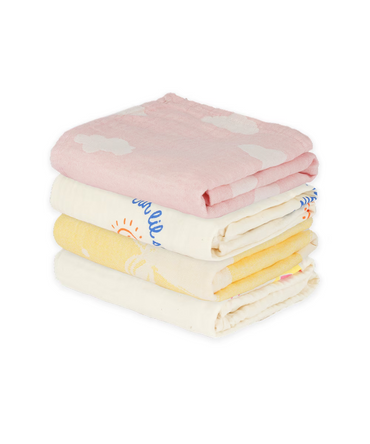
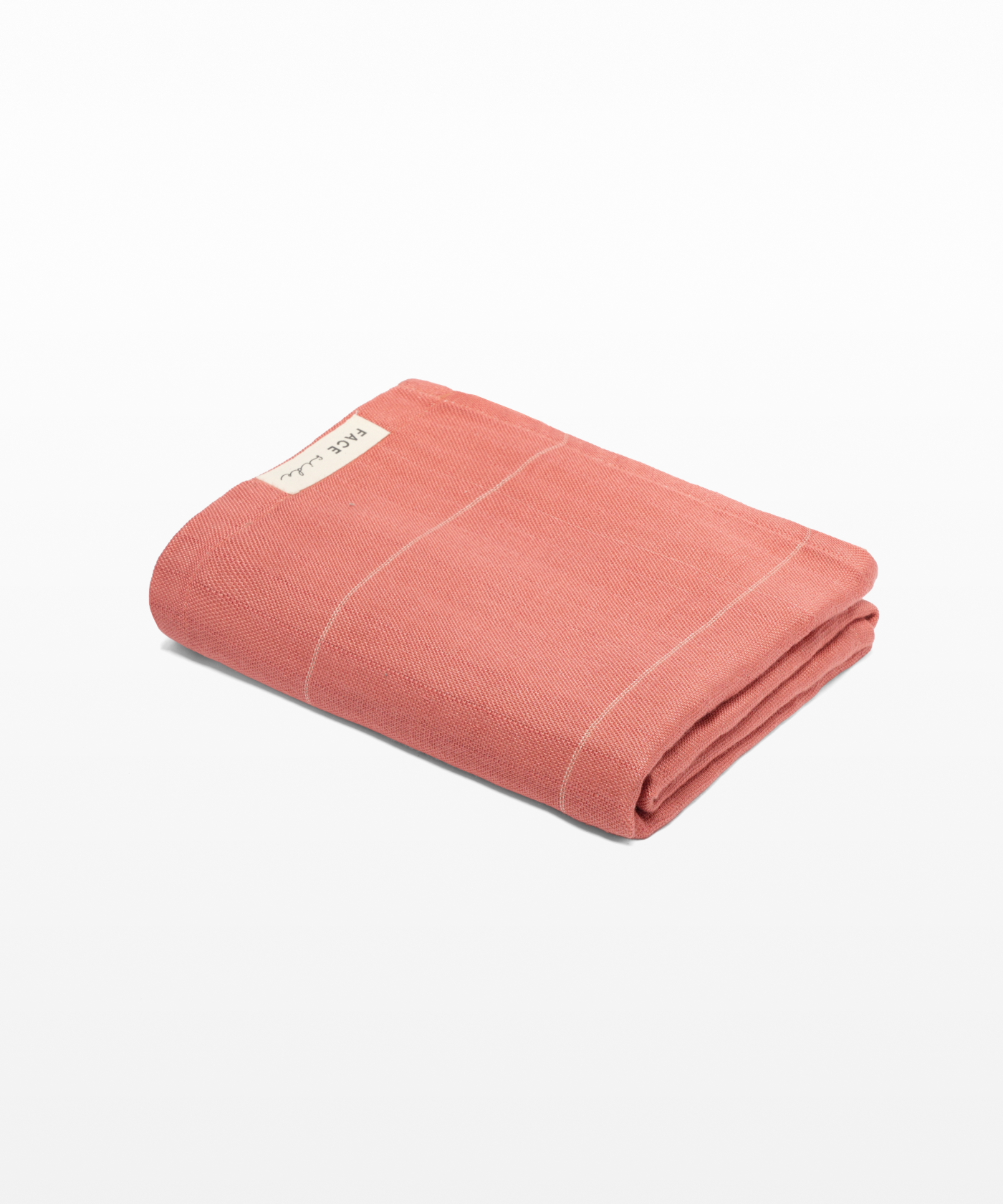
Face Towels

A relevant collection path for readers comparing face towels & acne.

View collection

Bamboo Face Towels are therefore best understood as a potentially helpful input, not a full solution. Material can influence feel. Habit determines whether that feel actually reaches the skin in a useful way day after day.

That distinction matters because shoppers often want certainty. They want to know whether bamboo is “better.” A more honest skincare-first answer is that bamboo may suit some people, but the benefit only shows up when the whole drying habit becomes more intentional.

There is also an expectation trap here. Once a towel sounds more advanced, people sometimes assume it can compensate for weak routine habits. In reality, a material choice only performs as well as the way it is used. If the towel keeps living in the same humid corner and doing the same shared jobs, the skin may not experience much of the benefit the shopper expected.


The Science Behind The Problem

Dermatology guidance does not typically tell people to chase one trendy towel fiber. It tells them to reduce irritation. The American Academy of Dermatology recommends gentle, non-abrasive care for acne-prone skin and warns against scrubbing. That means the key question is still friction: how much pressure, rubbing, and repeated contact the skin experiences after cleansing.

PubMed literature on acne mechanica reinforces the same principle. Friction, pressure, and rubbing can aggravate acneiform eruptions. Those mechanisms can apply regardless of whether the towel is cotton, bamboo-based, or another blend. Material may influence the sensation of the towel, but the physical behavior of drying still matters.

This is why Bamboo Face Towels should be evaluated in real use rather than by marketing language alone. Does the towel feel softer on the face? Does it stay pleasant after washing? Does it encourage gentler drying? Does it make you more likely to keep a face-only rotation? Those are practical questions with skincare value.

The scientific takeaway is not “bamboo fixes acne.” The takeaway is that lower-friction, more intentional contact supports skin better than rougher, more careless contact. If bamboo helps a person maintain that, it may be useful. If the habit stays poor, the material alone cannot compensate.


The Mechanisms - How It’s Actively Hurting You

Material Expectations Can Hide A Bad Routine

Once someone buys Bamboo Face Towels, it is easy to assume the towel problem has been solved. That confidence can hide the real issue if the towel is still being reused too long, kept in a damp bathroom, or rubbed over the skin too aggressively.

A Softer Feel Does Not Cancel Friction

Even a towel that feels nicer in the hand can still create irritation if it is dragged across the cheeks, chin, and jawline with pressure. Softer material may reduce some discomfort, but it does not make rough technique irrelevant.

One Good Fiber Choice Can Turn Into A Multi-Use Bathroom Cloth

If the towel starts out as a face-only purchase but ends up drying hands, catching sink splashes, and hanging around for repeated uses, its best material qualities matter less. The more general-purpose the towel becomes, the less skincare-specific the routine feels.

People Often Miss The Difference Between Fabric And Freshness

A towel can have a pleasant texture and still not feel fresh enough for the face if it never fully dries. That is why some people switch materials and still do not love the result. What they were really reacting to was not only fiber. It was the whole drying environment.


Customer Language - What Real People Were Dealing With

Customer language around this topic usually blends hope with frustration. People want something softer, calmer, and more routine-friendly. They say things like, “my towel felt rough on active breakouts,” or “my skin feels irritated after drying my face,” or “I wanted a towel that felt like it belonged in my skincare routine.” Those are not requests for luxury. They are requests for less irritation.

There is also a common material myth in how people talk about towels. They often assume the right fabric will automatically behave the right way in the routine. But many still end up disappointed because the towel stays in the same bathroom conditions and the same habits keep repeating. The result is confusion: the towel was supposed to feel better, so why does the routine still feel off?

That is where a more honest conversation helps. Bamboo Face Towels may be a reasonable option for someone prioritizing a gentler feel, but they still need proper rotation, full drying between uses, and face-only handling if the goal is calmer skin.

In other words, the skin cares about the full experience, not only the material story. The best fiber choice is the one that still supports good habits after a normal week of use, not only the one that sounds the most promising on day one.


Actionable Habits - What To Actually Do

1. Evaluate Bamboo In Real Routine Conditions

Do not judge Bamboo Face Towels only when they are new and dry out of the package. Judge them after repeated washing, after normal bathroom drying, and after real use on the face. The material has to work in the life you actually live.

2. Keep The Towel Face-Only

If you want to know whether bamboo helps your skin, give the towel one job. Once it becomes a shared bathroom cloth, it is harder to tell whether the material choice is helping at all.

3. Pat Dry Instead Of Testing The Material With Rubbing

Many people unintentionally “test” a towel by rubbing it harder across the skin. That only increases friction. Patting is a better method because it lets the towel do its job without turning the towel step into another irritation event.

4. Rotate Before The Towel Feels Stale

Even a towel with a pleasant texture loses value for facial skin if it is reused too long. Change it before it feels damp, flat, or not fully fresh.

5. Compare Material Choice With Habit Change

If you switch to Bamboo Face Towels, change one habit at the same time: earlier rotation, face-only use, or gentler pat drying. That gives you a cleaner comparison. It also pairs well with a deeper look at articles like silver infused vs zinc embedded towels for skin, where the core lesson is the same: material matters, but use conditions matter just as much.

6. Get Professional Guidance For Ongoing Acne Or Sensitivity

If your skin keeps flaring despite gentler towel habits, a dermatologist should be part of the plan. Towels can influence irritation, but they do not explain every persistent skin concern.


Why Doctor Towels Was Built For This

Doctor Towels is positioned as a skincare-first towel brand, which makes the conversation around Bamboo Face Towels less about trend language and more about routine fit. The central idea is simple: the towel touching your face should be chosen and used like part of your skincare system, not like an afterthought from the linen cupboard.

That framing is useful because it prevents exaggerated expectations. Doctor Towels is not presented as a cure, and it should not be. It belongs in the same discussion as lower-friction habits, dedicated face-only use, and a more intentional post-cleanse routine. That is the level where towel choice becomes credible and practical.

For readers who want the brand’s own materials, Doctor Towels provides a public research page and a testing report. The more important takeaway is that fiber choice is only one part of the story. The best towel is the one that supports the gentler routine your skin has been asking for.

That makes the face-drying step feel less like guesswork and more like a deliberate habit.


The Bottom Line

Bamboo Face Towels may be worth considering if you want a towel that feels gentler on the face, but the material itself is not the whole answer. The benefit only becomes real when the towel is used with good habits: face-only handling, full drying between uses, earlier rotation, and less rubbing.

If your skin feels worse after drying than it should, do not ask only whether bamboo is better. Ask whether your whole towel routine is better. That question usually gets closer to the truth.

The towel step does not need hype. It needs clarity, consistency, and a fabric choice that supports the routine instead of distracting from it.


Medical Sources & Further Reading

  • American Academy of Dermatology - How to treat acne - https://www.aad.org/news/how-to-treat-acne
  • American Academy of Dermatology - DIY acne treatment - https://www.aad.org/public/diseases/acne/diy
  • PubMed - Acne mechanica - https://pubmed.ncbi.nlm.nih.gov/123732/
  • PubMed - Inner thigh friction as a cause of acne mechanica - https://pubmed.ncbi.nlm.nih.gov/30883890/
Doctor Towels Acne-Reduction Pack preview
Bottom recommendation

Doctor Towels Acne-Reduction Pack

A relevant product path for readers comparing face towels & acne.

View product
Doctor Towels Acne-Reduction PackView

Small Towels For Face: Why A Smaller Towel Can Make A Skin-Care Routine Easier To Keep Clean

Towel Hygiene

Small Towels For Face: Why A Smaller Towel Can Make A Skin-Care Routine Easier To Keep Clean

Small Towels For Face are not only about convenience. Their real advantage is that they can make a face-drying routine easier to keep dedicated, fresh, and gentle.

Face Towels preview
Top recommendation

Face Towels

A relevant collection path for readers comparing towel hygiene.

View collection

Small Towels For Face may look like a minor upgrade, but the size of a towel can change how a routine actually works. A large towel gets reused because it seems wasteful to change it too often. It gets folded over to find a dry corner. It ends up drying hands, face, and whatever else happens to be nearby. A smaller towel often pushes people toward a different habit: one towel, one job, one easier rotation.

That matters more than it sounds. The face-drying step happens right after cleansing, when skin is damp, more reactive, and more likely to notice friction. If the towel touching the face is also the towel carrying the whole bathroom day on it, the routine stops feeling as clean and controlled as it should.

This is why Small Towels For Face deserve a proper skincare lens. The question is not whether smaller is automatically better. The question is whether a smaller towel makes it easier to build a dedicated face-only habit that feels fresher, gentler, and more consistent from one wash to the next.

For people with acne-prone or sensitive skin, that kind of consistency matters. A towel is not treatment. But it is part of the environment touching the skin every day, and daily contact shapes how routines feel.


The Problem They Didn’t Know They Had

Most people do not struggle because they chose the wrong towel once. They struggle because the towel habit stays vague. The towel by the sink gets reused for too long. The face gets dried with whatever section still feels dry. The same cloth touches hands, the face, and sometimes the counter without anyone thinking twice about it. Over time, the habit becomes more convenient than intentional.

That vagueness creates a problem for skin that already reacts easily. If the routine feels fine some days and rougher on others, people usually blame cleanser strength or weather before they blame the towel rotation. But a towel that is too big for the job often stays in circulation longer than it should, simply because it still looks usable.

Doctor Towels Aluvera Handkerchief Pack preview
Middle recommendation

Doctor Towels Aluvera Handkerchief Pack

A relevant product path for readers comparing towel hygiene.

View product

Small Towels For Face can solve part of that by making the boundary clearer. A smaller towel naturally feels more specific. It is easier to dedicate to the face, easier to swap out, easier to keep in a clean stack, and less likely to turn into a shared bathroom cloth by accident.

That does not mean the size alone fixes the problem. It means the size can support a better habit. And for acne-prone or sensitive skin, better habits around friction and cleanliness are often what matter most.

Another overlooked part of the problem is decision fatigue. If every towel feels multi-purpose, people keep making small judgment calls about whether a towel is still okay for the face. A smaller dedicated towel reduces those judgment calls. It turns the routine into something simpler: this towel is for my face, it has a shorter rotation, and I do not need to debate whether it is still fresh enough.


The Science Behind The Problem

Dermatology guidance consistently favors gentle, non-abrasive skin handling. The American Academy of Dermatology warns that scrubbing can irritate acne-prone skin, and that principle extends beyond cleanser choice. The fabric touching the face after washing can either keep the routine gentle or reintroduce mechanical stress at the finish line.

PubMed reports on acne mechanica reinforce that friction, rubbing, and repeated pressure can aggravate acneiform eruptions. A towel does not have to be visibly rough to create a problem. If it is dragged across the same areas with pressure, used too aggressively on inflamed breakouts, or reused in a way that makes the cloth feel stale and less fresh, it can become part of the irritation picture.

This is where the size of the towel becomes practical rather than cosmetic. Small Towels For Face do not change skin biology, but they can change behavior. A smaller towel is easier to assign to one purpose, easier to wash and rotate more often, and easier to keep out of multi-use bathroom traffic. Those behavioral advantages are meaningful because skin care is full of repeated contact, not one-time decisions.

When a routine improves because the towel step becomes more dedicated and predictable, the improvement is not magical. It is mechanical and hygienic. That is exactly the kind of change sensitive skin tends to appreciate.


The Mechanisms - How It’s Actively Hurting You

Bigger Towels Stay In Use Longer Than People Expect

A large towel often looks serviceable long after it stops feeling ideal for the face. People keep finding a dry patch and telling themselves it is still fine. That extends the life of the towel in the routine, even when the cloth no longer feels fresh enough for repeated facial contact.

A Shared Towel Loses Its Face-Only Standard

Once a towel gets large enough to feel versatile, it starts doing extra jobs. It dries hands, catches drips, and becomes part of general bathroom traffic. That is a problem for facial skin because the towel stops being a dedicated tool and becomes a shared surface.

Reaching For A Dry Corner Encourages More Rubbing

When someone is trying to find the “clean” or dry part of a larger towel, the drying motion often becomes less deliberate. The towel gets dragged, flipped, and rubbed across the face more than necessary. That adds extra mechanical contact to a step that should be quiet and controlled.

Inconsistent Towel Habits Make Skin Harder To Read

If the towel changes in freshness, pressure, and contact pattern from one use to the next, the routine becomes harder to interpret. Someone may think a new product is breaking them out when the actual difference is that the towel step has become rougher, damper, or less dedicated over time.


Customer Language - What Real People Were Dealing With

The face towel problem usually shows up in plain language. People say, “my routine was fine except my towel felt rough on active breakouts,” or “my skin feels irritated after drying my face,” or “I wanted a towel that felt like it belonged in my skincare routine.” Those are not product-review cliches. They are descriptions of a contact problem.

There is also a strong convenience theme in how people talk about towels. Many are not looking for something dramatic. They want something easier to keep clean. They want a towel that does not feel oversized for the face. They want a stack they can rotate without thinking too hard. That is why Small Towels For Face have such a practical appeal. The size itself becomes a routine tool.

Another common frustration is the feeling that the towel by the sink is never obviously dirty enough to throw into the wash, but never quite fresh enough to feel ideal on the skin. That middle zone is where a lot of face-drying routines quietly go wrong. A smaller towel helps because it makes replacement feel normal rather than excessive.

In skincare terms, that is useful because anything that makes a good habit easier to repeat has real routine value. People do not need a towel system that feels perfect on paper and impossible in daily life. They need one that fits mornings, evenings, rushed schedules, shared bathrooms, and the reality that the face towel will only stay skin-friendly if it is easy to manage.


Actionable Habits - What To Actually Do

1. Keep A Separate Stack Just For The Face

If you use Small Towels For Face, let them stay face-only. Do not mix them into the general bathroom towel cycle. A dedicated stack makes rotation easier and removes guesswork from the routine.

2. Change The Towel Before It Feels Questionable

Do not wait for obvious odor or visible buildup. If the towel feels damp, flattened, or no longer fully fresh, swap it out. Smaller towels work best when they make earlier replacement easy, not when they are stretched into longer use.

3. Pat In Sections Instead Of Dragging The Towel Around

Use the towel to press and lift moisture away from the forehead, cheeks, chin, and jawline. The smaller format makes that easier because it encourages more deliberate movements instead of broad rubbing.

4. Avoid Letting A Face Towel Drift Into Hand-Towel Duty

Once a face towel starts drying hands or cleaning up sink water, it stops being a dedicated face tool. Protect the boundary. That one habit does a lot of the work.

5. Use Size To Support Hygiene, Not To Replace Hygiene

Small Towels For Face are helpful because they make good habits easier, not because small fabric is somehow inherently skin-saving. If you are also working on how to keep towels fresh without washing daily, the main takeaway is the same: airflow, rotation, and intentional use still matter.

6. Escalate To Dermatology Care If Skin Remains Reactive

If acne, redness, or ongoing irritation keeps returning, get professional advice. A better towel habit can reduce one routine stressor, but it cannot replace an expert evaluation.


Why Doctor Towels Was Built For This

Doctor Towels is positioned as a skincare-first towel brand, which makes sense in the context of Small Towels For Face. The face-drying step is often treated like the least important part of the routine even though it happens after every cleanse. A brand built around the idea that this step deserves more intention fits that problem well.

The product role should still stay modest and clear. Doctor Towels is not presented as a cure for acne or sensitivity. It is part of a gentler routine. That means treating the towel like a skincare tool: keeping it dedicated, using it with less friction, and making it easier to rotate before it starts feeling stale.

Readers who want to review the brand’s own materials can look at the Doctor Towels research page and testing report. But the bigger lesson is routine design. A towel that is easier to keep face-only, fresh, and deliberate is often a better fit for sensitive or acne-prone skin than one oversized cloth that tries to do everything.

That is what makes the size conversation meaningful. The size supports the habit, and the habit supports the skin.


The Bottom Line

Small Towels For Face can be useful because they make a dedicated face-drying routine easier to maintain. They encourage faster rotation, clearer separation from hand towels, and more deliberate drying with less rubbing. Those are practical advantages, not marketing abstractions.

If your skin often feels worse after drying than it did after washing, the towel step may be one of the easiest parts of the routine to improve. Choose a smaller face-only towel, rotate it sooner, and treat the drying step like it counts.

The towel does not need to be the star of your skincare routine. It just needs to stop quietly making the routine harder on your skin.


Medical Sources & Further Reading

  • American Academy of Dermatology - How to treat acne - https://www.aad.org/news/how-to-treat-acne
  • American Academy of Dermatology - DIY acne treatment - https://www.aad.org/public/diseases/acne/diy
  • PubMed - Acne mechanica - https://pubmed.ncbi.nlm.nih.gov/123732/
  • PubMed - Inner thigh friction as a cause of acne mechanica - https://pubmed.ncbi.nlm.nih.gov/30883890/
Sensitive Skin Towels preview
Bottom recommendation

Sensitive Skin Towels

A relevant collection path for readers comparing towel hygiene.

View collection
Face TowelsView

Towels For Face: What Actually Makes A Face-Drying Towel Better For Sensitive Or Acne-Prone Skin

Face Towels Acne

Towels For Face: What Actually Makes A Face-Drying Towel Better For Sensitive Or Acne-Prone Skin

Towels For Face are not only about softness. The better question is whether the towel helps your skin feel calmer after cleansing instead of more irritated.

Doctor Towels Acne-Reduction Pack preview
Top recommendation

Doctor Towels Acne-Reduction Pack

A relevant product path for readers comparing face towels & acne.

View product

Towels For Face sound like a simple shopping category, but the real issue is not whether a towel looks small or soft on a product page. The real issue is what happens in the few seconds after cleansing, when your skin is damp, more exposed, and about to meet fabric. That is where a Face Towel can either support your routine or quietly make it feel rougher, dirtier, and less predictable.

People with acne-prone or sensitive skin usually spend far more time thinking about cleansers, serums, and sunscreen than they spend thinking about the towel step. That is understandable. A towel does not feel like a skin-care product. But it is still a repeated contact surface, and repeated contact surfaces matter. If your skin often feels tight, hot, or irritated after drying, the towel deserves more scrutiny than it usually gets.

This is why Towels For Face should be evaluated like part of a routine, not like a generic bathroom extra. A better towel is not a cure. It does not replace dermatology care, and it does not fix acne by itself. What it can do is make the final step after cleansing gentler, cleaner-feeling, and more consistent.


The Problem They Didn’t Know They Had

Many people start troubleshooting the wrong end of the routine. They change cleanser, cut out actives, add barrier creams, or blame the weather. Meanwhile, the same towel keeps touching the face two or three times a day with almost no attention paid to how it feels, how often it is rotated, or whether it has become the roughest part of the whole routine.

That blind spot makes sense because towels feel ordinary. They live next to the sink, they dry water, and they do not ask to be noticed. But for acne-prone and sensitive skin, ordinary contact is still contact. If the towel is rubbed across active breakouts, reused while still damp, or used for the face after doing three other jobs in the bathroom, it stops being neutral.

This is where people start saying things like, “my skin feels irritated after drying my face,” or “using the same face towel every day made my skin feel gross,” or “I never thought my towel could be part of the problem.” That customer language matters because it describes a routine mismatch. The skin may already be working hard to stay calm. The towel step can either respect that or keep stressing it.

Face Towels preview
Middle recommendation

Face Towels

A relevant collection path for readers comparing face towels & acne.

View collection

When people search for Towels For Face, they are often trying to solve exactly that mismatch. They may not be asking a medical question. They are asking a habit question: what kind of towel belongs in a skincare routine instead of just a bathroom routine?


The Science Behind The Problem

The dermatology logic is straightforward. The American Academy of Dermatology advises people with acne to avoid scrubbing and to keep care gentle and non-abrasive. That guidance is not limited to cleansers. It also applies to what touches the skin after cleansing, especially when the face has just been washed and is more vulnerable to mechanical irritation.

PubMed literature on acne mechanica adds another layer. Friction, pressure, rubbing, and occlusion can aggravate acneiform eruptions. A towel is not the same as a helmet strap or tight athletic gear, but the underlying concept still matters. Repeated mechanical stress can influence how skin feels, especially when a person already has inflamed breakouts, barrier sensitivity, or a habit of drying too aggressively.

This is why a good Face Towel should be judged on more than absorbency. The towel has to work with the skin, not against it. A rougher surface, a rushed rubbing motion, or a towel that never feels fully fresh between uses can all make the post-cleanse step less controlled than people think.

The skin does not need a miracle textile. It needs fewer unnecessary stressors. That is the right way to think about Towels For Face. The better option is the one that reduces friction, stays more intentional in use, and makes it easier to keep the face-drying step clean and calm.


The Mechanisms - How It’s Actively Hurting You

Friction Turns Drying Into Another Irritation Event

People often wash carefully and then undo some of that care by drying too aggressively. The towel gets pulled across the cheeks, nose, jawline, and chin in quick strokes because it feels faster. On already reactive skin, that repeated rubbing can leave the face looking redder or feeling hotter than it did right after washing.

A Multi-Use Towel Picks Up More Than People Realize

Many Face Towels are not truly face-only. They dry hands, wipe water from the counter, catch product drips, or get reused later in the day without much thought. That does not make them dangerous, but it does mean they carry more residue and more contact history than a dedicated towel would.

Dampness Changes The Feel Of The Towel

A towel that hangs in a humid bathroom can stay slightly wet longer than people expect. Even if it does not smell bad, it may still feel flat, cool, or stale on the skin. That kind of towel usually does not give the face the clean, fresh finish people think they are getting.

The Wrong Towel Habit Makes The Whole Routine Feel Less Predictable

When someone says their skincare routine feels inconsistent, the towel step may be part of the reason. If the face gets a different level of friction, freshness, and pressure every time it is dried, the routine becomes harder to read. That makes it tougher to know whether the actual issue is the cleanser, the treatment, or the fabric touching the skin after both.


Customer Language - What Real People Were Dealing With

People rarely describe this problem in technical terms first. They usually notice it as discomfort. Their face feels more irritated after drying. Their cheeks look flushed after washing even when the cleanser seems fine. A breakout feels calmer after cleansing but angrier after the towel touches it. Those are not dramatic observations. They are the kinds of small routine clues that matter.

The customer language in the Doctor Towels source library captures that clearly: “my face towel was giving me jawline acne,” “my skin feels irritated after drying my face,” and “I wanted a towel that felt like it belonged in my skincare routine.” These lines are useful because they frame the towel as part of a pattern, not a standalone villain.

There is also a recurring emotional pattern here. People feel frustrated because they are trying to do everything right. They use gentler cleansers. They stop scrubbing. They simplify products. Then a simple bathroom habit keeps pulling the routine backward. That is why Towels For Face can become such a meaningful search topic. The person is not only shopping. They are trying to remove one more invisible source of irritation from a routine that already asks a lot of their skin.

In other words, the towel problem often feels small until it repeats enough times to become obvious.


Actionable Habits - What To Actually Do

1. Use A Dedicated Face Towel

Give your Face Towel one job. If the same cloth is drying hands, wiping counters, and touching your face, it is doing too much. A dedicated towel helps keep the face-drying step more controlled and easier to evaluate.

2. Pat Dry Instead Of Rubbing

Press and lift water off the skin instead of dragging the towel across it. This is one of the easiest ways to reduce friction without buying anything new. It is also more aligned with dermatology advice for acne-prone and sensitive skin.

3. Rotate Towels Before They Feel Off

Do not wait for a towel to smell obviously bad. If it feels damp, heavy, flattened, or not fully fresh, swap it out. A better face-drying routine is often about earlier rotation, not only more washing.

4. Notice How Your Skin Feels After The Towel Step

Pay attention to the difference between how your skin feels after cleansing and how it feels after drying. If the discomfort shows up after the towel, that tells you where to focus next.

5. Build Your Towel Choice Around Skin Behavior, Not Only Fabric Marketing

Many people compare Towels For Face, Small Towels For Face, and other product labels as if the label alone determines whether the towel is skin-friendly. It does not. The habit matters just as much. If you are also thinking about towels for sensitive skin, the best choice is the one that helps you keep drying gentle, intentional, and fresh.

6. See A Dermatology Professional For Persistent Acne Or Irritation

If breakouts, stinging, or ongoing redness continue despite gentler habits, get professional help. A towel can affect the routine, but it cannot diagnose what is driving your skin concerns.


Why Doctor Towels Was Built For This

Doctor Towels is positioned as a skincare-first towel brand, which makes the face-drying step part of the skin-care conversation rather than an afterthought. That framing matters because a towel is still part of the environment touching the skin every day. If the goal is a calmer routine, the towel should make sense alongside cleanser, moisturizer, and barrier-aware habits.

The product conversation should stay careful and grounded. Doctor Towels is not a cure for acne or sensitivity. It is a towel brand built around the idea that the drying step deserves more attention than it usually gets. For readers looking at Towels For Face, that is a useful shift. It moves the discussion away from hype and toward routine design.

Readers who want the brand’s own materials can also review the Doctor Towels research page and testing report. The more important point, though, is how the towel fits into daily habits: lower-friction drying, a more intentional face-only rotation, and a routine that feels more skincare-aware from start to finish.

That is the right level of product role for educational content. The towel is part of the routine, not the whole answer.


The Bottom Line

Towels For Face are worth taking seriously because the towel step happens right after cleansing, when the skin is more exposed and easier to irritate. A better face towel is not only softer. It is used more intentionally, rotated sooner, and handled in a way that adds less friction to the skin.

If your routine still feels harsher than it should, the towel may be one of the easiest variables to fix. Use a dedicated Face Towel, pat instead of rubbing, and stop treating the towel like the invisible part of the routine. Small changes there can make the whole routine feel cleaner, calmer, and easier to trust.

That perspective shift is what matters most. The towel is not outside skincare. It is part of skincare whenever it touches your face.


Medical Sources & Further Reading

  • American Academy of Dermatology - How to treat acne - https://www.aad.org/news/how-to-treat-acne
  • American Academy of Dermatology - DIY acne treatment - https://www.aad.org/public/diseases/acne/diy
  • PubMed - Acne mechanica - https://pubmed.ncbi.nlm.nih.gov/123732/
  • PubMed - Inner thigh friction as a cause of acne mechanica - https://pubmed.ncbi.nlm.nih.gov/30883890/
Doctor Towels Acne-Reduction Pack preview
Bottom recommendation

Doctor Towels Acne-Reduction Pack

A relevant product path for readers comparing face towels & acne.

View product
Doctor Towels Acne-Reduction PackView