Tips and DIY on Skincare, Wellness, Personal Hygiene

Why Your Face Towel Is Breaking You Out

Why Your Face Towel Is Breaking You Out

You finally found a cleanser your skin can tolerate. You stopped over-exfoliating. You even got more careful about active breakouts. But your skin still feels irritated after drying your face, and that is where the aha moment usually hits: the towel step never felt like skincare, so it never got examined like skincare.

A lot of people say some version of, “I never thought my towel could be part of the problem.” For acne-prone skin and sensitive skin, that overlooked step can matter. If your face towel feels rough, gets reused too long, or encourages rubbing instead of gentle patting, it can add friction and irritation right after cleansing, when skin may already feel vulnerable.

This does not mean towels cause acne in a simple one-step way. It means your face-drying routine can become one more irritation trigger in a routine that is supposed to calm skin down. And when you look at what dermatology sources say about scrubbing, abrasion, and friction, the towel question starts to make a lot more sense.


The Problem They Didn’t Know They Had

Most people build a skincare routine around products.

  • Cleanser
  • Moisturizer
  • Spot treatment
  • Sunscreen

Then the routine ends with whatever towel is nearby.

That is usually the disconnect.

The towel step gets treated like a household step, not a skin step. But for acne-prone skin, the difference between patting and rubbing can matter. The difference between a dedicated face towel and a reused general towel can matter. The difference between a rough-feeling fabric and a gentler face-drying routine can matter.

The American Academy of Dermatology says dermatologists recommend gentle, non-abrasive cleansing and specifically caution that scrubbing with washcloths, sponges, and other tools can irritate acne-prone skin. That guidance is about cleansing, but the logic carries into drying too: if skin benefits from less abrasion while washing, it also makes sense to avoid adding unnecessary rubbing right after.

This is why people end up searching things like:

  • why your towel is breaking you out
  • towels cause acne
  • face towel acne
  • can a rough towel make acne worse
  • can rubbing your face with a towel make acne worse

They are usually not imagining it. They are noticing a pattern. Their routine may be mostly gentle, but the last step still feels rough on active breakouts, inflamed areas, or a stressed skin barrier.

If that sounds familiar, the issue is less about blaming one object and more about understanding mechanism. Skin does not only react to ingredients. It also reacts to contact, pressure, rubbing, and routine habits.


The Science Behind The Problem

Acne is complex. No responsible article should reduce it to one towel, one ingredient, or one habit. But dermatology sources do support something important: mechanical irritation can make acne-prone skin harder to calm.

The American Academy of Dermatology, in its acne care guidance, recommends acne-friendly skin care and dermatologist-recommended habits as a core part of acne management. That matters because it places routine behavior in the same conversation as products. Gentle technique is not a side note. It is part of the plan.

Two PubMed-indexed sources in your approved research notes are especially relevant here.

  • The study “Acne mechanica” describes how friction, pressure, rubbing, and occlusion can aggravate acneiform eruptions. This is the core idea behind towel friction acne mechanica concerns. When skin is repeatedly exposed to mechanical stress, irritation can build.
  • The study “Inner thigh friction as a cause of acne mechanica” reinforces the broader point that mechanical friction can contribute to acne mechanica in friction-prone areas. While that paper is not about the face specifically, it supports the same mechanism: repeated rubbing can become part of the problem.

Those sources do not say every towel causes breakouts. They do support a more grounded takeaway:

  • friction matters
  • rubbing matters
  • pressure matters
  • routine irritation matters

That is why a face towel acne conversation belongs in skincare, not just laundry.

The skin barrier also matters here. Even without making medical claims beyond the approved sources, it is reasonable to say that acne-prone and sensitive skin often do better with gentler habits. If your cleanser is mild but your drying step is aggressive, your routine is working against itself.

For readers who want more context around towel hygiene and routine friction, Doctor Towels also maintains a research page at https://www.doctortowels.com/pages/research-page and a testing report at https://cdn.shopify.com/s/files/1/0376/8529/7196/files/Testing_Report.pdf?v=1758528655. These brand materials should be read as product-specific resources, while the dermatology guidance above helps explain the broader skin logic.


The Mechanisms — How It’s Actively Hurting You

Friction Can Aggravate Already-Stressed Skin

The most direct mechanism is friction.

According to the PubMed-listed study “Acne mechanica”, friction, pressure, rubbing, and occlusion can aggravate acneiform eruptions. That is the medical frame behind why a rough or overly aggressive drying habit may not feel neutral on acne-prone skin.

What this looks like in real life:

  • dragging a towel across the cheeks or jawline
  • rubbing harder around active breakouts
  • using a rough-feeling towel after exfoliants or acne treatments
  • drying in a rush instead of gently patting

If you have ever thought, “my routine was fine except my towel felt rough on active breakouts,” that lines up with this mechanism. The issue is not just the towel existing. It is the rubbing, pressure, and repeated contact.

Scrubbing Habits Can Turn Drying Into Another Irritation Step

The American Academy of Dermatology advises gentle, non-abrasive cleansing and specifically warns that scrubbing with washcloths, sponges, and similar tools can irritate acne-prone skin. While that recommendation is aimed at cleansing behavior, it points to a bigger truth: skin that does not respond well to scrubbing during washing probably will not love aggressive rubbing during drying either.

That is why the answer to “can rubbing your face with a towel make acne worse” can be yes in the sense that it may increase irritation. And if your skin is already inflamed, that extra irritation is not helping.

This is especially relevant for:

  • active inflammatory breakouts
  • skin using retinoids or exfoliating acids
  • sensitive skin that flushes easily
  • a compromised or easily irritated skin barrier

Reuse Can Make The Towel Step Feel Less Clean Than You Think

A separate issue is hygiene perception and repeated use. Many people do not question whether using the same face towel every day still feels clean enough for facial skin. That is where searches like dirty towel acne, towel bacteria skin, and how often should you wash your towel come from.

Your approved medical sources do not provide a claim that towel bacteria directly causes acne in a simple, universal way, so it is important not to overstate this. But from a routine standpoint, many readers notice that repeated reuse makes their towel feel gross, stale, or less skin-friendly. That subjective experience matters because it often changes behavior:

  • they rub more because the towel is less absorbent
  • they keep using a damp towel too long
  • they stop treating the towel as a clean skincare step

So while we should avoid unsupported medical claims, it is fair to say that towel bacteria skin concerns are part of why people start rethinking their face towel acne routine in the first place.

The Towel Step Happens At A Vulnerable Moment In The Routine

Drying happens right after cleansing. That matters because skin has just been exposed to water, cleansing agents, and contact. If the next step adds more rubbing, more friction, or a rougher texture than your skin tolerates well, the face-drying step can become an irritation trigger instead of a neutral finish.

This is one reason the towel step belongs in the same conversation as cleansers, serums, and barrier-friendly habits. It is not an afterthought if it touches your face every day.

If you want a broader read on this hidden routine variable, Doctor Towels has a related article here: /blogs/towels-acne-the-hidden-connection.


Customer Language — What Real People Were Dealing With

Sometimes the clearest explanation is not a technical one. It is the sentence someone says when they finally connect the dots.

Here are the kinds of customer-language examples provided in your source materials:

  • “my face towel was giving me jawline acne”
  • “my skin feels irritated after drying my face”
  • “I never thought my towel could be part of the problem”
  • “using the same face towel every day made my skin feel gross”
  • “my routine was fine except my towel felt rough on active breakouts”
  • “I wanted a towel that felt like it belonged in my skincare routine”

These lines matter because they show the actual moment of discovery.

People are not usually saying:

  • my towel is the only reason I have acne

They are saying:

  • this step feels rough
  • this step feels overlooked
  • this step does not match the rest of my gentle routine

That is a more realistic and more useful way to think about the problem.

For acne-prone skin, the towel issue often shows up as a pattern:

  • jawline irritation after washing
  • discomfort around active breakouts
  • skin that feels more red after drying than after cleansing
  • frustration because every other part of the routine seems thoughtful

Once people notice that pattern, the question shifts from “do towels cause acne” to something more practical:

  • is my drying habit adding friction?
  • is my face towel acne-safe enough for sensitive skin?
  • am I treating this step with the same care as the rest of my routine?

That is a much better question.


Actionable Habits — What To Actually Do

1. Stop Rubbing And Start Patting

If there is one habit to change first, make it this one.

The American Academy of Dermatology recommends gentle, non-abrasive care for acne-prone skin and warns against scrubbing with washcloths and similar tools. The drying version of that advice is simple:

  • pat, do not scrub
  • press lightly, do not drag
  • spend less time rubbing over inflamed areas

If your skin feels irritated after drying your face, this is the easiest place to start.

2. Use A Dedicated Face Towel

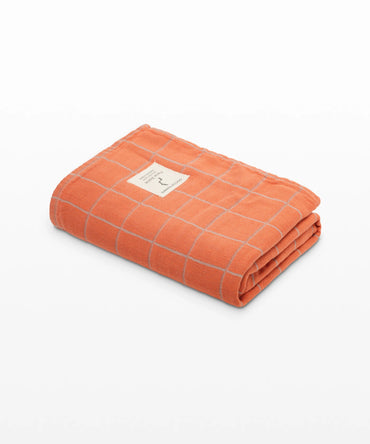
A dedicated face towel helps turn drying into an intentional skincare step instead of a random household step.

That shift can support a gentler routine because it encourages you to think about:

  • what touches your face
  • how often it gets changed
  • whether it feels comfortable on sensitive areas

For people navigating face towel acne concerns, a separate towel for the face is often the first practical boundary that makes the routine feel cleaner and more controlled.

3. Pay Attention To Texture And Comfort

If a towel feels rough, your skin is already giving you useful information.

You do not need to force a product into your routine just because it is technically a towel. A face towel should feel like it belongs in a skincare-first routine.

Look for a drying step that supports:

  • lower friction
  • less irritation on active breakouts
  • comfort on sensitive skin
  • a more deliberate skin-barrier-friendly routine

This is the practical answer to questions like can a rough towel make acne worse. If roughness leads you to rub harder or leaves skin feeling irritated, it is not a good fit for acne-aware care.

4. Change Towels Often Enough That The Step Still Feels Clean

Many readers asking about dirty towel acne are really asking a habit question: am I reusing this too long?

Your approved sources do not provide a universal washing schedule, so it is better to avoid pretending there is one perfect rule. But a good principle is this:

  • if your towel no longer feels fresh, soft, and appropriate for facial skin, it is time to switch it out

That is also the most honest answer to how often should you wash your towel within the limits of the approved evidence. The goal is a face-drying routine that still feels clean and intentional, not neglected.

5. Treat The Towel Step As Part Of Your Skincare Routine

This mindset shift matters more than people expect.

Your towel is not just for removing water. It is part of the contact your skin experiences every day. When you treat it like a skincare step, you are more likely to make better choices around:

  • gentleness
  • consistency
  • cleanliness
  • friction reduction

That is especially important if you are already using acne treatments, exfoliants, or barrier-supportive products. There is not much point in building a careful routine if the last step is still rough.

6. Get Help If Acne Is Persistent Or Severe

A towel can be one irritation variable. It is not a cure, a diagnosis, or the whole story.

If acne is persistent, painful, widespread, or leaving marks, professional care matters. The American Academy of Dermatology emphasizes dermatologist-recommended habits as part of acne management, and persistent or severe concerns should be discussed with a qualified medical professional.

A gentler face-drying routine can support comfort. It should not replace real treatment when treatment is needed.


Why Doctor Towels Was Built For This

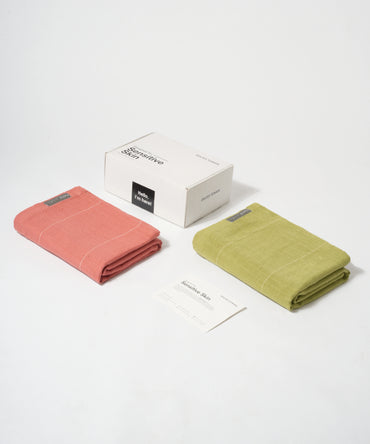
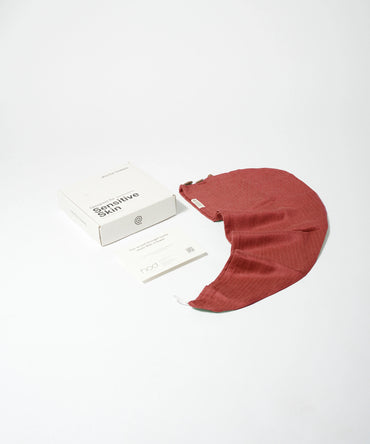
Doctor Towels is positioned as a skincare-first towel brand, which is why it belongs in this conversation at all. The point is not that a towel replaces acne care. The point is that the towel step should be intentional, gentle, and skin-aware.

Based on the approved brand and product knowledge provided, Doctor Towels can be described in these routine terms:

  • it is framed as part of a gentle skincare routine, not a cure
  • it belongs in the same conversation as cleansers, serums, and skin-barrier-friendly habits
  • it is designed to make the face-drying routine feel intentional rather than like an afterthought
  • it connects to lower-friction, more skin-aware routine habits

The proprietary feature list in your prompt includes:

  • SkinShield Technology™
  • Dual-Side Design (Patented)
  • Skin-Safe Fibers
  • 160-Wash Efficacy
  • Clinical Validation

But there is an important limitation here: the source set you provided does not include approved factual support for detailed claims about those features, and the monthly product fields for fabric composition, certifications, wash instructions, why the product was made, and approved claims are still blank. So the responsible way to mention them is only at a high level and only as brand-provided product framing, not as independently verified medical outcomes.

If readers want to review the brand’s own materials, the two relevant links are:

  • Research page: https://www.doctortowels.com/pages/research-page
  • Testing report: https://cdn.shopify.com/s/files/1/0376/8529/7196/files/Testing_Report.pdf?v=1758528655

The prompt also requested references to proprietary points such as IADVL 2023, Apollo Hospitals 2024 RCT, 160-wash efficacy, and specific microbial counts. Those claims are not supported in the approved research notes or approved facts you supplied here, so they should not be presented as facts in this draft.

What can be said, accurately and safely, is this:

  • Doctor Towels was built to make the towel step feel more skincare-first
  • that matters for readers thinking about friction, irritation, comfort, and cleanliness
  • for acne-prone skin and sensitive skin, a gentler face-drying routine is a logical extension of a gentler skincare routine

That is the right place for the product in the conversation: a routine fit, not a miracle claim.


The Bottom Line

If your skin still feels off even after you cleaned up the rest of your routine, the towel step is worth a closer look.

Not because every towel automatically causes breakouts.

But because dermatology guidance and acne mechanica research support a simple idea:

  • friction can aggravate acneiform eruptions
  • scrubbing can irritate acne-prone skin
  • routine habits matter

So if you have been wondering why your towel is breaking you out, the better framing is this: your face-drying habit may be adding friction and irritation at exactly the moment your skin needs less of both.

That is a useful perspective shift.

Your cleanser is not the whole routine. Your serum is not the whole routine. And your towel is not just a towel if it touches your face every day.


For a full foundation on this pillar, read Towels & Acne - The Hidden Connection.

Medical Sources & Further Reading

  • How to treat acne — American Academy of Dermatology — https://www.aad.org/news/how-to-treat-acne
  • DIY acne treatment — American Academy of Dermatology — https://www.aad.org/public/diseases/acne/diy
  • Acne mechanica — PubMed — https://pubmed.ncbi.nlm.nih.gov/123732/
  • Inner thigh friction as a cause of acne mechanica — PubMed — https://pubmed.ncbi.nlm.nih.gov/30883890/
  • Doctor Towels Research Page — Doctor Towels — https://www.doctortowels.com/pages/research-page
  • Doctor Towels Testing Report — Doctor Towels — https://cdn.shopify.com/s/files/1/0376/8529/7196/files/Testing_Report.pdf?v=1758528655

Medical Citations

  • How to treat acne - American Academy of Dermatology - https://www.aad.org/news/how-to-treat-acne
  • DIY acne treatment - American Academy of Dermatology - https://www.aad.org/public/diseases/acne/diy
  • Acne mechanica - PubMed - https://pubmed.ncbi.nlm.nih.gov/123732/
  • Inner thigh friction as a cause of acne mechanica - PubMed - https://pubmed.ncbi.nlm.nih.gov/30883890/