Tips and DIY on Skincare, Wellness, Personal Hygiene

Sensitive Skin Towel: What To Look For When Your Drying Routine Feels Too Harsh

Face Towels Acne

Sensitive Skin Towel: What To Look For When Your Drying Routine Feels Too Harsh

Sensitive Skin Towel is really a routine question. The best choice is the towel that helps your face dry with less friction, less reuse, and more comfort after cleansing.

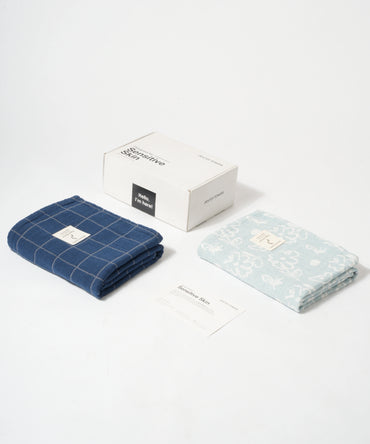
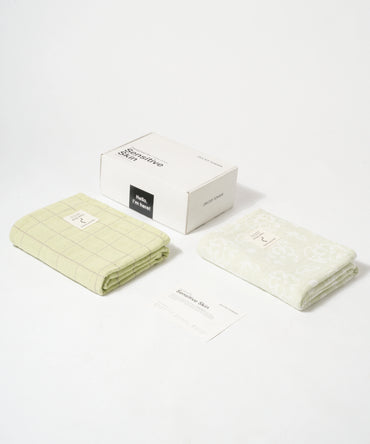
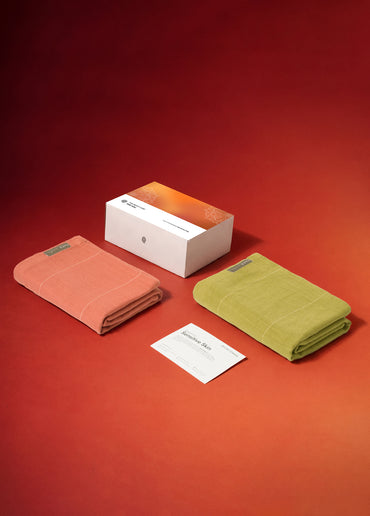
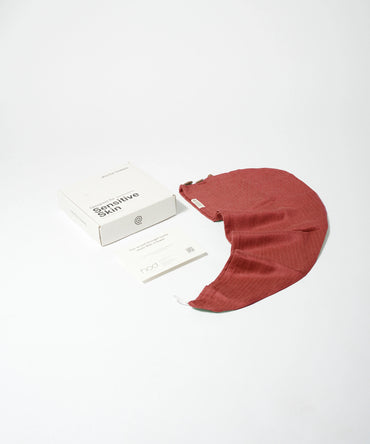
Doctor Towels Acne-Reduction Pack preview
Top recommendation

Doctor Towels Acne-Reduction Pack

A relevant product path for readers comparing face towels & acne.

View product

Sensitive Skin Towel sounds like a product search, but most people asking the question are really trying to solve a routine problem. They are noticing that their skin feels tight, flushed, irritated, or just uncomfortable after drying. They may already be using gentle products, but the face still feels worse the moment the towel touches it.

That makes the towel worth examining on its own. A Sensitive Skin Towel is not only about texture or size. It is about whether the drying step supports the skin instead of adding one more daily source of friction. The towel is one of the most repeated contact points in a routine, so when it feels wrong, the face notices.

Doctor Towels approaches this from a skincare-first perspective. The towel is not a cure. It is part of a gentler system. If the face-drying step becomes more dedicated, lower-friction, and more intentional, the whole routine can feel more stable.


The Problem They Didn’t Know They Had

People often assume their irritation starts with products because products are easy to blame. But sensitive skin can also react to ordinary routine contact. The towel that touches the face after cleansing may be rougher, more reused, or more shared than the person realizes.

That problem stays hidden because towels are usually treated like background objects. They live in the bathroom, they get reused casually, and they are rarely judged by the same standards as skin-care products. Yet for someone with reactive skin, the towel may be the part of the routine that feels worst in the final moment.

This is why the query Sensitive Skin Towel matters. It is less about shopping for a label and more about identifying a missing standard. If a towel leaves the face feeling irritated after drying, that is not a trivial complaint. It means the routine needs a gentler point of contact after the face has already been washed, rinsed, and possibly shaved or treated.

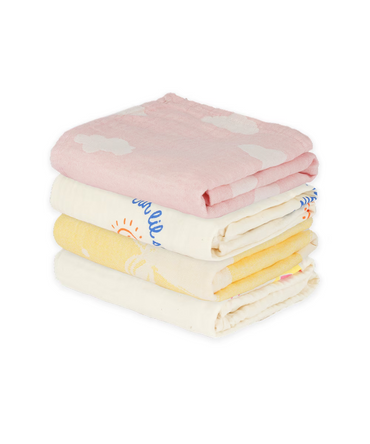
Face Towels preview
Middle recommendation

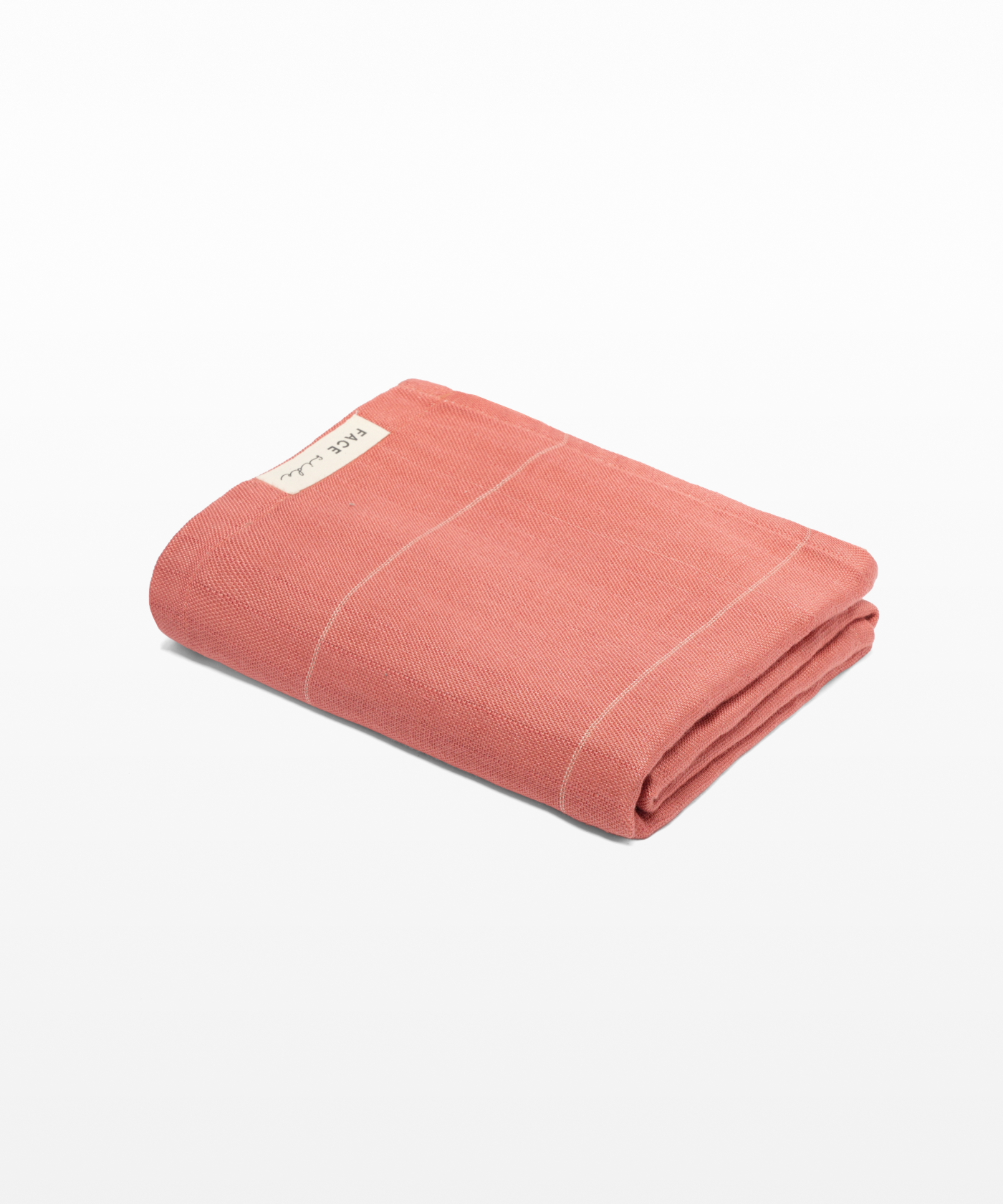
Face Towels

A relevant collection path for readers comparing face towels & acne.

View collection

Many people recognize the issue through everyday language first. They say, “my skin feels irritated after drying my face.” They say, “I never thought my towel could be part of the problem.” Those reactions are what make the towel worth separating from the rest of bathroom use.

The issue also stays hidden because towels are usually judged by household logic instead of skincare logic. People ask whether a towel matches the bathroom, dries quickly enough, or feels acceptable in the hand. They do not always ask how it behaves on a reactive face after cleansing. Sensitive Skin Towel is useful because it changes that standard.


The Science Behind The Problem

The American Academy of Dermatology recommends gentle, non-abrasive care for acne-prone skin and warns against scrubbing with washcloths and similar tools. Even though a towel is not automatically a scrub, it becomes functionally abrasive when the face is rubbed hard or repeatedly after cleansing.

AAD guidance also supports the broader idea that daily habits are part of good acne-aware care. Sensitive skin routines benefit from the same principle. If the goal is to reduce irritation, the towel should behave like an ally to the routine rather than an unexamined friction source.

PubMed literature on acne mechanica makes the friction issue clearer. Pressure, rubbing, friction, and occlusion can aggravate acneiform eruptions. That does not mean every towel causes acne, but it does mean repeated mechanical stress is worth reducing, especially when skin already feels inflamed or reactive.

The takeaway for a Sensitive Skin Towel is practical. Look for a towel routine that lowers friction, keeps the cloth dedicated to the face, and avoids turning drying into another harsh step after washing.

It helps to think about the towel as the transition between cleansing and care. If that transition feels rough, the skin enters the next steps already uncomfortable. A gentler towel cannot solve every skin issue, but it can remove one repeated irritant from the exact moment when the face is most exposed.


The Mechanisms - How It’s Actively Hurting You

The Face Is More Reactive Right After Washing

After cleansing, the skin is damp and often more sensitive to pressure. If the towel comes in with rough wiping, the face can feel more irritated than it did a moment earlier. That is why some people think the cleanser failed when the towel is part of the issue.

A Shared Towel Usually Means A Less Controlled Face Routine

If the face towel is also drying hands, body skin, or sink splashes, the face is no longer getting a dedicated step. Sensitive Skin Towel works best as a separate routine tool, not as part of a general-use towel pile.

That separation improves behavior as much as comfort. Once the towel is face-specific, people are more likely to rotate it sooner, use lighter pressure, and notice when the fabric no longer feels right. Those small changes build a more predictable routine.

Friction Compounds Existing Skin Stress

Active breakouts, shaving irritation, dry patches, and a fragile barrier all make the skin less tolerant of rubbing. The towel does not need to be extremely rough to matter. It only needs to add enough repeated drag to become one more stressor.

Inconsistent Drying Habits Make The Skin Harder To Read

If the towel is fresh one day and overused the next, or if pressure changes every morning, it becomes difficult to tell what the skin is responding to. Consistency makes feedback clearer. Sensitive Skin Towel is partly about building that consistency back into the routine.

When the routine becomes more consistent, the skin becomes easier to interpret. If irritation still continues after the towel habit improves, that is useful information to bring into a dermatology conversation instead of guessing what changed.


Customer Language - What Real People Were Dealing With

Customer language around towels is often striking because it sounds so ordinary. People say using the same face towel every day made their skin feel gross. They say their routine was fine except the towel felt rough on active breakouts. They say they wanted a towel that felt like it belonged in their skincare routine.

Those phrases reveal what shoppers actually want from a Sensitive Skin Towel. They are not asking for exaggerated beauty claims. They are asking for comfort, predictability, and a face-drying step that stops feeling like the harshest part of the day.

That matters for sensitive skin because discomfort is often cumulative. The skin may not react dramatically every time, but it can start feeling more irritable over days of rushed drying, shared towels, and extra friction. Once someone notices that pattern, the towel moves from invisible habit to something worth changing.

Sensitive Skin Towel becomes a useful search category when it helps people connect those experiences to a practical routine change. It turns the towel into a deliberate skincare tool instead of a generic bathroom object.

It also gives language to people who have felt the problem without being able to explain it. They know the routine feels off, but most skin-care advice keeps directing them only toward product swaps. The towel is often the missing piece.

That shift in language can be surprisingly helpful. Once someone identifies the towel as part of the pattern, they can test a simpler, gentler habit instead of endlessly cycling through new cleansers or moisturizers without understanding why the skin still feels uncomfortable after drying.


Actionable Habits - What To Actually Do

1. Separate Your Face Towel From Your Bathroom Towels

A dedicated Sensitive Skin Towel gives the face a cleaner, more controlled drying step. It also makes it easier to notice whether the towel itself is helping.

2. Dry By Pressing, Not By Scrubbing

The goal is to remove water, not to polish the skin. Press and lift the towel rather than dragging it repeatedly across the face.

3. Change The Towel When The Feel Changes

Do not wait until a towel is obviously dirty. If it feels stale, damp, or less comfortable, swap it out. Sensitive skin often notices that change early.

4. Pay Attention To The Moment After Drying

That short window tells you a lot. If your skin stings, looks redder, or feels more irritated right after the towel, the drying step needs adjustment.

5. Compare Your Towel Habit With Other Face-Drying Setups

If you want a useful comparison point, this related guide on hand towel habits shows how a common bathroom towel can quietly become the wrong towel for the face.

6. Seek Professional Care For Persistent Or Severe Skin Problems

Sensitive Skin Towel can improve day-to-day comfort, but it cannot replace professional guidance for persistent acne, eczema, rashes, or chronic irritation.

These habits work best when they stay simple. The goal is not to turn drying into a fussy ritual. The goal is to remove obvious friction so the face does not feel stressed every time the routine ends.


Why Doctor Towels Was Built For This

Doctor Towels exists because the towel step is easy to ignore even though it touches the skin every day. A skincare-first towel brand treats drying as part of a gentler routine rather than a separate household chore.

That matters for readers searching Sensitive Skin Towel because what they usually want is not more hype. They want a towel that fits the same logic as the rest of their care: lower friction, more comfort, and a routine that does not feel like it keeps undoing itself.

Doctor Towels is best understood as part of that system. The brand should be positioned as educational and routine-based, not as a cure. Readers who want more context can review the Doctor Towels research page and testing report.

The stronger message is still about habits. A Sensitive Skin Towel works when it helps someone dry more gently, keep the towel dedicated to the face, and stop treating that last step after cleansing as an afterthought.

That is the advantage of a skincare-first brand voice here. It keeps the conversation focused on routine design instead of inflated promises. The towel should make a gentle routine easier to keep, not claim to replace the rest of skin care.


The Bottom Line

Sensitive Skin Towel is not just a fabric question. It is a routine question. If the face feels more irritated after drying than it did after washing, the towel deserves as much attention as the products touching the skin before it.

The better routine is simple: use a dedicated face towel, pat instead of rub, rotate early, and notice how your skin feels right after contact. Those changes can make a careful routine feel more coherent and more comfortable.

That is why Sensitive Skin Towel matters. It brings the drying step into the skin-care conversation where it should have been all along.

For many readers, that shift alone changes the whole bathroom routine. Once the towel is treated like a skin-contact tool instead of a generic bathroom essential, better choices become much easier to make and keep.

And that is often the biggest improvement of all. A better towel habit does not need to be dramatic to be meaningful. It only needs to make the face feel less aggravated every single time the routine ends.

Over time, that kind of consistency can make the entire skin-care routine feel more dependable. The towel stops being a hidden variable and starts acting like a quieter, gentler final step.


Medical Sources & Further Reading

  • American Academy of Dermatology - How to treat acne - https://www.aad.org/news/how-to-treat-acne
  • American Academy of Dermatology - DIY acne treatment - https://www.aad.org/public/diseases/acne/diy
  • PubMed - Acne mechanica - https://pubmed.ncbi.nlm.nih.gov/123732/
  • PubMed - Inner thigh friction as a cause of acne mechanica - https://pubmed.ncbi.nlm.nih.gov/30883890/
Doctor Towels Acne-Reduction Pack preview
Bottom recommendation

Doctor Towels Acne-Reduction Pack

A relevant product path for readers comparing face towels & acne.

View product
Doctor Towels Acne-Reduction PackView

Hand Towel: When A Bathroom Basic Starts Touching Your Face Too Often

Towel Hygiene

Hand Towel: When A Bathroom Basic Starts Touching Your Face Too Often

Hand Towel sounds harmless because it belongs to the sink area, not the skincare shelf. The problem starts when that same towel keeps finding its way onto the face.

Face Towels preview
Top recommendation

Face Towels

A relevant collection path for readers comparing towel hygiene.

View collection

Hand Towel feels like one of the most ordinary objects in a bathroom, which is exactly why it gets so little scrutiny. It hangs by the sink, dries hands, and blends into the background. But in many homes, the same towel that dries hands also ends up touching the face after cleansing, after splashing water, or in a rushed moment before leaving the room.

That is the hidden issue. The towel was never meant to be part of a face routine, yet it keeps crossing into one. If your skin feels rough, stale, or more irritated after drying than it did after washing, a shared or overused hand towel may be part of the reason. The towel itself is not a diagnosis, but it can still become the wrong contact surface for acne-prone or sensitive skin.

This is why Hand Towel deserves a skincare-first lens. A better routine is not only about choosing the right cleanser. It is also about making sure the thing touching your face at the end of the routine is actually appropriate for that job.


The Problem They Didn’t Know They Had

Many people do not realize how often a hand towel becomes a face towel by accident. They wash their hands, splash their face, lean toward the sink, and grab whatever towel is closest. The problem is not one dramatic moment. The problem is repetition. A towel meant for general sink use keeps stepping into a role that asks for something gentler and more deliberate.

That is especially easy to miss in busy bathrooms. A hand towel may be used by multiple people throughout the day, handled frequently, and left hanging in a damp or poorly ventilated space. It may still look clean enough. It may even smell fine. But “looks fine” and “works well for facial skin” are not the same thing.

This is where the customer-language pattern becomes useful. People say “my skin feels irritated after drying my face,” “using the same face towel every day made my skin feel gross,” or “I never thought my towel could be part of the problem.” In a lot of bathrooms, they are not even talking about a dedicated face towel. They are describing a hand towel that quietly became part of the face-drying step without anyone really deciding it should.

Absorbent Towels preview
Middle recommendation

Absorbent Towels

A relevant collection path for readers comparing towel hygiene.

View collection

When someone searches Hand Towel, they may be shopping for the bathroom. But from a Doctor Towels perspective, the more important question is what happens when that towel touches the face. A hand towel is not automatically a bad towel. It just becomes a bad face towel when routine habits stop being intentional.


The Science Behind The Problem

Dermatology guidance helps explain why this matters. The American Academy of Dermatology recommends gentle, non-abrasive care for acne-prone skin and specifically warns against scrubbing with washcloths, sponges, and other tools that can irritate the skin. That same logic applies to towel habits. The face does not benefit from rough contact simply because the fabric happens to be hanging by the sink.

PubMed literature on acne mechanica adds another useful principle: friction, pressure, rubbing, and occlusion can aggravate acneiform eruptions. A hand towel does not need to be visibly harsh to contribute to that problem. If a person wipes the face quickly, presses too hard, or uses a towel that has become rougher or less fresh over time, the skin can still end up dealing with more mechanical stress than intended.

There is also the habit side of acne care. The American Academy of Dermatology’s patient guidance frames acne management as a set of gentle, dermatologist-aligned routines. That makes the final drying step relevant. The face has just been cleansed. It does not need another uncontrolled variable immediately afterward, especially if the towel has already been used heavily in a shared sink area.

This is the real takeaway: a hand towel may be totally fine for drying hands and still be a poor choice for the face. The skin does not evaluate the towel by its label. It responds to friction, freshness, repeated contact, and how intentionally the towel is being used.


The Mechanisms - How It’s Actively Hurting You

A Shared Sink Towel Builds A Very Different Contact History

A hand towel near the sink usually has a busier life than a face-only towel. It gets grabbed throughout the day, touched by wet hands, and used whenever someone needs a quick dry. That does not automatically make it dirty in a dramatic sense, but it does make it less controlled as a contact surface for facial skin.

The Face Often Gets Dried In A Rush

When people use a hand towel on the face, it is usually not part of a careful routine. It is a quick move. They wipe rather than pat, drag the towel rather than press it gently, and move on. That rushed contact tends to create more friction than a dedicated face-drying habit.

Humidity Changes The Feel Before People Notice

A towel hanging by the sink may stay damp longer than people expect, especially in humid bathrooms. Even if it does not smell bad, it can feel cooler, heavier, flatter, or less fresh against the skin. Acne-prone and sensitive skin often notices that difference before the person consciously does.

The Wrong Towel Habit Makes Your Routine Harder To Interpret

If you are trying to figure out why your skin feels irritated after washing, the hand towel can make the answer harder to see. The cleanser may be fine. The serum may be fine. But if the towel contact changes from day to day, you keep adding uncertainty to the routine right at the end.


Customer Language - What Real People Were Dealing With

What makes this topic important is how familiar the complaints sound. People are not usually saying, “my shared sink towel has an uncontrolled contact history.” They are saying “my routine was fine except my towel felt rough on active breakouts.” They are saying “my skin feels irritated after drying my face.” They are saying “I wanted a towel that felt like it belonged in my skincare routine.”

Those lines matter because they point to a mismatch between bathroom convenience and skin needs. A hand towel is convenient. It is nearby. It is easy. But easy is not always the same as appropriate. If the face is getting the same towel that has been handling general sink traffic all day, the routine can start feeling less calm even if the products themselves are unchanged.

There is also a common emotional pattern here. People feel confused because they are doing many things right. They cleanse gently. They avoid harsh scrubs. They simplify their routine. Yet the skin still feels off after drying. That is why the towel step can be so frustrating. It does not look like the obvious problem, so it can stay invisible for much longer than it should.

The good news is that this is also one of the easiest habits to clean up. Once people see that a hand towel keeps slipping into the face routine, the fix becomes clearer: create separation, reduce friction, and stop using the nearest towel as the default towel.


Actionable Habits - What To Actually Do

1. Stop Letting The Hand Towel Double As The Face Towel

Give the hand towel one job. It can stay by the sink for hands. Your face should have its own towel or its own drying method. That single change removes a lot of routine confusion very quickly.

2. Keep The Face-Drying Step Physically Separate

Store the face towel in a different place from the hand towel if possible. That reduces accidental swapping and makes it less likely that a rushed bathroom moment turns into an avoidable skin mistake.

3. Pat The Face Instead Of Wiping Across It

If a towel is going to touch the face, use a press-and-lift motion rather than rubbing. This follows the same gentle-care principle dermatologists recommend for acne-prone skin.

4. Rotate High-Touch Bathroom Towels Earlier

A hand towel gets a lot of use. Do not wait for it to look obviously bad. If it is handling constant sink traffic, it should stay in the hand-towel lane and be rotated with that in mind, not promoted into facial use.

5. Watch For The Difference Between Cleanser Irritation And Towel Irritation

Notice how your skin feels immediately after washing and then again after drying. If the discomfort appears after the towel, that is a strong clue. People trying to reset sink-side habits may also find this related guide on bathroom face towels useful.

6. Get Professional Help If Redness, Breakouts, Or Ongoing Irritation Continue

Routine changes can help, but they cannot replace diagnosis. If your skin is persistently inflamed or reactive, speak with a dermatologist or another qualified professional.


Why Doctor Towels Was Built For This

Doctor Towels is positioned as a skincare-first towel brand, which matters for a topic like Hand Towel because the usual bathroom logic is not enough. A generic towel category does not ask whether the towel belongs in a face routine. A skincare-first brand does.

That shift is important because the face-drying step should not be an afterthought. If the towel touching the skin has the wrong role, the routine becomes less intentional. Doctor Towels fits best when readers understand that the towel is part of the skin-contact environment, not just a background bathroom object.

The product should still be discussed carefully. It is part of a gentle routine, not a cure. Readers who want the brand’s own materials can review the Doctor Towels research page and testing report. The broader point is behavioral: if the face needs gentler, more intentional contact, then the face needs a towel chosen for that job.

That is why the best lesson from Hand Towel is not that hand towels are wrong. It is that roles matter. A towel used for frequent hand drying should not automatically become part of the face routine just because it is close by.


The Bottom Line

Hand Towel becomes a skin issue when a general sink towel quietly turns into a face towel. The face does not care what the towel is called. It responds to how often the towel is handled, how fresh it feels, and how much friction it adds at the end of cleansing.

If your skin feels worse after drying than after washing, start by separating the jobs. Keep the hand towel for hands, give the face its own gentler routine, and stop letting convenience decide what touches your skin. That is a small change, but it can make the whole routine feel cleaner and easier to trust.

That is the perspective shift that matters. A bathroom basic is still part of skin care the moment it starts touching your face.


Medical Sources & Further Reading

  • American Academy of Dermatology - How to treat acne - https://www.aad.org/news/how-to-treat-acne
  • American Academy of Dermatology - DIY acne treatment - https://www.aad.org/public/diseases/acne/diy
  • PubMed - Acne mechanica - https://pubmed.ncbi.nlm.nih.gov/123732/
  • PubMed - Inner thigh friction as a cause of acne mechanica - https://pubmed.ncbi.nlm.nih.gov/30883890/
Doctor Towels Aluvera Handkerchief Pack preview
Bottom recommendation

Doctor Towels Aluvera Handkerchief Pack

A relevant product path for readers comparing towel hygiene.

View product
Face TowelsView

Best Bath Towels In India: What To Choose When Heat, Humidity, And Sensitive Skin All Matter

Towel Hygiene

Best Bath Towels In India: What To Choose When Heat, Humidity, And Sensitive Skin All Matter

The best bath towels in India are not just the softest or thickest. In a humid bathroom, the better towel is the one that dries well, feels gentle, and fits a cleaner routine.

Sensitive Skin Towels preview
Top recommendation

Sensitive Skin Towels

A relevant collection path for readers comparing towel hygiene.

View collection

Best Bath Towels In India is usually treated like a shopping query. People compare size, GSM, color, discount, and softness. Those details matter, but they do not answer the whole question. In many Indian bathrooms, the bigger issue is what happens after the towel is used: heat, humidity, slow drying, shared hooks, hard water, sweat, and repeated contact with skin.

That matters because a bath towel is not only a bathroom product. It is a daily skin-contact surface. It touches the neck, chest, back, underarms, groin, legs, and sometimes the face. If the towel stays damp, feels rough after repeated washes, or is used too aggressively after bathing, it can make a clean routine feel less clean than expected.

This guide is not about naming one universal winner. The best towel for a cool, well-ventilated home may not be the best towel for a humid bathroom in Mumbai, Chennai, Kochi, Kolkata, Goa, or a monsoon-heavy city. The better question is: which bath towel supports comfort, drying, and skin hygiene in the conditions where it will actually live?

For Doctor Towels, that answer has to stay skincare-first. A towel cannot cure acne, sensitivity, body breakouts, or irritation. But it can reduce avoidable friction, make drying habits more intentional, and help separate body-drying from face-drying. Those small choices matter because they repeat every day.


The Problem They Didn’t Know They Had

Most people shopping for Best Bath Towels In India look for plushness first. A thick towel feels impressive in the hand. It photographs well. It gives the hotel-towel feeling that many shoppers associate with quality. But thickness alone can be misleading in a warm, humid bathroom.

A towel that holds a lot of water may also take longer to dry. If it is folded over a hook, crowded with other laundry, or left in a low-airflow bathroom, it can stay damp for hours. Dampness changes the towel experience. The towel may still look clean, but it can feel heavy, stale, or slightly musty. For someone with sensitive skin, body acne, follicle-prone areas, or a reactive skin barrier, that is not the finish they want after bathing.

Face Towels preview
Middle recommendation

Face Towels

A relevant collection path for readers comparing towel hygiene.

View collection

The second problem is friction. A bath towel is often used quickly. People rub the back, chest, neck, and shoulders because they are in a hurry. Men may rub after shaving or after the gym. Families may share towels or rotate them too slowly. A towel that is technically soft can still become abrasive when it is used with pressure, washed poorly, or dried stiff in hard water.

The third problem is job confusion. A bath towel is for the body. The face should not be an afterthought. Facial skin is more reactive for many people, and the face may already be dealing with cleanser, sunscreen, shaving, acne treatments, pollution, or makeup removal. Using the same large bath towel on the face after it has touched the body adds an avoidable variable.

That is why the best bath towels in India are not automatically the thickest towels. They are the towels that suit local drying conditions, reduce friction, and fit a routine where the body and face are treated as different skin zones.


The Science Behind The Problem

The skin barrier is the outer layer that helps keep water in and irritants out. Cleveland Clinic describes barrier problems as showing up through dryness, irritation, inflammation, acne, stinging, and sensitivity. A towel does not control the skin barrier by itself, but it does touch that barrier repeatedly. If the towel step adds rubbing or damp textile contact, it can become one more stressor in an already sensitive routine.

Dermatology advice for acne-prone skin often comes back to the same principle: be gentle. The American Academy of Dermatology advises people with acne to avoid scrubbing because scrubbing can irritate skin and make acne look worse. A towel used with force can become part of that scrubbing pattern even when the cleanser was gentle.

Research on acne mechanica also matters. PubMed references describe acneiform eruptions associated with friction, pressure, rubbing, and occlusion. A bath towel is not the same as a helmet strap or tight gear, but the mechanism is relevant. Repeated mechanical stress can influence skin comfort, especially around the chest, back, shoulders, neck, and jawline.

Then there is hygiene. Bath towels absorb water, sweat, skin cells, and product residue. Medical News Today summarizes the basic concern clearly: bath towels can harbor microorganisms and should be washed regularly. The practical point is not fear. It is routine design. A towel that dries fully, gets washed on a sensible schedule, and is not used for every job is easier to keep skin-friendly.

In India, climate changes this routine. Heat and humidity can slow drying. Monsoon weather can make indoor drying harder. Airflow, sunlight, washing frequency, and bathroom ventilation become part of towel quality. Material matters, but the way the towel behaves after use matters just as much.


The Mechanisms - How It’s Actively Hurting You

Slow Drying Turns A Good Towel Into A Stale Towel

A towel can be soft on day one and still become a poor daily towel if it stays damp too long. Damp fabric feels cooler, heavier, and less fresh on skin. In humid cities or during monsoon, this can happen even with an expensive towel. If a towel does not fully dry between uses, the next shower starts with a compromised drying tool.

Too Much GSM Can Work Against Indian Bathrooms

GSM is often used as shorthand for quality. Higher GSM usually means a heavier, denser towel. That can feel plush, but it can also slow drying. For Indian homes where towels hang indoors, a medium-weight towel that dries faster may be more practical than a thick towel that never quite feels fresh.

Rubbing Adds Mechanical Stress

After a shower, many people scrub themselves dry without noticing. The towel moves across the shoulders, chest, back, neck, and face in quick strokes. On sensitive skin, recently shaved skin, sun-exposed skin, or acne-prone areas, that extra friction can leave skin feeling hotter or more irritated.

Shared Use Blurs Hygiene Boundaries

In a busy household, towels may be used by more than one person or for more than one purpose. A towel may dry the body, then the face, then hands, then hair. That makes it harder to control residue and freshness. The best bath towel routine separates jobs clearly.

Hard Water And Detergent Residue Can Change Texture

Many Indian homes deal with hard water. Over time, towels can feel flatter or stiffer if detergent is overused or not rinsed well. A stiff towel increases friction. If the towel feels scratchy on the neck or cheeks, it is no longer serving the skin well, even if it was once soft.


Customer Language - What Real People Were Dealing With

People rarely describe this as a technical textile problem. They say, “my towel smells damp,” “my bath towel feels rough after washing,” “my skin feels itchy after a shower,” or “my face feels worse after I dry it.” Those phrases are practical clues. They point to drying, friction, residue, and routine mismatch.

There is also a common buying disappointment. Someone buys a thick towel because it feels like a luxury upgrade, then realizes it takes too long to dry in their bathroom. The towel starts smelling sooner than expected. It feels heavy on the skin. It may be comfortable for the first week but inconvenient after repeated use.

Another customer pattern is body-to-face transfer. A person may dry the body after a hot shower, then use the same towel on the face out of habit. If their face is acne-prone or sensitive, they may never connect that final step with the redness or tightness they feel afterward.

That is why Best Bath Towels In India should be answered with climate and skin in mind. A good towel is not only about softness at purchase. It is about how the towel behaves in a real Indian bathroom after use, after washing, and after repeated contact with skin.


Actionable Habits - What To Actually Do

1. Choose Medium Weight Before Maximum Thickness

For many Indian bathrooms, a towel that balances absorbency with faster drying is smarter than the heaviest towel available. Thick towels can feel good, but they need airflow and drying time. If your towel often feels damp the next day, choose a lighter or medium-weight option.

2. Prioritize A Soft Hand, Not A Scratchy Finish

Run the towel over the inside of your forearm or neck. If it feels rough there, it may feel harsher on reactive areas. Softness should remain after washing, not only in the store or product listing.

3. Keep A Separate Face Towel

Use bath towels for the body and a separate towel for the face. This is one of the easiest skincare-first upgrades. For more detail on why separation matters, read Bath Towels And Sensitive Facial Skin.

4. Dry The Towel Fully Between Uses

Spread the towel on a bar instead of bunching it on a hook. Use a fan, sunlight, balcony drying, or better airflow when possible. A towel that dries fully is usually easier to keep fresh.

5. Wash Before Odor Becomes Obvious

Do not wait for a towel to smell before washing it. If the bathroom is humid, if the towel is shared, if someone is ill, or if you have sensitive skin, wash more often. Let towels dry before tossing them into the laundry basket.

6. Pat Sensitive Areas

Use firm but gentle pressing on the chest, back, neck, and face-adjacent areas. Avoid aggressive rubbing after shaving, exfoliating, sweating, or using active body-care products.

7. Buy For Your Home, Not Just The Listing

If your bathroom has poor ventilation, avoid towels that stay wet. If your home has hard water, avoid overloading detergent and consider extra rinsing. If multiple people share one bathroom, buy enough towels to rotate.


Why Doctor Towels Was Built For This

Doctor Towels is positioned as a skincare-first towel brand, which means the towel is treated as part of the routine rather than a decorative bathroom extra. The brand is not making a hard medical claim. It is asking a more practical question: what should touch your skin after cleansing, bathing, sweating, or shaving?

For bath towels, that question starts with body comfort. The towel should absorb water without demanding rough rubbing. It should dry predictably. It should not become a damp, stale surface that keeps re-entering the routine. But Doctor Towels also separates the face from the body. The face deserves a dedicated towel habit, especially for acne-prone and sensitive-skin shoppers.

This matters in India because heat and humidity make towel discipline more important. A skincare-first routine is not only cleanser and moisturizer. It includes the fabric that finishes the routine. When people are comparing the best bath towels in India, they should also ask whether their towel setup supports skin comfort after the shower.

Doctor Towels fits as an educational routine choice: use towels intentionally, reduce unnecessary friction, keep face and body contact separate, and treat the drying step as part of skin hygiene. That is a calmer, more useful standard than chasing the thickest towel on the shelf.


The Bottom Line

The best bath towels in India are the ones that work in Indian conditions. Heat, humidity, monsoon weather, hard water, shared bathrooms, and low ventilation all affect how a towel performs after it leaves the product page.

Choose a towel that is soft, absorbent, and able to dry fully between uses. Avoid buying only by thickness. Rotate towels before they smell. Keep the face separate from the body. Pat sensitive areas instead of rubbing them. If acne, irritation, itching, or sensitivity persists, speak with a dermatologist for personal care.

A bath towel may look ordinary, but it touches skin every day. In a skincare-first routine, that makes it important.


Medical Sources & Further Reading

  • American Academy of Dermatology - How to treat acne - https://www.aad.org/news/how-to-treat-acne
  • American Academy of Dermatology - DIY acne treatment - https://www.aad.org/public/diseases/acne/diy
  • PubMed - Acne mechanica - https://pubmed.ncbi.nlm.nih.gov/123732/
  • PubMed - Inner thigh friction as a cause of acne mechanica - https://pubmed.ncbi.nlm.nih.gov/30883890/
  • Cleveland Clinic - Skin barrier guidance - https://health.clevelandclinic.org/skin-barrier/
  • Medical News Today - How often should people wash towels - https://www.medicalnewstoday.com/articles/how-often-should-you-wash-your-towels
Doctor Towels Aluvera Handkerchief Pack preview
Bottom recommendation

Doctor Towels Aluvera Handkerchief Pack

A relevant product path for readers comparing towel hygiene.

View product
Sensitive Skin TowelsView

Small Towels For Face: Why A Smaller Towel Can Make A Skin-Care Routine Easier To Keep Clean

Towel Hygiene

Small Towels For Face: Why A Smaller Towel Can Make A Skin-Care Routine Easier To Keep Clean

Small Towels For Face are not only about convenience. Their real advantage is that they can make a face-drying routine easier to keep dedicated, fresh, and gentle.

Face Towels preview
Top recommendation

Face Towels

A relevant collection path for readers comparing towel hygiene.

View collection

Small Towels For Face may look like a minor upgrade, but the size of a towel can change how a routine actually works. A large towel gets reused because it seems wasteful to change it too often. It gets folded over to find a dry corner. It ends up drying hands, face, and whatever else happens to be nearby. A smaller towel often pushes people toward a different habit: one towel, one job, one easier rotation.

That matters more than it sounds. The face-drying step happens right after cleansing, when skin is damp, more reactive, and more likely to notice friction. If the towel touching the face is also the towel carrying the whole bathroom day on it, the routine stops feeling as clean and controlled as it should.

This is why Small Towels For Face deserve a proper skincare lens. The question is not whether smaller is automatically better. The question is whether a smaller towel makes it easier to build a dedicated face-only habit that feels fresher, gentler, and more consistent from one wash to the next.

For people with acne-prone or sensitive skin, that kind of consistency matters. A towel is not treatment. But it is part of the environment touching the skin every day, and daily contact shapes how routines feel.


The Problem They Didn’t Know They Had

Most people do not struggle because they chose the wrong towel once. They struggle because the towel habit stays vague. The towel by the sink gets reused for too long. The face gets dried with whatever section still feels dry. The same cloth touches hands, the face, and sometimes the counter without anyone thinking twice about it. Over time, the habit becomes more convenient than intentional.

That vagueness creates a problem for skin that already reacts easily. If the routine feels fine some days and rougher on others, people usually blame cleanser strength or weather before they blame the towel rotation. But a towel that is too big for the job often stays in circulation longer than it should, simply because it still looks usable.

Doctor Towels Aluvera Handkerchief Pack preview
Middle recommendation

Doctor Towels Aluvera Handkerchief Pack

A relevant product path for readers comparing towel hygiene.

View product

Small Towels For Face can solve part of that by making the boundary clearer. A smaller towel naturally feels more specific. It is easier to dedicate to the face, easier to swap out, easier to keep in a clean stack, and less likely to turn into a shared bathroom cloth by accident.

That does not mean the size alone fixes the problem. It means the size can support a better habit. And for acne-prone or sensitive skin, better habits around friction and cleanliness are often what matter most.

Another overlooked part of the problem is decision fatigue. If every towel feels multi-purpose, people keep making small judgment calls about whether a towel is still okay for the face. A smaller dedicated towel reduces those judgment calls. It turns the routine into something simpler: this towel is for my face, it has a shorter rotation, and I do not need to debate whether it is still fresh enough.


The Science Behind The Problem

Dermatology guidance consistently favors gentle, non-abrasive skin handling. The American Academy of Dermatology warns that scrubbing can irritate acne-prone skin, and that principle extends beyond cleanser choice. The fabric touching the face after washing can either keep the routine gentle or reintroduce mechanical stress at the finish line.

PubMed reports on acne mechanica reinforce that friction, rubbing, and repeated pressure can aggravate acneiform eruptions. A towel does not have to be visibly rough to create a problem. If it is dragged across the same areas with pressure, used too aggressively on inflamed breakouts, or reused in a way that makes the cloth feel stale and less fresh, it can become part of the irritation picture.

This is where the size of the towel becomes practical rather than cosmetic. Small Towels For Face do not change skin biology, but they can change behavior. A smaller towel is easier to assign to one purpose, easier to wash and rotate more often, and easier to keep out of multi-use bathroom traffic. Those behavioral advantages are meaningful because skin care is full of repeated contact, not one-time decisions.

When a routine improves because the towel step becomes more dedicated and predictable, the improvement is not magical. It is mechanical and hygienic. That is exactly the kind of change sensitive skin tends to appreciate.


The Mechanisms - How It’s Actively Hurting You

Bigger Towels Stay In Use Longer Than People Expect

A large towel often looks serviceable long after it stops feeling ideal for the face. People keep finding a dry patch and telling themselves it is still fine. That extends the life of the towel in the routine, even when the cloth no longer feels fresh enough for repeated facial contact.

A Shared Towel Loses Its Face-Only Standard

Once a towel gets large enough to feel versatile, it starts doing extra jobs. It dries hands, catches drips, and becomes part of general bathroom traffic. That is a problem for facial skin because the towel stops being a dedicated tool and becomes a shared surface.

Reaching For A Dry Corner Encourages More Rubbing

When someone is trying to find the “clean” or dry part of a larger towel, the drying motion often becomes less deliberate. The towel gets dragged, flipped, and rubbed across the face more than necessary. That adds extra mechanical contact to a step that should be quiet and controlled.

Inconsistent Towel Habits Make Skin Harder To Read

If the towel changes in freshness, pressure, and contact pattern from one use to the next, the routine becomes harder to interpret. Someone may think a new product is breaking them out when the actual difference is that the towel step has become rougher, damper, or less dedicated over time.


Customer Language - What Real People Were Dealing With

The face towel problem usually shows up in plain language. People say, “my routine was fine except my towel felt rough on active breakouts,” or “my skin feels irritated after drying my face,” or “I wanted a towel that felt like it belonged in my skincare routine.” Those are not product-review cliches. They are descriptions of a contact problem.

There is also a strong convenience theme in how people talk about towels. Many are not looking for something dramatic. They want something easier to keep clean. They want a towel that does not feel oversized for the face. They want a stack they can rotate without thinking too hard. That is why Small Towels For Face have such a practical appeal. The size itself becomes a routine tool.

Another common frustration is the feeling that the towel by the sink is never obviously dirty enough to throw into the wash, but never quite fresh enough to feel ideal on the skin. That middle zone is where a lot of face-drying routines quietly go wrong. A smaller towel helps because it makes replacement feel normal rather than excessive.

In skincare terms, that is useful because anything that makes a good habit easier to repeat has real routine value. People do not need a towel system that feels perfect on paper and impossible in daily life. They need one that fits mornings, evenings, rushed schedules, shared bathrooms, and the reality that the face towel will only stay skin-friendly if it is easy to manage.


Actionable Habits - What To Actually Do

1. Keep A Separate Stack Just For The Face

If you use Small Towels For Face, let them stay face-only. Do not mix them into the general bathroom towel cycle. A dedicated stack makes rotation easier and removes guesswork from the routine.

2. Change The Towel Before It Feels Questionable

Do not wait for obvious odor or visible buildup. If the towel feels damp, flattened, or no longer fully fresh, swap it out. Smaller towels work best when they make earlier replacement easy, not when they are stretched into longer use.

3. Pat In Sections Instead Of Dragging The Towel Around

Use the towel to press and lift moisture away from the forehead, cheeks, chin, and jawline. The smaller format makes that easier because it encourages more deliberate movements instead of broad rubbing.

4. Avoid Letting A Face Towel Drift Into Hand-Towel Duty

Once a face towel starts drying hands or cleaning up sink water, it stops being a dedicated face tool. Protect the boundary. That one habit does a lot of the work.

5. Use Size To Support Hygiene, Not To Replace Hygiene

Small Towels For Face are helpful because they make good habits easier, not because small fabric is somehow inherently skin-saving. If you are also working on how to keep towels fresh without washing daily, the main takeaway is the same: airflow, rotation, and intentional use still matter.

6. Escalate To Dermatology Care If Skin Remains Reactive

If acne, redness, or ongoing irritation keeps returning, get professional advice. A better towel habit can reduce one routine stressor, but it cannot replace an expert evaluation.


Why Doctor Towels Was Built For This

Doctor Towels is positioned as a skincare-first towel brand, which makes sense in the context of Small Towels For Face. The face-drying step is often treated like the least important part of the routine even though it happens after every cleanse. A brand built around the idea that this step deserves more intention fits that problem well.

The product role should still stay modest and clear. Doctor Towels is not presented as a cure for acne or sensitivity. It is part of a gentler routine. That means treating the towel like a skincare tool: keeping it dedicated, using it with less friction, and making it easier to rotate before it starts feeling stale.

Readers who want to review the brand’s own materials can look at the Doctor Towels research page and testing report. But the bigger lesson is routine design. A towel that is easier to keep face-only, fresh, and deliberate is often a better fit for sensitive or acne-prone skin than one oversized cloth that tries to do everything.

That is what makes the size conversation meaningful. The size supports the habit, and the habit supports the skin.


The Bottom Line

Small Towels For Face can be useful because they make a dedicated face-drying routine easier to maintain. They encourage faster rotation, clearer separation from hand towels, and more deliberate drying with less rubbing. Those are practical advantages, not marketing abstractions.

If your skin often feels worse after drying than it did after washing, the towel step may be one of the easiest parts of the routine to improve. Choose a smaller face-only towel, rotate it sooner, and treat the drying step like it counts.

The towel does not need to be the star of your skincare routine. It just needs to stop quietly making the routine harder on your skin.


Medical Sources & Further Reading

  • American Academy of Dermatology - How to treat acne - https://www.aad.org/news/how-to-treat-acne
  • American Academy of Dermatology - DIY acne treatment - https://www.aad.org/public/diseases/acne/diy
  • PubMed - Acne mechanica - https://pubmed.ncbi.nlm.nih.gov/123732/
  • PubMed - Inner thigh friction as a cause of acne mechanica - https://pubmed.ncbi.nlm.nih.gov/30883890/
Sensitive Skin Towels preview
Bottom recommendation

Sensitive Skin Towels

A relevant collection path for readers comparing towel hygiene.

View collection
Face TowelsView

How Daily Micro-Interactions Prevent Your Face Towel From Becoming a Sensitive Skin Trigger

The Problem They Didn’t Know They Had

You’re diligent with your skincare routine. You choose gentle cleansers, carefully selected serums, and non-comedogenic moisturizers, all aimed at soothing sensitive skin or managing acne. Yet, despite your best efforts, you sometimes notice lingering irritation, unexpected breakouts along the jawline, or a general feeling that your skin just isn’t as calm as it should be. It’s a common frustration, often leading people to re-evaluate their expensive products or diet. But what if one of the most basic, often-overlooked steps in your routine was part of the problem?

Many people have shared experiences like, “my skin feels irritated after drying my face” or “I never thought my towel could be part of the problem.” This ‘aha’ moment often comes when they realize their face towel, a seemingly innocuous item, could be a daily source of discomfort or a trigger for sensitive skin and acne-prone conditions. The cumulative effect of these daily micro-interactions, from the fabric itself to how you use it, can contribute to ongoing skin challenges.


The Science Behind The Problem

Our skin, especially the delicate facial skin, is a complex barrier designed to protect us from the outside world. For those with sensitive or acne-prone skin, this barrier can be more vulnerable to external stressors. Every touch, every product, and even every interaction with a towel can influence its integrity and health. When it comes to face-drying, the choice of fabric and the technique used are not just minor details; they are integral parts of a gentle skincare routine.

Leading dermatological guidance emphasizes the importance of gentle, non-abrasive cleansing for maintaining skin health. The American Academy of Dermatology (AAD) specifically cautions against scrubbing with washcloths, sponges, and other tools, as these can irritate acne-prone skin. This advice extends beyond just cleansing to the drying process itself, highlighting how friction and abrasive materials can undermine even the most carefully selected skincare products. The goal is to support the skin barrier, not to challenge it with unnecessary stress or microbial exposure.


The Mechanisms — How It’s Actively Hurting You

Understanding how a seemingly simple face towel can become a sensitive skin trigger involves looking at specific mechanisms that impact the skin barrier and introduce potential irritants. These daily micro-interactions can, over time, contribute to inflammation, breakouts, and general discomfort.

Friction and the Skin Barrier

One of the primary ways a towel can harm sensitive skin is through friction. When a rough towel is rubbed vigorously across the face, it can physically disrupt the skin’s delicate outer layer, known as the skin barrier. This barrier is crucial for retaining moisture and protecting against environmental aggressors. Damage to the skin barrier can lead to increased sensitivity, dryness, redness, and make the skin more susceptible to irritation. Research published in PubMed points to friction, pressure, and rubbing as factors that can aggravate acneiform eruptions, a condition sometimes referred to as ‘acne mechanica.’ This type of acne is caused or worsened by mechanical friction, not just hormonal or bacterial factors, reinforcing the need for a low-friction face-drying routine.

Microbial Transfer and Contamination

Towels, especially those used repeatedly without washing, can become breeding grounds for microorganisms. Our skin naturally harbors bacteria, and when a towel is used, these microbes, along with dead skin cells and residual product, transfer onto the fabric. In a humid bathroom environment, these microbes can multiply rapidly. Research from IADVL 2023, a leading dermatological conference, found that 74% of acne patients showed the presence of C. acnes bacteria on their towels. This highlights how a dirty face towel can reintroduce bacteria to freshly cleansed skin, potentially contributing to new breakouts or exacerbating existing ones. In fact, studies have shown that a standard towel can harbor as many as 890 million colony-forming units (CFUs) after just seven days of use without washing, underscoring the significant potential for microbial transfer.

Irritation and Inflammation

For individuals with acne-prone or sensitive skin, any form of physical irritation can trigger an inflammatory response. This inflammation can manifest as redness, swelling, and can worsen existing acne lesions. The American Academy of Dermatology advises against using abrasive tools like washcloths on acne-prone skin because of this potential for irritation. A rough towel, even if clean, can act as an abrasive tool, causing micro-traumas to the skin that lead to inflammation. This can be particularly problematic for skin that is already compromised or actively breaking out, making the simple act of face-drying an uncomfortable and counterproductive step in a skincare routine.


Customer Language — What Real People Were Dealing With

Many individuals experiencing persistent skin issues have started to connect the dots between their face towels and their skin’s health. Their experiences often echo a common theme: the overlooked towel was a missing piece in their skincare puzzle. We’ve heard people say, “my face towel was giving me jawline acne,” a clear indicator of how direct contact with an unsuitable towel can lead to localized breakouts.

Others have shared, “my routine was fine except my towel felt rough on active breakouts,” highlighting the immediate discomfort and potential for exacerbation that a harsh fabric can cause on already inflamed skin. This sentiment of roughness and irritation is a frequent complaint, leading to a desire for a different experience. The realization often comes with a bit of frustration: “using the same face towel every day made my skin feel gross,” reflecting the growing awareness of microbial concerns and the need for better hygiene.

Ultimately, these experiences lead to a proactive search for solutions. As one person put it, “I wanted a towel that felt like it belonged in my skincare routine.” This reflects a deeper understanding that every element touching the skin, including the towel, should align with a gentle, intentional, and skin-first approach.


Actionable Habits — What To Actually Do

Integrating a skincare-first approach to your face-drying routine doesn’t require a complete overhaul, but rather a series of intentional micro-interactions. By adopting these habits, you can significantly reduce the potential for irritation and support a healthier skin barrier.

1. Choose a Gentle, Skin-Safe Fabric

The material of your face towel is paramount. Opt for towels made from ultra-soft, smooth fibers that are designed to minimize friction. Traditional rough cotton towels can be too abrasive for sensitive or acne-prone skin. Look for fabrics that feel gentle to the touch, as these will cause less mechanical stress on your skin barrier during drying. This intentional choice sets the foundation for a lower-friction face-drying routine.

2. Pat, Don’t Rub Your Skin Dry

The way you use your towel is just as important as the towel itself. Instead of vigorously rubbing your face, gently pat your skin dry. This technique minimizes friction, which is crucial for preventing irritation and avoiding damage to the skin barrier. Patting allows the towel to absorb excess moisture without dragging or pulling at the skin, making it a truly gentle routine step. This is especially vital for preventing conditions like acne mechanica.

3. Use a Fresh Face Towel Regularly

Regularly swapping out your face towel is a simple yet effective hygiene practice. As mentioned, towels can quickly accumulate bacteria, dead skin cells, and residual product. Using a fresh towel daily, or at least every other day, drastically reduces the potential for microbial transfer back onto your freshly cleansed skin. This helps maintain cleanliness and prevents the reintroduction of bacteria that could contribute to breakouts.

4. Dedicate a Towel Specifically for Your Face

Avoid using the same towel for your body and your face. Body towels often come into contact with a wider range of bacteria and can be rougher in texture. By dedicating a separate, softer towel solely for your face, you ensure that only the gentlest, cleanest fabric touches your delicate facial skin. This simple separation is a key component of an acne-aware and sensitive-skin friendly routine.

5. Prioritize Proper Washing and Storage

Even the best face towel needs proper care to maintain its skin-friendly properties. Wash your face towels frequently with a mild, fragrance-free detergent, and ensure they are thoroughly dried to prevent mildew and bacterial growth. Store them in a clean, dry place, away from humidity and potential contaminants. For more detailed guidance on maintaining optimal hygiene for your towels and bathroom, you might explore resources on proper towel hygiene and bathroom health.


Why Doctor Towels Was Built For This

Doctor Towels was created from the understanding that the face towel is not just an afterthought in a skincare routine, but an intentional step that can profoundly impact skin health. We recognized the frustration of individuals with acne-prone and sensitive skin who were meticulously caring for their skin with products, only to find their towel undermining their efforts. Our goal was to design a skincare-first towel that truly belongs in the same conversation as cleansers, serums, and skin-barrier-friendly habits.

Our approach integrates advanced textile science with dermatological insights to address the core issues of friction, microbial transfer, and irritation. At the heart of our design is SkinShield Technology™, which is engineered to inhibit the growth of common skin microbes on the towel itself. This directly tackles the problem of bacterial accumulation, as evidenced by the IADVL 2023 finding that 74% of acne patients have C. acnes on their towels, and the alarming statistic of 890 million CFUs on an unwashed towel after seven days. SkinShield Technology™ helps maintain a cleaner surface, supporting an acne-aware routine.

The Dual-Side Design (Patented) offers a thoughtful solution for varying skin needs, providing different textures that remain gentle. This innovation ensures a lower-friction experience, reducing the mechanical stress that can aggravate sensitive skin and contribute to acne mechanica. Furthermore, our Skin-Safe Fibers are specifically selected for their exceptional softness and smoothness, ensuring that every pat delivers comfort without causing irritation or disrupting the skin barrier.

Doctor Towels is designed for 160-Wash Efficacy, meaning its skin-friendly properties are durable and long-lasting, providing consistent support for your gentle face-drying routine. The efficacy of our approach is supported by Clinical Validation. A 2024 Randomized Controlled Trial conducted by Apollo Hospitals, involving 112 patients, demonstrated an average 21% reduction in inflammatory acne lesions in just 14 days when Doctor Towels were incorporated into the routine. This underscores our commitment to providing a product that genuinely contributes to better skin outcomes.

We believe that a towel should not just dry your face, but actively support your skin’s health. Doctor Towels is positioned as part of a gentle face-drying routine, not a cure, but a vital component for those seeking lower-friction, more skin-aware habits. You can explore our comprehensive research and testing reports at Doctor Towels Research and review the detailed efficacy data in our Testing Report PDF.


The Bottom Line

The journey to calmer, clearer skin often involves looking beyond the obvious. Your face towel, and the daily micro-interactions you have with it, are not minor details but integral parts of your skincare routine. By making intentional choices about the fabric you use and how you use it, you can significantly reduce friction, minimize microbial transfer, and prevent unnecessary irritation, especially if you have sensitive or acne-prone skin.

Embracing a skincare-first approach to face-drying means recognizing the towel step as an opportunity to support your skin barrier and enhance the effectiveness of your other skincare products. It’s about choosing habits and tools that contribute to a truly gentle routine. If you are experiencing persistent or severe skin concerns, it is always recommended to seek professional care from a dermatologist. For those looking to integrate a more skin-aware towel into their routine, exploring options designed with skin health in mind can be a meaningful step towards greater comfort and clarity.


Medical Sources & Further Reading

  • How to treat acne - American Academy of Dermatology - https://www.aad.org/news/how-to-treat-acne
  • DIY acne treatment - American Academy of Dermatology - https://www.aad.org/public/diseases/acne/diy
  • Acne mechanica - PubMed - https://pubmed.ncbi.nlm.nih.gov/123732/
  • Inner thigh friction as a cause of acne mechanica - PubMed - https://pubmed.ncbi.nlm.nih.gov/30883890/

Medical Citations

  • How to treat acne - American Academy of Dermatology - https://www.aad.org/news/how-to-treat-acne
  • DIY acne treatment - American Academy of Dermatology - https://www.aad.org/public/diseases/acne/diy
  • Acne mechanica - PubMed - https://pubmed.ncbi.nlm.nih.gov/123732/
  • Inner thigh friction as a cause of acne mechanica - PubMed - https://pubmed.ncbi.nlm.nih.gov/30883890/

How To Keep Towels Fresh Without Washing Daily

You wash your face, do the careful part of your routine, and then dry off with whatever towel is hanging nearby. That step feels harmless until your skin starts feeling irritated after drying your face, or your towel feels rough on active breakouts, or it just starts feeling gross before laundry day. The aha moment is simple: sometimes the problem is not your cleanser or serum. Sometimes it is the way your towel stays damp, gets reused, and touches already stressed skin.

For people trying to figure out how to keep towels fresh without washing daily, the goal is not perfection. It is making the towel step more intentional, especially if you have acne-prone skin or sensitive skin. Towel hygiene is not just about smell. It is also about moisture, friction, comfort, and whether your face-drying routine is helping your skin feel calm or making it feel more irritated.


The Problem They Didn’t Know They Had

A lot of people do not think about towels as part of skincare. They think about cleansers, exfoliants, moisturizers, and sunscreen. The towel usually gets treated like background equipment.

But that is often where the disconnect starts.

A face towel can feel clean enough while still being damp too long, reused too often, or rougher than your skin wants that day. That matters more when your skin barrier already feels reactive, when you are dealing with active breakouts, or when your routine is otherwise gentle and you still cannot figure out why your skin feels annoyed after washing.

This is why searches like how to keep towels fresh without washing daily, how to keep towels clean, and face towel hygiene mistakes keep showing up. People are trying to solve a real routine problem:

  • the towel smells stale before it looks dirty
  • the bathroom keeps towels damp longer than expected
  • the fabric starts feeling rough on irritated skin
  • the same towel gets reused for face, hands, or body without much thought
  • breakouts or sensitivity make people question every step, including drying

For acne-prone skin, this question gets even more specific. The American Academy of Dermatology says dermatologists recommend gentle, non-abrasive cleansing and caution that scrubbing with washcloths, sponges, and other tools can irritate acne-prone skin. That reminder matters because the skin can be handled too aggressively even after cleansing is done. Drying is still contact. Contact still counts.

If you have ever thought, my routine was fine except my towel felt rough on active breakouts, that is not a trivial complaint. It is a clue.


The Science Behind The Problem

Freshness is not only about whether a towel smells okay. In a skincare context, it is about whether the towel is staying dry enough, feeling gentle enough, and being used in a way that supports a lower-friction routine.

Two source-backed ideas matter most here.

  • The American Academy of Dermatology includes acne-friendly skin care habits as a core part of acne management. That means routine choices around cleansing and handling skin matter, not just treatment products.
  • Research on acne mechanica shows that friction, pressure, rubbing, and occlusion can aggravate acneiform eruptions.

That does not mean every reused towel causes breakouts. It does mean the towel step can become one more source of stress when skin is already vulnerable.

When people ask about towel smell bacteria or bathroom bacteria towel concerns, they are usually noticing the practical side of the same issue: towels hold moisture, bathrooms can slow drying, and repeated skin contact adds up. Even before a towel looks visibly dirty, it can start feeling less fresh because of the environment and the way it is being used.

For sensitive skin, the threshold can be even lower. A towel does not need to be obviously dirty to feel irritating. Dampness changes how a towel feels. Reuse changes how comfortable it feels. Rubbing changes how skin responds.


The Mechanisms — How It’s Actively Hurting You

Why Dampness Matters

A towel that does not dry well tends to stop feeling fresh long before people decide it needs washing. Most people notice this first as a stale smell or that slightly heavy, not-quite-dry feel.

From a skincare point of view, dampness matters because:

  • it changes the feel of the fabric against skin
  • it can make the towel feel less clean and less comfortable to reuse
  • it increases the chance that your face-drying step feels unpleasant enough that you start rubbing instead of gently patting

Even if someone is trying to keep towels fresh without daily washing, the towel still needs enough time and airflow to dry between uses. If it stays damp in a humid bathroom, freshness drops fast.

Why Friction Matters

This is the clearest skin mechanism in the available sources.

The American Academy of Dermatology states that scrubbing with washcloths, sponges, and other tools can irritate acne-prone skin. That guidance reflects a simple principle: acne-prone skin usually does better with gentle handling, not abrasion.

Research indexed on PubMed under Acne mechanica describes how friction, pressure, rubbing, and occlusion can aggravate acneiform eruptions. Another PubMed source on friction-related acne mechanica notes that mechanical friction can contribute to acne mechanica in friction-prone areas.

The takeaway is practical, not dramatic:

  • rougher drying can increase irritation
  • repeated rubbing is different from gentle patting
  • active breakouts are often less tolerant of friction
  • sensitive skin may react to towel texture even when the rest of the routine is mild

If your skin feels irritated after drying your face, friction is one of the first things worth looking at.

Why Reuse Habits Matter

Most people are not asking how to wash towels properly because they want a perfect laundry schedule. They are asking because real life gets messy. Towels get reused. One towel gets used longer than planned. A face towel becomes a hand towel for a day. A damp towel gets folded or left in the bathroom.

Reuse habits matter because they change three things at once:

  • how dry the towel gets between uses
  • how fresh it feels when it touches your skin again
  • how likely you are to rush through drying in a less gentle way

That is where a lot of face towel hygiene mistakes happen. Not because people are careless, but because the towel step feels minor. For acne-prone or sensitive skin, it often is not minor.

Why Skin Barrier Stress Adds Up

The American Academy of Dermatology also emphasizes acne-friendly skin care and dermatologist-recommended habits as part of acne management. That matters because skin irritation is rarely about one single dramatic mistake. More often, it is the accumulation of small routine stressors.

A towel can become one of those stressors when:

  • skin is already dry from acne treatments
  • breakouts are inflamed or tender
  • cleansing is gentle but drying is not
  • the towel feels rough, stale, or overused

In other words, dirty towel acne is usually not a useful phrase because it oversimplifies the issue. The better question is whether your towel habits are adding unnecessary friction and irritation to skin that is already working hard.


Customer Language — What Real People Were Dealing With

People usually do not describe this problem in technical terms. They describe the feeling.

Here are some of the exact kinds of complaints that keep showing up in customer and forum language:

  • “my face towel was giving me jawline acne”
  • “my skin feels irritated after drying my face”
  • “I never thought my towel could be part of the problem”
  • “using the same face towel every day made my skin feel gross”
  • “my routine was fine except my towel felt rough on active breakouts”
  • “I wanted a towel that felt like it belonged in my skincare routine”

What these lines have in common is not that a towel is being blamed for everything. It is that people notice a mismatch.

They are doing the skincare steps they are told to do. They are trying to be gentle. Then the final step feels stale, rough, or weirdly irritating.

That is why this topic matters. It gives language to a problem people often sense before they can explain it.


Actionable Habits — What To Actually Do

1. Let The Towel Dry Fully Between Uses

If you want to keep towels fresh without daily washing, drying conditions matter first.

  • hang the towel spread out instead of bunched up
  • avoid leaving it crumpled on a counter or bed
  • if possible, give it airflow outside the dampest part of the bathroom
  • rotate towels so one is not being used while still slightly damp

A towel that dries fully tends to stay more comfortable and feel fresher longer.

2. Use A Separate Towel For Your Face

Your face is not your body, and your face towel should not feel like an all-purpose bathroom towel.

  • keep a dedicated face towel if your skin is acne-prone or sensitive
  • avoid using the same towel across face, hands, and body
  • make the towel step feel like part of skincare, not an afterthought

This is one of the simplest ways to improve towel hygiene without creating a complicated routine.

3. Pat, Do Not Rub

This is where the dermatology guidance becomes practical.

Because the American Academy of Dermatology cautions against scrubbing with washcloths and similar tools for acne-prone skin, your drying technique matters too.

  • press or pat the towel against skin instead of dragging it
  • slow down around active breakouts or irritated areas
  • if skin feels tender, use even less pressure than you think you need

For many people, the issue is not only the towel itself. It is the combination of towel texture plus rubbing.

4. Change The Towel More Often When Skin Is Acting Up

You may not need to wash towels daily to make them more skin-friendly. But you may need to swap them out more often during reactive periods.

  • rotate in a fresh face towel more often when breakouts are inflamed
  • change sooner if the towel feels damp, stale, or rough
  • do not wait for a towel to look obviously dirty if it already feels unpleasant on skin

This is especially helpful if you are trying to figure out when to replace towels in your routine rotation versus just when to wash towels properly.

5. Pay Attention To Feel, Not Just Smell

People often use smell as the only test for towel freshness. Skin usually notices other things first.

  • does the towel still feel soft enough for your face-drying routine
  • does it feel heavier from lingering moisture
  • does your skin sting, flush, or feel irritated after contact
  • are you dreading the towel step because it feels rough on breakouts

Those cues matter. They tell you more about skin compatibility than appearance alone.

6. Treat The Towel Step As Part Of Your Routine

This is the mindset shift that helps most.

  • think of your towel the way you think of a cleanser or moisturizer
  • choose habits that reduce friction and irritation
  • build a repeatable face-drying routine instead of improvising with whatever towel is nearby

If you want a deeper routine framework, our practical guide on towel hygiene connects these habits to everyday bathroom use in a simple way.


Why Doctor Towels Was Built For This

Doctor Towels is positioned as a skincare-first towel brand, which means the towel is treated as part of a gentle skincare routine rather than a generic bathroom product. That framing matters for this topic because people searching how to keep towels fresh without washing daily are often not just asking a laundry question. They are asking how to make the towel step feel cleaner, gentler, and more compatible with sensitive or acne-prone skin.

Within the approved brand knowledge, Doctor Towels belongs in the same conversation as cleansers, serums, and skin-barrier-friendly habits. The point is not to promise a cure. It is to make face drying more intentional.

That makes sense for people who:

  • want a face towel that feels like it belongs in their skincare routine
  • are trying to lower friction in daily skin contact
  • want a more acne-aware, skin-aware routine overall
  • have realized the towel step can affect comfort and irritation

If you are comparing options, the useful question is not which towel sounds the most impressive. It is whether the towel supports a gentler face-drying routine.

Doctor Towels also maintains a public research page and a testing report for readers who want to review brand-provided technical material directly. Because the approved facts for this article do not include product-performance claims from those documents, they are best treated here as additional reading rather than as claims repeated in this article.

If you want more context on how towel choices fit into an acne-aware routine, our guide to acne-safe towels explores that question in more detail.


The Bottom Line

If you are trying to figure out how to keep towels fresh without washing daily, the answer is not just wash more or worry more. It is to understand what freshness actually means for skin.

A towel can stop feeling skin-friendly because of:

  • lingering dampness
  • repeated reuse without enough drying time
  • friction from rubbing
  • rough or unpleasant contact on already irritated skin

That is why this step deserves more attention than it usually gets. For acne-prone skin and sensitive skin, the goal is not a perfect routine. It is a gentler one.

When the towel step starts feeling intentional, a lot of people have the same perspective shift: I never thought my towel could be part of the problem. And then they realize it can also be part of a calmer routine.

Persistent or severe acne concerns should be evaluated by a qualified medical professional or dermatologist.


For a full foundation on this pillar, read Towel Hygiene & Bathroom Health.

Medical Sources & Further Reading

  • American Academy of Dermatology. How to treat acne. https://www.aad.org/news/how-to-treat-acne
  • American Academy of Dermatology. DIY acne treatment. https://www.aad.org/public/diseases/acne/diy
  • PubMed. Acne mechanica. https://pubmed.ncbi.nlm.nih.gov/123732/
  • PubMed. Inner thigh friction as a cause of acne mechanica. https://pubmed.ncbi.nlm.nih.gov/30883890/
  • Doctor Towels. Research Page. https://www.doctortowels.com/pages/research-page
  • Doctor Towels. Testing Report. https://cdn.shopify.com/s/files/1/0376/8529/7196/files/Testing_Report.pdf?v=1758528655

Medical Citations

  • How to treat acne - American Academy of Dermatology - https://www.aad.org/news/how-to-treat-acne
  • DIY acne treatment - American Academy of Dermatology - https://www.aad.org/public/diseases/acne/diy
  • Acne mechanica - PubMed - https://pubmed.ncbi.nlm.nih.gov/123732/
  • Inner thigh friction as a cause of acne mechanica - PubMed - https://pubmed.ncbi.nlm.nih.gov/30883890/