


 67% off
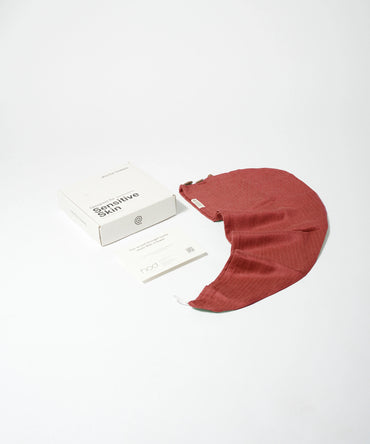
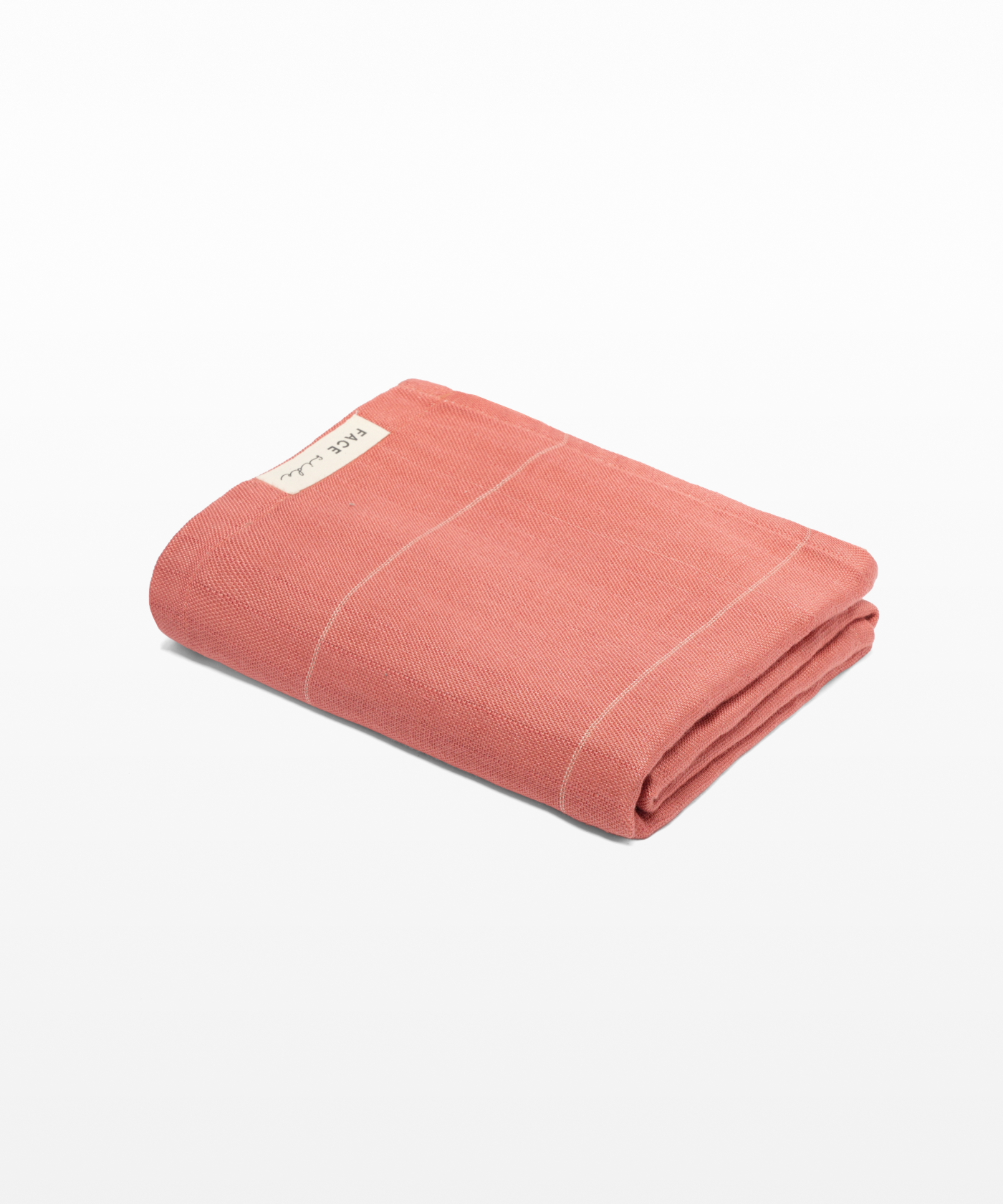
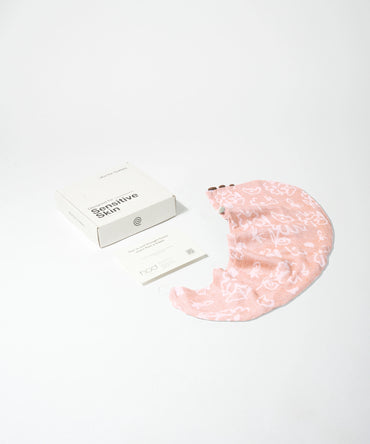
Bamboo Terry Towel Pack of 1
Rs. 499
67% off
Bamboo Terry Towel Pack of 1
Rs. 499







Share this article
What Towel Is Best for Acne-Prone Skin?
If your routine seems thoughtful but your skin still feels irritated after drying your face, the towel step may be getting overlooked. This guide explains what towel is best for acne-prone skin by focusing on friction, irritation, and acne-aware face-drying habits.
What Towel Is Best for Acne-Prone Skin?
You wash your face, apply the products that usually work for you, and then dry off without thinking twice. That last step can feel too small to matter, until you realize your skin feels irritated after drying your face or rough on active breakouts. For a lot of people, the aha moment is simple: the towel step was never neutral.
If you have ever thought, “my routine was fine except my towel felt rough on active breakouts,” you are not imagining the difference. When people ask what towel is best for acne, the better question is often: what kind of face-drying routine is gentlest on acne-prone skin?
This article is educational content, not a diagnosis. If acne is persistent, painful, or severe, it is important to seek care from a dermatology professional.
Hook — The Problem They Didn’t Know They Had
A lot of acne advice focuses on cleansers, treatments, and sunscreen. That makes sense. But it also leaves out one routine step that touches your skin every single day: how you dry your face.
That omission matters because acne-prone skin is often already dealing with irritation, sensitivity, or a disrupted skin barrier. If the face-drying step adds more rubbing, more friction, or a rougher feel than your skin can comfortably handle, it can make the whole routine feel less calm.
This is why some people say things like, “I never thought my towel could be part of the problem” or “using the same face towel every day made my skin feel gross.” Those reactions are not really about towels in a generic home-textile sense. They are about skincare habits.
Doctor Towels approaches this category from that skincare-first point of view. The question is not which towel looks nicest in a bathroom. The question is which towel habit supports a gentle routine for acne-prone and sensitive skin.
When you think about what towel is best for acne-prone skin, there are a few practical filters that matter more than style or bulk: how the fabric feels on skin, whether you are rubbing or pressing, whether the towel is dedicated to your face, and whether that step feels intentional rather than like an afterthought.
The Science Behind The Problem
There is a reason dermatology guidance keeps coming back to gentleness.
The American Academy of Dermatology says that when treating acne, people should wash with a gentle, non-abrasive cleanser and specifically avoid scrubbing the skin with washcloths, sponges, and other tools because that can irritate acne-prone skin. That takeaway comes from the AAD article How to treat acne and is one of the clearest reminders that physical irritation matters in an acne-aware routine.
A second AAD source, DIY acne treatment, reinforces the same overall idea: acne-friendly skin care and dermatologist-recommended habits are a core part of acne management. In other words, product choice matters, but routine behavior matters too.
Published medical literature also supports the role of mechanical stress. The PubMed-listed article Acne mechanica describes how friction, pressure, rubbing, and occlusion can aggravate acneiform eruptions. Another PubMed-listed paper, Inner thigh friction as a cause of acne mechanica, supports the broader point that mechanical friction can contribute to acne mechanica in friction-prone areas.
Those studies are not saying a face towel causes all acne. That would be too simplistic and medically inaccurate. Acne is multifactorial. But they do support an important routine-level point: when skin is already prone to breakouts or irritation, repeated friction and rubbing can make things feel worse.
That is why the face towel question belongs in the same conversation as cleansers, serums, and skin-barrier-friendly habits. If your goal is a gentler routine, the drying step deserves the same attention as the washing step.
The Mechanisms — How It’s Actively Hurting You
Friction Can Add Irritation To Already Reactive Skin
Acne-prone skin is often treated like it needs to be scrubbed into submission. Dermatology guidance says the opposite. The AAD specifically cautions against scrubbing with washcloths and similar tools because that can irritate the skin.
In practice, this means the problem is often not just the towel itself. It is the motion. Rubbing your face dry can create more friction than skin needs, especially around inflamed spots, the jawline, cheeks, or any area where your barrier already feels stressed.
Rough Drying Can Turn A Neutral Step Into A Stressful One
A towel should be the quiet part of your routine. But when the fabric feels harsh, the drying step can become the moment your skin starts stinging, flushing, or feeling “off.”
That is why people often describe the issue in sensory terms before they describe it in acne terms. They say, “my skin feels irritated after drying my face.” Or, “my towel felt rough on active breakouts.” Those details matter because skin comfort is part of routine consistency. If a step feels irritating, people either rush through it or keep doing it while their skin stays uncomfortable.
Reusing A Face Towel Without Thinking About It Can Make The Routine Feel Less Clean
This article does not make unsupported claims about contamination timelines or bacterial counts. But from a routine perspective, many people simply do not like the feeling of drying freshly washed skin with the same face towel again and again.
That is where customer language is revealing. “Using the same face towel every day made my skin feel gross” is less about panic and more about routine awareness. If you are careful about what cleanser touches your face, it makes sense to be thoughtful about what fabric touches it right after.
The Towel Step Is Often Treated As An Afterthought
People build long skincare routines around cleansing, exfoliating, moisturizing, and protecting the skin barrier. Then they grab whatever towel is nearby.
That mismatch is the hidden cause for a lot of frustration. You can have a gentle cleanser and still finish with a rough, rushed drying step. You can be careful with active breakouts and still use more pressure than your skin likes. You can be acne-aware in every other part of your routine and still overlook the fabric touching your face twice a day.
What Real People Were Dealing With
The language people use around this problem is strikingly consistent.
Some say, “my face towel was giving me jawline acne.” That phrasing is personal and direct, even if the full picture is more complicated than one cause. It captures a real experience many people have: they notice a pattern, especially in areas that already feel sensitive or friction-prone.
Others say, “my skin feels irritated after drying my face.” That line points to a routine issue that is easy to miss because it happens after cleansing, when people assume the hard part is over.
Then there is the realization that catches many people late: “I never thought my towel could be part of the problem.” That is the hidden-cause moment. Not because towels are magical, but because skin routines are cumulative. Small daily habits can shape how comfortable your skin feels over time.
Another common frustration is cleanliness. “Using the same face towel every day made my skin feel gross” gets at the emotional side of the routine. Even when someone has a thoughtful skincare lineup, the towel step can still feel disconnected from the rest of the process.
And maybe the clearest expression of what people actually want is this one: “I wanted a towel that felt like it belonged in my skincare routine.” That is the Doctor Towels category in one sentence. Not bath-linen shopping. Skincare-aware routine design.
What To Actually Do
If you are trying to figure out what towel is best for acne-prone skin, focus less on marketing language and more on habits that reduce friction and support comfort.
1. Stop Rubbing Your Face Dry
This is the first change to make because it lines up most clearly with the dermatology guidance provided. The American Academy of Dermatology cautions that scrubbing with washcloths, sponges, and other tools can irritate acne-prone skin.
That same logic applies to drying. Instead of rubbing, gently press or pat your skin dry. The goal is to remove water without turning the towel step into mechanical stress.
2. Choose A Face Towel That Feels Gentle On Skin
The best towel for acne-prone skin should support a gentle feel, not add more irritation. This is not about making a medical claim about fabric technology. It is about choosing a face towel that feels comfortable enough for a lower-friction routine.
If your current towel feels rough, drags across the skin, or makes active breakouts feel more noticeable, that is useful information. Comfort is not superficial here. It is part of an acne-aware routine.
3. Use A Dedicated Face Towel Habit
A dedicated face towel habit helps make the face-drying step more intentional. Instead of treating any nearby towel as interchangeable, separate your face towel from the rest of your household towel use.
This supports the broader skincare-first mindset: your face-drying routine should belong in the same category as the rest of your skin-care decisions.
4. Treat Drying As Part Of Your Skincare Routine, Not The End Of It
People often think cleansing is the skincare step and drying is just what happens after. But if the drying step changes how your skin feels, it is part of the routine.
That means slowing down enough to notice whether your skin feels calm after drying or more irritated. It means paying attention to whether your towel habit supports the skin barrier or seems to work against the comfort you are trying to build with the rest of your products.
5. Keep The Whole Routine Acne-Aware And Gentle
The AAD guidance in the provided sources emphasizes acne-friendly skin care and dermatologist-recommended habits as part of acne management. So the towel question should sit inside a bigger routine question: are your daily choices gentle, non-abrasive, and consistent with what your skin tolerates well?
A better towel habit cannot replace medical acne care. But it can make the routine around that care feel more supportive and less irritating.
Why Doctor Towels Was Built For This
Doctor Towels was built from a skincare-first position, not a generic towel position. That matters because the product is meant to belong in the same conversation as cleansers, serums, and skin-barrier-friendly habits.
In practical terms, that means the towel step is treated as an intentional skincare step, not an afterthought. The brand is designed for people with acne-prone skin, sensitive skin, and anyone trying to build a gentler face-drying routine with more awareness around friction, irritation, comfort, and cleanliness.
This is also why Doctor Towels should be understood as part of a gentle skincare routine, not as a cure. The role of the product is to fit into lower-friction, more skin-aware daily habits.
For readers who want to keep exploring the routine side of this topic, a skincare-first face towel can make more sense than a generic bathroom towel because it reflects the way many people already think about skin care: each step should earn its place. You can see that mindset reflected in Doctor Towels and in the broader guide to acne-safe towels.
The Bottom Line
So, what towel is best for acne-prone skin?
The best answer is not a trend or a luxury claim. It is a towel and routine combination that helps you dry your face gently, reduce unnecessary friction, and treat the towel step as part of an acne-aware skincare routine.
For acne-prone and sensitive skin, the most useful filters are simple: a gentle feel, less rubbing, a dedicated face towel habit, and a skincare-first mindset. That approach fits what dermatology guidance already emphasizes about avoiding abrasive habits and minimizing irritation.
If your skin has been telling you something with comments like “my skin feels irritated after drying my face” or “I never thought my towel could be part of the problem,” it may be worth looking at the last step of your routine, not just the first.
And if you are still asking what towel is best for acne, the calmest answer is this: one that supports a gentler face-drying routine without pretending to be a cure. If acne is persistent or severe, a dermatology professional can help you build a treatment plan that goes beyond routine adjustments.
Medical Sources & Further Reading
- American Academy of Dermatology. How to treat acne. https://www.aad.org/news/how-to-treat-acne
- American Academy of Dermatology. DIY acne treatment. https://www.aad.org/public/diseases/acne/diy
- PubMed. Acne mechanica. https://pubmed.ncbi.nlm.nih.gov/123732/
- PubMed. Inner thigh friction as a cause of acne mechanica. https://pubmed.ncbi.nlm.nih.gov/30883890/
Medical Citations
- How to treat acne - American Academy of Dermatology - https://www.aad.org/news/how-to-treat-acne
- DIY acne treatment - American Academy of Dermatology - https://www.aad.org/public/diseases/acne/diy
- Acne mechanica - PubMed - https://pubmed.ncbi.nlm.nih.gov/123732/
- Inner thigh friction as a cause of acne mechanica - PubMed - https://pubmed.ncbi.nlm.nih.gov/30883890/
Prev post
Towel Bacteria on Your Face: The Hygiene Step That Can Undercut Your Routine
Updated on 27 March 2026
Next post

How to Keep Your Skin Hydrated and Protected During North Indian Winters
Updated on 14 October 2025