


 67% off
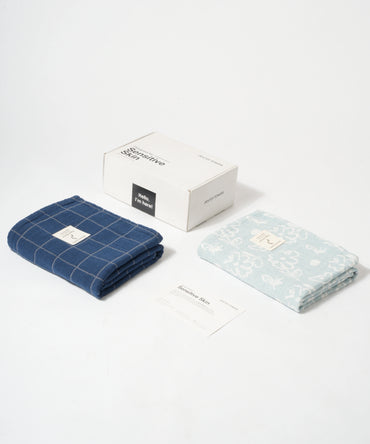
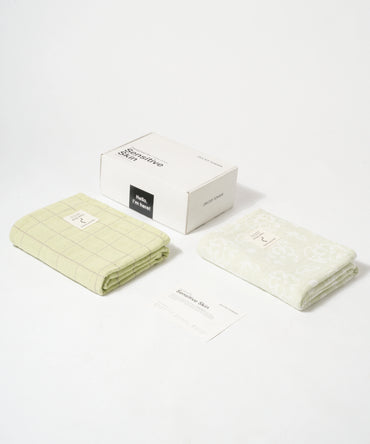
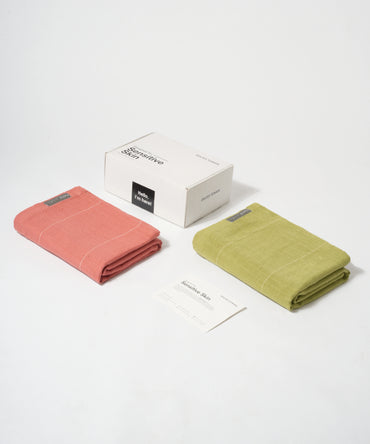
Bamboo Terry Towel Pack of 1
Rs. 499
67% off
Bamboo Terry Towel Pack of 1
Rs. 499






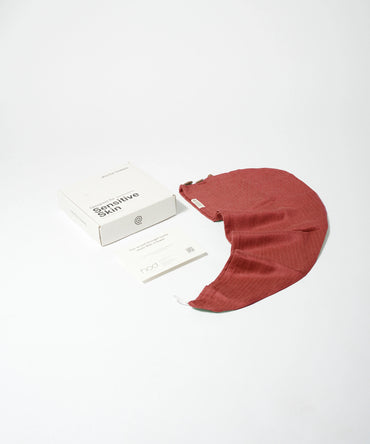
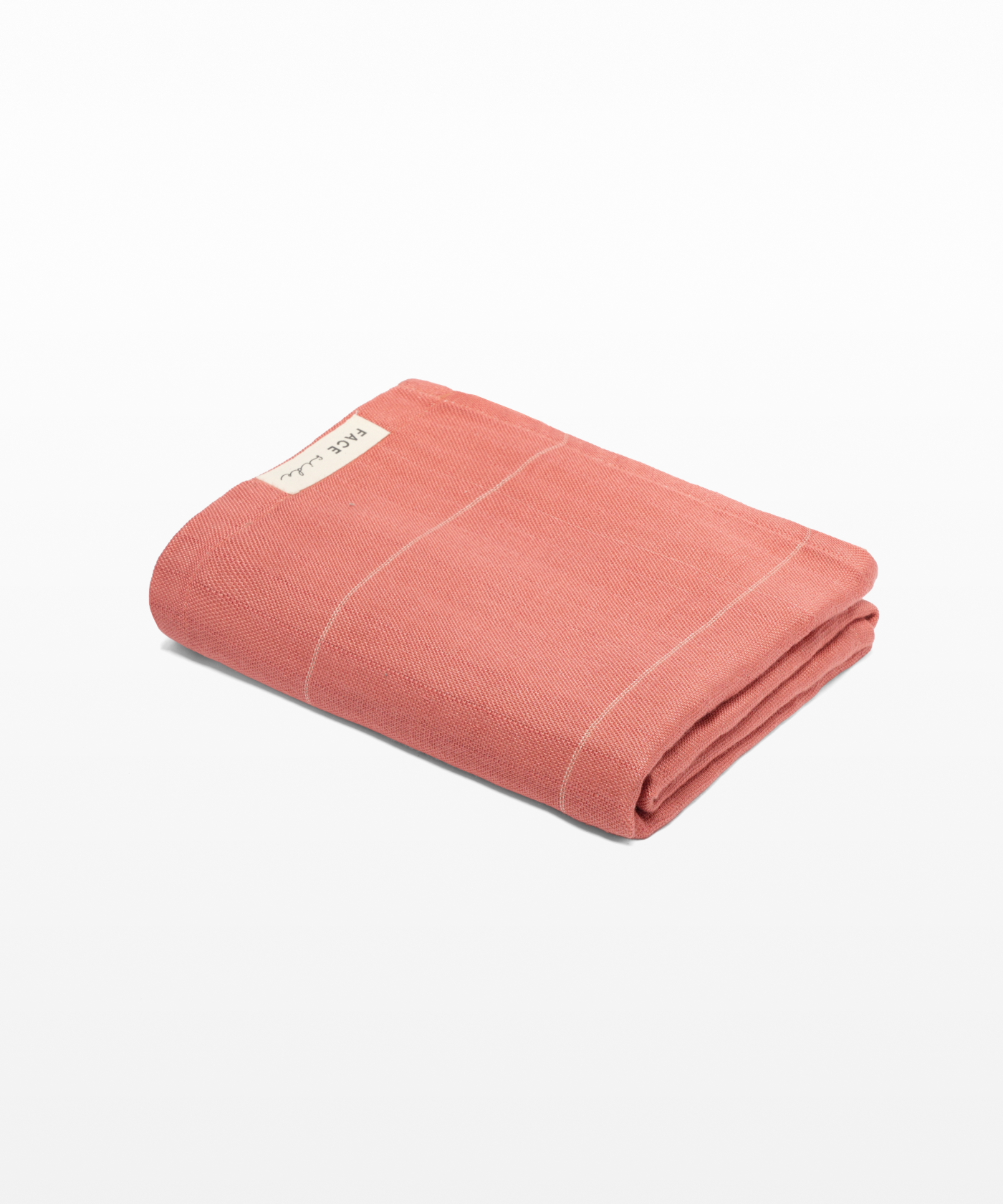

Share this article
Towel Bacteria on Your Face: The Hygiene Step That Can Undercut Your Routine
A lot of people focus on cleanser, serum, and moisturizer, then barely think about what touches their face next. If your skin still feels irritated or grimy after washing, your face-drying routine may be the missing step.
Towel Bacteria on Your Face: The Hygiene Step That Can Undercut Your Routine
You wash your face, use products that usually work, and still end up wondering why your skin feels off by midday. It can feel random until the aha moment hits: the step after cleansing still counts. For acne-prone skin and sensitive skin, what touches your face after washing can shape comfort, irritation, and how clean your routine really feels.
A lot of people never think of the towel step as part of skincare. But if your skin feels irritated after drying your face, or if using the same face towel every day made your skin feel gross, that is not a small detail. It is a routine blind spot.
The Problem They Didn’t Know They Had
Most people think of cleansing as the hygiene step. Once the cleanser is rinsed off, the face is clean, the routine moves on, and the towel barely registers. That sounds harmless, but it can create a gap between what your routine is trying to do and what your habits are actually doing.
When people search towel bacteria face, they are usually trying to make sense of a pattern like this:
- their skin feels clean right after washing but irritated soon after
- active breakouts feel more sensitive after drying
- their routine seems fine except one step still feels rough or unclean
- they keep asking, does my towel cause acne or can dirty towels cause breakouts
The point is not that a towel is automatically “the cause” of every breakout. Acne is complex, and persistent or severe acne concerns should be evaluated by a dermatologist or other qualified medical professional. But the towel step can still matter because it combines two things acne-prone skin often does not love:
- repeated contact
- friction
That is why face towel hygiene belongs in the same conversation as cleansers, exfoliants, and barrier-friendly habits. If your skin is already reactive, the drying step is not neutral just because it happens fast.
The Science Behind The Problem
The strongest approved research here is not a claim that one specific towel causes acne. It is the broader dermatology principle that acne-prone skin does better with gentle, non-abrasive care, and that friction and rubbing can aggravate acneiform eruptions.
According to the American Academy of Dermatology (AAD), dermatologists recommend gentle, non-abrasive cleansing and specifically caution that scrubbing with washcloths, sponges, and other tools can irritate acne-prone skin. That matters because many people are not aggressively scrubbing while cleansing, but they are still rubbing while drying. The skin can experience the same mechanical stress at the end of the wash step.
The AAD also notes that acne-friendly skin care and dermatologist-recommended habits are a core part of acne management. In other words, routine details matter. A face-drying routine that adds irritation is working against the rest of your skincare.
Two PubMed-listed sources on acne mechanica add the mechanism behind that advice:
- friction, pressure, rubbing, and occlusion can aggravate acneiform eruptions
- mechanical friction can contribute to acne mechanica in friction-prone areas
That does not mean every towel leads to breakouts. It does mean that repeated rubbing, rough contact, and low-awareness hygiene habits can create conditions that are less skin-friendly, especially for acne-prone skin.
Because the user query is often about towel bacteria on face or dirty towel skin irritation, it helps to separate the issue into two practical questions:
- is the towel clean enough for repeated facial contact?
- is the drying method gentle enough for reactive skin?
Those are not the same problem, but they often show up together.
The Mechanisms — How It’s Actively Hurting You
Friction Can Turn A Quick Dry-Off Into An Irritation Step
The AAD’s guidance is clear: acne-prone skin should be treated gently, and scrubbing with washcloths, sponges, and similar tools can irritate it. Even if you are not using a washcloth to cleanse, a rough or vigorous drying habit can still create unnecessary friction.
That matters because friction is not just a comfort issue. The PubMed source on Acne mechanica identifies friction, pressure, rubbing, and occlusion as factors that can aggravate acneiform eruptions. For skin that already feels inflamed, tender, or compromised, repeated rubbing can be one more thing it has to recover from.
This is why the best way to dry face after washing is usually not the fastest or most forceful method. If your towel drags across the skin, catches on active spots, or leaves your face feeling warm and reactive, the drying step may be too aggressive.
Reuse Can Make The Towel Step Feel Less Clean Than You Think
People often treat a face towel like a neutral household item. But the face is not the body, and a towel used on the face keeps getting folded back into a skincare routine where cleanliness matters.
Even without making unsupported medical claims, the practical issue is easy to understand:
- a towel touches freshly cleansed skin
- it can be reused repeatedly
- it may stay damp between uses
- it often gets little attention compared with cleansers or pillowcases
That is why face towel hygiene keeps showing up in customer language. The concern is not abstract science for most people. It is the feeling that something in the routine is no longer fresh enough for facial skin.
If you have ever thought, “I never thought my towel could be part of the problem,” that is the exact blind spot. Skin can be freshly washed, but the item touching it next may not feel aligned with that same standard.
Sensitive Or Acne-Prone Skin Often Notices The Drying Step More Than You Expect
Not every skin type reacts the same way to routine friction. Sensitive skin and acne-prone skin often notice contact-based irritation faster because the skin already has less tolerance for roughness, pressure, or repeated rubbing.
The AAD’s acne care guidance supports a broader principle: acne-friendly skin care is not just about treatment products. It includes habits that reduce irritation. If your skin feels irritated after drying your face, that response is worth paying attention to.
Common signs that the towel step may be too harsh include:
- skin that feels tight or warm right after drying
- active breakouts that sting more after contact
- redness that appears after rubbing, even if cleansing felt fine
- a lingering “not actually clean” feeling despite washing
Routine Blind Spots Add Up Over Time
A single rough dry-off may not seem dramatic. The issue is repetition. Skin care is daily, sometimes twice daily, and small sources of irritation can stack up.
The PubMed source on mechanical friction in acne mechanica is helpful here because it reinforces that repeated friction in contact-prone areas can contribute to irritation-related breakouts. Applied to face-drying habits, the takeaway is not fear. It is awareness.
If your routine is carefully chosen but the towel step is random, you may be undercutting the gentler habits you are trying to build.
Customer Language — What Real People Were Dealing With
This topic makes sense because people already describe the problem in very direct language. The pattern is not usually, “I need a better towel.” It is more like, “Something about this step feels wrong.”
Here are the customer-language pain points that show why the towel step keeps getting overlooked:
- “my face towel was giving me jawline acne”
- “my skin feels irritated after drying my face”
- “I never thought my towel could be part of the problem”
- “using the same face towel every day made my skin feel gross”
- “my routine was fine except my towel felt rough on active breakouts”
- “I wanted a towel that felt like it belonged in my skincare routine”
What stands out is how often the frustration is about mismatch:
- the cleanser is gentle, but the towel is rough
- the routine is acne-aware, but the drying habit is random
- the skin is freshly washed, but the towel does not feel clean enough
That is why searches like reusing face towel acne-prone skin or can dirty towels cause breakouts are really about routine logic. People are noticing that the drying step does not match the rest of what they are trying to do for their skin.
Actionable Habits — What To Actually Do
1. Treat Face Drying As Part Of Skincare, Not Cleanup
The towel step should sit in the same mental category as cleanser, moisturizer, and other barrier-aware habits.
- think of drying as skin contact, not just drying off
- notice whether the towel feels fresh enough for your face
- if your skin reacts after drying, count that as routine feedback
This shift alone helps people stop overlooking a step that happens every day.
2. Pat Instead Of Rub
The AAD recommends gentle, non-abrasive care and cautions against scrubbing with washcloths, sponges, and similar tools because they can irritate acne-prone skin.
A practical way to apply that guidance:
- press or pat the towel onto the skin
- avoid dragging the fabric across active breakouts
- slow down around inflamed or sensitive areas like the jawline and cheeks
If you are asking for the best way to dry face after washing, gentler contact is a smart default.
3. Use A Dedicated Face Towel
A dedicated face towel creates clearer hygiene boundaries than using whatever towel is nearby.
- keep a towel specifically for facial skin
- avoid mixing face use with body use
- store it in a clean, dry place between uses
This does not make medical promises. It simply makes the face-drying routine more intentional and more consistent with skincare-first habits.
4. Pay Attention To Reuse
If you keep wondering about towel bacteria on face or dirty towel skin irritation, reuse is one of the first habits to examine.
- notice how often the same towel touches your face
- be cautious with repeatedly using a damp towel
- if the towel no longer feels fresh, soft, or clean, that matters
Many people ignore this step because it feels small. But repeated facial contact is exactly why it deserves more attention.
5. Match The Fabric Experience To Reactive Skin
For acne-prone skin and sensitive skin, the feel of the towel matters.
- avoid anything that feels scratchy, stiff, or harsh
- notice whether the fabric catches on dry patches or active spots
- choose a face towel that fits a lower-friction, skin-aware routine
The goal is not perfection. It is reducing avoidable irritation where you can.
6. Get Professional Help For Persistent Or Severe Acne
A towel habit may be one piece of the puzzle, but it is not the whole story.
- if breakouts are persistent, painful, or worsening, see a dermatologist
- if your skin barrier feels repeatedly irritated, get personalized guidance
- keep routine changes supportive, not extreme
Acne management is bigger than one step, and professional care is important when symptoms do not improve.
Why Doctor Towels Was Built For This
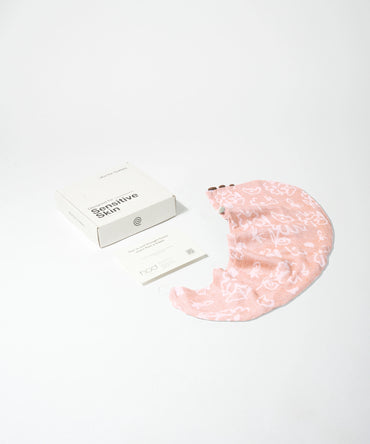
Doctor Towels belongs in this conversation because it is positioned as a skincare-first towel brand, not a generic bath towel brand. The product is meant to be considered alongside cleansers, serums, and skin-barrier-friendly habits, with the towel step treated as an intentional part of a gentle routine rather than an afterthought.
That framing matters for this topic. If your question is about towel bacteria face, face towel hygiene, or whether your drying step is working against your routine, then a skincare-first face towel makes more sense than treating facial skin like any other surface.
Within the approved brand and product knowledge, the fit is straightforward:
- Doctor Towels is designed for acne-prone skin and sensitive skin shoppers
- it is positioned as part of a gentle face-drying routine, not as a cure
- it connects the towel step to lower-friction, more skin-aware habits
- it keeps the focus on comfort, irritation, cleanliness, and routine logic
For readers who want to look at the brand’s research materials directly, Doctor Towels provides a research page and testing report here:
If you are already thinking about a towel as part of skincare, not just laundry, that is the right frame. A face towel can be a more intentional routine choice when your skin is easily irritated, breakout-prone, or sensitive to friction.
You can also explore the broader acne-aware routine context in this related guide: Acne-Safe Towels Guide. For readers looking for the product itself as part of a gentler face-drying routine, this is the relevant page: Doctor Towels.
The Bottom Line
If your skin feels clean after washing but irritated soon after, the missing variable may be what touches your face next. That is the real insight behind searches like towel bacteria on face and does my towel cause acne.
The core issue is not panic over one household item. It is that the drying step can quietly introduce friction, repeated contact, and a less intentional hygiene habit into a routine that is otherwise trying to be gentle.
For acne-prone skin and sensitive skin, that is worth taking seriously.
The perspective shift is simple: drying your face is not the end of skincare. It is part of skincare.
Medical Sources & Further Reading
- American Academy of Dermatology. How to treat acne. Approved takeaway used: dermatologists recommend gentle, non-abrasive cleansing and caution that scrubbing with washcloths, sponges, and other tools can irritate acne-prone skin. https://www.aad.org/news/how-to-treat-acne
- American Academy of Dermatology. DIY acne treatment. Approved takeaway used: acne-friendly skin care and dermatologist-recommended habits are a core part of acne management. https://www.aad.org/public/diseases/acne/diy
- PubMed. Acne mechanica. Approved takeaway used: friction, pressure, rubbing, and occlusion can aggravate acneiform eruptions. https://pubmed.ncbi.nlm.nih.gov/123732/
- PubMed. Inner thigh friction as a cause of acne mechanica. Approved takeaway used: mechanical friction can contribute to acne mechanica in friction-prone areas. https://pubmed.ncbi.nlm.nih.gov/30883890/
- Doctor Towels. Research Page. https://www.doctortowels.com/pages/research-page
- Doctor Towels. Testing Report. https://cdn.shopify.com/s/files/1/0376/8529/7196/files/Testing_Report.pdf?v=1758528655
Medical Citations
- How to treat acne - American Academy of Dermatology - https://www.aad.org/news/how-to-treat-acne
- DIY acne treatment - American Academy of Dermatology - https://www.aad.org/public/diseases/acne/diy
- Acne mechanica - PubMed - https://pubmed.ncbi.nlm.nih.gov/123732/
- Inner thigh friction as a cause of acne mechanica - PubMed - https://pubmed.ncbi.nlm.nih.gov/30883890/
Prev post

How To Keep Towels Fresh Without Washing Daily
Updated on 14 April 2026
Next post
What Towel Is Best for Acne-Prone Skin?
Updated on 27 March 2026