Tips and DIY on Skincare, Wellness, Personal Hygiene

Love is Meant to Be Shared — But Personal Hygiene Shouldn't Be

Why experts recommend keeping some things separate, even between partners

There’s something beautiful about closeness. In relationships, we share everything — time, space, stories, and sometimes, routines.

It’s completely natural to want to share a towel, borrow a razor, or fall asleep on your partner’s pillow after a long day. These habits may feel intimate or harmless, but when it comes to skin health and personal hygiene, sharing isn’t always caring.

In fact, sharing certain hygiene tools can silently cause skin issues, transfer bacteria or fungi, and disrupt your partner’s unique skin microbiome — even if neither of you notices immediately.

Here’s why dermatologists, skin scientists, and wellness experts all agree: for healthy skin and healthier love, some things are better kept separate.


1. Different Skin = Different Microbiomes

Every person has a unique skin ecosystem.

Your skin is home to billions of microscopic organisms — friendly bacteria, protective oils, and immune signals that all work together to form what’s called your skin microbiome. This delicate balance is different for everyone.

When you share towels, loofahs, razors, or even pillowcases, you're not just sharing an object — you’re sharing microbes.

Why it matters:

  • Sharing can throw off your skin’s balance, leading to unexpected breakouts, redness, or flare-ups
  • Your partner’s skin may carry different microbes or oils that your skin isn’t used to
  • This imbalance can cause inflammation — especially on sensitive or acne-prone skin

🧬 Think of your skin like a fingerprint — no two are alike. Protect yours by giving it its own tools.


2. Fungal Infections and Body Acne Love Shared Items

Moist environments = ideal breeding grounds.

Bathrooms are warm, humid spaces — perfect for fungal spores to thrive. Items like damp towels, loofahs, razors, and washcloths become hosts for yeast, bacteria, and fungi that multiply fast when not dried or sanitized properly.

Why it matters:

  • When shared, these items increase the risk of fungal acne, athlete’s foot, or rashes
  • Repeated exposure can lead to body acne, back breakouts, or skin irritation in warm, sweaty areas
  • Even if your partner shows no symptoms, spores can still transfer and grow on your skin

🌡️ Warm + wet + shared = a perfect storm for skin trouble.


3. What's “Clean” for One Person May Irritate the Other

Sensitivity isn’t universal.

Just because your skin can tolerate a detergent, towel texture, or product doesn’t mean your partner’s can. Sensitive skin may react to residues, dyes, leftover fabric softener, or even natural oils that linger on shared surfaces.

Why it matters:

  • You may accidentally expose your partner to triggers that worsen their eczema, acne, or allergies
  • Shared items like towels or sheets can hold microscopic irritants
  • Even if you both feel “clean,” unseen factors can still cause reactions

🔍 Clean is personal — and true care is respecting those boundaries.


4. Cross-Contamination Happens Quietly

Skin infections don’t always announce themselves.

We often think hygiene risks only apply when someone is visibly sick or unwell. But viruses, fungi, and bacteria don’t always show symptoms immediately.

Shared hygiene tools like:

  • Nail clippers
  • Tweezers
  • Razors
  • Towels
  • Washcloths

...can transfer more than just germs. They can transmit micro-cuts, skin infections, or warts that go unnoticed until symptoms appear.

Why it matters:

  • Tools that touch skin or hair should be sanitized and personal
  • Even a “quick borrow” can introduce issues that take weeks to resolve
  • If either partner has compromised skin (cuts, acne, sensitivity), the risk increases

🧼 Protect your skin like you protect your health — with quiet, consistent care.


Wellness Tip: Care Together. Cleanse Separately.

You don’t need to split your whole life — just the things that touch your skin directly.

The goal isn’t fear — it’s respect and prevention. Keeping separate towels, razors, and pillowcases is a small act of love that protects both you and your partner’s skin.

  • Use different colored towels to avoid confusion
  • Wash towels and pillowcases 2–3 times a week
  • Keep razors, clippers, and loofahs personal
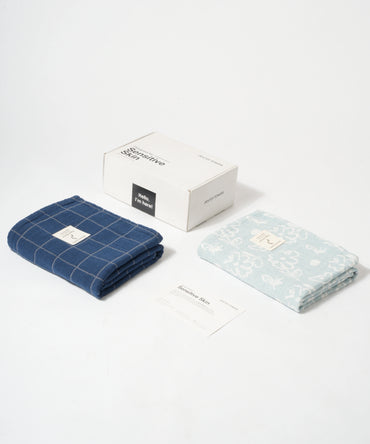
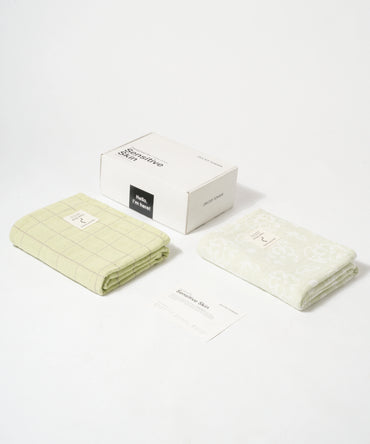
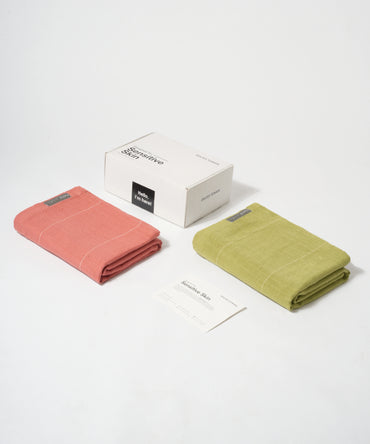
  • Choose skin-friendly, breathable towels like Doctor Towels that are designed for barrier safety

💡 Love means protecting each other — even from the bacteria you can’t see.


Why Doctor Towels?

We created our towels to support skin at every level — whether you're drying off, cleansing, or sharing a home with someone else.

Doctor Towels are:

  • 🌿 Infused with Aloe Vera or Banana Fibers to naturally soothe skin
  • 🧴 Fast-drying to prevent bacterial buildup
  • 🧼 Labeled for face and body — to avoid cross-contamination
  • ❌ Free from dyes, chemicals, and synthetic softeners

They’re soft enough to love. Smart enough to share responsibility. And easy to identify — even if you and your partner have matching ones.


Final Thought:

Togetherness should never compromise your health.

So love deeply, share joyfully, live closely — but when it comes to towels and tools that touch your skin, give each person their own.

Your skin will thank you.
And your relationship? Stronger, safer, and more skin-safe than ever.

Shop Now

How Your Lifestyle Affects Your Sensitive Skin

The daily habits that could be quietly disrupting your skin’s balance — and how to take control

We’re often told that great skin comes from great products. But for those with sensitive skin, that’s only part of the story.

You might be investing in the right serums, the gentlest cleansers, or the cleanest moisturizers — and still find yourself dealing with random flare-ups, unexplained breakouts, or that stubborn feeling of irritation.

So what’s going on?

The answer lies in something more subtle, more powerful, and often overlooked: your lifestyle.

Your skin is an active, intelligent organ. It doesn’t just sit there looking pretty — it protects you, communicates with your immune system, and responds to everything you do, eat, feel, and touch. And that means even your most “normal” daily routines could be silently affecting how your skin behaves.

Let’s take a closer look at the five key lifestyle factors that play a massive role in sensitive skin — and how you can shift them in your favor.


1. Sleep: The Ultimate Skin Regenerator

Sleep isn’t just rest — it’s repair.

During deep sleep, your body releases growth hormones that repair tissue, boost collagen production, and strengthen your skin barrier. If you consistently get poor or broken sleep, your skin doesn’t get this nightly renewal time.

That leads to:

  • Slower healing of acne and wounds
  • Increased inflammation and redness
  • Dryness, dullness, and higher reactivity

Even one night of poor sleep can trigger puffiness, a tired complexion, or a breakout. For sensitive skin, the damage is more pronounced — the skin becomes less resilient, more reactive, and quicker to show stress.

Here’s how to fix it:

  • Stick to a regular bedtime and wake-up routine
  • Keep devices out of the bedroom (blue light suppresses melatonin)
  • Switch to breathable, clean pillowcases that won’t trap bacteria or oil
  • Aim for 7–8 hours of deep, quality sleep

🛏 Doctor Towels recommends changing pillowcases 2–3 times a week — your face spends hours on it, after all.


2. Stress: The Hidden Skin Saboteur

Stress isn’t just in your head — it shows up in your skin.

When you’re stressed, your body produces cortisol, the hormone responsible for the "fight or flight" response. In the short term, cortisol is helpful. But chronically elevated cortisol levels lead to:

  • Increased oil production (which clogs pores)
  • Weakened skin barrier (which lets irritants in)
  • Delayed wound healing (which makes breakouts last longer)
  • Flare-ups of existing conditions like eczema, rosacea, or acne

You might notice that when you're anxious, your skin becomes redder, drier, or more prone to breakouts — that's no coincidence.

Here’s how to fix it:

  • Incorporate 10 minutes of mindful breathing or stretching daily
  • Move your body — walking, yoga, or dancing can release feel-good endorphins
  • Prioritize activities that calm you: journaling, reading, gardening
  • Don’t skip sleep — it's your skin’s reset button

🧠 Your skin is listening to your nervous system. When your mind calms down, your skin often follows.


3. Diet: What You Eat, Your Skin Shows

Food is not just fuel — it’s cellular information.

Every bite you take either supports or sabotages your skin. For sensitive skin types, this balance is especially delicate.

Foods that worsen inflammation (like sugar, processed foods, dairy, or fried snacks) can trigger skin flare-ups, break down collagen, and make your skin more vulnerable to stress and pollution. On the flip side, a nutrient-rich diet can help your skin glow from within.

Here’s how to fix it:

  • Reduce intake of refined sugars, fried food, and dairy
  • Increase omega-3s (from flaxseed, chia, salmon) to reduce inflammation
  • Eat antioxidant-rich fruits and vegetables (like berries, leafy greens, and carrots)
  • Drink plenty of water — hydrated skin starts from within

🥗 Doctor Tip: Glowing skin isn’t just topical — it starts in your kitchen.


4. Environment: The Air You Live In Shapes Your Skin

Whether you live in a city full of smog or a chilly home with the heater on, your environment constantly impacts your skin.

Pollution particles (called PM2.5) are small enough to penetrate skin, triggering oxidative stress, premature aging, and barrier damage. Dry air from heaters or air conditioning can strip moisture from your skin, leaving it tight, flaky, and uncomfortable.

For sensitive skin, these environmental changes can be overwhelming — leading to persistent dryness, redness, or stinging sensations.

Here’s how to fix it:

  • Double-cleanse gently at the end of the day to remove pollutants
  • Use moisturizers with barrier-repair ingredients like ceramides or niacinamide
  • Use a humidifier indoors when using AC or heat
  • Protect your skin outdoors with breathable clothing, SPF, and a calming facial mist

🌬️ Just like you protect your lungs from bad air, protect your skin — it’s breathing too.


5. Hygiene Tools: The Silent Saboteurs in Your Bathroom

Even if you're doing everything else right — clean skincare, balanced meals, consistent sleep — it can all be undone by one overlooked item: your towel.

Many people use old, rough, slow-drying towels that trap bacteria, mold, or detergent residue. Some people even use the same towel for face and body — causing cross-contamination without realizing it.

Every time you pat your skin dry with one of these, you may be:

  • Reintroducing bacteria onto freshly cleansed skin
  • Causing micro-abrasions (tiny skin tears) from rough fibers
  • Irritating sensitive patches with leftover detergents or fabric softeners

Here’s how to fix it:

  • Use towels made from skin-calming natural fibers like aloe or banana
  • Always air-dry your towels completely to prevent bacteria
  • Use separate towels for face and body — Doctor Towels even labels them for you
  • Wash towels every 2–3 days with gentle, fragrance-free detergent

🧼 Doctor Towels are dermatologist-recommended because they're breathable, fast-drying, and infused with soothing plant fibers. They help your skin, not harm it.


Final Thoughts: It’s Not Just What You Apply — It’s How You Live

Your lifestyle isn’t just a background detail — it’s your skin’s environment. And if your skin feels out of balance, irritated, or reactive, the answer isn’t always a stronger product.

Sometimes, the fix is as simple as:

  • Sleeping better
  • Breathing deeper
  • Swapping your towel
  • Eating more greens
  • And protecting your peace

Doctor Towels exists to make one of those choices easier: clean, breathable, skin-loving towels that support everything else you're doing right.

Because your skin deserves care in every form — not just in a bottle.

Shop Now

Your Skin Looks Clean But Is It Truly Safe?

Why Invisible Bacteria Might Be the Real Reason Behind Your Breakouts (And How to Fix It)

Most of us spend hours perfecting our skincare routines. The right cleanser, the calming toner, the holy-grail serum. Yet, even after doing everything “right,” breakouts still happen. Why?

The truth is: many skin issues don’t come from what we apply but from what our skin comes into contact with every day.

Bacteria buildup is one of the most overlooked causes of sensitive skin flare-ups, acne, and irritation. And it’s not just from dirt or pollution. In fact, it often comes from things we believe are already clean.

Let’s break down how bacteria sneak into your daily routine and what you can do to stop it.

1. Touching Your Face The Habit You Don’t Realize Is Hurting You

We touch our faces up to 23 times per hour, often without noticing. A quick scratch, a moment of rest on our hand, or adjusting our glasses it all counts.

Now imagine this: every surface you touch (elevator buttons, doorknobs, phone screens, public transport handles) could be carrying hundreds of thousands of bacteria. When you touch your face, you're transferring that bacteria directly onto your skin and potentially into your pores.

Why it matters:

Even if you’re using clean skincare, bacteria introduced by your own hands can lead to clogged pores, unexpected breakouts, and weakened barrier function. This is especially harmful for people with sensitive, reactive, or acne-prone skin.

What to do:

  • Wash your hands before applying any skincare
  • Avoid leaning your face on your hands while working or reading
  • Use hand sanitizers when soap isn’t available

2. Your Phone Screen The Germiest Surface You Own

Your phone goes everywhere with you: bathrooms, kitchens, public transport, restaurants. It touches countertops, your hands, and gets stuffed into bags or pockets constantly.

Now think about placing that phone against your cheek for a call. Every time you do, you're pressing a surface full of bacteria into your skin especially during humid days when sweat and oils already make your skin more vulnerable.

Why it matters:

Phones carry more bacteria than a toilet seat (yes, really). This can easily aggravate acne around the cheeks, jawline, and chin known as acne mechanica.

What to do:

  • Wipe your phone screen daily with alcohol-free disinfectant
  • Use earphones or speaker mode whenever possible
  • Avoid pressing your phone into your face during long calls

3. Unwashed or Overused Towels A Hidden Breeding Ground for Breakouts

Towels are supposed to clean you but if they’re not maintained properly, they can do the exact opposite. Towels that stay damp for too long, aren’t dried in sunlight, or aren’t changed often become the perfect home for bacteria, fungi, and mold.

Even if your towel looks clean, if it’s been used multiple times or hasn’t fully dried between uses, it may be redepositing germs right back onto your freshly cleansed skin.

Why it matters:

Using a bacteria-laden towel can undo all the benefits of your skincare routine. For people with eczema, acne, or sensitive skin, this can lead to flare-ups, irritation, or even fungal infections.

What to do:

  • Change towels every 2–3 days, especially face towels
  • Use fast-drying, breathable towels like Doctor Towels to prevent bacterial growth
  • Never use the same towel for your body and face cross-contamination is real

🛑 Warning sign: If your towel smells “damp” or “musty,” it’s already full of bacteria wash it immediately.

4. Pillowcases and Bedsheets the 8-Hour Bacteria Transfer Zone

Your skin spends 6 to 8 hours a night pressed against your pillow. That pillowcase collects sweat, dead skin, natural oils, and even remnants of your hair products.

Now imagine going weeks without washing it.

Even if you shower before bed, your pillowcase continues to accumulate buildup night after night making it a silent contributor to clogged pores, rashes, and irritation.

Why it matters:

Pillowcases (especially cotton ones) hold onto bacteria and moisture. If you have acne-prone skin, this can trigger breakouts on your cheeks, temples, and forehead often misattributed to products.

What to do:

  • Change pillowcases at least 2–3 times a week
  • Opt for breathable, antimicrobial fabrics when possible
  • If you sleep with your hand under your face, make sure your hand is clean too

The Fix: Start With Small, Consistent Habits

You don’t need a new serum. You need a cleaner environment around your skin. Here’s what dermatologists and hygiene experts recommend:

Swap your towels regularly and choose towels designed to stay clean longer
Wash pillowcases 2–3x a week
Clean your phone screen daily
Wash your hands before touching your face or applying skincare

These habits may sound simple and they are. But their impact on your skin’s clarity, calmness, and strength is massive.

Why Doctor Towels?

We created Doctor Towels because most towels just aren’t made with your skin in mind. They’re made for drying not for healing.

Our towels are:

🧴 Infused with Aloe Vera & Banana fibers to soothe skin naturally
💨 Fast-drying so bacteria doesn’t get a chance to grow
🧼 Labeled for Face & Body to prevent cross-contamination
🚫 Free from harsh dyes, softeners, or synthetic fragrances

They’re gentle enough for reactive skin. Smart enough for anyone who wants to take skincare seriously beyond just the products.

Final Thought:

Your skin works hard to protect you every day. Let’s return the favor by protecting it from what we can’t see bacteria buildup from towels, hands, phones, and pillowcases.

Thanks for choosing Doctor Towels to be part of that care.

Clean habits = clearer skin.
Start with your towel.

Shop Now

The Sensitive Skin Survival Guide

5 Everyday Shifts That Make a Real Difference Backed by Science, Loved by Skin.

If your skin stings after a face wash, reacts to weather changes, or breaks out without warning you’re not alone. Sensitive skin affects millions of people, and it doesn’t always follow a clear pattern. Some days it behaves, other days it flares up. The frustrating part? Even products meant “for sensitive skin” can sometimes make things worse.

At Doctor Towels, we believe the answer isn’t more skincare. It’s smarter, gentler habits that protect your skin barrier the invisible shield that keeps irritants out and moisture in.

And the best part? These shifts are simple, science-backed, and completely doable.

1. Keep Your Routine Simple

More products = more problems.
When you have sensitive skin, less truly is more. Over-cleansing, layering too many actives, or experimenting with the latest trends can disrupt your skin’s pH and barrier. The result? Redness, dryness, and inflammation.

What you can do:

  • Choose fragrance-free, alcohol-free cleansers
  • Moisturize with products that contain minimal, calming ingredients (like ceramides, squalane, or oat extracts)
  • Avoid switching products too frequently
  • Stick to a gentle, consistent routine

🧖♀️ Doctor Tip: Think of your skin like a healing wound it needs rest, not stimulation.

2. Use Lukewarm Water Always

Hot showers feel relaxing, but your skin disagrees.
High temperatures strip away the skin’s natural oils, leaving it tight, dry, and more reactive. For sensitive skin, that’s a recipe for discomfort.

What you can do:

  • Wash your face and body with lukewarm (not hot) water
  • Avoid steamy showers or long baths
  • Pat your skin dry with a soft, clean towel don’t rub

🚿 Doctor Towels are engineered with super-soft, fast-drying fibers to reduce post-shower friction and bacterial buildup.

3. Hydrate Inside & Out

Dehydration isn’t just about water intake it’s about your skin barrier function.
When your skin lacks water, it can feel tight, itchy, or flaky. Drinking enough fluids is crucial, but so is sealing that moisture in with the right topical support.

What you can do:

  • Drink 8–10 glasses of water a day
  • Use hydrating moisturizers with ingredients like hyaluronic acid or glycerin
  • Apply moisturizer right after showering, when skin is still slightly damp

💧 Tip: Pair hydration with a breathable towel like ours, which doesn’t trap moisture and helps your skin stay balanced.

4. Manage Your Stress Levels

Your skin listens to your mind.
Stress triggers inflammation and increases cortisol levels both of which can lead to breakouts, hives, eczema flares, and increased sensitivity.

What you can do:

  • Incorporate 5–10 minutes of breathwork or meditation
  • Take short nature breaks during your day
  • Journal or do a creative activity to unwind
  • Prioritize quality sleep it's your body’s natural reset button

🧘 Calmer mind, calmer skin. Don’t underestimate how powerful that connection really is.

5. Always Patch Test

Even the cleanest product can cause a reaction.
Sensitive skin is unpredictable and sometimes, it reacts to ingredients others tolerate just fine.

What you can do:

  • Before using a new product, apply a small amount behind your ear or on your inner arm
  • Wait 24–48 hours to check for redness, itching, or bumps
  • If no reaction, proceed with caution and ease the product into your routine

🧴 This single step can save you from weeks of irritation. It’s worth the extra day.

What’s This Got to Do With Your Towel?

More than you think. Towels are one of the most overlooked tools in skin health. If yours is rough, slow-drying, or holds bacteria, it could be making your skin worse without you even realizing it.

That’s why Doctor Towels are:

  • Made from Aloe Vera and Banana fibers naturally soothing and gentle
  • Fast-drying reducing bacterial buildup
  • Free from harsh dyes and chemicals
  • Split-labeled for face and body to prevent cross-contamination

Your towel isn’t just drying you off. It’s either helping or hurting your skin.

Final Thought:

Your skin isn’t your enemy. It’s a smart, self-healing organ trying to protect you. When you listen to it, support it, and protect it with the right choices it rewards you with calmness, clarity, and confidence.

So be kind. Simplify. And let Doctor Towels be a part of your skin’s healing journey.

shop now

Heat Rashes & Prickly Heat: How to Keep Your Baby’s Skin Cool & Comfortable

A baby’s delicate skin deserves extra care—choose the right bath towel to help keep them fresh and dry!

Understanding Heat Rashes & Prickly Heat in Babies

Babies have more sensitive skin than adults, making them more prone to heat rashes and prickly heat—especially in warm or humid climates.

What causes heat rashes?
Heat rashes, also known as prickly heat (miliaria), occur when sweat gets trapped under the skin due to blocked sweat glands. This can happen when:
✔ A baby sweats excessively, but moisture isn’t absorbed properly.
Damp towels and clothing trap heat, leading to skin discomfort.
✔ The skin is covered with non-breathable fabrics, preventing proper cooling.

If your baby is experiencing tiny red bumps, fussiness, or skin discomfort, ensuring proper moisture control after bath time can help keep them feeling fresh.


Common Areas Where Heat Rashes Occur

💦 Back – When sweat accumulates under clothing or while lying down.
💦 Chest – If moisture gets trapped under layers of fabric.
💦 Diaper Area – If excess moisture isn’t absorbed properly after bath time.

Using a soft, quick-drying baby towel can help maintain better moisture balance while keeping your baby’s skin comfortable after bath time.


How the Right Bath Towel Can Support Your Baby’s Skin Comfort

1️⃣ Choosing a Quick-Drying Towel for Better Moisture Control

A slow-drying bath towel may retain excess moisture, making it less fresh between washes.

🚨 Why Moisture Control Matters:

  • A damp towel may take longer to dry, making it feel less fresh.
  • Sweat that isn’t absorbed properly can contribute to skin discomfort.
  • Frequent use of a wet towel may reduce overall freshness.

Solution: Doctor Towels’ Baby Towels dry faster, helping to reduce moisture buildup and keep the towel feeling fresh between washes.


2️⃣ Using a Soft Towel to Minimize Friction

A baby’s skin is delicate, and harsh fabrics can increase skin sensitivity.

🔹 What Happens When Towels Are Too Rough?

  • Increased friction may cause minor skin discomfort.
  • Repeated exposure to rough textures can reduce comfort after bath time.
  • Soft fabrics support a more soothing drying experience.

Solution: Doctor Towels’ Baby Towels are ultra-soft and designed for gentle drying, helping to minimize friction while keeping the skin fresh.


3️⃣ Selecting a Towel That Balances Absorbency

While it’s important for a bath towel to absorb excess moisture, it shouldn’t strip away too much hydration from a baby’s skin.

🚨 How Absorbency Affects Baby Skin:

  • Over-absorbent towels may remove too much natural moisture, leading to dryness.
  • Towels that don’t absorb well may leave too much moisture behind, leading to discomfort.
  • A balanced towel should dry effectively while maintaining hydration.

Solution: Doctor Towels’ Baby Towels provide the right absorbency balance, removing excess water while maintaining skin comfort.


4️⃣ Choosing a Towel Free from Harsh Chemicals & Additives

Some towels contain synthetic dyes or fabric softeners, which may leave behind residues that reduce overall comfort.

🚨 Things to Consider in Baby Towels:

  • Artificial dyes or fragrances – Some babies may be more sensitive to added dyes or fragrances.
  • Fabric softeners – Some contain additives that may not be ideal for delicate skin.
  • Heavy detergents – Certain washing powders may leave behind residue on towel fibers.

Solution: Doctor Towels’ Baby Towels are free from unnecessary dyes and fabric softeners, offering a clean, skin-friendly drying experience.


Why Choose Doctor Towels for Baby’s Bath Time?

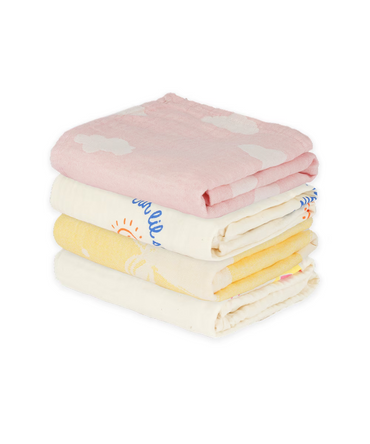
Doctor Towels are crafted with softness, absorbency, and freshness in mind, making them a practical choice for daily bath time routines.

Ultra-soft, baby-friendly fabric – Designed for gentle drying without friction.
Quick-drying material – Helps reduce moisture retention and keeps the towel feeling fresh.
Free from unnecessary dyes & additives – A simple, skin-friendly option.
Lightweight & breathable – Helps keep baby comfortable post-bath.

Unlike ordinary towels, which may trap moisture for longer, Doctor Towels provide a fresh, comfortable drying experience for your little one.


What Parents Say About Doctor Towels’ Baby Towels

⭐️⭐️⭐️⭐️⭐️
"Soft, lightweight, and perfect for my baby’s bath time routine!"
Neha P., 02/28/2025


Upgrade to a Baby Towel Designed for Freshness & Comfort!

Say goodbye to damp, slow-drying towels.
Choose a towel designed with baby comfort in mind.

👉 Shop Doctor Towels’ Baby Towels Now!


The Best Baby Towel for Delicate Skin: Why Your Choice of Bathing Towel Matters

A baby’s skin needs extra care—choose a bathroom towel that’s as gentle as they are!

Why Your Baby’s Towel Choice Is Important

When it comes to baby skincare, parents focus on mild soaps, lotions, and soft fabrics—but what about the bath towel?

A baby’s skin is thinner and more sensitive than adult skin, meaning it is more prone to irritation, rashes, and dryness. The wrong bathroom towel—one that is too rough, slow-drying, or treated with harsh chemicals—can unintentionally cause discomfort or trigger sensitivities.

Choosing the right baby towel is just as important as selecting the right baby skincare products. Let’s explore why towel quality matters and how Doctor Towels’ Baby Bath Towels provide a safer, softer alternative for your little one.

5 Things to Look for in a Baby Bath Towel

1️⃣ Ultra-Soft Fabric to Prevent Irritation

A baby’s skin barrier is still developing, making it more vulnerable to friction and rough textures.

🚨 Why Rough Towels Can Be a Problem:

  • Coarse fabrics can cause micro-irritations, leading to redness.
  • Repeated use of a rough towel may make dry patches worse.
  • Some bathroom towels become rougher after multiple washes, increasing discomfort.

Solution: Doctor Towels’ Baby Towels are crafted from ultra-soft fibers, designed to minimize friction and provide a smooth, gentle drying experience.


2️⃣ Quick-Drying Towels Help Keep Baby’s Skin Fresh

A slow-drying bathroom towel stays damp longer, which may lead to a buildup of moisture that can affect hygiene.

💦 Why This Matters for Babies:

  • A damp towel can feel uncomfortable on delicate skin.
  • Moist towels left in the bathroom may take too long to dry properly.
  • Reusing a towel that hasn’t dried fully can lead to an unpleasant odor over time.

Solution: Doctor Towels’ Baby Bath Towels are designed to dry faster, helping reduce moisture buildup and keeping the towel fresh between washes.


3️⃣ Hypoallergenic & Chemical-Free Fabric for Baby’s Safety

A baby’s skin is more absorbent, meaning it can react quickly to residual chemicals in towels. Some conventional towels contain fabric softeners, synthetic dyes, or fragrances that may not be ideal for sensitive skin.

🚨 Things to Watch Out for in Baby Towels:

  • Artificial dyes or fragrances – May leave behind residues that cause irritation.
  • Fabric softeners – Some contain additives that can linger in towel fibers.
  • Harsh detergents – Certain laundry detergents may leave behind traces of chemicals, affecting comfort.

Solution: Doctor Towels’ Baby Towels are free from unnecessary dyes and harsh chemicals, ensuring a pure, skin-friendly drying experience.


4️⃣ Absorbent Without Stripping Away Natural Moisture

Absorbency is key, but some bath towels may pull away too much moisture, leaving baby’s skin feeling tight after bath time.

💡 What Happens If a Towel Over-Dries the Skin?

  • Removes too much moisture, leading to dryness.
  • Can make existing dry patches feel worse over time.
  • A balanced towel should absorb water without stripping essential hydration.

Solution: Doctor Towels’ Baby Bath Towels provide the right balance—absorbing excess water while maintaining skin comfort.


5️⃣ A Towel That Stays Fresh for Longer

Parents don’t always have time to wash towels every day, which means a bathroom towel that stays fresh longer is essential.

🚨 Why Frequent Washing Is Important:

  • Sweat, bath products, and natural skin oils can build up over time.
  • A towel that doesn’t dry properly may retain a musty odor.
  • Using the same towel for too long before washing can lead to unwanted exposure to external elements.

Solution: Doctor Towels’ Baby Towels dry faster and remain fresher between washes—perfect for busy parents!


Why Doctor Towels’ Baby Towels Are the Best Choice for Your Little One

Doctor Towels prioritize softness, absorbency, and quick drying, making them perfect for babies who need extra care.

Ultra-soft, hypoallergenic fabric – Designed for gentle drying without irritation.
Quick-drying material – Helps limit moisture retention, keeping the towel fresh.
Free from harsh dyes & chemicals – Safer for sensitive baby skin.
Breathable & moisture-wicking – Keeps the baby comfortable after bath time.

Choosing the right baby towel can make a big difference in ensuring your baby’s comfort and skin protection.


What Parents Say About Doctor Towels’ Baby Bath Towels

⭐️⭐️⭐️⭐️⭐️
"This towel is so soft! My baby used to get dry patches after bath time, but now her skin feels much better!"
Neha P., 02/22/2025


Upgrade Your Baby’s Towel to a Safer, Softer Option!

Say goodbye to rough, damp towels.
Choose a towel designed with baby comfort in mind.

👉 Shop Doctor Towels’ Baby Towels Now!