Can A Face Towel Trigger Acne Mechanica?
You wash your face, use products that are supposed to be gentle, and try not to pick at breakouts. Then you dry off without thinking twice. That is the part a lot of people miss. If your skin feels irritated after drying your face, or your routine was fine except your towel felt rough on active breakouts, the towel step may be doing more than you realized.
For acne-prone skin, the issue is not just what touches your face. It is how it touches your face. Friction, pressure, rubbing, and repeated irritation can aggravate acneiform eruptions, which is why the question is not only whether towels cause acne, but whether face towel friction can trigger acne mechanica or make existing breakouts angrier.
The Problem They Didn’t Know They Had
A lot of people think about cleanser, moisturizer, sunscreen, maybe actives. Very few think about the few seconds right after cleansing.
That gap matters.
The American Academy of Dermatology says dermatologists recommend gentle, non-abrasive cleansing and specifically caution that scrubbing with washcloths, sponges, and other tools can irritate acne-prone skin. That guidance is usually discussed in the context of washing, but the same skin logic matters during drying too: if skin is already inflamed, rubbing it with a rough or aggressively used towel can add more irritation to a compromised surface.
This is why people end up asking questions like:
- why your towel is breaking you out
- can rubbing your face with a towel make acne worse
- can drying your face too hard make breakouts worse
- dirty towel acne
- face towel friction trigger acne mechanica
The hidden frustration is that the towel step feels too small to matter. But acne-prone skin often reacts to accumulated irritation, not just one dramatic mistake.
When someone says, “I never thought my towel could be part of the problem,” that is usually the aha moment. Not because a towel is automatically the cause of every breakout, but because face-drying routine habits can quietly add friction where skin is already vulnerable.
If your breakouts tend to feel more inflamed after cleansing, or your skin stings, looks red, or feels raw after drying, it is worth looking at the mechanism instead of assuming your serum or cleanser is always to blame.
The Science Behind The Problem
Acne mechanica is the part of the conversation that makes this make sense.
A PubMed-indexed paper on acne mechanica describes friction, pressure, rubbing, and occlusion as factors that can aggravate acneiform eruptions. Another PubMed-indexed report on friction-related acne mechanica notes that mechanical friction can contribute to breakouts in friction-prone areas. Those papers are not about face towels specifically. But they give us the mechanism: repeated physical irritation can make acne worse.
That matters because a face towel combines several variables at once:
- contact with already sensitive skin
- repeated movement across the same areas
- pressure from rubbing or scrubbing
- possible over-drying or irritation when skin is inflamed
The American Academy of Dermatology also emphasizes acne-friendly skin care and dermatologist-recommended habits as a core part of acne management. That puts the towel step in the same conversation as cleanser choice, product layering, and skin-barrier-friendly habits.
There is a simple way to think about it.
Acne-prone skin does not only respond to ingredients. It also responds to mechanical stress.
The Mechanisms — How It’s Actively Hurting You
Friction Can Aggravate Already Inflamed Skin
The most direct mechanism is friction.
The PubMed article Acne mechanica explains that friction, pressure, rubbing, and occlusion can aggravate acneiform eruptions. If you are rubbing a towel over active breakouts, especially around the cheeks, jawline, or temples, you may be adding exactly the kind of repeated mechanical stress that acne-prone skin does not handle well.
This does not mean one swipe with a towel causes acne on its own. It means repeated rubbing can become one more aggravating factor in a routine that is supposed to calm skin down.
That is why the question “can rubbing your face with a towel make acne worse” is reasonable. Based on the mechanism described in the medical literature, it can aggravate inflamed skin.
Pressure And Repetition Can Turn A Small Habit Into A Daily Trigger
A second issue is repetition.
A friction-related PubMed report, Inner thigh friction as a cause of acne mechanica, supports the broader point that mechanical friction can contribute to acne mechanica in friction-prone areas. Again, that study is not about facial towels. But it reinforces the same principle: repeated physical stress matters.
Face drying happens every day, often twice a day.
That means even a low-grade habit can become meaningful over time if it includes:
- pressing hard into tender areas
- dragging fabric across active blemishes
- scrubbing to remove leftover cleanser or makeup
- repeatedly using a rough-feeling towel on irritated skin
People often underestimate this because the habit feels normal. But normal and gentle are not always the same thing.
Acne-Friendly Care Starts With Non-Abrasive Contact
The American Academy of Dermatology guidance is especially useful here because it is practical. In How to treat acne, the AAD says dermatologists recommend gentle, non-abrasive cleansing and specifically warn that scrubbing with washcloths, sponges, and other tools can irritate acne-prone skin.
That advice points to a bigger routine principle:
- acne-prone skin usually does better with less abrasion, not more
- active breakouts are not helped by aggressive rubbing
- the skin barrier benefits from gentler handling
Even though cleansing and drying are different steps, they share one important rule: if your skin is inflamed, rough treatment is usually the wrong direction.
The Towel Step Is Often Ignored In Acne Management
In DIY acne treatment, the American Academy of Dermatology notes that acne-friendly skin care and dermatologist-recommended habits are a core part of acne management.
That is the piece many people skip.
They think of acne management as:
- prescription products
- salicylic acid or benzoyl peroxide
- not touching their face
But routine mechanics matter too. If the rest of your routine is built around being careful and your face-drying routine is still rough, rushed, or irritating, that mismatch can work against you.
So when people search “towel friction acne mechanica” or “can drying your face too hard make breakouts worse,” they are really asking whether a daily habit can undermine an otherwise thoughtful routine.
Based on the available medical guidance, that concern makes sense.
Customer Language — What Real People Were Dealing With
The language people use around this problem is usually simple and blunt.
It is not technical. It is pattern recognition.
Common phrases from customer and forum-style language include:
- “my face towel was giving me jawline acne”
- “my skin feels irritated after drying my face”
- “I never thought my towel could be part of the problem”
- “using the same face towel every day made my skin feel gross”
- “my routine was fine except my towel felt rough on active breakouts”
- “I wanted a towel that felt like it belonged in my skincare routine”
What these lines have in common is not proof of diagnosis. It is the same routine frustration showing up from different angles.
People notice that:
- their skin feels worse after drying, not before
- breakouts feel more tender after towel contact
- the towel step feels out of sync with the rest of a gentle routine
- cleanliness and comfort start to feel like skin issues, not laundry issues
That is why topics like the hidden connection between towels and acne resonate. The towel is usually treated like background noise, but for sensitive skin, background habits can become foreground problems.
Actionable Habits — What To Actually Do
1. Stop Rubbing And Start Patting
If you do one thing differently, make it this.
Pat or press gently instead of dragging fabric across the skin. This aligns with the American Academy of Dermatology’s broader recommendation for gentle, non-abrasive care.
A gentler motion can help reduce:
- friction on active blemishes
- irritation around inflamed areas
- the urge to over-dry already sensitive skin
2. Treat Face Drying As A Skincare Step, Not An Afterthought
A lot of irritation happens because drying is rushed.
Try thinking about your face towel the same way you think about cleanser or moisturizer. The point is not perfection. It is intention.
That means paying attention to:
- how hard you press
- how many passes you make over one area
- whether your skin feels calm or irritated afterward
- whether the fabric feels compatible with sensitive skin
For an acne-prone skin face-drying routine, the goal is simple: lower friction where you can.
3. Be Extra Careful Around Active Breakouts
Inflamed areas do not need aggressive contact.
If you have tender spots on the jawline, cheeks, or forehead, avoid scrubbing those areas to get fully dry. A small amount of dampness is usually less concerning than irritating an already angry breakout with repeated rubbing.
This is especially relevant if you have ever thought:
- my skin feels irritated after drying my face
- my towel felt rough on active breakouts
Those are useful signals, not things to push through.
4. Pay Attention To Towel Hygiene Habits
While the provided medical sources here are strongest on friction and irritation, many readers also worry about face towel hygiene mistakes and dirty towel acne.
It is reasonable to treat your face towel as a skin-contact item, not just a bathroom accessory. That means being more aware of whether the towel you use on your face feels clean and appropriate for repeated facial contact.
If you want to think more about that side of the routine, this related piece on towel hygiene and your skincare routine is the natural next read.
5. Build Your Routine Around What Your Skin Actually Tolerates
The American Academy of Dermatology’s acne guidance supports acne-friendly skin care habits as part of acne management. In real life, that means noticing what your skin consistently reacts to.
If your products seem fine but drying your face leaves you red, tight, or irritated, your towel step deserves a review.
Look for patterns like:
- more stinging after drying than after cleansing
- breakouts that feel more inflamed after towel contact
- skin that seems calmer when you use less pressure
- irritation that improves when your routine becomes more gentle overall
6. Get Help If Breakouts Are Persistent Or Severe
A towel habit can be one aggravating factor. It is not the whole acne story for everyone.
If you are dealing with persistent, painful, cystic, or scarring acne, professional care matters. The American Academy of Dermatology recommends dermatologist-guided care as part of acne management, especially when breakouts are ongoing or difficult to control.
A gentler routine can support your skin, but it should not replace medical evaluation when acne is severe or not improving.
Why Doctor Towels Was Built For This
Most towels are discussed like household basics. Doctor Towels belongs in a different category.
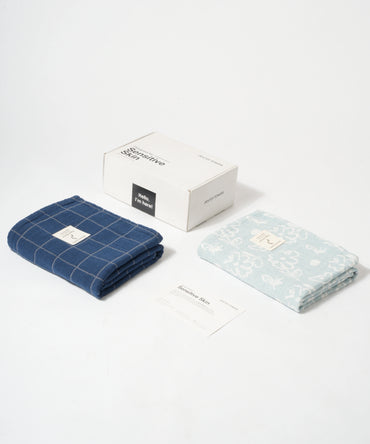
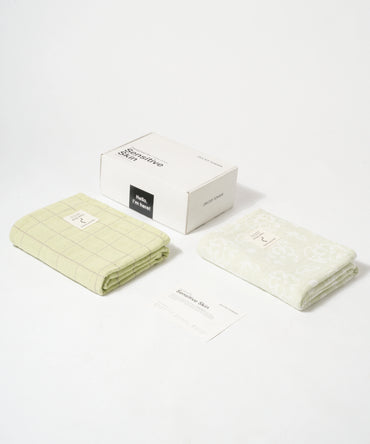
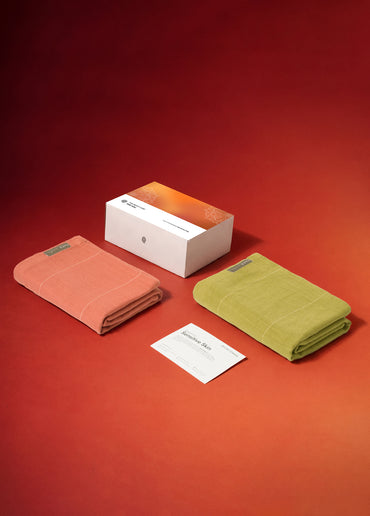
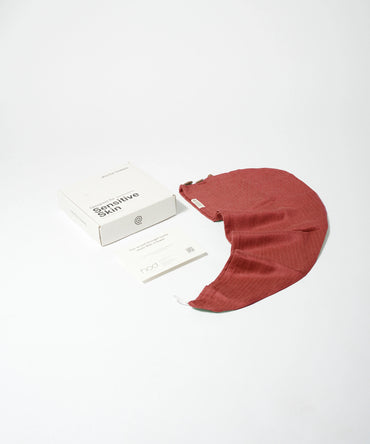
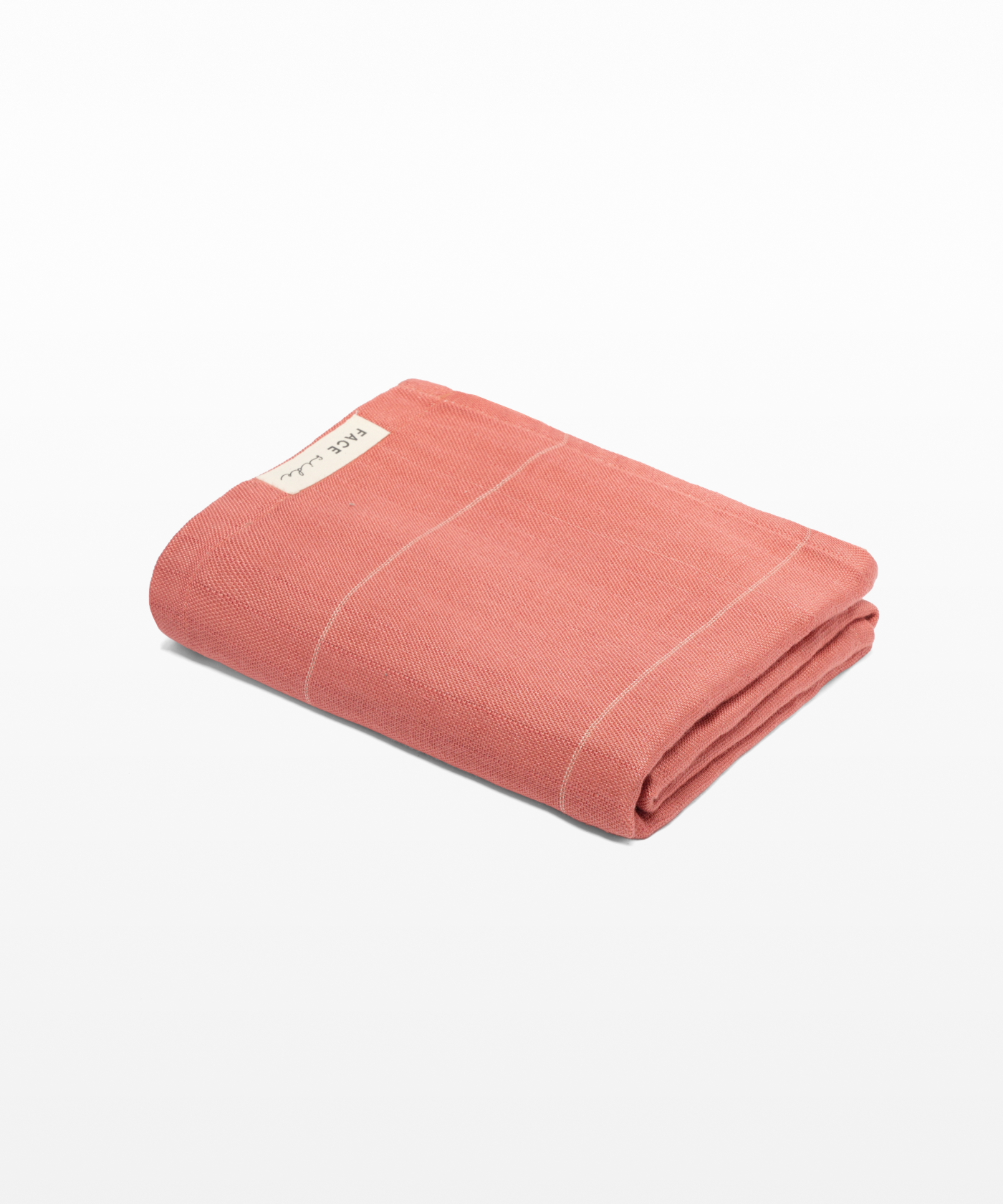
It is positioned as a skincare-first towel brand for people who think about friction, irritation, comfort, cleanliness, and skin barrier habits as part of their routine. That makes it relevant here, because the issue is not whether a towel is fancy. It is whether the towel step is being treated as intentional skincare.
Within the approved brand and product knowledge, Doctor Towels can be described as:
- a skincare-first product
- part of a gentle skincare routine, not a cure
- something that belongs in the same conversation as cleansers, serums, and skin-barrier-friendly habits
- a way to make the face-drying routine more skin-aware and lower-friction
That is the right frame.
There are additional product and research references the brand has published here:
But based on the source restrictions provided for this article, specific proprietary performance claims such as SkinShield Technology™, Dual-Side Design, Skin-Safe Fibers, 160-Wash Efficacy, Clinical Validation, and any numerical outcomes or organism findings are not included here as factual claims because they were not approved in the medical research notes or approved facts list for publication in this draft.
What can be said, accurately and safely, is this:
If your skin is acne-prone or sensitive, a face towel that is chosen as part of a gentle routine makes more sense than treating drying as an afterthought. That is where Doctor Towels fits best: not as a miracle fix, but as a skincare-aware routine choice for people trying to reduce avoidable friction and irritation.
The Bottom Line
Can a face towel trigger acne mechanica?
A towel is unlikely to be the single explanation for every breakout. But the underlying mechanism is real: friction, pressure, rubbing, and repeated irritation can aggravate acneiform eruptions, and acne-prone skin is generally better served by gentle, non-abrasive care.
That changes how you look at the towel step.
Instead of asking only, “Do towels cause acne?” a better question is:
- is my face-drying routine adding friction my skin does not need?
For a lot of people, that is the more useful perspective shift.
Your towel may not be the whole problem. But if your skin feels irritated after drying your face, if your towel feels rough on active breakouts, or if your routine seems gentle everywhere except that one step, it is worth paying attention.
Sometimes the most overlooked part of a skincare routine is the part touching your face after everything else.
Medical Sources & Further Reading
- How to treat acne — American Academy of Dermatology — https://www.aad.org/news/how-to-treat-acne
- DIY acne treatment — American Academy of Dermatology — https://www.aad.org/public/diseases/acne/diy
- Acne mechanica — PubMed — https://pubmed.ncbi.nlm.nih.gov/123732/
- Inner thigh friction as a cause of acne mechanica — PubMed — https://pubmed.ncbi.nlm.nih.gov/30883890/
- Doctor Towels Research Page — Doctor Towels — https://www.doctortowels.com/pages/research-page
- Testing Report — Doctor Towels — https://cdn.shopify.com/s/files/1/0376/8529/7196/files/Testing_Report.pdf?v=1758528655
Medical Citations
- How to treat acne - American Academy of Dermatology - https://www.aad.org/news/how-to-treat-acne
- DIY acne treatment - American Academy of Dermatology - https://www.aad.org/public/diseases/acne/diy
- Acne mechanica - PubMed - https://pubmed.ncbi.nlm.nih.gov/123732/
- Inner thigh friction as a cause of acne mechanica - PubMed - https://pubmed.ncbi.nlm.nih.gov/30883890/